REVIEW · OSAKA
Osaka: 2-Hour Local Street Food Tour – Dotonbori & Namba
Book on GetYourGuide →Operated by DeepExperience, Inc. · Bookable on GetYourGuide
Two hours. One Osaka appetite. This street-food crawl gives you a smart start at the Glico Man sign and then a calm break at Hozenji Temple right in the middle of shopping noise. I love that the guide keeps things moving without feeling rushed, and I also like the mix of famous Osaka bites with less-obvious stops. One drawback: food and drinks cost extra, and the activity notes you can’t count on vegan or gluten-free options.
You’ll meet your guide at Starbucks TSUTAYA EBISUBASHI (outside, look for the DeepExperience sign). From there, it’s a guided walk through Dotonbori and Namba where the main point is simple: taste your way through Osaka instead of trying to decode menus alone.
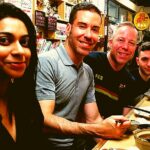
The tour often feels personal in a good way. Many guides (like Kanako, Aki, Hina, and Kaito) are praised for tailoring choices, helping with ordering, and pointing out where to stand for photos. Just remember it’s designed for two hours, so you’ll leave full, but you may still want one or two follow-up snacks on your own.
In This Review
- Key things I’d focus on before you go
- Meet at Starbucks, Then Snap Osaka’s Glico Man Sign
- Dotonbori Street Food Tastes: How the Walking Actually Works
- Ukiyo-Koji and Hozenji Temple: A Quiet Reset in the Middle of Commerce
- Namba Food Tasting: More Classics, Less Guesswork
- A Second Walk Through Dotonbori, Plus One More Photo Moment
- What You’ll Eat: Osaka Staples (and Some Nice Surprises)
- Price and Value: $51 for a Guide, Plus Your Food Budget
- Who This Tour Suits Best (And Who Might Want a Different Plan)
- Should You Book This Osaka Street Food Tour?
- FAQ
- How long is the Osaka street food tour?
- How much does the tour cost?
- What does the $51 price include?
- Where do I meet the guide?
- Where does the tour go?
- What kinds of food should I expect to try?
- Are vegan or gluten-free requests accommodated?
- What languages are available for the guide?
- Is the tour wheelchair accessible?
- What’s the cancellation policy?
- Is there a way to pay later?
Key things I’d focus on before you go
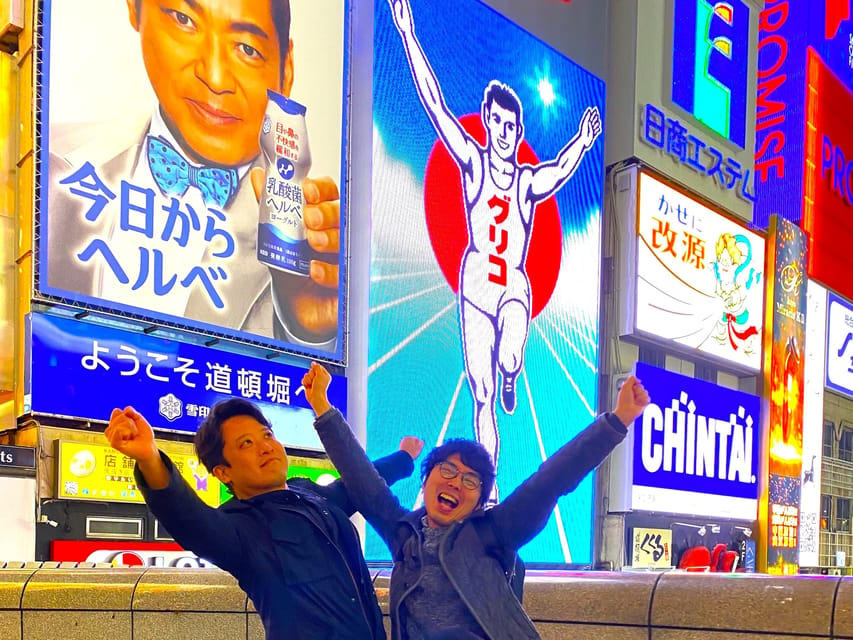
- You start with a classic Osaka photo at the Glico Man sign, then get moving right away
- Street food tastings are the point: you’re not just walking and looking
- Hozenji Temple is a real contrast to the commercial chaos outside
- Guides help with ordering and lines so you waste less time deciding
- Your final meal bill is on you since food/drinks aren’t included
Meet at Starbucks, Then Snap Osaka’s Glico Man Sign
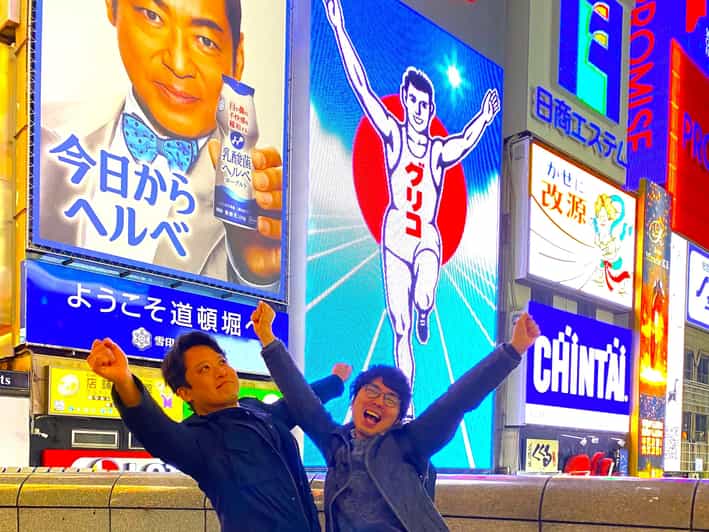
The best thing about this tour is how quickly it gets you oriented. You’ll meet at Starbucks TSUTAYA EBISUBASHI, outside the building. Your guide holds a yellow DeepExperience sign, so it’s usually easy to spot even if you’re arriving a little flustered after exploring Osaka on your own.
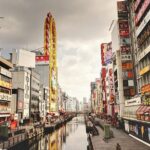
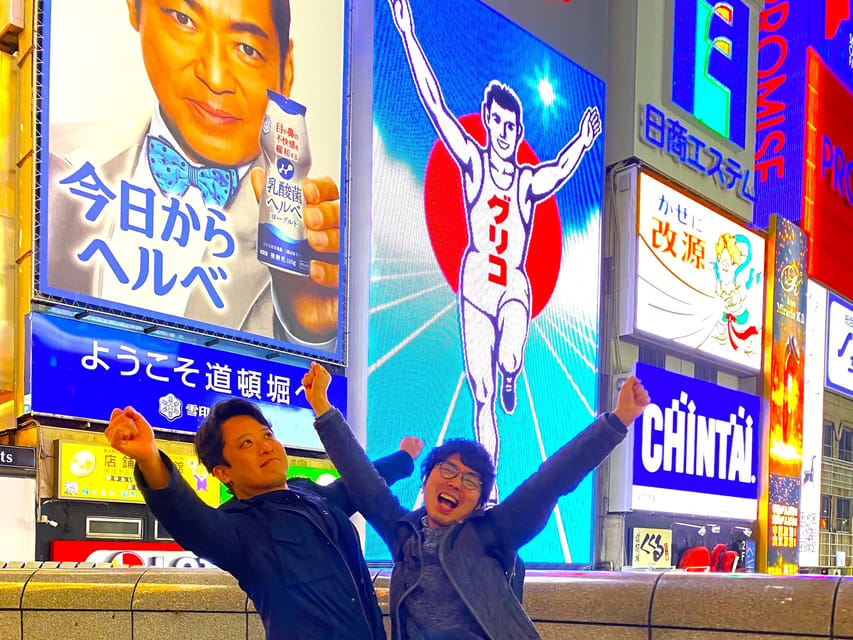
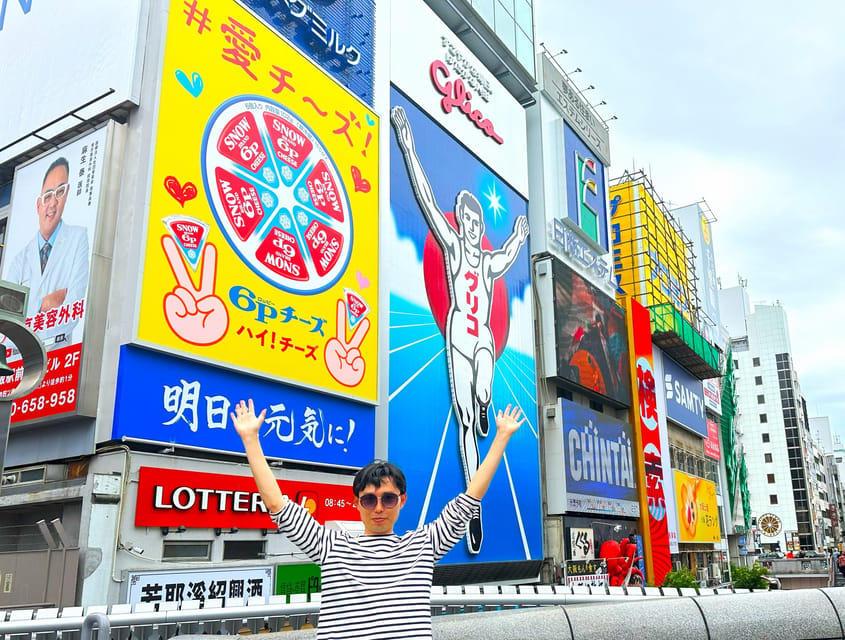
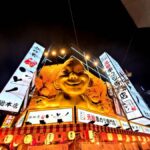
After the handshakes, you’re off for a photo stop at Osaka’s symbol: the Glico Man sign in Dotonbori. This isn’t just a tourist checkbox. Your guide also chooses a better angle so you’re not stuck in the wrong spot when crowds swell. It’s a quick win that makes the rest of the night feel easier.
From there, the tour shifts from “look at the area” to “eat the area.” You’ll be walking through the parts of Dotonbori and Namba where food is the language—signboards, smell, smoke, and the constant churn of people. A guide matters here, because the best stalls can look like chaos from the sidewalk unless you know where to go and how to ask.
You can also read our reviews of more food & drink experiences in Osaka
Dotonbori Street Food Tastes: How the Walking Actually Works
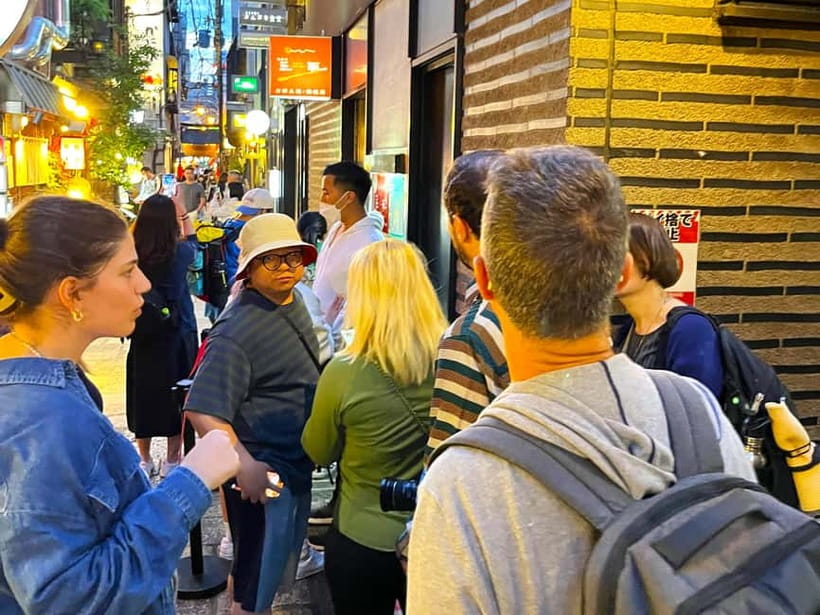
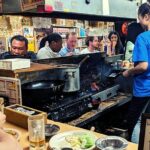
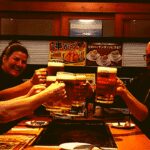
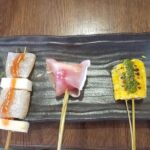
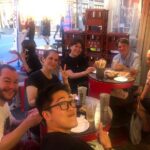
You’ll spend a chunk of time in Dotonbori with guided tastings. Expect frequent stop-and-go moments where you try foods you recognize (like takoyaki) and foods that might be new (like takosen and doteyaki). The walking is purposeful: it’s not a long trek; it’s a string of short food missions tied to the best spots nearby.
One of the most consistent themes in feedback is how guides handle the messy parts: picking where to wait, helping you avoid the longest lines, and making sure you don’t end up ordering the wrong thing. Guides like Aki and Kaito are praised for photo positioning and for sharing small history or flavor context as you go—enough to make the food feel like culture, not just calories.
You’ll also get a chance to explore areas that feel like Osaka “in layers,” not one single street. That matters because Dotonbori can be visually loud. A guide helps you slow down in the right places and keep moving before you get stuck watching other people choose.
Practical note: since food isn’t included, you’ll want to come ready to spend a bit on top of the $51 guide fee. In practice, that’s also what keeps the choices flexible.
Ukiyo-Koji and Hozenji Temple: A Quiet Reset in the Middle of Commerce
This is the stop that keeps the tour from turning into pure street-snack overload. You’ll stroll through Ukiyo-Koji and then visit Hozenji Temple, a peaceful pocket tucked inside the busy Dotonbori/Namba world.
Hozenji Temple is the kind of contrast that makes Osaka feel more three-dimensional. Outside, you’ve got neon, clatter, and crowds. Inside the temple area, things slow down. It’s a chance to look up, breathe, and reset your brain so the next round of food feels fun again instead of frantic.
Guides are also praised for talking about what you’re seeing without turning it into a lecture. You get just enough background to understand why the place exists there at all—temple space living alongside commerce, street life, and entertainment.
If you’re the type who loves photos, this is also one of the easier moments. The lighting and atmosphere are calmer, so your pictures won’t just look like another night scene.
Namba Food Tasting: More Classics, Less Guesswork
After the temple break, the tour keeps rolling into Namba for another tasting round. Namba is where you’ll see more “everyday Osaka” energy—still flashy, but with a different rhythm than Dotonbori. This second block is valuable because you’re comparing flavors and styles, not just repeating the same snack.
Here’s where your guide’s personality really shows. Many guests give high marks to guides for listening to what you like. People mention things like udon noodles, sushi, tempura, and even Kobe beef being worked into the evening, alongside Osaka signatures like okonomiyaki and kushikatsu.
You’ll also get help with the practical side of ordering in Japan. A few reviews specifically highlight quick Japanese phrase coaching and guidance on how to communicate what you want. Even if you’re not trying to speak much, that assistance reduces friction and keeps your night flowing.
This part of the tour is a good fit if you’ve already seen major sights during the day and you want a concentrated “food by guide” evening. It’s also great if you’re traveling with people who get decision-fatigue—your guide handles the menu logic.
A Second Walk Through Dotonbori, Plus One More Photo Moment
The tour doesn’t just end after one loop. There’s another Dotonbori segment with additional local snacks and food tastings, plus a final short photo stop before you head back.
That pacing matters. Osaka street food can be intense—sweet, savory, fried, hot, and salty all in one evening. Two tasting segments in one area give you time to adjust your appetite. It also helps you try different textures and cooking styles instead of accidentally stacking similar flavors back-to-back.
That final photo moment is usually quick, which is a nice balance. You get the visuals without spending half the tour standing around while everyone waits their turn. If you’re the sort who always ends up late for photos back at home, this is exactly the kind of structured timing that saves your sanity.
When you finish, you’ll return to the same Starbucks TSUTAYA EBISUBASHI meeting point. It makes the end of the tour easy, because you know exactly where you are and where you started.
You can also read our reviews of more tours and experiences in Osaka

What You’ll Eat: Osaka Staples (and Some Nice Surprises)
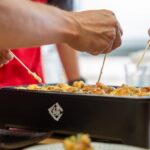
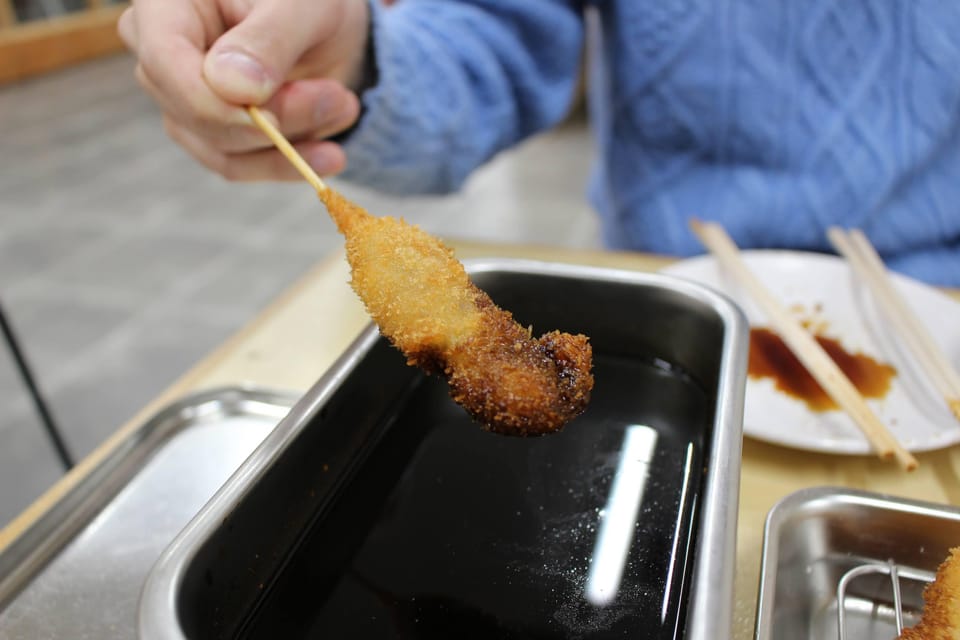
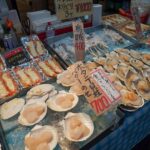
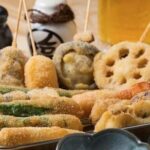
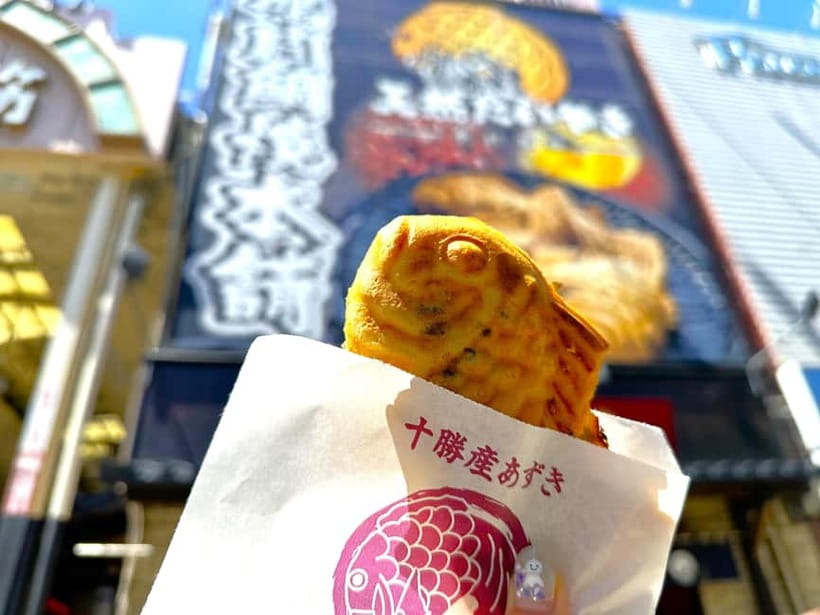
The tour’s food list is built around Osaka’s street specialties. You can expect a mix such as takoyaki, takosen, taiyaki, and other items like apple candy and pork buns. You might also see savory picks like okonomiyaki, kushikatsu, and doteyaki during the tastings.
In real-life guide choices, the menu can expand depending on your group and what your guide thinks fits your tastes. Reviews mention things like udon noodles, sushi, tempura, dumplings, onigiri, and even Japanese BBQ or crab-stuffed buns. That variety is a big reason to book: you’re not stuck with the same two snacks just because they’re easiest to find.
A helpful detail: your guide often asks what you want to eat. Several guests describe tours being tailored to preferences and sometimes to special requests. That doesn’t mean every dietary pattern can be handled, though. The activity information says vegan and gluten-free requests can’t be accommodated, so keep expectations realistic and confirm what you can safely eat before you arrive.
If you’re not dealing with strict dietary restrictions, this tour is a high-return way to sample Osaka’s spectrum. You’ll go from batter-and-sauce street hits to more filling dishes that make the “snacks only” stereotype fall apart.
Price and Value: $51 for a Guide, Plus Your Food Budget
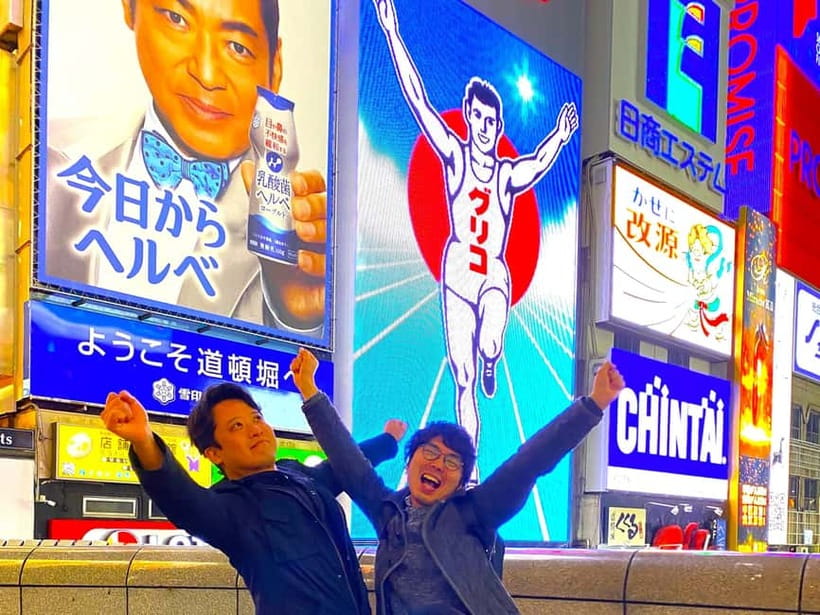
At $51 per person for a 2-hour tour, you’re paying mainly for the guide and the structure: someone to lead you through the best areas, coordinate tastings, and help with photos and ordering.
Food and drink expenses are not included. That’s the key to planning your budget. The good news is that street food tasting usually means you’re paying for exactly what you’re going to eat, rather than paying for an all-you-can model where you might waste money or eat past your limits.
The value is strongest if you:
- want to eat your way through Dotonbori and Namba without spending energy figuring it out
- care about finding good spots instead of random stalls
- like learning what you’re eating as you go
The potential downside is the total cost. If you’re expecting everything to be covered, you’ll feel the gap once you’re buying snacks and drinks during the tour. If you plan for that upfront, the guide fee can feel like money well spent.
Who This Tour Suits Best (And Who Might Want a Different Plan)
This tour fits first-timers who want an easy win: a guided walk that covers iconic Osaka highlights and gives you enough tastings to understand the city’s street-food personality.
It’s also a strong choice for repeaters who want a change of pace. Instead of chasing a checklist alone, you get guide-led discoveries and ordering help. Several guests specifically mention hidden-feeling local spots and better line management.
It may not be ideal for families with very young kids, mainly because street food environments can be noisy and not all bites are kid-friendly by default. That’s not an official rule here, but it’s worth thinking about if your group needs a quieter, more predictable setup.
Dietary considerations are the bigger question. The activity information says vegan and gluten-free requests can’t be accommodated. Some guests still report their guides working around restrictions, but the safest approach is to treat the stated policy as your baseline and plan accordingly.
If you’re mobile, curious, and okay with paying for food as you go, this is a fun and efficient way to spend your Osaka evening.
Should You Book This Osaka Street Food Tour?
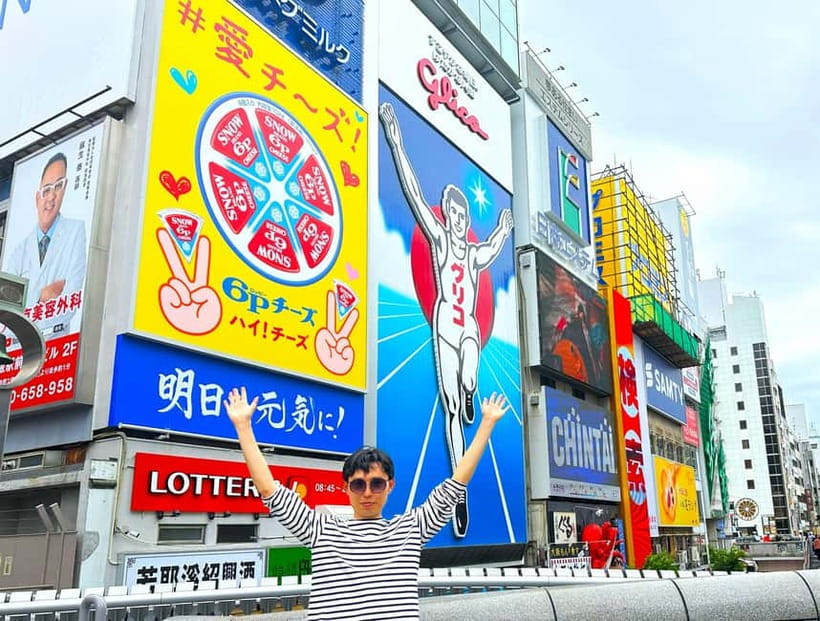
Book it if you want a guided night that’s built for eating, not just sightseeing. In two hours, you’ll hit Dotonbori, see the Glico Man sign, get a quiet pause at Hozenji Temple, and sample a range of Osaka favorites with less guessing.
I’d skip or look for an alternative if your budget can’t handle extra food spending, or if vegan or gluten-free eating is non-negotiable. Also skip if you prefer long, self-paced exploration with no structure at all—this one has a clear plan and keeps moving.
If you do book, make your life easier by arriving at the meeting point on time and telling your guide what you want to prioritize (sweet vs. savory, spicy vs. mild). The best outcomes come from that simple conversation, not from hoping the right stall magically appears.
FAQ
How long is the Osaka street food tour?
The tour lasts about 2 hours.
How much does the tour cost?
The price is $51 per person.
What does the $51 price include?
It includes an English-speaking guide. Food and drink expenses are not included.
Where do I meet the guide?
Meet your guide in front of the Starbucks Coffee TSUTAYA EBISUBASHI store, outside the building. The guide will be holding a yellow DeepExperience logo sign.
Where does the tour go?
It focuses on Dotonbori and Namba, with key stops including a photo stop at the Glico Man sign and a visit to Hozenji Temple.
What kinds of food should I expect to try?
You can expect Osaka street-food tastings such as takoyaki, takosen, and taiyaki, and you may also taste items like okonomiyaki, kushikatsu, doteyaki, apple candy, and pork buns.
Are vegan or gluten-free requests accommodated?
The activity information states it is unable to accommodate vegan or gluten-free requests.
What languages are available for the guide?
The guide is available in English and Japanese.
Is the tour wheelchair accessible?
Yes, the activity is listed as wheelchair accessible.
What’s the cancellation policy?
Free cancellation is available up to 24 hours in advance for a full refund.
Is there a way to pay later?
Yes, the listing offers reserve now & pay later, with payment due at a later time.
![[1 Group Only] Osaka Street Food Tour for Family - The takoyaki moment: what’s included (and why it’s a smart anchor)](https://9.osakaadventures.com/wp-content/uploads/1-group-only-osaka-street-food-tour-for-family-400x267.jpg)