REVIEW · OSAKA
Well-balanced BENTO (lunch box) Cooking Class
Book on Viator →Operated by Sakura Cook · Bookable on Viator
A bento class turns lunch into a lesson. In Osaka at Sakura Cook, you learn Japanese home-style cooking by making dashi and shaping triangular rice balls, then packing a meal that looks good and eats even better.
I especially love the practical flow: you cook, you arrange, and you leave with the feeling that you could recreate this at home. Another highlight is the small-group format (up to 8), where instruction stays clear and personal, with English that’s described as warm and to the point (often led by instructors like Yumi or Fumi).
One consideration: the class menu is built around specific ingredients (including wagyu beef, shrimp, salmon, egg, squash, mushroom, and green vegetables), so if you have dietary needs, you’ll want to flag them when you book.
In This Review
- Key highlights worth your attention
- Where Sakura Cook starts and how the class runs
- From dashi to your seven bento dishes: the cooking rhythm
- The bento menu isn’t random: it’s balanced on purpose
- Packing the box like you actually mean it
- Your lunch moment: miso soup, chopsticks, and Itadakimasu
- Practical value: is $92.24 a fair deal for 2.5 hours?
- Who should book this Osaka bento class
- Quick tips before you go (so the class feels smooth)
- Should you book this Osaka bento cooking class?
- FAQ
- What is the meeting point for the bento cooking class?
- How long does the class last?
- What dishes will I make during the class?
- How many people are in the class?
- Can I request dietary requirements?
- Are children allowed to join?
- Can I cancel and get a full refund?
Key highlights worth your attention
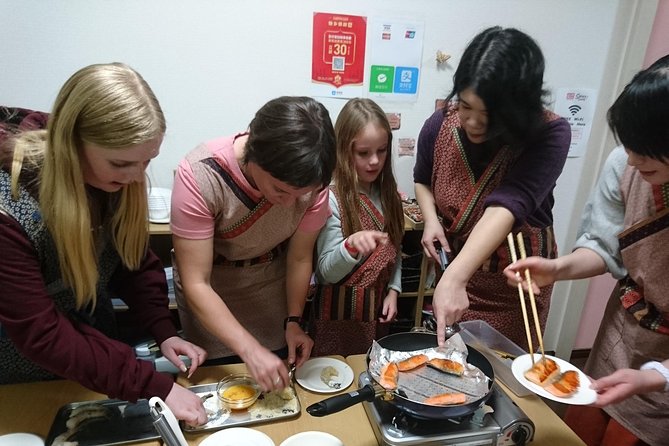
- Triangular rice balls using plastic molds: you practice the shape, then finish the ones that go into your bento
- Dashi is the starting point: you learn how this soup stock fits into many Japanese dishes
- Up to seven home-style dishes: wagyu beef, shrimp, salmon, egg, squash, mushroom, plus green vegetables
- Multiple cooking techniques in one session: frying, grilling, simmering, and marinade
- Bento packing is taught, not guessed: you get guidance for an appealing, balanced layout
- You eat what you made with complimentary miso soup: your lunch comes right after the work, not hours later
Where Sakura Cook starts and how the class runs
You meet at Banix北堀江 in Osaka (Nishi Ward, Kitahorie, 3-chōme62 システマギャラリー). It’s easy to reach with public transportation, and the activity ends back at the same meeting point, which keeps your afternoon simple.
The session is about 2 hours 30 minutes, and it moves with purpose. You’ll start by choosing your favorite lunch box and putting on an apron. Then you jump into cooking right away, starting with dashi (Japanese soup stock). It’s not just hands-on. It’s organized hands-on, which matters because you’ll have a lot to do before you sit down to eat.
This class also caps at 8 travelers. That size is ideal for learning without feeling rushed by a big crowd, especially when you’re learning techniques like marinade and bento assembly. If you want a lesson where you can actually participate in each dish, this format fits.
One more detail that I think you’ll appreciate: you don’t just cook items—you learn how to package them as a meal. That’s the part people often skip in typical food experiences, and it’s one of the reasons this one feels like a skill you take home.
You can also read our reviews of more cooking classes in Osaka

From dashi to your seven bento dishes: the cooking rhythm
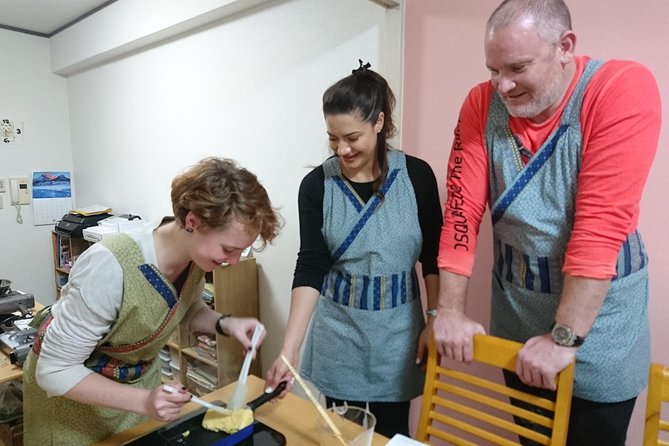
The class begins with making dashi. This is a smart choice, because dashi is the backbone of many Japanese dishes, and your instructor explains both the history and the process. Learning it first helps everything else make more sense, and it sets the tone: you’re not just following steps, you’re understanding why the base matters.
After that, you’ll produce up to seven classic dishes that are often eaten at home. Based on what the class teaches, you’ll work with a mix that includes:
- Wagyu beef
- Shrimp
- Salmon
- Egg
- Squash
- Mushrooms
- A green vegetable component
You’ll use different techniques during the session, including frying, grilling, simmering, and marinade. That variety is a real value, because you leave with more than one “kind” of cooking knowledge. Even if you mainly cook at home with simple methods, these techniques show you how Japanese flavors get built through temperature control and timing.
Then come the rice balls. You’ll make triangular rice balls using plastic molds, practice the shape, and complete two rice balls that go into your final bento. Getting the form right isn’t just for looks. It’s also part of why onigiri-style rice balls feel like a complete “lunch item,” not an afterthought.
The pace is brisk, but it’s built for a 2.5-hour window. If you’re the type who learns best by doing, not watching, this tempo should work.
The bento menu isn’t random: it’s balanced on purpose
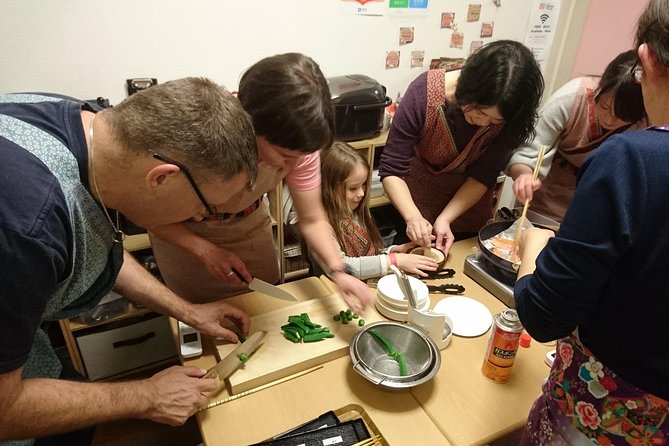
What I like about this class is that the menu aims for a balanced meal, not just a pile of tasty items. You get a mix of proteins (wagyu, shrimp, salmon), umami support (through dashi and mushroom), and plenty of texture variety (egg, squash, mushrooms, and greens).
That balance matters because your final bento needs to feel like lunch you’d actually pack for daily life. In Japanese home bento culture, the goal is often a mix of flavors, colors, and portion sizes, and this class builds that mindset as you go.
One more point: it’s a structured way to learn Japanese cooking without needing a full kitchen setup. You’re working through classic ingredients and familiar methods, so you’re not stuck with one complex dish that dominates your time.
If you’re taking this expecting a totally freeform menu or a surprise “chef’s choice,” you might feel slightly limited. The class is set up around the dishes above, and there’s no mention of customizing the ingredient lineup beyond dietary guidance. So think of it as learning the core bento approach through a focused set of dishes.
Packing the box like you actually mean it
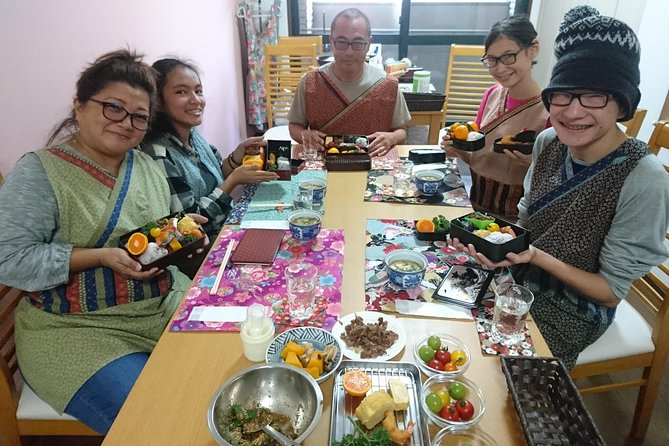
This is where the class earns its keep. You’ll finish your cooking, then learn how to pack your bento box so it looks appealing and makes sense as a meal.
You’ll pack your dishes along with fresh vegetables, and your instructor gives advice on an attractive packing way. In practical terms, this means you’re not left with an empty lunch box and guesswork. You learn how to layer, arrange, and fit everything so it reads as a single lunch plan.
In the reviews, instructors like Yumi and Fumi are praised for clear explanations, professional organization, and warm English. That shows up here too. Bento packing can feel silly or fussy if the guidance is vague. But when someone walks you through how to arrange food, the whole thing clicks.
And yes, it’s satisfying to place the final touches and know your lunch looks intentional. That feeling is part of why I think this class works for both adults and families.
Your lunch moment: miso soup, chopsticks, and Itadakimasu
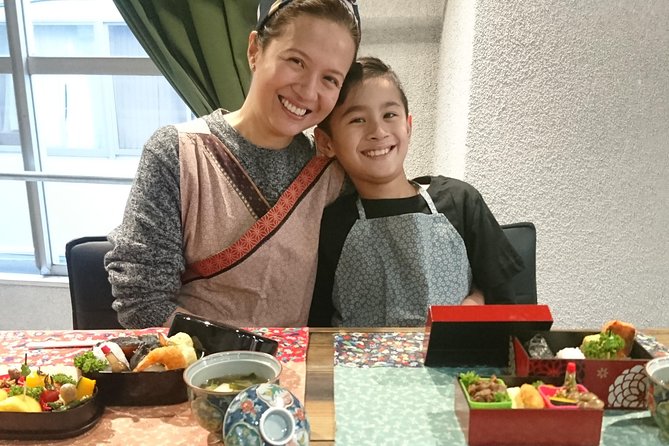
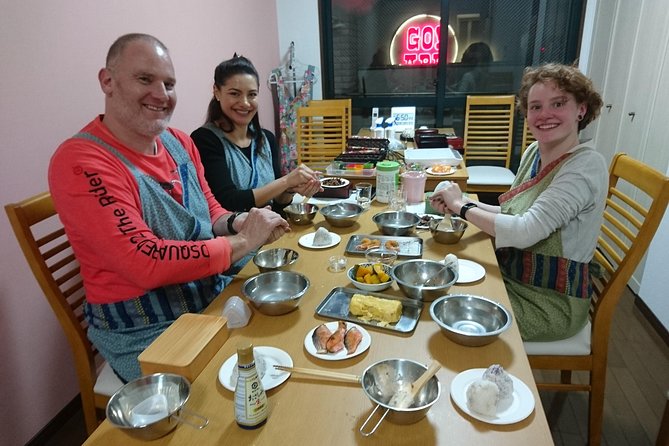
Once your bento is packed, you sit down and eat what you made. You’ll have chopsticks, and the class includes complimentary miso soup to complement your lunch.
There’s a small ritual to it: your instructor leads you to say Itadakimasu before you eat. It sounds simple, but it turns the experience into something more than just a meal. It’s a clean reminder that in Japanese dining, the act of eating is part of the culture, not just the end result.
This ending is also practical. If you’re on a trip where you want one meaningful food experience but don’t want to gamble on a restaurant timing, this class gives you the meal right after you learn it. No hunting, no waiting, no “what if it’s not good.”
If you’re traveling with kids, the short, structured experience helps too. The class is described as easy enough for a 12-year-old to follow, with the instructor making sure everyone can participate.
You can also read our reviews of more tours and experiences in Osaka




Practical value: is $92.24 a fair deal for 2.5 hours?
At $92.24 per person, you’re paying for several things at once:
- a hands-on session that covers making dashi
- cooking up to seven dishes
- shaping triangular rice balls
- learning how to pack the bento
- eating your lunch with complimentary miso soup
In other words, you’re not just paying for instruction. You’re paying for ingredients, workspace, and a finished meal at the end. For a class with a maximum of 8 people, the per-person value can be good, especially because the focus is on repeatable skills: broth base, cooking methods, and bento layout.
When the class is small, the value jumps again. Some sessions can be extremely intimate, which makes it easier to ask questions and learn at your own pace.
The only real “cost” to consider is time. In 2.5 hours, you’ll do a lot, and there’s limited room for slowing down. If you’re hoping for a relaxed, long dinner vibe, this isn’t it. If you want a productive, satisfying lunch-making lesson, it’s an excellent fit.
If you book and need to change plans, you can cancel for free up to 24 hours in advance for a full refund.
Who should book this Osaka bento class
This fits best if you want:
- a hands-on Osaka food experience that teaches skills, not just bites
- a lunch you can eat right away after you cook it
- a group size small enough for participation and attention
- a format that works for families, including children accompanied by an adult
You’ll also enjoy it if you like learning small “technique sets.” You get marinade, frying, grilling, and simmering in one lesson, plus the cultural context around dashi and how it supports Japanese cooking.
If you’re short on time in Osaka, this works well because it’s a single block of time and ends where you started. It’s also a good “between sightseeing” activity: you can build your day around lunch without losing half your afternoon to travel.
Quick tips before you go (so the class feels smooth)
- Decide ahead of time what you want your bento vibe to be—your lunch box choice starts at the beginning.
- If you have any dietary restrictions, advise them at booking. The class asks for this, and it’s the right moment to be clear.
- Expect a busy, guided rhythm. You’ll make multiple dishes, then pack and eat.
- Wear comfortable clothing you don’t mind getting a little kitchen involved. An apron is part of the class, but you’ll still be moving around.
Should you book this Osaka bento cooking class?
If you want a food experience that feels like a skill-building lunch—one where you cook, arrange, and eat in the same session—this is a strong choice. The class hits the sweet spot of Japanese cooking basics (especially dashi) plus practical bento techniques, and the instructors (including Yumi and Fumi) are known for clear, friendly instruction.
Book it if you enjoy learning by doing, like the idea of triangular rice balls, and want your lunch to feel intentional rather than accidental. Skip it only if you’re looking for a slow, open-ended cooking day or you need ingredient flexibility beyond what you can request at booking.
In Osaka, this kind of class is one of those experiences that doesn’t just fill your stomach. It gives you something you can pack in your memory and recreate later.
FAQ
What is the meeting point for the bento cooking class?
The start point is Banix北堀江, 550-0014 Osaka, Nishi Ward, Kitahorie, 3-chōme 62 システマギャラリー. The activity ends back at the meeting point.
How long does the class last?
The duration is about 2 hours 30 minutes.
What dishes will I make during the class?
You’ll make dashi, prepare up to seven Japanese dishes that include wagyu beef, shrimp, salmon, egg, squash, mushrooms, and a green vegetable component, and you’ll also make triangular rice balls. You’ll pack your bento box and eat it at the end.
How many people are in the class?
The class has a maximum of 8 travelers.
Can I request dietary requirements?
Yes. You should advise any specific dietary requirements at the time of booking.
Are children allowed to join?
Children must be accompanied by an adult.
Can I cancel and get a full refund?
Yes. There is free cancellation, and you can cancel up to 24 hours in advance of the experience start time for a full refund.