REVIEW · OSAKA
Kyoto Full day Tour Kinkakuji, Kiyomizu-dera and Fushimi Inari
Book on Viator →Operated by Hotel Takitei · Bookable on Viator
Kyoto hits different when you see its icons back-to-back. This day tour strings together Kinkaku-ji (Golden Pavilion), the historic lanes around Kiyomizu-dera, and Fushimi Inari-taisha’s thousands of red torii gates, all with built-in pacing.
I really like the practical guidance here. You get air-conditioned transport plus a multilingual guide, and the Kiyomizu area gives you time to try local experiences like walking the streets (including Ninenzaka and Sannenzaka) and even donning a traditional kimono.
One possible drawback: it’s a long day (about 9.5 hours) and two major stops require small extra entry fees. You’ll also want to sort lunch on your own time since it’s not included.
In This Review
- Key things to notice before you go
- A 9.5-hour Kyoto run: Kinkaku-ji to Fushimi Inari
- Kinkaku-ji Golden Pavilion: why starting here works
- Kiyomizu-dera and Higashiyama lanes: temple time plus street life
- Fushimi Inari-taisha: how to make the red torii gates feel peaceful
- Price and value: what $53.85 really covers
- Meet your guide: yellow flag, clear communication, and real care
- How to pace yourself on a long day
- Should you book this Kyoto full-day tour?
- FAQ
- FAQ
- How long is the Kyoto full-day tour?
- Is lunch included?
- Do I need to pay for Kinkaku-ji and Kiyomizu-dera entry?
- Is Fushimi Inari-taisha admission free?
- What’s included in the tour price?
- Where do I meet the guide?
- Can I cancel for a full refund?
Key things to notice before you go
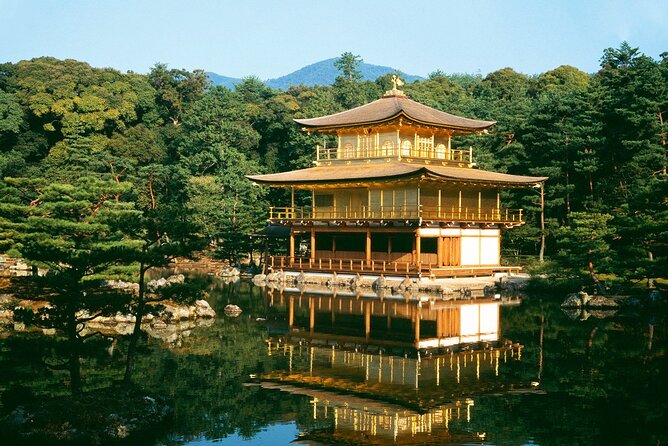
- Golden Pavilion first: About 40 minutes at Kinkaku-ji sets the tone early in the day.
- Big time block for Higashiyama: Around 3 hours near Kiyomizu-dera for temple time plus the street atmosphere.
- Fushimi Inari feels different in the afternoon: About 1 hour 10 minutes to walk through the torii gates (entry is free).
- Smallish group for Kyoto: Max 40 people with a guide holding a yellow flag with the Gogoday logo.
- Two temple tickets to plan for: Kinkaku-ji and Kiyomizu-dera cost extra (Fushimi Inari is free).
- Route can shift: Traffic, weather, or other issues can change the schedule or shorten sights.
A 9.5-hour Kyoto run: Kinkaku-ji to Fushimi Inari
This tour is built for people who want major Kyoto sights in one day without sweating trains and transfers. The total time runs about 9 hours 30 minutes, with pickup either at Osaka at 8:40am or Kyoto at 9:50am, and drop-off around 18:10.
You’re moving, yes, but the pace is designed to keep your day from feeling random. The order matters: you start with Kinkaku-ji, then switch to the temple-and-streets world around Kiyomizu-dera, and finish with Fushimi Inari-taisha.
If you like structure, you’ll appreciate the clear stop lengths: roughly 40 minutes at Kinkaku-ji, about 3 hours at Kiyomizu-dera, and around 1 hour 10 minutes at Fushimi Inari-taisha. If you prefer slow travel and long wandering, you’ll still get a satisfying taste, but you’ll need to pace yourself.
Also, the group size is capped at 40. That’s big enough to be social, but small enough that you’re not completely swallowed by crowds inside every photo spot.
Finally, this tour uses a mobile ticket. That’s one less thing to worry about when you’re juggling a busy day.
You can also read our reviews of more tours and experiences in Osaka
Kinkaku-ji Golden Pavilion: why starting here works
Kinkaku-ji, the Golden Pavilion, is the kind of sight that instantly explains why people come to Kyoto in the first place. You’ll get about 40 minutes here, with admission not included in the tour price.
That time length is a real factor. Forty minutes sounds short until you consider that Kinkaku-ji is mainly about seeing the pavilion, enjoying the surrounding views, and taking photos without getting pulled into hour-long detours.
For planning, I’d think of this stop as your “set the visual hook” moment. Once you’ve seen the Golden Pavilion, the rest of the day makes more sense: you can connect it to what you’ll notice later in the Kiyomizu area—temples, traditional streets, and that layered old-Kyoto feeling.
Budget-wise, plan on paying the Kinkaku-ji ticket (listed as $4.00 per person). The tour price covers transportation and the guide, but temple entry fees come separately.
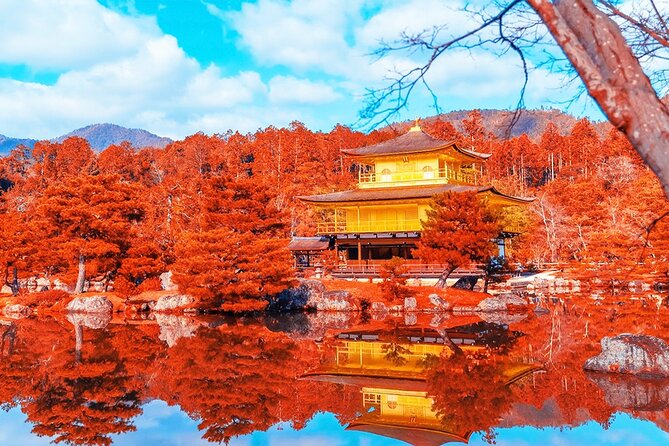
One more timing note: the tour description emphasizes autumn color for Kinkaku-ji. If your visit lines up with fall, you’ll likely see more dramatic contrast between gold and the surrounding foliage. If not, the pavilion still does the heavy lifting.
Kiyomizu-dera and Higashiyama lanes: temple time plus street life
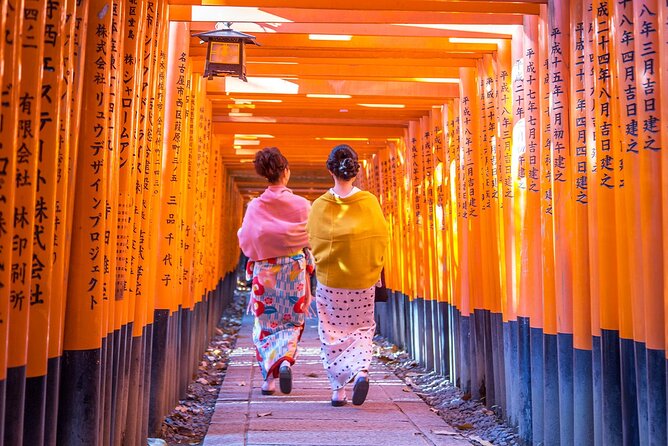
After Kinkaku-ji, you head to Kiyomizu-dera in eastern Kyoto. This stop is the biggest one, around 3 hours, and it’s also where the day turns more walkable and atmospheric.
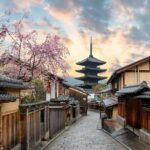
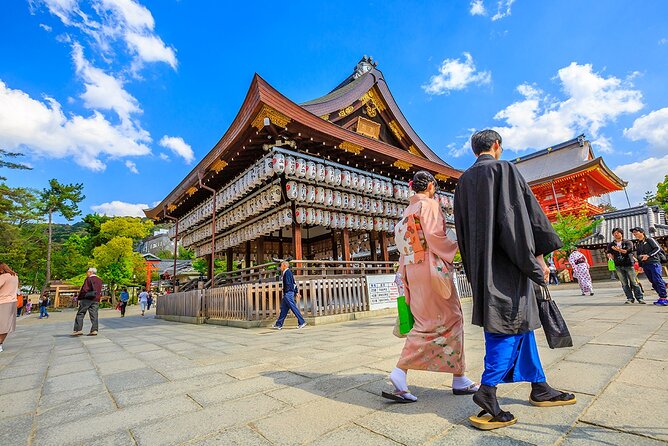
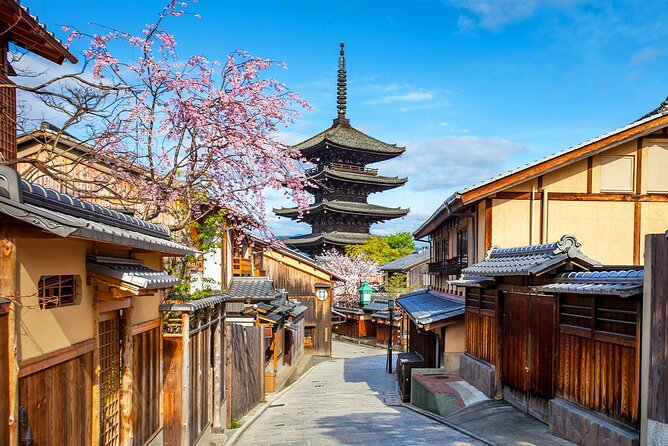
Kiyomizu-dera is a UNESCO World Heritage Site with over 1,200 years of history, and you’ll have time not only for the temple itself but for the streets nearby. The tour route specifically mentions walking areas like Ninenzaka and Sannenzaka, plus traditional wooden tea houses in the area.
This is also the part where you might want to slow down. A temple visit is quick-to-plan, but street time is where you get the small memories: storefront energy, the smell of tea, and those postcard-friendly streets that still feel lived-in.
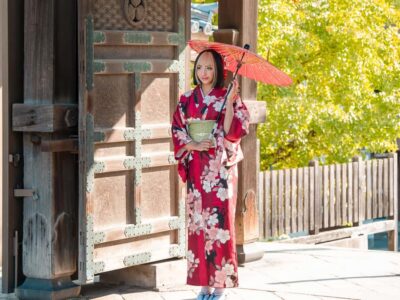
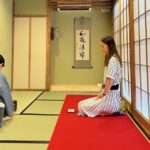
The tour information also says you can don a traditional kimono in this part of the day. If you’re interested, this is the window to ask your guide how to fit it in. Just remember: kimono adds time and you’ll still want to see the temple before your group moves on.
Entry for Kiyomizu-dera costs extra (listed as $4.00 per person). Since lunch isn’t included, you may want to use this 3-hour block to grab food nearby on your own schedule—snack first, then plan your meal so you don’t end up hungry at the exact wrong moment.
A practical consideration: even with a guide, Kiyomizu-dera + nearby lanes means real walking. Comfortable shoes beat cute shoes here.
Fushimi Inari-taisha: how to make the red torii gates feel peaceful
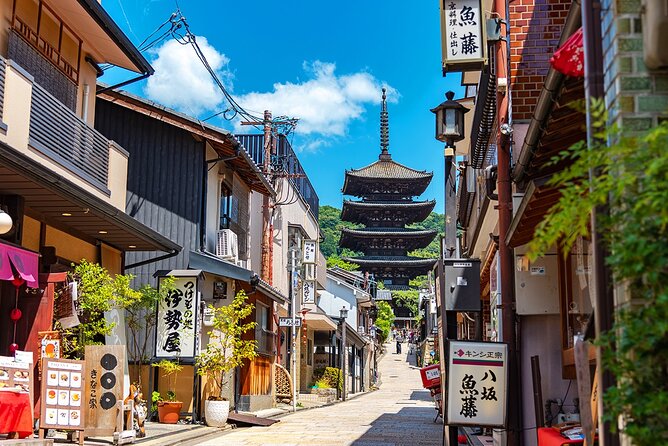
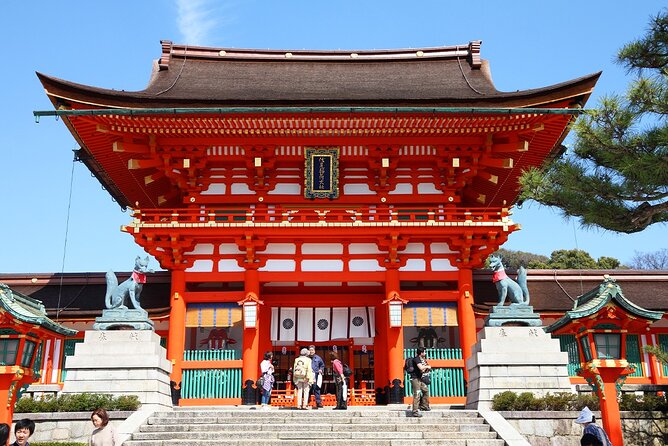
In the afternoon, you’ll visit Fushimi Inari-taisha Shrine in southern Kyoto. This stop is about 1 hour 10 minutes, and admission is free—so your main costs here are just getting yourself there comfortably and buying whatever you decide you want to eat.
The headline is simple and iconic: thousands of red torii gates. The torii gates make you feel like you’re walking inside a repeating pattern. Even if you only do part of the route, the scale tends to impress people fast.
You’ll get more out of this stop if you decide how you want to experience it before you arrive. Do you want a steady walk for photos and calm views, or do you want to stop often for smaller moments? With only 1 hour 10 minutes, having a plan keeps it from turning into “where did the time go?”
For me, the best approach is to enjoy the early sections first, then decide whether you want to continue deeper. That way, even if your legs say no, you still leave having seen the torii gates at their best.
Also, because it’s free, you can spend your money on things that actually matter to you—food, a small souvenir, or a drink break—without feeling like you’re paying just to stand in the right spot.
Price and value: what $53.85 really covers
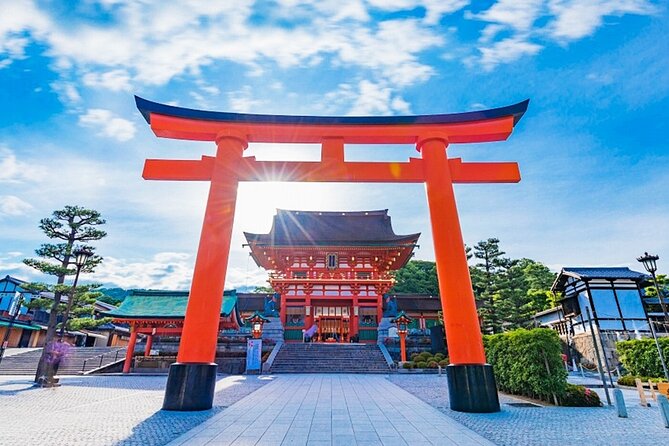
The listed price is $53.85 per person. For that, you’re getting round-trip transportation in an air-conditioned vehicle and a multilingual tour guide.
The big separate costs are the two temple admissions:
- Kinkaku-ji: $4.00 per person (not included)
- Kiyomizu-dera: $4.00 per person (not included)
- Fushimi Inari-taisha: free entry (listed as free)
Lunch is not included.
So the “real” cost picture is mostly about two small tickets plus food. That’s why I think the value is strongest if you want the convenience of a guided route. If you already know Kyoto well and enjoy building your own itinerary, you could go cheaper on paper by self-planning—but you’d give up the built-in flow and the time savings.
Where the money really lands is in the time efficiency. You’re seeing three top Kyoto draws in one day, and you don’t have to manage connections between far-apart neighborhoods.
One more factor: the tour mentions that the itinerary may change due to traffic, weather, or unforeseen circumstances. That means your “value” depends on whether the day runs smoothly. In a city like Kyoto, that can happen, so keep a bit of flexibility for your schedule when you book.



Meet your guide: yellow flag, clear communication, and real care
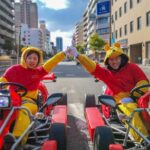
This tour uses a guide system you can actually find. At the meeting point, the guide holds a yellow flag with the Gogoday logo. You just tell them the name you used when booking, and you’ll get on.
I like this detail because it removes the most stressful part of group tours: the guesswork. Arrive about 15 minutes early if you can, since late arrivals don’t work well with a fixed schedule.
The guide quality looks like a core strength. Past days included guides named Yiyi and Frederick, and the feedback highlighted strong communication and that the guide took care of the group in a friendly, attentive way.
That matters because Kyoto sightseeing isn’t just about monuments—it’s about pacing, timing, and knowing where to go next. A good guide helps you spend your limited time well, especially on a day that includes both major temples and busy street walking.
Also, the vehicle is air-conditioned. On warm days (or just after a lot of walking), that transport comfort is the kind of practical win that can make or break your mood by mid-afternoon.
How to pace yourself on a long day
This isn’t a “sit and enjoy” tour. Even with guided stops, you’ll walk around the Kiyomizu-dera area and spend time moving through streets and temple grounds.
Here’s how I’d pace it if you want to keep the day from feeling like a blur:
- Start strong at Kinkaku-ji, then switch your mindset to slower street time near Kiyomizu-dera.
- Use part of the 3-hour Kiyomizu block for rest breaks, not just sights.
- At Fushimi Inari, choose whether you’ll do a shorter torii walk or press deeper, then stick to it.
If you’re tempted to squeeze in extra stops after the tour, be careful. Drop-off is around 18:10, so late-evening plans are risky if something runs behind due to traffic or weather.
And since entry tickets and lunch aren’t included, I’d plan your money and your snacks ahead of time. Small planning actions reduce stress later.
If you’re booking for a group of mixed interests—temples, photos, and traditional street vibes—this route tends to satisfy different tastes in one day.
Should you book this Kyoto full-day tour?
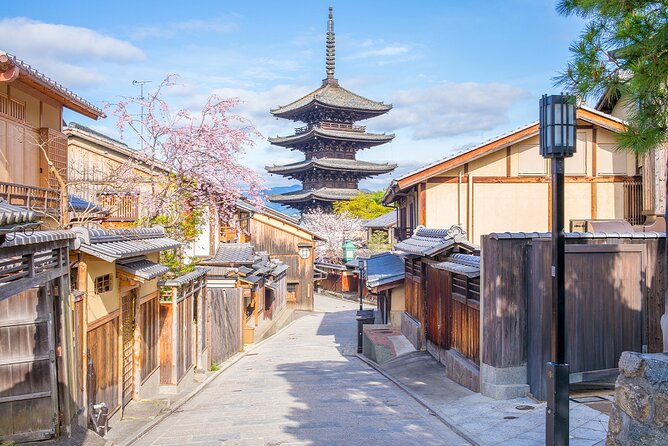
Book it if you want three major Kyoto sights with minimal planning and a guide who keeps you on track. It’s especially good for first-timers who want the Golden Pavilion, the Kiyomizu-dera area, and the torii gates of Fushimi Inari in a single day.
Skip it (or at least reconsider) if you hate fixed schedules. With only about 40 minutes at Kinkaku-ji and a limited 1 hour 10 minutes at Fushimi Inari, you’ll have less control over how slowly you want to experience each place.
One last smart check: look at the extra costs. With Kinkaku-ji and Kiyomizu-dera tickets added and lunch on your own, you’ll get the most satisfaction if you’re comfortable budgeting for that and wearing shoes built for walking.
FAQ
FAQ
How long is the Kyoto full-day tour?
The total duration is about 9 hours 30 minutes, with pickup at either 8:40am (Osaka) or 9:50am (Kyoto) and drop-off around 18:10.
Is lunch included?
No. Lunch isn’t included in the tour price, so you’ll need to plan your own meal during free time at the stops.
Do I need to pay for Kinkaku-ji and Kiyomizu-dera entry?
Yes. Kinkaku-ji entry is listed as $4.00 per person, and Kiyomizu-dera entry is also listed as $4.00 per person. These entry tickets are not included.
Is Fushimi Inari-taisha admission free?
Yes. Fushimi Inari-taisha Shrine admission is listed as free.
What’s included in the tour price?
The tour includes transportation in an air-conditioned vehicle and a multilingual tour guide.
Where do I meet the guide?
You meet at a selected meeting point (Osaka at 8:40am or Kyoto at 9:50am). The guide holds a yellow flag with the Gogoday logo. It’s recommended you arrive about 15 minutes early.
Can I cancel for a full refund?
Yes, you can cancel up to 24 hours in advance for a full refund. If you cancel less than 24 hours before the start time, the amount paid is not refunded.