REVIEW · OSAKA
Have Fun in KANSAI Pass (1 Week Free Pass)
Book on GetYourGuide →Operated by GlobalTix JP · Bookable on GetYourGuide
This pass is a cheat sheet for Kansai. It’s a 1-day voucher aimed at major days out across Osaka, Kyoto, and Kobe, with options that can stretch into a 7-day window.
I like the freedom of self-guided touring more than a rigid itinerary, so you can stack temples, views, and food stops in the order that fits your legs. I also like that the highlights point you at real heavy-hitters like Fushimi Inari Taisha.
One big caution: the pass works like a set of redemptions, not a magic card for everything. Use-once rules and unclear coverage can make the value drop fast if you can’t line up the right venues.
In This Review
- Key things to know before you buy
- A 1-Day Voucher With a 7-Day Window: What That Means
- Osaka, Kyoto, Kobe: Where the Pass Tries to Pay Off
- Osaka Castle to Fushimi Inari: Big Names, Real Planning
- Kinkaku-ji and Kyoto Temples: Easy to Overstuff Your Day
- Mount Yoshino and Mount Koya: The Nature Day the Pass Mentions
- The 3-or-6 Venue Access: Why Value Can Swing Hard
- Transit: Trains, Buses, Ferries, and the Metro Reality Check
- The Date-Based Extras From 5/6 to 5/8
- Redeeming Fast: The Small Things That Decide the Big Outcome
- Who This Pass Suits Best (And Who Should Skip It)
- Should You Book the Have Fun in Kansai Pass?
- FAQ
- FAQ
- How long is the Kansai Pass voucher valid?
- What’s included with the pass?
- Can I use each facility more than once?
- Does the pass have an age limit?
- Where do I redeem the pass?
- What does the pass cover for transportation?
- Is there a cancellation option?
Key things to know before you buy
- 3 or 6 participating venues (your value depends on using multiple redemptions)
- Redeem directly on-site at Osaka, Kyoto, and Kobe locations—no central meetup
- Transit is promised (trains, buses, ferries), but line-by-line coverage may be less automatic than you expect
- Mount Yoshino and Mount Koya are part of the big-picture plan for nature and temple days
- Date-based extras exist, including coupons from 5/6 and Nara/Museum options on specific dates
- Each facility is once-only, with no re-entry
A 1-Day Voucher With a 7-Day Window: What That Means
On paper, this is the Have Fun in Kansai Pass 1 Week Free Pass. In practice, you’ll redeem it on a single day, but some benefits are meant for use across the following week. The activity notes say it’s valid for 1 day and you should check available starting times, while the included venue access is described as usable within 7 days.
So think of it like this: you’re buying the right to participate, then you spend the next stretch making it count. If you show up with zero plan, you may end up using only one thing, then realizing the pass has already lost most of its advantage.
Also, the pass is priced as a budget-friendly option (listed at $29 per person), which signals you’re not paying for a guided tour with guaranteed logistics. You’re paying for access, discounts, and a structure that works if you use it.
You can also read our reviews of more tours and experiences in Osaka.


Osaka, Kyoto, Kobe: Where the Pass Tries to Pay Off
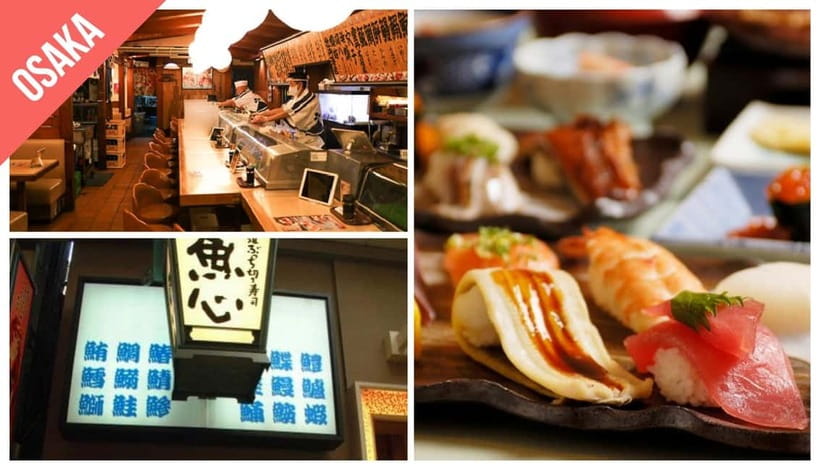
The pass is built around Kansai’s classic trio. The included venue access is explicitly tied to Osaka, Kyoto, and Kobe, which is smart. These cities are where the big crowds and big sights are, and where transit connections are frequent enough that a self-guided week actually feels doable.
Your wins will come from choosing stops that are:
1) on the right side of the pass’s participating list, and
2) easy to reach without swapping plans every hour.
Osaka is where you can cluster comfortable urban time: walking streets, castle views, and plenty of food options. Kobe often works well as a lighter day: people go for the food and harbor vibe, and you can usually balance that with a nearby rail day. Kyoto is where the payoff is obvious, but it also pays to plan your temple order so you’re not zig-zagging all day.
If your goal is to cover a lot of iconic sights while spending as little as possible on individual admission tickets, this is the logic behind the pass.
Osaka Castle to Fushimi Inari: Big Names, Real Planning
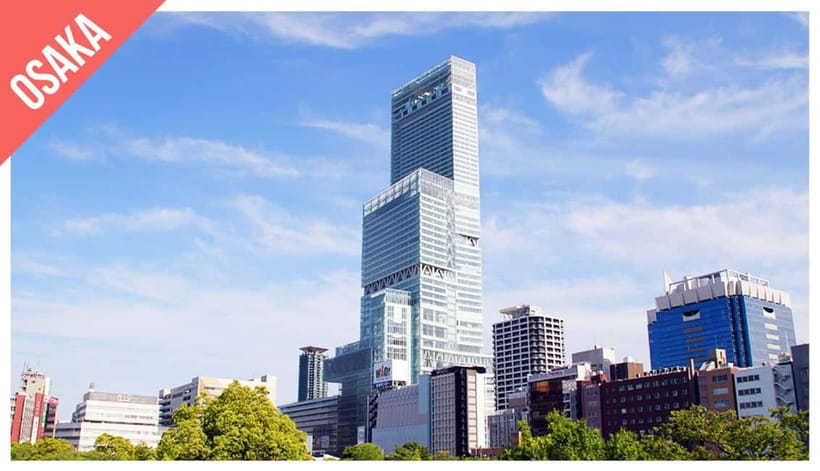
The headline list of places reads like a best-of Kansai card: Osaka Castle, Kyoto’s Kinkaku-ji, and Fushimi Inari Taisha. These are the kinds of stops that make Kansai feel like Kansai.
Here’s how I’d approach them with this pass in mind:
Osaka Castle works as an anchor. Even if you don’t turn it into a long day, it gives you a clear starting point in Osaka. The castle is also a good place to regroup because the area tends to be navigable for first-timers.
Fushimi Inari Taisha is the kind of place where you can control your time. You can do a shorter visit if you’re conserving energy, or keep going if you want more of the hike-like feel. Either way, it’s one of those landmarks that helps you say yes to the pass, because you know exactly what you’re aiming at.
If you’re adding Kyoto’s Kinkaku-ji (Golden Pavilion), try to treat it as a focused stop rather than a “grab-and-go” photo errand. With temple days, I find you get more satisfaction when you’re not racing the clock between redemptions.
The potential drawback is that these places are famous for a reason. That means you’ll want to check opening hours and plan your day order. The pass materials also remind you to verify business hours and holidays for each facility, which matters a lot in Kyoto.
Kinkaku-ji and Kyoto Temples: Easy to Overstuff Your Day
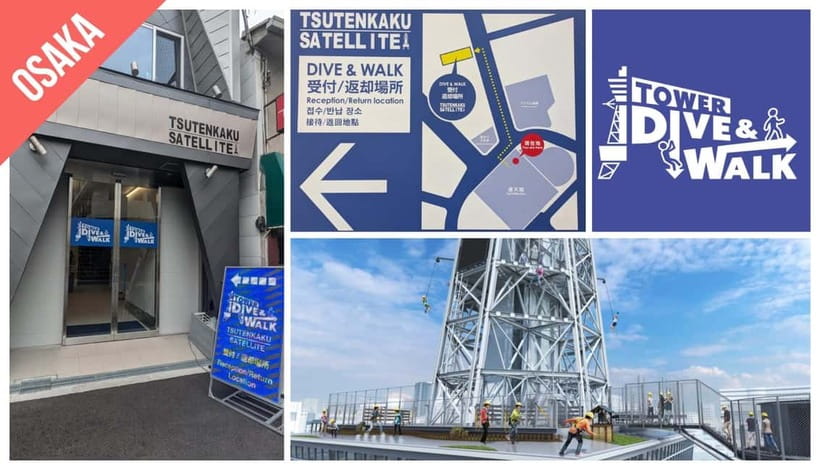
Kyoto is where a budget pass can either shine or feel frustrating.
You’re aiming at iconic sites like Kinkaku-ji and Fushimi Inari Taisha, plus the broader idea of Kyoto’s temples. But the pass is also tied to participating venues you must redeem once-only. That means you can’t just drift through Kyoto and hope the pass magically covers everything.
What works best is a tight route:
- Choose one major temple area (Kinkaku-ji is a classic choice)
- Add one other compatible stop nearby if it matches a participating venue on your redemption list
- Keep your “extra time” flexible for walking, snacks, and slow photos
If you stack too many must-dos, you might end up paying out of pocket for transit or admissions anyway. And if you waste a redemption because you missed a reservation window or showed up on a day a facility didn’t accept the pass, the value drops again.
Kyoto deserves calm. This pass only helps if you keep Kyoto organized.
Mount Yoshino and Mount Koya: The Nature Day the Pass Mentions
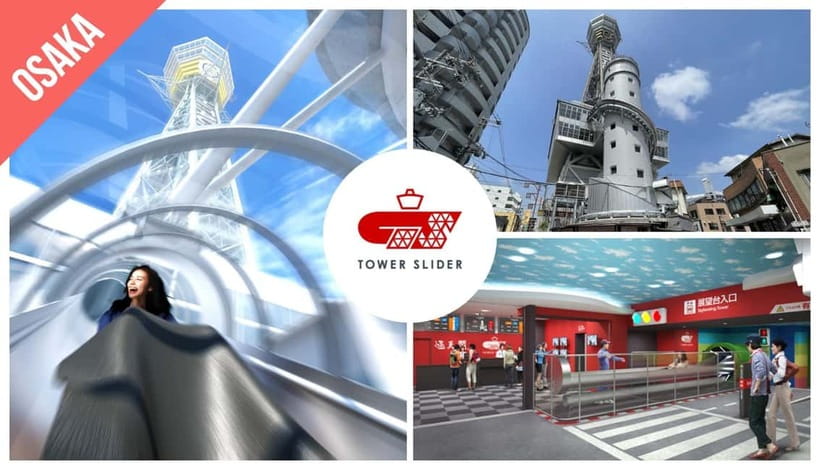
The big-picture highlights include Mount Yoshino for cherry blossom season and Mount Koya for its temple trails. Mount Koya is specifically described as a UNESCO World Heritage site, which is a strong signal that this is not meant to be a random day trip.
Here’s how to think about these two in a realistic way:
- Mount Yoshino: Great when the season hits, but don’t assume timing. If you’re traveling outside blossom season, you may still enjoy the hike-like scenery, but the signature reason to go changes.
- Mount Koya: This is more about temples and trail wandering than just views. It tends to reward slower pace and comfort with getting around between temple areas.
The pass’s wording suggests it’s meant to cover travel across Kansai, and these mountains fit the “adventure” theme. Just remember: your biggest limitation is still the pass’s structure. Unlimited fun only works if the specific transit lines and the redemption venues behave as expected.
If you want a day where you’re not bouncing between too many redemption points, Mount Koya can be that reset. It’s a chance to let the pass work in the background while the mountain does the talking.

The 3-or-6 Venue Access: Why Value Can Swing Hard
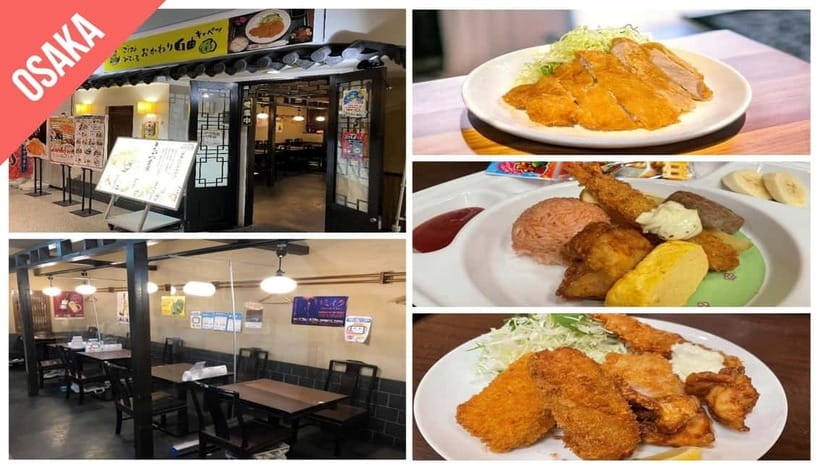
The included benefit is access to 3 or 6 participating venues in Osaka, Kyoto, and Kobe within 7 days. That’s the heart of the product.
If you can use multiple venues, you get a clear bargain. If you only manage one redemption, the math gets ugly fast. A common failure mode is arriving at the wrong type of place, misunderstanding what counts, or discovering a venue needs a reservation.
Even the information you have to work with warns that each facility can only be used once and re-entry isn’t allowed. That means you can’t treat a venue like a museum stop you return to later. You need to think like a checker: once you mark it, it’s done.
Also, the provider is GlobalTix JP, and passes like these often depend on staff at each venue knowing exactly how to redeem your version. That’s why the materials tell you to check facility details, business hours, and holidays in advance.
My practical advice: before you ever go, choose your likely 3 or 6 venues and write them down. Then build a route around those. If you don’t, the pass can feel like paperwork that never fully turns into travel time.
Transit: Trains, Buses, Ferries, and the Metro Reality Check
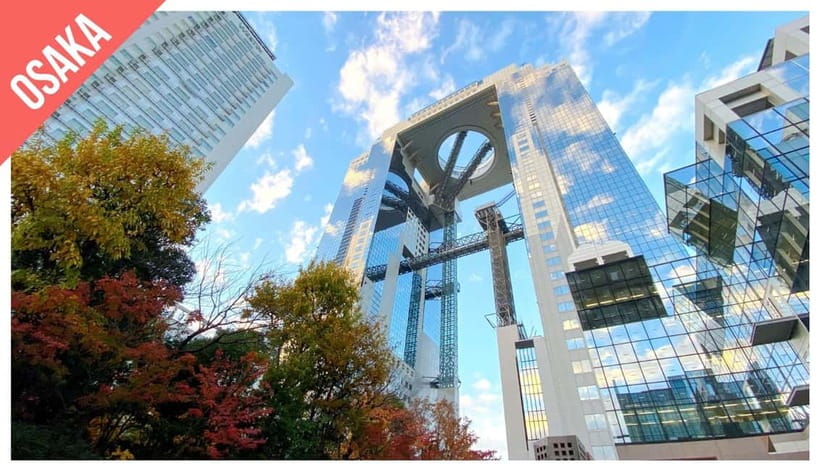
The highlights say you get unlimited travel on trains, buses, and ferries across Kansai. That’s appealing. It’s also exactly where confusion can happen with passes like this.
One clear thing from the pass description: the intention is broad regional movement. But you should still expect that not every line or system will accept it in the same way. The materials don’t spell out line coverage details here, so don’t plan your whole week on a single assumption.
Here’s what I’d do:
- Plan the biggest city-to-city hops with confidence (Osaka, Kyoto, Kobe are tightly linked)
- For anything outside that routine, verify the transit coverage for your specific connection
- Keep a backup plan in mind, like buying a separate ticket for one awkward segment if needed
If you’re relying on the pass as your only transportation budget, the pass needs to behave exactly as promised. If it doesn’t, you’ll quickly spend the money you hoped to save.
So yes, enjoy the idea of unlimited travel. Just travel like you’re also holding a Plan B.
The Date-Based Extras From 5/6 to 5/8
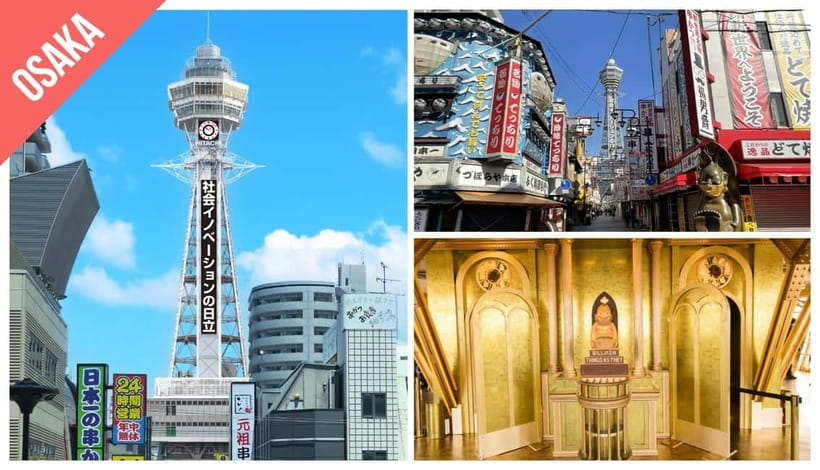
There’s a helpful “surprise” layer built into the pass info: date-specific coupons and ticket add-ons.
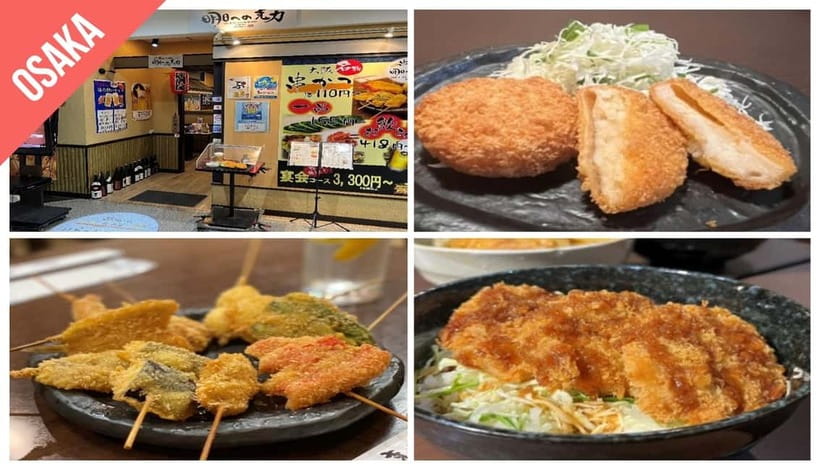
From 5/6, you can enjoy ¥1000 discount coupons at 13 stores. The list includes names like:
- Butcher Gyuhya Shinsaibashi
- Showa Horumon
- HAYA
- KODAWARI-TEI
Some require extra action:
- Tsuki To Suppon and Diving Shop KUROCHAN require reservations.
- Ikaruga-cho E-BIKE rental is listed as 2 hours for ¥3000.
- Lunch discounts include Traditional House Restaurant Felice Piccione.
From 5/7, you get access to the Nara Four Temples Tour Ticket. From 5/8, you can visit Kuniyasu Koji Sky Museum with an admission ticket.
This is where the pass can become a great value for the right traveler. If your trip dates match these windows, and you’re willing to make reservations where required, these coupons add up quickly.
If your trip dates don’t line up, or you dislike reservation-based plans, you may feel like the pass is missing pieces. Still, even if the dates don’t match, you can use the core venue access and build a tight Osaka-Kyoto-Kobe route.
Redeeming Fast: The Small Things That Decide the Big Outcome

This pass has a simple meeting-point rule: proceed directly to attractions, restaurants, and facilities in Osaka, Kyoto, and Kobe for redemption. That sounds easy. It is easy—until you arrive with the wrong expectations.
Here’s what matters most:
Check each facility’s details first. The pass materials specifically ask you to verify business hours and holidays. In Kyoto especially, a single closure can wipe out a redemption.
Treat redemption like a one-shot deal. Each facility can only be used once, and re-entry isn’t allowed. That means you should not plan to “stop by, decide later, and come back.” Decide, redeem, and move.
Reservations can be the dealbreaker. Some listed shops require reservations (Tsuki To Suppon and Diving Shop KUROCHAN). If you’re the type who likes to plan day-of, you’ll want to swap those kinds of stops out for more straightforward redemptions.
Keep your day order logical. If you redeem venues that are far apart without checking transit coverage, you can turn a cheap day into a costly scramble.
Who This Pass Suits Best (And Who Should Skip It)

This pass is best for travelers who:
- prefer self-guided exploration over set group tours
- want to focus on Osaka, Kyoto, and Kobe as their main base
- like using attraction lists and discount networks to control costs
- are comfortable checking hours and planning a route around redemption points
It’s also suitable for families since there’s no age limit listed, and it can work for adults and children.
It’s not ideal for you if:
- you hate planning and checking hours
- you want to roam freely without worrying about which lines count for transit
- you’re betting the entire savings on unlimited coverage working exactly like a normal transit pass
The $29 price tag is tempting, but with limited 3-or-6 venue access, the pass rewards organization. If you like structure, you’ll probably feel good about it. If you want total spontaneity, you might feel boxed in.
Should You Book the Have Fun in Kansai Pass?
Book this pass if you can answer yes to these questions:
- Can you realistically use multiple participating venues (3 or even 6) during your window?
- Are your dates compatible with the extra coupons and ticket add-ons starting 5/6, 5/7, and 5/8?
- Are you willing to check business hours and holidays for each redemption spot?
- Do you have a Plan B route if a specific transit connection doesn’t accept the pass as expected?
Skip it if you want an all-purpose card for every train ride and every attraction with zero homework. This pass can be good value, but only when the redemptions line up cleanly.
If you’re the careful planner type, you’ll likely like the freedom. If you’re hoping it acts like a universal ticket, you’ll probably end up frustrated and paying extra elsewhere.
FAQ
FAQ
How long is the Kansai Pass voucher valid?
It’s described as valid for 1 day, with starting times depending on availability. The included venue access is stated as usable within 7 days.
What’s included with the pass?
You get access to 3 or 6 participating venues in Osaka, Kyoto, and Kobe within 7 days.
Can I use each facility more than once?
No. Each facility can only be used once, and re-entry is not allowed.
Does the pass have an age limit?
No age limit is listed, so it’s suitable for both adults and children.
Where do I redeem the pass?
You proceed directly to attractions, restaurants, and facilities in Osaka, Kyoto, and Kobe for redemption.
What does the pass cover for transportation?
The highlights say it includes unlimited travel on trains, buses, and ferries across Kansai, but you should still verify how it works for your specific routes.
Is there a cancellation option?
Free cancellation is available up to 24 hours in advance for a full refund. After the pass has been redeemed or if it has expired, cancellations are not permitted. There’s also free cancellation if the voucher is not used within 270 days.