REVIEW · OSAKA PREFECTURE
Osaka Sushi Cooking Class
Book on Viator →Operated by MatchaExperience Osaka · Bookable on Viator
Sushi lessons in 90 minutes sounds too good. In Osaka’s Suita area, you’ll follow a chef-led flow that starts with sushi essentials and ends with Nigiri and Maki you shaped yourself.
I especially like the fast, hands-on structure, plus the small group size capped at 8. The class is also guided by instructor Kazuki Harada, who’s praised for being both friendly and professional.
One consideration: alcohol like sake or beer is not included, so if that’s part of your usual dining ritual, plan to keep it to water and green tea.
In This Review
- Key highlights to look for
- Why this Osaka sushi class works even with a packed day
- The 90-minute flow: sushi basics, then your first Nigiri
- Sushi basics you can use right away
- Nigiri shaping: the hands-on part
- A quick reality check
- Maki rolls: mastering the roll without losing the filling
- What you learn from rolling (even beyond sushi)
- Flavor pairing: wasabi, soy sauce, pickled ginger
- Tasting your own Nigiri and Maki (and sharing the results)
- Who this class fits best (and who might want something else)
- Price and value: what $78.04 gets you in the real world
- Meeting in Suita: finding the start point without stress
- Instructor Kazuki Harada: the energy behind the learning
- Should you book this Osaka Sushi Cooking Class?
- FAQ
- FAQ
- How long is the Osaka Sushi Cooking Class?
- What is included in the class price?
- Do I get to make both Nigiri and Maki?
- Where does the class meet in Osaka?
- Is alcohol included?
- How large is the class group?
- What is the cancellation policy?
Key highlights to look for
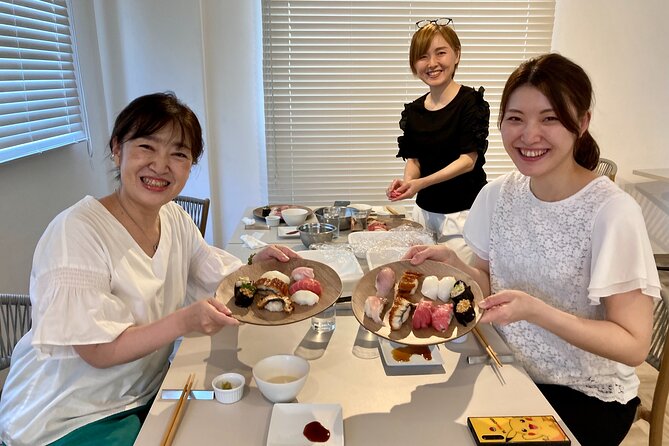
- Small class (max 8), which makes it easier to get help while your hands are still learning
- Nigiri + Maki practice, so you’re not stuck only learning one style
- Wasabi, soy sauce, and pickled ginger guidance, including how these flavors fit together
- Taste what you make, so the lesson ends with an edible payoff, not just photos
- Green tea and water included, a simple but welcome reset between steps
Why this Osaka sushi class works even with a packed day
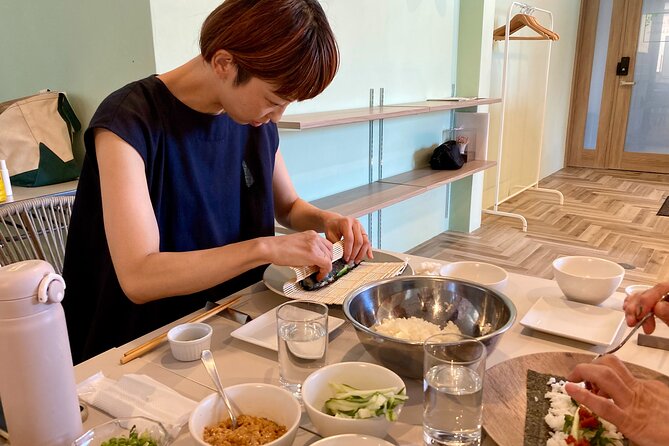
If you’re in Osaka and want something practical, this 1 hour 30 minutes format is a smart choice. Sushi can feel intimidating in real life, with rice texture, seaweed handling, and the pressure of making it look right. Here, you get a structured session that keeps you moving step-by-step, instead of spending your day wandering around cooking schools and hoping for the best.
I also like that it comes with a mobile ticket and a clear starting point. That matters because the easiest way to waste time in Japan is to arrive stressed. When the schedule is tight and the time window is short, having a simple entry process helps.
Is it perfect for everyone? It’s designed for all levels, from beginners to people who already love sushi. Still, if you want a long, slow culinary deep dive with lots of extra dishes, this is more of a focused class than a full-on feast.
You can also read our reviews of more tours and experiences in Osaka Prefecture.



The 90-minute flow: sushi basics, then your first Nigiri
The class starts with a welcome and an overview of what you’ll cover. That sounds basic, but it’s actually useful. Sushi has a few building blocks, and when you understand the role of each one, your mistakes make more sense. Instead of guessing why your rice is too sticky or your topping won’t sit right, you’ll know what the instructor is aiming for.
Sushi basics you can use right away
Next comes the building-block lesson: rice, seaweed, fillings, and condiments. The key is that sushi isn’t just one technique. It’s a balance of components that work together. When you learn what each element is supposed to do, the whole process clicks faster.
Then you move from explanation into action. You’ll create Nigiri, which is the classic bite where shaped rice becomes a base for toppings. This part is ideal if you’re a beginner because Nigiri doesn’t require rolling skills, and you can focus on shaping the rice and placing toppings accurately.
Nigiri shaping: the hands-on part
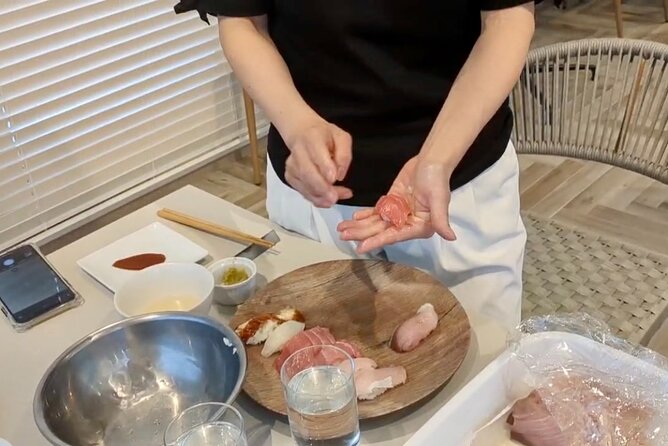
When it’s time to make Nigiri, your chef guides you through shaping rice and placing toppings. That means you’re not just watching someone else do it. You’re building muscle memory in a short time.
This is also where you’ll learn something important for taste: sushi is sensitive to proportion. Too much topping can overpower the rice; too little can make each bite feel thin. Even in a short class, getting that balance taught out loud helps you later when you try to recreate it at home.
A quick reality check
One reason this class feels valuable is that it ends with something you can evaluate. You don’t just learn technique; you see whether it worked when you eat it. That’s a big deal in food lessons, because you get feedback you can taste.




Maki rolls: mastering the roll without losing the filling
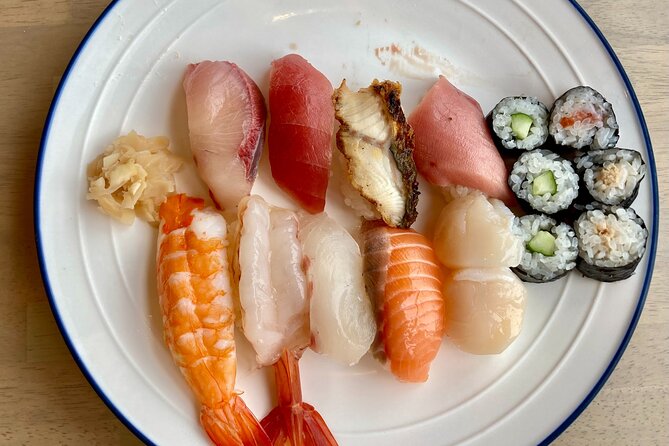
After Nigiri, the session shifts to Maki roll crafting. Rolling can look easy in videos, but it’s all hand control: keeping the layers even, managing seaweed, and getting the roll tight enough to slice cleanly.
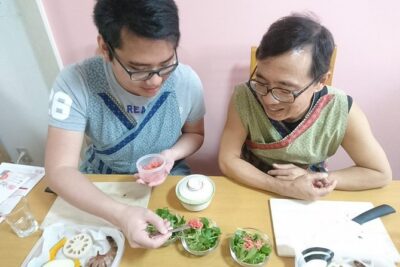
Here, you’ll be guided through the process with your chosen fillings. That creative choice matters. If you like a certain flavor combination, you get to aim for it instead of being stuck with something you don’t enjoy. It also keeps the energy up—when you’re making your own version, you’re more likely to pay attention to the technique.
What you learn from rolling (even beyond sushi)
Even if you never make sushi again, rolling teaches useful basics: consistency, gentle pressure, and patience. Sushi rolls don’t forgive sloppy handling, so the instructor’s guidance becomes your reference point. If your roll opens or your filling shifts, you’ll understand quickly what to adjust next time.
Flavor pairing: wasabi, soy sauce, pickled ginger
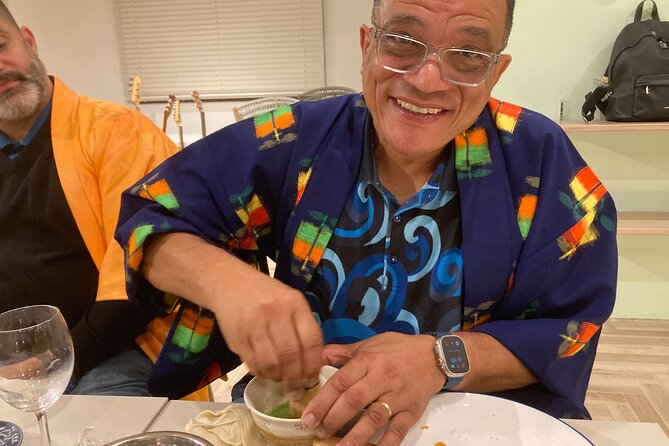
Between making and tasting, you also get flavor enhancement tips. The class covers how wasabi, soy sauce, and pickled ginger play key roles in enhancing the sushi experience.
This is one of the most practical parts of the whole lesson. Many people think you just add wasabi or drizzle soy sauce. The better approach is to use them with intention. Wasabi adds heat and aroma, soy sauce brings saltiness and depth, and pickled ginger resets your palate between bites. When you know what each element is doing, your sushi at home becomes more deliberate and less random.
Tasting your own Nigiri and Maki (and sharing the results)
This class isn’t complete until you taste what you made. You’ll sample your creations and share thoughts as part of the group experience. That tasting moment turns all the earlier steps into a real outcome.
I like this setup because you get to answer the question that matters most: Did the technique produce something that tastes good to you? Sushi is personal. Some people prefer a milder bite; others want stronger contrast between rice and topping.
You also get water and green tea during the experience. It sounds simple, but it’s a smart pairing. When you’re working with salty soy sauce and heat from wasabi, a plain drink helps keep you comfortable and lets you stay focused until the end.
Who this class fits best (and who might want something else)
This sushi class is built for all levels. If you’re a beginner, the structured progression from basics to Nigiri to Maki gives you a clear learning curve. If you’re already into sushi, you’ll still benefit from the specific guidance on shaping, rolling, and flavor balancing.
This is also a good option if you want an activity that feels like a true cultural skill rather than a generic food tasting. You’re not just eating sushi somewhere. You’re learning how it’s put together.
If you’re the type who wants lots of extra variations—different fish, multiple cooking methods, or a longer tasting menu—then you might prefer a longer workshop. The time is limited, so the class focuses on key techniques instead of covering everything.
Price and value: what $78.04 gets you in the real world
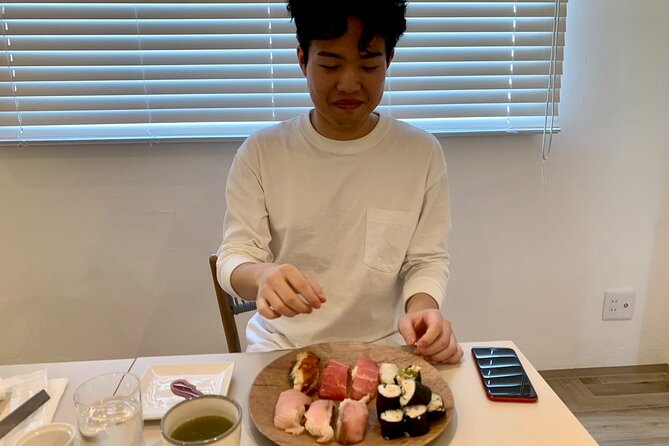
At $78.04 per person, the big question is value. In this case, the price makes sense if you think about what’s included and how much hands-on time you’re getting.
You receive:
- Ingredients
- Equipment
- Water and green tea
You’re also getting a guided lesson with practice and a tasting of your own work. That’s not nothing. For cooking classes, the cost usually covers staffing, instruction time, and the materials you’ll use up. Here, the class is short, but it still gives you a full workflow: learn the components, practice shaping and rolling, then eat what you made.
Another value factor: the class maxes at 8. Smaller groups often mean more direct attention, especially during the steps that are hard to self-teach. When you’re learning sushi rice handling and rolling control, that one-on-one guidance is the difference between frustration and progress.
Alcohol is not included, so if your ideal meal includes sake or beer, you’ll need to plan for that separately. But for a cooking workshop, water and tea are still a practical baseline.
Meeting in Suita: finding the start point without stress
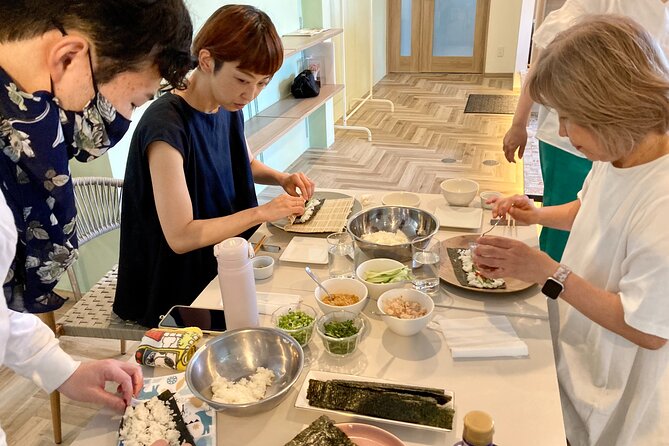
The class starts at 3-chōme-35-5 Tarumichō, Suita, Osaka 564-0062, Japan. The good news is it’s noted as near public transportation, which usually means you can keep directions simple and avoid long walks.
Because this is a short class, getting there on time really matters. If you’ve been bouncing around Osaka all day, I’d treat this as a “arrive early, settle in” activity. A few extra minutes prevent the nerves that can make fine motor tasks harder.
The good part: the activity ends back at the meeting point. That means you’re not stuck figuring out how to get to a different area after class while your hands are still smelling like seaweed and soy.
Instructor Kazuki Harada: the energy behind the learning
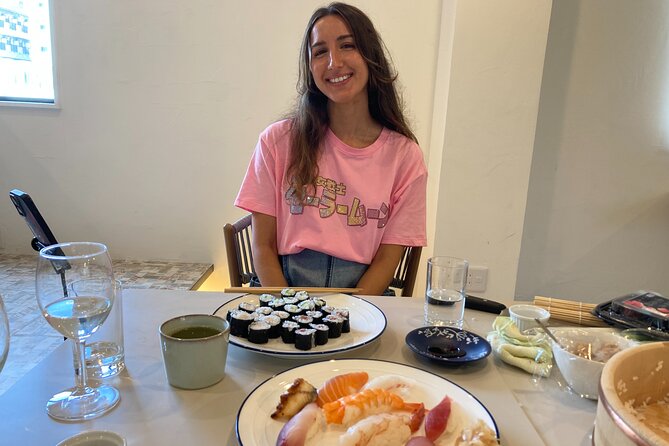
One of the strongest signals in the feedback is about the instructor. Kazuki Harada is described as having great personality and being professional. That matters more than people think in a hands-on class.
When the teacher is clear and personable, beginners feel safe asking questions. And when the instructor is professional, you’re more likely to get corrections that actually improve your results. Even one good tip about rice texture or roll tightness can save you from repeating the same mistake for the whole session.
There’s also a motivating outcome mentioned in the notes: some people leave feeling confident enough to make sushi for family and friends. That’s a useful benchmark. A class like this isn’t just about eating; it’s about leaving with skills you can repeat.
Should you book this Osaka Sushi Cooking Class?
Book it if you want a short, hands-on sushi lesson with both Nigiri and Maki, guided practice, and a tasting that lets you judge your results. It’s a great fit for beginners who want structure, and sushi fans who want more technique instead of only ordering.
Skip it (or consider a longer workshop) if you’re chasing a bigger, multi-course food experience or if you mainly want alcohol as part of the activity. This is instruction-first, with water and green tea doing the heavy lifting.
FAQ
FAQ
How long is the Osaka Sushi Cooking Class?
It’s about 1 hour 30 minutes.
What is included in the class price?
The class includes water and green tea, ingredients, equipment, and green tea.
Do I get to make both Nigiri and Maki?
Yes. The class includes creating Nigiri and Maki rolls.
Where does the class meet in Osaka?
The meeting point is 3-chōme-35-5 Tarumichō, Suita, Osaka 564-0062, Japan.
Is alcohol included?
No. Alcoholic beverages (such as sake or beer) are not included.
How large is the class group?
The activity has a maximum of 8 travelers.
What is the cancellation policy?
You can cancel for a full refund up to 24 hours in advance of the experience start time, and cancellation is free under that condition.