REVIEW · OSAKA
Osaka 2-Hour Genuine Kendo / Samurai Experience In Japan
Book on Viator →Operated by SAMURAI TRIP · Bookable on Viator
Kendo turns manners into movement. This Osaka experience takes you through the “why” and the “how” of kendo, with an English-speaking instructor guiding you step-by-step on etiquette, history, and spiritual focus—then moving into practical training so you leave feeling like you actually did the sport. I especially like the small-group size (max 7) and the step-by-step instruction that keeps first-timers comfortable. The main thing to consider is that you should be ready to sweat, and the tour asks for moderate physical fitness—hot weather can make that more intense.
You meet at Shigino Hall in Joto Ward, start at 10:00am, and the session runs about 2 hours with a mobile ticket. You’re not stuck hunting for gear either: the class includes all kendo equipment, plus bottled water and a souvenir towel, and there’s no hotel pickup or food included.
In This Review
- Key Highlights You’ll Care About
- A Real Kendo Lesson in Osaka (Not Just a Demo)
- What You’ll Learn: Spirits, Manners, and Core Moves
- Equipment, Water, and Why They Handle the Details
- The Sparring Portion: When Kendo Becomes Real
- Timing and Getting There: Shigino Hall at 10:00am
- Price and Value: Is $118.89 Fair for Two Hours?
- Who Should Book This Osaka Kendo Session
- Should You Book This Kendo Experience?
- FAQ
- Where is the meeting point for the kendo experience?
- What time does the tour start?
- How long is the experience?
- How much does it cost?
- Is hotel pickup or drop-off included?
- What’s included in the session?
- How many people are in the group?
- Is the location easy to reach using public transportation?
- What should my fitness level be?
- What is the cancellation policy?
- Is food included?
Key Highlights You’ll Care About
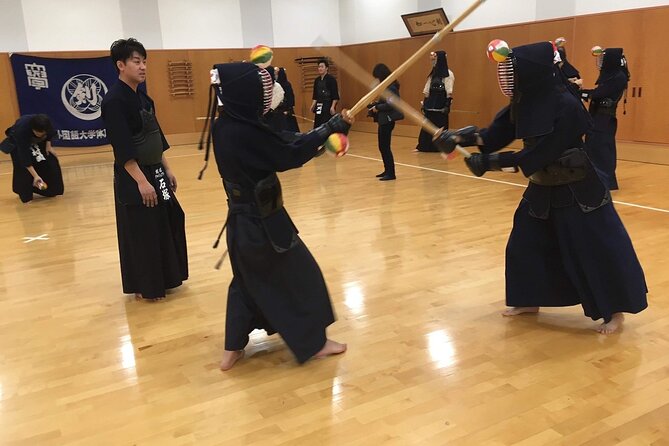
- Max 7 people means more coaching time and less waiting your turn
- English instruction that stays practical helps you follow fast even if you’re new
- Etiquette and culture built into the lesson so you understand what you’re doing
- Beginner-friendly pacing that still ends with hands-on sparring practice
- Protective gear and a real workout by the end of the 2 hours
- Everything provided (equipment, water, towel) so you travel light
A Real Kendo Lesson in Osaka (Not Just a Demo)
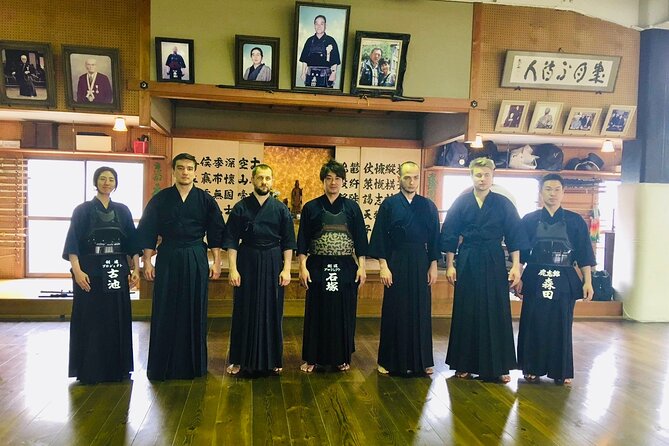
If you want a true taste of Japanese martial culture, this is the kind of activity that makes sense. Kendo isn’t about flailing. It’s about form, discipline, and respect—things you can’t fully grasp from watching a match on YouTube. In this 2-hour session in Osaka, you practice the sport while also learning how kendo is connected to Japanese history and etiquette, not just winning or competitiveness.
What makes this feel “real” is the teaching style. The class is built for learning in layers: manners first, basic core moves next, and then the training becomes more interactive as the session goes on. It’s a structure that works well for travelers because you’re not guessing what to do. The instructor keeps the pace manageable and uses encouragement to help you settle in quickly.
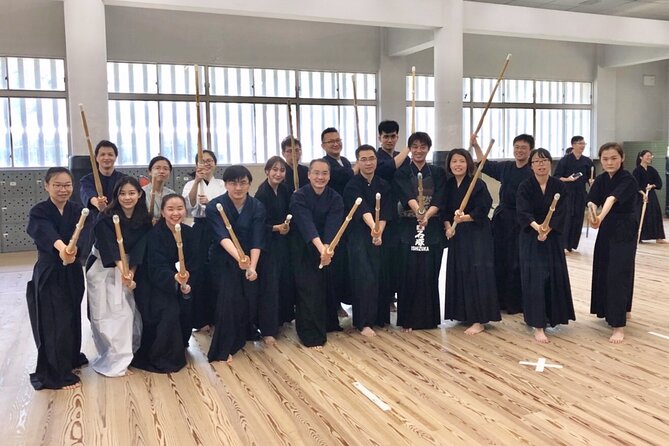
And since the group is small—up to 7—you’re not lost in the crowd. You tend to get more personal attention, which matters in a sport where stance, distance, and safety all interact. If you’re going solo, you still won’t feel abandoned; the format is designed to keep you engaged throughout.
The biggest practical consideration is physical. You should have moderate fitness. Kendo is cardio in protective gear, with footwork and repeated movement. If you’re coming from a long day of walking in Osaka, give yourself a little recovery time before class.
You can also read our reviews of more tours and experiences in Osaka


What You’ll Learn: Spirits, Manners, and Core Moves
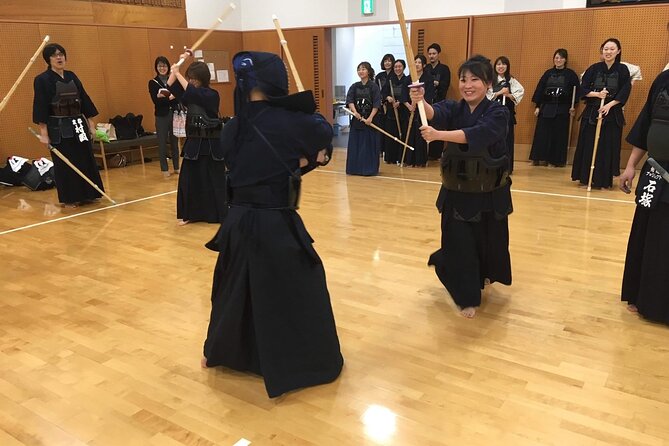
This class goes beyond basic technique. You’ll practice around three learning themes: unify your spirits, manners, and lifelong kendo. In plain terms, that means you get instruction that connects mindset and etiquette to the physical actions.
Here’s what that looks like while you’re training:
- You learn the etiquette side of kendo—how you approach practice with respect and self-control.
- You work on core moves and fundamentals, with the instructor guiding you so the basics click rather than feel random.
- You hear the history and cultural background of kendo, which helps you understand why the sport has so many rules and rituals.
I like this setup because it makes your movements feel meaningful. When a sport explains its purpose, you start paying attention to details you’d otherwise ignore. For example, manners aren’t a boring add-on. In kendo they shape how you step, how you respond, and how you treat your partner. Once you understand that, the practice feels less like a stunt and more like training with a system.
You might also be taught by instructors such as Hiroki or Yama, who have been named in past sessions. The consistent theme across teaching styles is clear: the instructor aims to make the experience easy to follow in English while still keeping the content authentic to kendo’s structure.
Equipment, Water, and Why They Handle the Details
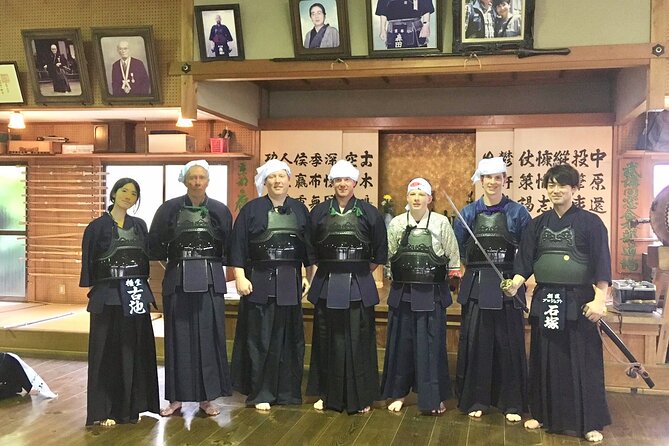
One reason this experience is good value is how little you have to plan. You don’t need to bring anything complicated for the physical side. The tour includes all kendo equipment, plus bottled water and a souvenir towel.
That matters more than it sounds. If you’ve ever tried a hands-on activity in a new country, the hardest part can be logistics: figuring out what gear you need, whether it fits, and where to get it. Here, you show up and the equipment is already part of the session.
The lesson also includes time where you wear protective gear during practice. That’s a big deal for comfort and safety, especially for beginners who don’t yet know how hard a partner’s strike might land. The training is structured so you start with fundamentals and gradually work toward more sparring-like interactions.
If you’re a light packer, you’ll appreciate this. You can focus on getting to the meeting point, dressing appropriately, and arriving with the energy to train for two hours.
The Sparring Portion: When Kendo Becomes Real
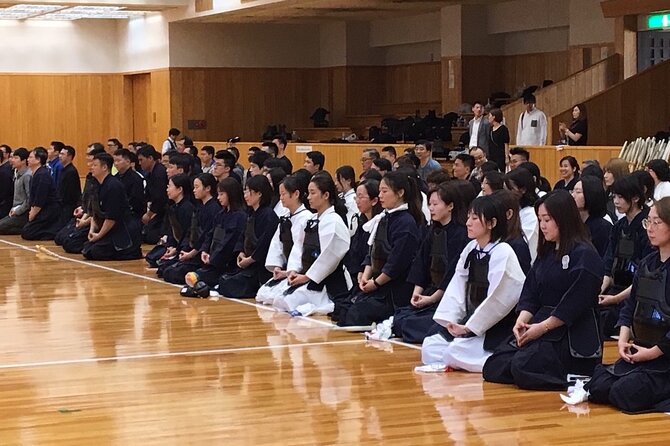
The highlight of many martial arts classes is the moment things move from drills to interaction. Here, that transition happens by the end of the session. You’ll build up from basic and core moves into short battles and sparring practice.
That end-of-class payoff is what makes this worth doing. Watching kendo is one thing. Practicing even a simplified version is another. By the time you reach the sparring segment, you understand the rhythm: stance, footwork, timing, and how etiquette guides your actions.
Two things stand out from how the class has been delivered:
- Instructors keep it encouraging, so you don’t feel embarrassed trying something new.
- You get guided pacing, including enough structure that you can actually participate rather than just stand around.
Be ready for the workout. Kendo is not a slow sport. Even at an introductory level, repeated movement and focus in protective gear can leave you sweating. If you’re visiting in summer, this is especially important—hot weather can amplify how exhausting it feels. Still, if you want a memorable activity that gets both your body and mind engaged, this is a strong fit.
Timing and Getting There: Shigino Hall at 10:00am
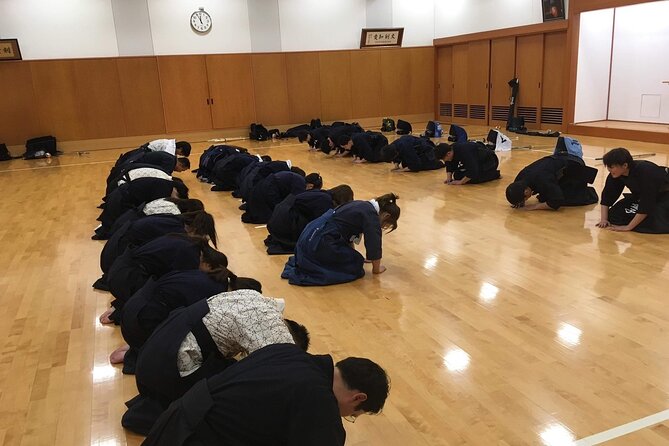
This is a straightforward, no-fuss format. The meeting point is Shigino Hall in Osaka (Joto Ward, Shiginonishi), and the start time is 10:00am. The tour ends back at the meeting point, so you’re not coordinating a complex transfer afterward.
Two practical notes:
- There’s no hotel pickup or drop-off, so plan to get there on your own using local transit.
- The meeting point is near public transportation, which is ideal when you’re juggling other Osaka plans.
I like that this fits well into a travel schedule. A 2-hour class at mid-morning can slot neatly between neighborhood exploring and lunch. If you’re the type who likes doing one active thing per day—rather than a full day of museum hopping—this works.
If your day is already packed, try not to schedule it right after a long, tiring walk. You’ll enjoy the experience more when your legs aren’t dead tired.


Price and Value: Is $118.89 Fair for Two Hours?
At $118.89 per person for about 2 hours, this isn’t a budget activity. But it also isn’t priced like a sightseeing ticket where you stand and watch. You’re paying for coaching, hands-on training, and the equipment setup.
Here’s what you get for the money, based on what’s included:
- All kendo equipment
- Bottled water during the session
- A free souvenir towel
- An English-speaking instructor who teaches etiquette, history, and fundamentals
- A small-group format (up to 7), which increases attention and reduces downtime
I think the value comes from the combo: personal instruction plus real participation. If you’ve tried other cultural experiences in Japan that only give you a short introduction, you know how quickly they can feel thin. This class keeps you moving and practicing long enough to build actual comfort, then brings you into sparring practice by the end.
Is it worth it? For travelers who want an authentic cultural sport experience—one that teaches you how kendo works and why it matters—it’s a fair deal. If you’re looking for something purely passive, this won’t be your match.
Who Should Book This Osaka Kendo Session
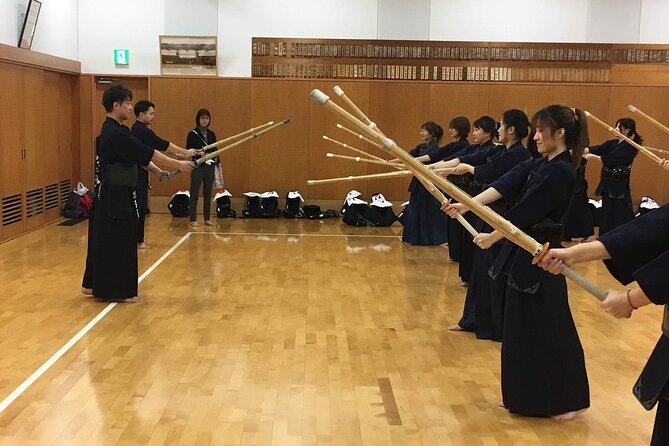
This experience is a great fit if you:
- Want a beginner-friendly martial arts intro that includes etiquette and culture, not just physical moves
- Prefer small groups where the instructor can adjust pacing
- Like activities where you finish feeling accomplished rather than just “having watched”
- Want a workout that’s different from walking, running, or gym training
You should think twice if you:
- Don’t do well with physical exertion (the tour asks for moderate fitness)
- Are sensitive to heat (summer sessions can be tough because you’re training in protective gear)
- Expect hotel pickup or a food break (neither is included)
A nice bonus: the class has worked for pairs and even solo travelers, and the small-group environment helps keep it comfortable. If you’re traveling with a friend, it can feel even more fun because you can compare what you’re learning and encourage each other.
Should You Book This Kendo Experience?
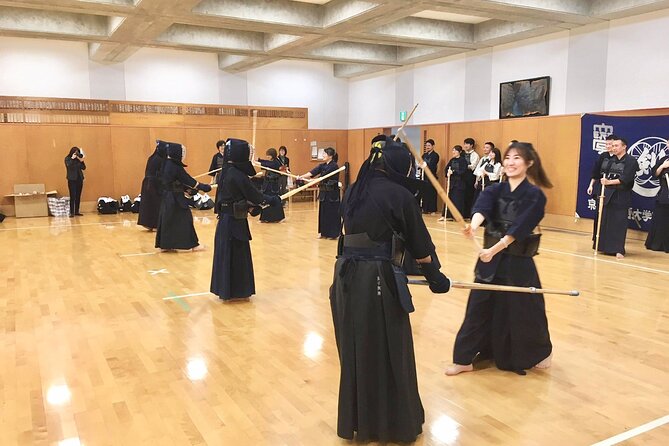
Yes, if you want a hands-on, culturally grounded introduction to kendo in Osaka, and you’re comfortable doing a moderate-intensity workout in gear. The small-group format, English instruction, and the end-of-class sparring make it feel like a real training session—not a staged performance.
I’d skip it only if you’re looking for a relaxed, low-effort activity, or if you can’t meet the moderate physical fitness expectation. Otherwise, this is one of the more memorable ways to experience Japanese martial culture in a short amount of time.
FAQ
Where is the meeting point for the kendo experience?
The class meets at Shigino Hall, 536-0014 Osaka, Joto Ward, Shiginonishi, 1-chōme 1811 町立鴫野会館.
What time does the tour start?
The start time is 10:00am.
How long is the experience?
The duration is about 2 hours.
How much does it cost?
The price is $118.89 per person.
Is hotel pickup or drop-off included?
No. Hotel pickup and drop-off are not included.
What’s included in the session?
You get all kendo equipment, bottled water, and a free kendo towel.
How many people are in the group?
The class has a maximum of 7 travelers.
Is the location easy to reach using public transportation?
Yes. The meeting point is near public transportation.
What should my fitness level be?
The experience is geared toward travelers with a moderate physical fitness level.
What is the cancellation policy?
You can cancel for a full refund if you cancel up to 24 hours in advance of the experience start time. If you cancel less than 24 hours before, the amount paid is not refunded.
Is food included?
No. Food is not included.