REVIEW · OSAKA
Osaka: Nara, Todaiji, Uji Matcha, and Hot Spring Tour
Book on Viator →Operated by TREVOPEDIA · Bookable on Viator
One day, two UNESCO-worthy stops, plus hot springs. This Osaka to Nara and Uji tour lines up famous sights with real downtime, including time for Uji matcha and an onsen at Genji-no-Yu. It’s a smart way to pack in highlights without getting lost in train transfers.
I especially like the mix of Nara Park deer time and the big, unmistakable scale of Tōdai-ji’s Great Buddha. You also get a clean payoff at the end of the day with the Uji Natural Hot Spring experience, which turns a long itinerary into something you’ll actually feel afterward.
The main consideration: the day is long (about 8–9 hours with transit), and several stops involve ticketed highlights that aren’t included in the price. If you’re hoping to linger everywhere, time can feel tight—especially on a cold morning.
In This Review
- Quick takes before you go
- Why Nara and Uji belong in one day
- Morning logistics from Osaka: the 8:30 start matters
- Nara Park: deer time plus the best shoe plan
- Tōdai-ji Temple: see the Great Buddha, then don’t rush your eyes
- Kasuga-taisha: a calmer stop with strong character
- Uji: matcha tasting time and the Phoenix Hall payoff
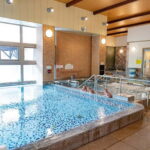
- Genji-no-Yu hot spring: your long-day reset
- Price and value: $81 only works if you plan the paid tickets
- Who this tour is best for (and who should reconsider)
- Should you book the Osaka–Nara–Uji matcha and onsen tour?
- FAQ
- How long is the tour?
- What time does the tour start?
- Where do you meet for the tour?
- What’s included in the price?
- Are tickets for Tōdai-ji and Kasuga-taisha included?
- Is admission to Nara Park included?
- Are Byōdō-in and the Tale of Genji Museum tickets included?
- How much is the hot spring admission?
- What restrictions are there for tattoos and minors?
- Is free cancellation available?
Quick takes before you go
- Nara Park + deer etiquette: Sacred deer roam the park, so you’ll want calm hands and steady walking.
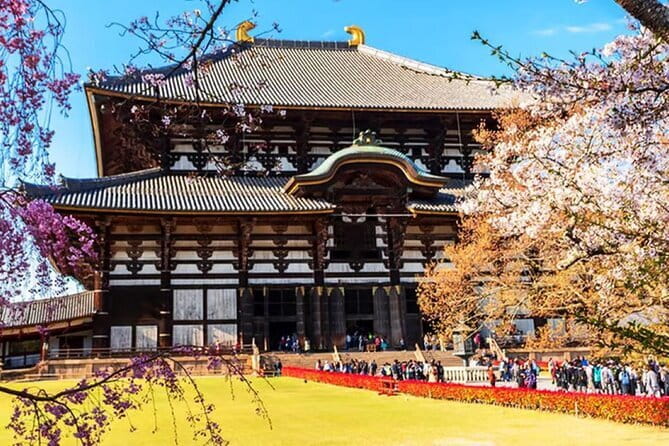
- Tōdai-ji scale: The Great Buddha at Daibutsu Hall is a wow moment, even with limited time.
- Kasuga-taisha atmosphere: A different kind of sacred site, tied to the Fujiwara tradition.
- Uji matcha focus: This is not a drive-by; you’ll have a couple hours to slow down and try tea.
- Genji-no-Yu hot spring reset: After temple time, the onsen feels like a hard-earned reward.
- Long day reality: Footwear matters, and winter can make “waiting in lines” feel longer.
Why Nara and Uji belong in one day
This tour makes a practical route: Osaka out to Nara, then onward to Uji in Kyoto Prefecture, ending with an onsen soak. It’s designed for people who want the big-name sights—like the Great Buddha and Byōdō-in’s Phoenix Hall—without spending your day stitching together multiple local trains.
The best part is the flow. Temples and shrines take a lot of mental bandwidth. Nara Park does something different: it’s open air, wide paths, and that playful deer factor. Then Uji brings a calmer pace with tea culture. Finally, Genji-no-Yu lets you cool down—or warm up, depending on the season—in natural hot spring baths.
You can also read our reviews of more tours and experiences in Osaka

Morning logistics from Osaka: the 8:30 start matters
You meet at 1-chōme-3 Nipponbashi Parking, starting at 8:30 am. That early start is what makes the schedule possible. With an 8–9 hour total duration (including transit), you’re committing to a full day, not a quick tour.
The good news: you’re in an air-conditioned vehicle with a multilingual guide and driver. That reduces decision fatigue—no figuring out which station, which platform, or which transfer. The vehicle also helps if you’re traveling with family and want everyone walking the same direction.
Still, plan your day around the early departure. If you’re even slightly late, you’ll feel it, because every minute is already assigned to specific stops.
Nara Park: deer time plus the best shoe plan

Your first stop is Nara Park, with about 1 hour 20 minutes there. The big draw is obvious: deer roam freely in the park, and they’re treated as sacred and protected. This is one of those places where your “I’m just taking photos” plan can turn into a slow shuffle—because the deer have zero respect for your schedule.
What you’ll enjoy most here is the contrast. You’re not in a dense indoor temple complex. You’re walking under trees, along park paths, and you can watch deer behavior without the tight pacing of a museum. If you’ve never seen deer up close in a public park setting, it’s memorable in a very simple, direct way.
Bring comfortable shoes. The park is outdoors and walking adds up fast. One recurring theme from people who rate this tour highly is how important good footwear is, especially when the weather is cold and you can’t just warm up quickly indoors.
Tōdai-ji Temple: see the Great Buddha, then don’t rush your eyes
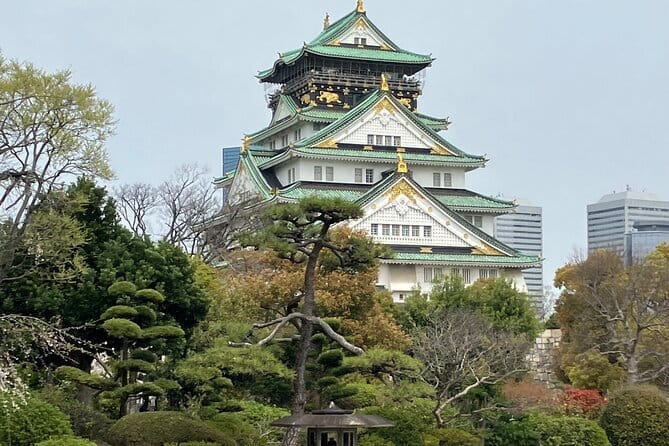
Next is Tōdai-ji Temple, about 40 minutes. It’s known for the Great Buddha (Daibutsu)—a massive bronze statue tied to the Vairocana Buddha, standing 15 meters tall. Even if you only get a short visit, this is the kind of sight that hits instantly when you’re standing in the right space.
A key point: the Tōdai-ji entry ticket is not included. So you’ll want to budget extra time and money for that stop if you care about going in fully. With only 40 minutes, your decision matters: do you want the inside experience at Tōdai-ji, or do you want more time outdoors and photo breaks?
Also, don’t underestimate how long it can take to move as crowds gather. If your pace is slow—no problem—just accept that you’ll have less wiggle room for extra viewpoints in this same stop.
Kasuga-taisha: a calmer stop with strong character
You then visit Kasuga-taisha, also about 40 minutes. This is a Shinto shrine founded in the 8th century and dedicated to Futsunushi no Mikoto, described as the protector of the Fujiwara clan. It’s a different vibe from Tōdai-ji: smaller in scale than the Great Buddha moment, but rich in atmosphere and ritual.
The important practical detail here is that Kasuga-taisha entry is not included either. In a tight day, that can affect how much you actually see. If you want the full shrine experience, plan to pay and move efficiently.
Why this stop is worth it: it changes the rhythm. Instead of another “big statue” stop, you get a shrine setting that slows you down and makes you pay attention to details in the environment.

Uji: matcha tasting time and the Phoenix Hall payoff

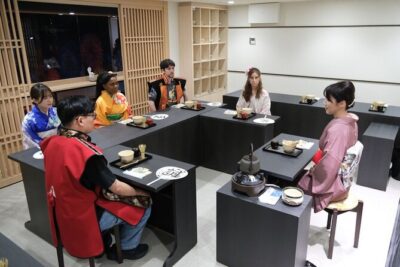
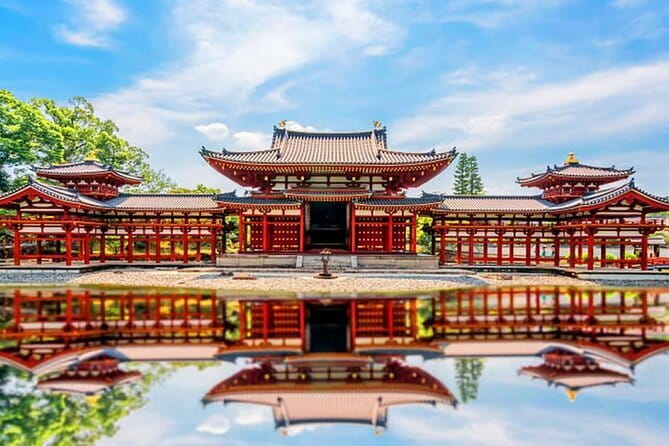
After Nara, you head to Uji, with about 2 hours 20 minutes planned there. Uji is famous for Uji matcha, and this stop gives you enough time to actually taste and choose something instead of grabbing a drink on the run.
The tour also aims to get you to Byōdō-in Temple, including the iconic Phoenix Hall (a UNESCO World Heritage Site). This part is the big “ticket and timing” question because Byōdō-in and related sights like the Tale of Genji Museum have extra entry costs listed as not included.
Here’s how I’d approach Uji: if matcha is your priority, use the early portion of your Uji time for tea. If Byōdō-in is your priority, don’t wait until you’re already low on time to line up for tickets. The schedule is built to fit both, but you can still end up feeling rushed if you treat every moment as optional.
Uji is also a nice place to people-watch. Even without inventing a specific shopping plan, you’ll likely see tea-related storefronts and traditional-feeling streets that make the “slow down” message real.
Genji-no-Yu hot spring: your long-day reset
The day ends at Uji Natural Hot Spring Genji-no-Yu. The itinerary includes time here, including about 1 hour 20 minutes where the hot spring admission is indicated as included in one part and free in another. To stay practical, treat this as an onsen time slot you’ll need to confirm at check-in, because the tour’s “not included” list shows hot spring entry around $10.
What you can count on: this is a relaxation stop after temple walking and sightseeing time. That matters more than people think. On a day like this, the onsen is what turns “a list of attractions” into an experience you feel in your body.
One more practical note: the tour data says visible tattoos are not allowed. If you have tattoos you might want covered, check the facility’s expectations ahead of time, because rules like this can be strict.
Price and value: $81 only works if you plan the paid tickets
At $81 per person, the value here is not just the transport—it’s what the transport buys you. You get round-trip transportation from Osaka, air-conditioned vehicle, and a multilingual guide and driver. You also start with Nara Park, where the admission ticket is listed as included.
What’s not included is where your total spending will quietly change. The entry tickets for Tōdai-ji, Kasuga-taisha, Byōdō-in, Tale of Genji Museum, and hot spring access (about $10) aren’t included. Add food and drinks, too.
So here’s the honest math: this tour is a good deal when you were already going to see the big sights anyway and you want help managing the route. If you only plan to do part of the ticketed attractions, the price can feel less “all-in.”
And one more thing: meals are not listed as included. If you’re used to tours that hand you food, plan to buy it during Uji or in transit. Build in that budget so you’re not stressed when hunger hits.
Who this tour is best for (and who should reconsider)
This works well for people who want a packed, organized day with a guide, especially families who can handle walking but still appreciate the convenience of one vehicle and set stops. Nara Park’s deer are a kid-friendly spectacle, and the onsen is a payoff adults appreciate after a long day.
It’s also a decent fit for first-timers who want the Osaka area’s “classic highlights” in one go: Nara Park, Tōdai-ji, Kasuga-taisha, Uji matcha, and Byōdō-in’s Phoenix Hall.
Consider reconsidering if you’re the type who needs lots of unstructured time at each attraction. The stops are time-boxed—40 minutes at Tōdai-ji and Kasuga-taisha, and a finite block for Uji—so you’ll want to prioritize what matters most and be ready to move when the group moves. Cold weather can also make short waits feel longer, and you’ll be walking more than you might expect.
Finally, if you have tattoos or you’re traveling with unaccompanied minors, note that the tour has limits listed in the experience rules.
Should you book the Osaka–Nara–Uji matcha and onsen tour?
If your goal is to hit the big sights efficiently—Great Buddha at Tōdai-ji, sacred deer in Nara Park, tea culture in Uji, and an onsen finish at Genji-no-Yu—this is a strong match. The price can be fair because you’re paying for transport and guidance, not just admission stamps.
I’d book it if you:
- Want a one-day plan that avoids train wrangling from Osaka
- Are comfortable with a long day and pre-deciding what matters most
- Plan to budget separately for ticketed attractions, food, and drinks
- Can walk comfortably and bring good shoes
I’d hesitate if you:
- Expect meals to be fully handled for you
- Need extra time at Tōdai-ji, Kasuga-taisha, Byōdō-in, or the Tale of Genji Museum beyond what a timed stop allows
- Have visible tattoos or are traveling with a minor who isn’t accompanied
If you go in with that mindset, you’ll likely love the mix: sacred sights, a charming tea stop, and a real way to recover at the hot springs.
FAQ
How long is the tour?
The duration is about 8 to 9 hours, including transportation time.
What time does the tour start?
It starts at 8:30 am.
Where do you meet for the tour?
You meet at 1-chōme-3 Nipponbashi Parking, 1-chōme-3 Nipponbashi, Chuo-ku, Osaka 542-0073, Japan.
What’s included in the price?
Included are round-trip transportation from Osaka, travel by an air-conditioned vehicle, and a multilingual guide and driver.
Are tickets for Tōdai-ji and Kasuga-taisha included?
No. Entry tickets for Tōdai-ji and Kasuga-taisha are listed as not included.
Is admission to Nara Park included?
Yes. Nara Park admission ticket is listed as included.
Are Byōdō-in and the Tale of Genji Museum tickets included?
No. Entry ticket to Byōdō-in and the Tale of Genji Museum are listed as not included.
How much is the hot spring admission?
Hot spring entry is listed as around $10 and is not included.
What restrictions are there for tattoos and minors?
Visible tattoos are not allowed, and unaccompanied minors are not allowed.
Is free cancellation available?
Yes. You can cancel up to 24 hours in advance for a full refund.