REVIEW · OSAKA
All Inclusive Kuromon Markets Tour: Flavors Of Osaka
Book on GetYourGuide →Operated by Osaka Food Tours, Inc. · Bookable on GetYourGuide
Two hours, and your Osaka palate wakes up. This All Inclusive Kuromon Markets Tour: Flavors Of Osaka is all about tasting your way through one of Japan’s best-known food zones, with a guide helping you order and understand what’s on the counter. I like that it’s built around an actual market visit, not a “look at the souvenirs” walk.
What I really like is the all-in tasting format: you’ll get 5–7 dishes and 3–4 tastings in just two hours, including both savory staples and a sweet finish. I also like the way the guides handle the friction of real market menus, since most stalls don’t speak English and some menu writing can be hard even if you read Japanese.
One thing to consider: this isn’t a vegan-friendly tour, and the food choices skew seafood-focused. If you’re sensitive to strong smells (or you just know you won’t want fish and shellfish), you may want to pick a different Osaka food experience.
In This Review
- Key Things That Make This Tour Work So Well
- Meeting At Nipponbashi Exit 6 With a 2pm-Exact Start
- Kuromon Market: 200+ Years of Food Culture, Right Where You Walk
- The 2-Hour Tasting Game Plan: 5–7 Dishes, 3–4 Tastings
- What You’ll Actually Eat (And How It Fits Together)
- Guide Power: English Support When Menus Are Handwritten
- Small Group Comfort: Limited to 9 People in a Tight Market
- Included Souvenirs: Japanese Knives and Tableware
- Timing Tips: How to Not Miss Your Spot
- Price and Value: What You’re Paying For at $61
- Who This Tour Suits Best
- A Balanced Reality Check: The Seafood-Focused Nature
- Should You Book Flavors Of Osaka?
- FAQ
- Where is the meeting point for the Kuromon Markets Tour?
- What time should I arrive?
- Is there hotel pickup?
- How much food is included?
- Will the guide help me order since vendor menus may be in Japanese?
- Is this tour suitable for vegans or pregnant women?
- Ready, Set, Eat
Key Things That Make This Tour Work So Well
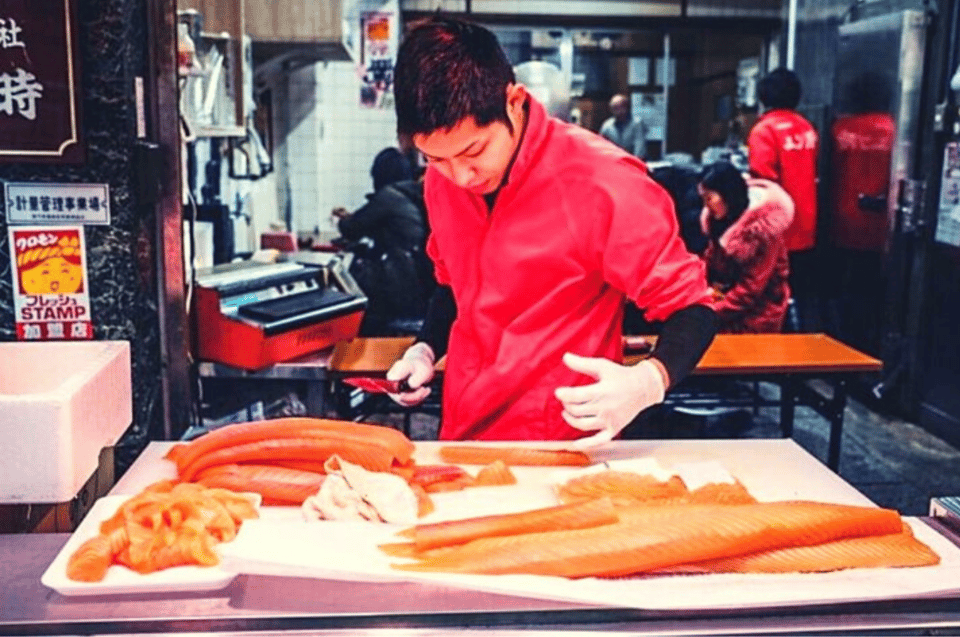
- 5–7 dishes plus 3–4 tastings means you actually eat like a local, not just “sample forever.”
- Kuromon Market, covered and vendor-run gives you that authentic market atmosphere under one roof.
- Your guide orders for you when handwritten menus and zero English stall signs turn planning into stress.
- Seafood + Osaka snacks + sweets keeps the meal balanced across two hours.
- Take-home goodies: unique Japanese knives and tableware souvenirs are included.
Meeting At Nipponbashi Exit 6 With a 2pm-Exact Start
This tour starts at 2pm sharp, and the clock matters. Your meeting point is Nipponbashi station, exit 6, at the top of the stairs. Show up early—think 1:45–1:50—because it’s a short tour and there’s no catching up once it begins.
There’s also no hotel pickup, which is usually a plus if you’re staying near transit. It keeps the tour from wasting time on routing and lets you spend that energy inside the market where the action (and smells) are.
If you hate being rushed, just plan your route the night before. This one is short enough that any wrong turn turns into a missed start.
You can also read our reviews of more tours and experiences in Osaka.



Kuromon Market: 200+ Years of Food Culture, Right Where You Walk
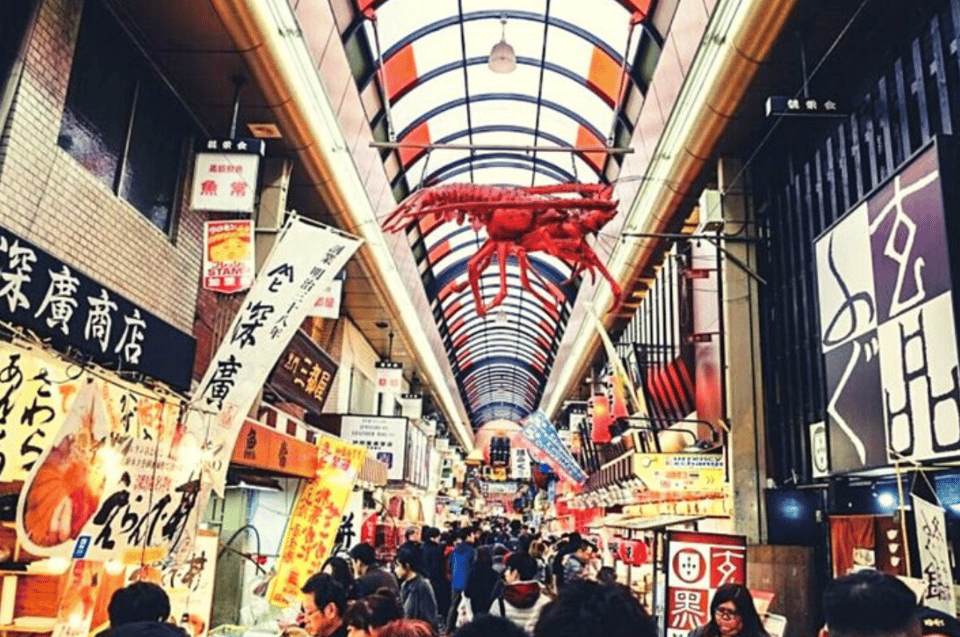
Kuromon Market isn’t a theme park version of food. It’s a culturally significant food district in Osaka with a covered layout, lively vendors, and a history that goes back more than 200 years.
That matters because you’re not only eating; you’re reading the place with your senses. The market gives you the visual rhythm of Japanese fish and produce stalls—plus the practical reality of ordering from vendors who have done this for generations.
Your guide adds the context you won’t easily find on your own: why certain foods are popular here, how the market works, and what to look for when ingredients look “simple” but taste completely different. It’s the difference between eating random bites and learning how the market thinks.
The 2-Hour Tasting Game Plan: 5–7 Dishes, 3–4 Tastings
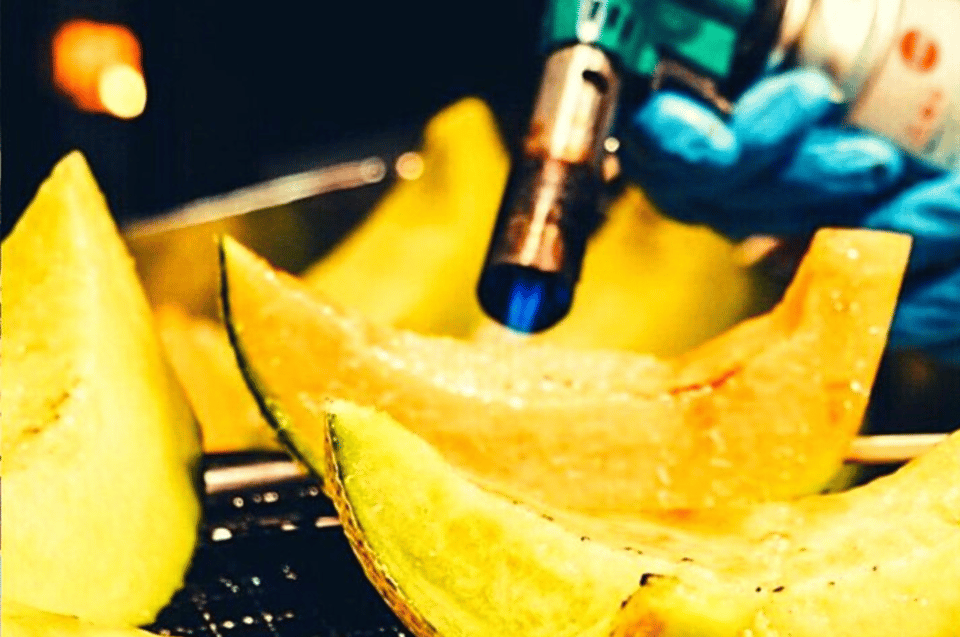
This tour is built around a tight food schedule, so you don’t leave hungry. Expect 5–7 dishes and 3–4 tastings, with both local favorites and specialty items.
Your tastings are designed to cover different textures and flavor styles in a short window. You might start with something like a seafood bite and then move into a cooked snack, then finish with something sweet like mochi.
Even better: because it’s an organized tasting, you’re less likely to spend money chasing “the one thing” that someone online recommended. You can try several choices that a guide knows work together as a meal.
What You’ll Actually Eat (And How It Fits Together)

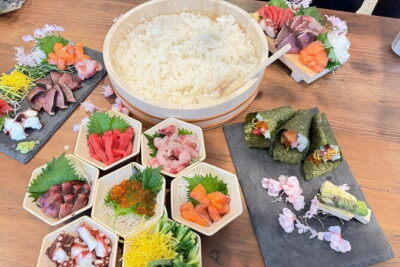
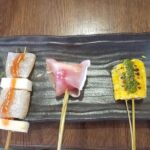
The menu isn’t one endless seafood parade, but seafood is a big part of the picture. The tour description lists examples including scallops, gobo tempura, tuna sashimi, okonomiyaki, and cherry blossom red bean mochi, plus samplings like green tea, pickled vegetables, dried fish, and wasabi beans.
Here’s how that combo can feel in practice:
- You get raw and lightly prepared flavors (like tuna sashimi and scallops), so you notice how fresh seafood tastes.
- You get hot, fried, or batter-based snacks (like gobo tempura), which changes the texture and makes the meal more filling.
- You get an Osaka classic like okonomiyaki, so you’re not stuck only in seafood categories.
- You finish with sweets and tea—cherry blossom red bean mochi and green tea—so you’re not stuck washing savory bites with plain water.
One review detail you should take seriously: this is a famous fish market, so most of what you try (with the exception of sweets) will likely be fish or seafood. If you’re okay with that, you’ll probably love how focused the experience is. If you aren’t, it can feel narrower than you expected.
Guide Power: English Support When Menus Are Handwritten
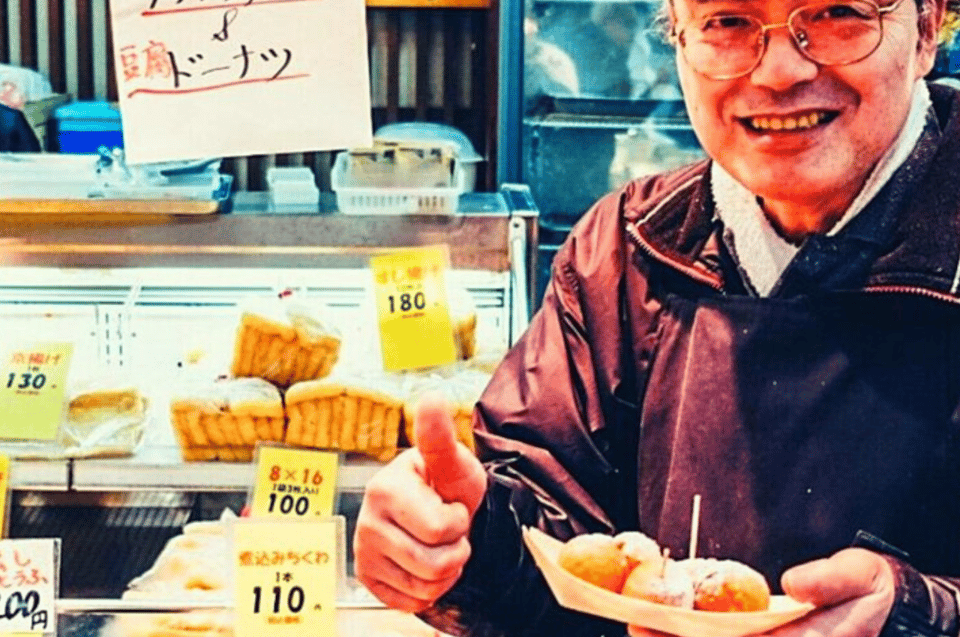
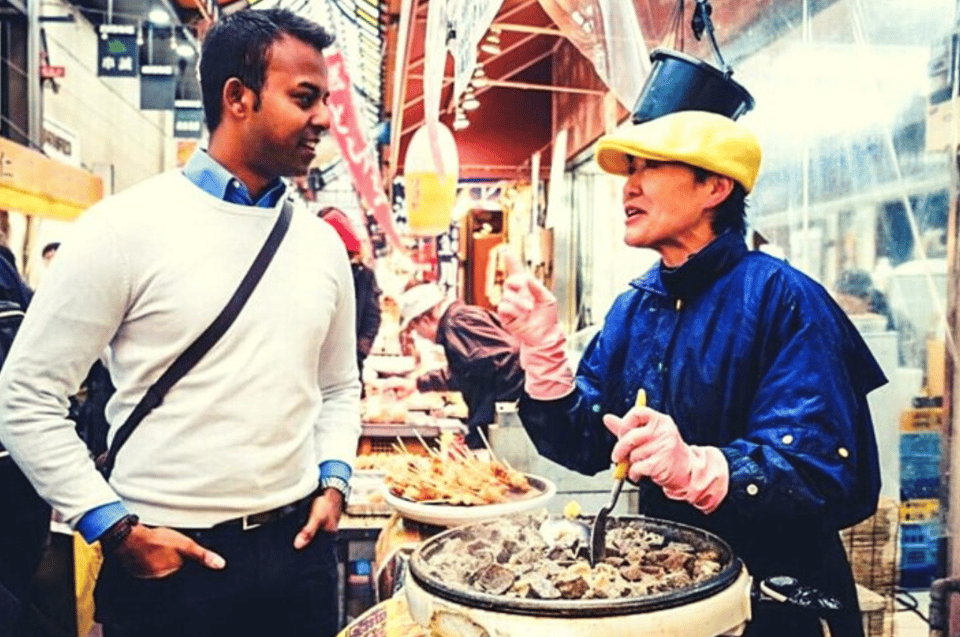
In Japan’s food markets, ordering can be the hardest part. Some menus are handwritten calligraphy, and not every vendor speaks English. The good news: you don’t have to wrestle with it.
Your local guides order for you and explain ingredients and cooking methods as you go. That means you can ask questions in English and get answers in plain language, not guesswork.
I especially liked the pattern in the guide reviews: names like Hakuri, Hikaru, Anna, Taka, Mico, and Michael came up as standout guides, and the consistent praise was about both food knowledge and vendor handling. One guide noted as a chef background (Hakuri) is a clue that you’re getting more than surface-level explanations—you’re getting someone who knows what makes ingredients worth tasting.
Translation help is not just convenience here. It’s what turns “I bought something” into “I understand what I just ate.”


Small Group Comfort: Limited to 9 People in a Tight Market
With a small group capped at 9 participants, you’re not fighting crowds or losing your place every two minutes. That size helps the guide keep track of who’s ready to order and who needs help understanding the next dish.
It also matters for your own pacing. Kuromon is covered, but it’s still a market with movement and close quarters. A small group tends to make it easier to step aside, watch, and taste without constantly being bumped by strangers.
The tour also lasts only 2 hours, so expect it to feel like a concentrated meal, not a slow stroll. If you like standing and eating in a lively environment, this fits. If you prefer leisurely sightseeing with long breaks, consider adding time before or after the tour on your own.
Included Souvenirs: Japanese Knives and Tableware
This tour isn’t only about eating. You’ll also discover unique Japanese knives and tableware souvenirs, which are included.
That matters because food tours sometimes stop at “now you ate.” Here, you have a reason to keep your eyes open for practical items you can actually use later—things like tableware (and knives, if that’s your thing).
Even if you don’t plan to buy, seeing what’s available in a real market setting can spark ideas. Just keep in mind that food shops often run hot and crowded, so don’t assume you’ll casually browse for an hour after tasting.
Timing Tips: How to Not Miss Your Spot
You already know the big rule: start time is 2pm exact and you can’t catch up if you’re late. For a short tour like this, that’s not a minor detail—it’s the whole deal.
My practical advice:
- Build in buffer time to get from your lodging to Nipponbashi.
- Aim to arrive at 1:45–1:50 so you can get to the top of the stairs at exit 6 without rushing.
- If you’re traveling with transit delays, it’s better to arrive early and wait than to try to “thread the needle.”
Also, plan to walk a bit before you eat. Market tours are standing-heavy, and your best comfort comes from arriving with water nearby and your stomach ready for tasting waves.
Price and Value: What You’re Paying For at $61
At $61 per person for two hours, this isn’t a “cheap snack walk,” but it’s also not overpriced for what’s included. The value math is pretty straightforward:
- You’re getting a structured meal with 5–7 dishes and 3–4 tastings.
- Your guide handles ordering and explanations in a market where many vendors don’t speak English.
- You’re also getting included souvenirs (Japanese knives and tableware).
If you tried to replicate this on your own, the hardest costs wouldn’t just be money. They’d be time (figuring out what to order), language friction (menus and vendor questions), and the risk of paying for items you don’t actually enjoy once you taste them.
That’s why the guide component is the real value driver. The food sampling is the payoff, but the ordering help is the engine that keeps you from wasting time or getting stuck with only whatever you can point at.
Who This Tour Suits Best
This one fits best if you:
- Want an authentic market experience where you learn as you eat.
- Like seafood and don’t mind strong market energy.
- Prefer a small group format that keeps you moving and tasting without chaos.
- Want your guide to translate the market culture, not just point at food.
It’s not suitable for vegans and it’s not suitable for pregnant women, based on the tour’s own guidance. Also, because it’s a fish-market setting, if seafood is a no-go for you, this tour will probably feel like the wrong fit.
A Balanced Reality Check: The Seafood-Focused Nature
Let’s be honest about what can trip people up. The tour is designed around a famous fish market, and the tastings described include seafood prominently (sashimi, scallops, dried fish, wasabi beans, and more).
That doesn’t mean you only eat seafood forever—there are sweets and tea, and there are also items like gobo tempura and pickled vegetables. But if you’re expecting a wide spectrum of meat and vegetarian options, you may be disappointed.
If you like seafood, this focus is a strength. If you don’t, it’s a mismatch. Choose with that in mind.
Should You Book Flavors Of Osaka?
My take: if you’re in Osaka for the first time and you want a high-impact food experience that’s easy to navigate, this is a smart booking. The combination of small group size, a tightly planned tasting list, and English guide ordering makes it one of the least stressful ways to experience Kuromon without wasting your limited time on trial and error.
Book it if you enjoy seafood, want both savory and sweet bites, and you’re comfortable standing and eating in a real market environment. Skip it (or swap to a different style tour) if you’re strictly vegan, can’t do this type of outing, or if seafood-heavy food markets don’t sound like your thing.
FAQ
Where is the meeting point for the Kuromon Markets Tour?
You meet at Nipponbashi station, exit 6, at the top of the stairs. The tour starts at 2pm.
What time should I arrive?
Arrive at 1:45–1:50pm so you’re in place for a sharp 2pm start. The tour starts exactly at 2pm, and you can’t catch up if you come late.
Is there hotel pickup?
No. There is no hotel pickup for this tour.
How much food is included?
You’ll taste 5–7 dishes and 3–4 tastings during the tour.
Will the guide help me order since vendor menus may be in Japanese?
Yes. English menus may not be available, and many vendors don’t speak English, but the local guides will order for you and explain ingredients and cooking methods.
Is this tour suitable for vegans or pregnant women?
No. The tour is not suitable for vegans or pregnant women.
Ready, Set, Eat
If you want to experience Kuromon Market the easy way—guided ordering, smart pacing, and a true tasting meal—this tour is built for that. Arrive early, go in with a seafood-friendly mindset, and let the market do what it does best: feed you fast and well.