REVIEW · OSAKA
Japanese home cooking class in Osaka Umeda
Book on Viator →Operated by 日本文化体験 桜ん坊 · Bookable on Viator
Home cooking in Osaka beats restaurant meals. This private Japanese home cooking class in Fukushima Ward (handy to the Umeda area) drops you into a real house kitchen, where you pick a dish like bento or takoyaki and cook with locals at a relaxed pace. I love that it’s not a demo. You’re actively making the food, then eating what you cook.
The hosts, Hisako and Naoko, also share practical shopping and cooking know-how that you won’t usually get from restaurant menus. I like the printed recipes and step-by-step guidance, especially if you want to recreate the results back home without guessing. The main drawback to plan around is that private transportation isn’t included, so you’ll need to handle getting to the meeting point yourself.
In This Review
- Key Highlights You’ll Feel Fast
- Why This Osaka Umeda-Access Home Cooking Class Feels Different
- Meeting Hisako and Naoko in a Real House Kitchen
- Choosing Your Dish: Bento, Takoyaki, and More
- Shopping Like a Local: Osaka Supermarket Tips That Matter Later
- Cooking at Your Pace: Private Feedback While You Work
- Tea, Lunch, and the Home-Meal Rhythm
- Recipes You Can Actually Use at Home
- Price and Value for a 2-Hour Private Lesson
- Practical Tips Before You Go
- Who This Class Suits Best (and Who Might Want Something Else)
- Should You Book This Osaka Umeda Home Cooking Class?
- FAQ
- What is the duration of the Japanese home cooking class in Osaka?
- What time does the experience start?
- Is lunch included?
- Is this class private?
- What dishes can you choose from?
- Where do you meet for the class?
Key Highlights You’ll Feel Fast
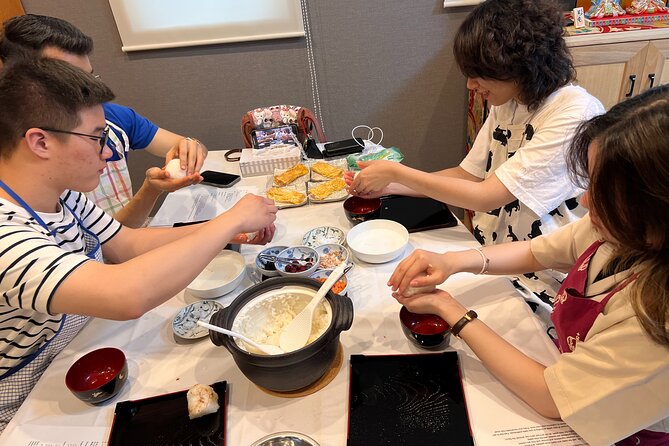
- Cook in a real Osaka home: hands-on kitchen work, not a staged show.
- Choose your dish from local favorites like bento and takoyaki.
- Supermarket ingredient tips so you can shop smarter in Japan (and later, at home).
- Japanese tea and lunch included for a full meal experience, not just cooking.
- Private pacing: go at your speed and get feedback while you cook.
- Take-home recipes with clear instructions (a big win for follow-through).
Why This Osaka Umeda-Access Home Cooking Class Feels Different
Most cooking classes teach technique. This one also teaches how Japanese people actually eat at home. That matters, because restaurant food often looks polished and consistent for the dining room. Home cooking is built around what a household buys, cooks, and re-cooks during a busy week.
I like the way this class uses a home setting to connect dots. You learn not only what to make, but also why the ingredients and steps work the way they do in Japanese home kitchens. And since it’s private, you’re not rushing to match a group’s pace. That’s a real quality-of-life upgrade when you’re chopping, frying, or assembling dishes you might never have made before.
Also, Osaka is a place where food culture is casual and confident. Even if you’re nervous in the kitchen at first, a home class tends to feel less intimidating than a commercial cooking studio. You’re there to learn, not to perform.
You can also read our reviews of more cooking classes in Osaka

Meeting Hisako and Naoko in a Real House Kitchen
You’ll start at 1-chōme-4-1 Tamagawa, Fukushima Ward, Osaka, near public transportation, with the class running from 10:00 am for about 2 hours. A mobile ticket handles check-in, which is one less thing to manage on a travel morning.
Once you’re in, the tone shifts quickly. This isn’t a lecture hall. It’s a kitchen and dining room setup you’d recognize as normal for an Osaka home. You cook, you ask questions, and you eat as part of the same rhythm.
The standout from the feedback you provided is the teaching style of Hisako and Naoko. They’re patient with your pace and break tasks into manageable steps. Several people specifically called out how they make the process easy to follow, including for first-timers who had never fried anything before. That’s exactly what I’d want in a cooking class: clarity that sticks.
One more practical bonus: they don’t just teach recipes. They also share Japan tips. That can mean ideas for local attractions or simple cultural guidance, the kind you’d normally learn after a few days of wandering.
Choosing Your Dish: Bento, Takoyaki, and More
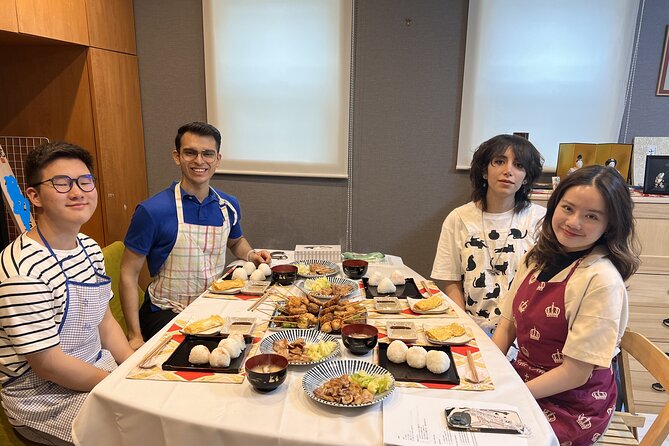
The class format is flexible. You choose your dish from a menu of local specialties. The highlights list calls out bento and takoyaki, and the reviews also mention dishes like udon, onigiri, and tempura.
That matters for value. If you love takoyaki, you can focus on that personality of Osaka street food. If udon is your comfort food, you get to learn the method rather than just order a bowl and move on.
Here’s what this kind of selection usually helps with:
- You cook what you actually want to eat during your trip.
- You build confidence with a dish you can picture making later.
- You connect techniques (assembling, seasoning, frying, forming) to a specific final result.
Because it’s a home setting, you should expect a practical approach. The class description notes that recipes are made more accessible than typical restaurant versions. In real terms, that means you’re not fighting complicated specialty steps you can’t easily reproduce at home.
Shopping Like a Local: Osaka Supermarket Tips That Matter Later
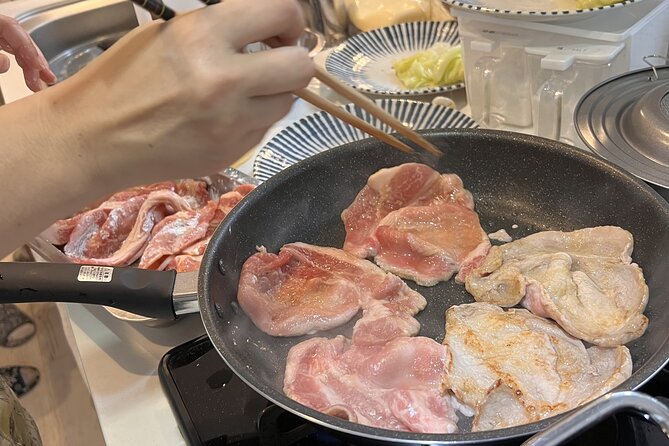
A big part of this experience is learning what to buy and how to choose ingredients. You’ll get tips on shopping at Japanese supermarkets and which ingredients to look for.
This is one of the most useful parts of any Japan food class, because the difference between good and “why didn’t mine work” often comes down to ingredients. Japan has a lot of familiar items, but also plenty of sauces, condiments, and staples that change the taste dramatically.
If you want to recreate what you make, those shopping pointers are gold. You don’t just learn the recipe. You learn the shopping path. And that’s how you avoid the classic problem of making the dish with the wrong sauce and ending up disappointed.
Also, ingredient guidance helps during your trip. Even if you don’t cook again right away, you’ll walk into Japanese supermarkets with better instincts. You’ll recognize what matters and what’s just optional.
Cooking at Your Pace: Private Feedback While You Work
This is a private activity, so you’re cooking with only your group. That has two practical effects.
First, you can slow down. If you need a second explanation for knife work, stirring, or timing, you can ask without worrying about holding up a larger group.
Second, you can speed up if you grasp something quickly. That personalized pace is a big deal in a class where hands-on steps matter.
From the reviews, people repeatedly praised how the hosts break cooking into easy steps, with instructions that feel clear enough to follow even if you’re not experienced in the kitchen. One of the best pieces of advice I can give: during the class, ask what you should watch for. Timing cues, texture cues, and smell cues tend to be the difference between a dish that looks right and one that tastes right.
You can also read our reviews of more tours and experiences in Osaka

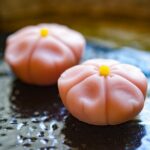

Tea, Lunch, and the Home-Meal Rhythm
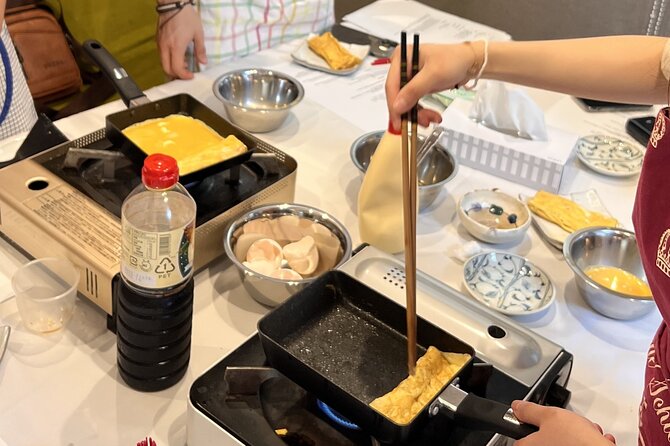
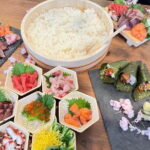
Lunch is included. You’ll also sip water and Japanese tea with each meal. This is more than a polite extra. It turns the class into a full food experience rather than a cooking-only workout.
In Japanese home meals, tea often sits right alongside food in a natural way. That matters because it changes how you perceive flavors. A light tea can make savory food feel less heavy and help you taste seasoning more accurately.
And once you’re at the dining table, you get a chance to notice the structure of the meal. Home cooking tends to balance textures and flavors in a way that’s not always obvious when you’re only thinking about one dish. Bento, for example, naturally teaches this idea because it’s built as a full box meal, not just one item.
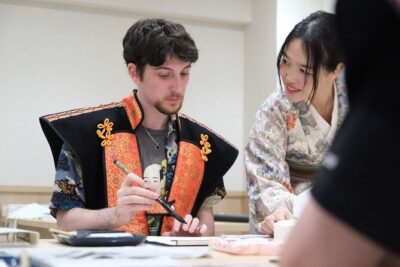
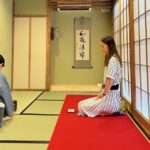
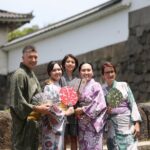
One review mentioned that a tea ceremony and traditional kimonos were included as part of the experience, with participants getting to wear kimonos. That sounds like it may depend on the day and the group, but it’s a good example of how this class can add cultural texture to the cooking.
Recipes You Can Actually Use at Home
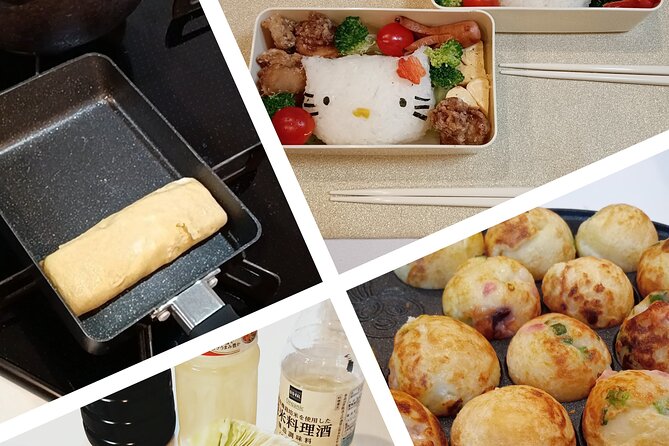
A cooking class is only as good as what you can reproduce later. Here, the class offers printed recipes and instructions you can take home. That’s a major advantage, because it turns your memory into something usable.
If you’ve ever cooked a dish from a travel food memory and thought, I know it was better in Japan, printed instructions solve the biggest problem: you can recreate the steps and ingredient choices more closely.
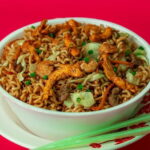
The reviews also highlight that the hosts explain techniques clearly enough for confident results. One person specifically described making tempura and udon from scratch, even as a first-time fryer. That tells me the class isn’t just for confident cooks. It’s built for real beginners too—assuming you follow the steps and ask when you need a check.
Practical advice: during the class, write down any ingredient substitutions the hosts suggest for the future (what to replace, what to prioritize, what texture you’re aiming for). Even if you never use replacements, it builds your ability to cook without panic.
Price and Value for a 2-Hour Private Lesson
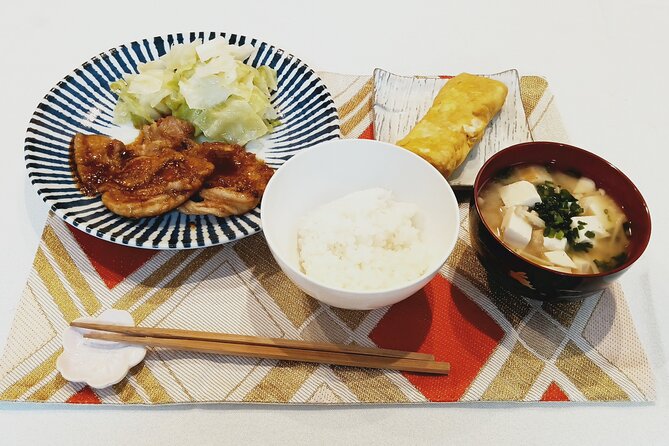
At $59.12 per person for about 2 hours, this isn’t a budget bus tour. But it also isn’t priced like a luxury food fantasy. You’re paying for the real ingredients, the home setting, and the personalized attention that comes with a private session.
The best value here is the combination:
- Private pacing and feedback while you cook.
- Lunch plus Japanese tea, so you’re not paying for food twice.
- Take-home recipes, which extend the value beyond the day.
- Local knowledge about supermarket shopping and ingredient choices.
Also, since the class is typically booked around 16 days in advance, it signals steady demand. That’s not a reason to panic. It just means you’ll likely want to lock it in earlier rather than later if your dates are fixed.
One more cost note: transportation isn’t included. If you’re already positioned near Osaka North/Umeda, you’ll probably spend a reasonable amount of time getting there. But it’s still an extra factor to plan into your day.
Practical Tips Before You Go
This kind of experience runs smoother when you show up prepared.
How to plan your day
- Since the class starts at 10:00 am, schedule a lighter morning. You’ll want energy for chopping and cooking.
- Build in buffer time to arrive a little early and settle in. Home classes can run on a slower, more personal rhythm than big-city tours.
What to bring
- Come hungry. You’ll cook and eat lunch.
- Bring a curious mindset. The hosts invite questions about Japan, not just about the food.
- If you’re the type who likes notes, bring a pen so you can jot down what you’re told during the process.
Language and comfort
- Reviews specifically highlight that the hosts speak very good English, which is a huge comfort factor. If you want to ask why a step works a certain way, you can.
Where you’re meeting
- Start at Tamagawa, Fukushima Ward (Osaka 553-0004). The listing notes it’s near public transportation, so it should be workable even if you’re not using taxis all day.
Cancellation is also flexible with free cancellation if you cancel far enough in advance. If your schedule might shift, that’s a nice safety net for planning.
Who This Class Suits Best (and Who Might Want Something Else)
This experience is a great fit if you want:
- Hands-on cooking you can repeat at home.
- Osaka home-food knowledge, not just dining.
- A class designed for your pace, not a rigid group sprint.
- Practical tips about Japanese supermarket ingredients.
It’s especially good for couples or small groups who want a calmer, more personal setting than a group class.
If you’re looking for a big theatrical food tour with lots of sightseeing stops, this isn’t that. It’s focused. The reward is depth in the kitchen, not a checklist of landmarks.
Should You Book This Osaka Umeda Home Cooking Class?
If you like food with a story you can follow—ingredients, technique, and how Japanese home life shapes what ends up on the table—this is an easy yes. The private format makes it feel personal, and the combination of cooking, eating, tea, and printed recipes is strong value for a single morning.
I’d book it if:
- You want bento and takoyaki style Osaka flavor with real cooking steps.
- You want recipes you can take home and use, not just taste and forget.
- You appreciate patient teaching and clear step-by-step guidance from Hisako and Naoko.
I might think twice if:
- You don’t want to handle your own transportation to the meeting point.
- You only want a quick food snack and no cooking time (because this is hands-on, not just tasting).
FAQ
What is the duration of the Japanese home cooking class in Osaka?
The class lasts about 2 hours.
What time does the experience start?
It starts at 10:00 am.
Is lunch included?
Yes. Lunch is included.
Is this class private?
Yes. It’s private, and only your group participates.
What dishes can you choose from?
You can choose from a menu of local specialties such as bento and takoyaki. Reviews also mention options like udon, onigiri, and tempura.
Where do you meet for the class?
The meeting point is 1-chōme-4-1 Tamagawa, Fukushima Ward, Osaka, 553-0004, Japan.
If you share your travel dates and what you most want to cook (bento, takoyaki, udon, tempura, etc.), I can help you decide whether to schedule this for your best half-day slot.