REVIEW · OSAKA
Premium Kimono Dressing, Tea Ceremony, Calligraphy, Samurai show
Book on Viator →Operated by 道-michi- · Bookable on Viator
Your Osaka outfit changes fast. In about three hours, you’ll move through kimono dressing, tea ceremony practice with matcha, calligraphy, and a samurai-style performance, all in a calm cultural setting.
I really like two parts of this experience: the staff’s calm, step-by-step explanations, and the hands-on mix of arts plus live performance, so it feels more like a lesson than a show.
One key thing to plan around: kimono dressing is women only, and samurai armor dressing isn’t included, so you’ll want to decide what you’re aiming to wear.
In This Review
- Key Things to Know Before You Go
- A Quick Cultural Sampler in Shinsaibashi
- Kimono Dressing: A Costume Moment With Real Instructions
- Tea Ceremony and Matcha: Slower Than It Looks
- Calligraphy Lesson: Making Something You Can Keep
- Traditional Music and the Samurai Sword Show
- What About Samurai Armor? What’s Included vs Extra
- Price and Value: Why It Can Be Worth It at $123.49
- Timing, Momentum, and How to Get the Most From It
- Who This Experience Is Best For (and Who Might Pass)
- Should You Book This Osaka Culture Combo?
- FAQ
- How much does the experience cost?
- How long is the experience?
- Where does it take place?
- What’s included in the price?
- Is kimono dressing available for men?
- Can I dress in samurai armor?
- Are souvenirs included?
- Will I get a ticket on my phone?
- When will I receive confirmation?
- Is cancellation free?
Key Things to Know Before You Go
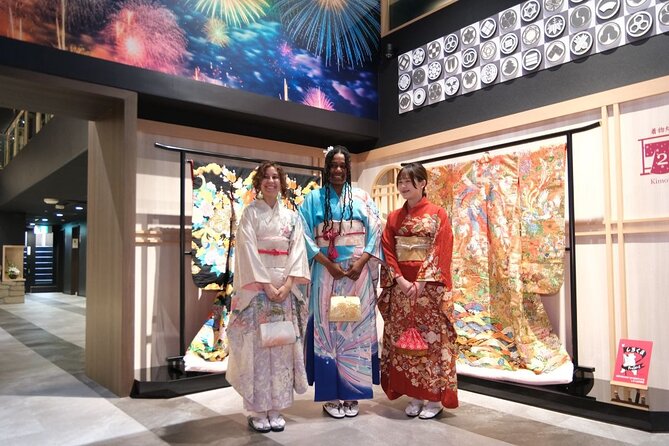
- Kimono dressing (women only) in a guided, photo-friendly setup
- Tea ceremony practice where you make your own matcha
- Calligraphy lesson that turns your brush practice into something you’ll want to keep
- Traditional music and samurai sword performance in the same cultural flow
- A venue with courtyard/gallery atmosphere that keeps the experience feeling historical, not rushed
- Strong staff service that makes the whole program feel boutique-sized and welcoming
A Quick Cultural Sampler in Shinsaibashi
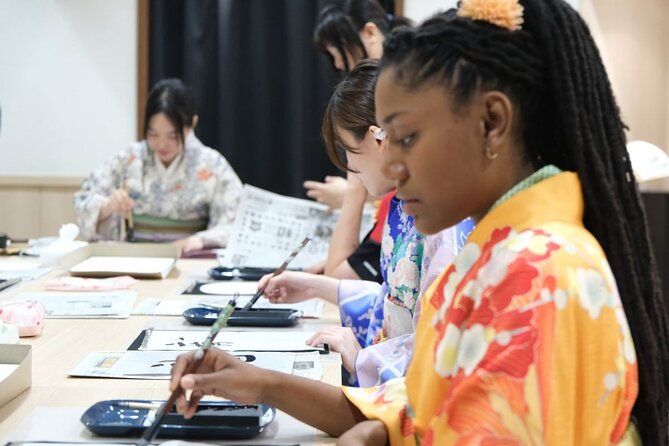
This is the kind of Osaka activity that’s hard to compare to anything else. In roughly three hours, you get a tight, well-guided sequence of Japanese traditions: dressing first, then tea, then calligraphy, then a performance segment. It’s designed for people who want more than photos, but don’t want a full-day commitment.
The location is in the Shinsaibashi area, and you’ll find it convenient for getting there since it’s near public transportation. Once you arrive, the tone is relaxed and organized, which matters a lot when you’re trying on traditional clothing and learning new etiquette at the same time.
Also, the tour is a mobile-ticket experience. That’s great if you’re already juggling maps, trains, and snacks and don’t want extra paper clutter.
You can also read our reviews of more tours and experiences in Osaka


Kimono Dressing: A Costume Moment With Real Instructions
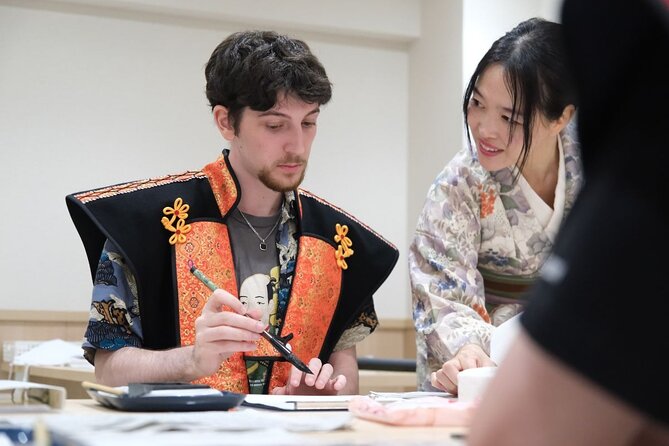
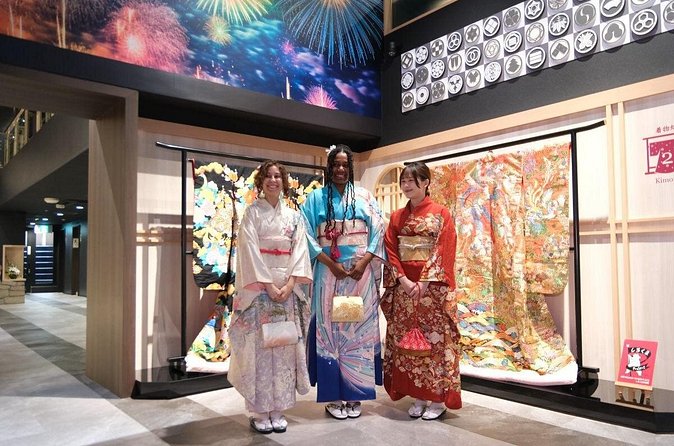
The kimono dressing is one of the main reasons people book this. It’s not just a quick “put it on” situation. You get help with the process, and the explanations focus on what you’re doing and why it matters. That turns the experience from novelty into understanding.
A practical point: kimono dressing is women only. If you’re traveling with someone who wants the kimono portion, you’ll want to plan based on that. If you’re a woman, this is usually the part that makes the rest of the program click, because you feel grounded in the culture right away rather than showing up at the venue already dressed.
You’ll also want to think about comfort. Even though it’s traditional attire, it’s still a short, active session. Wear shoes that are easy to step in and out of, and keep your hands free for the times you’ll be adjusting your sleeves or focusing on the tea and calligraphy later.
From the reviews, one pattern is clear: the staff’s friendliness and attention to detail is a big part of why this feels memorable. If you like personal guidance, this is the section you’ll appreciate most.
Tea Ceremony and Matcha: Slower Than It Looks
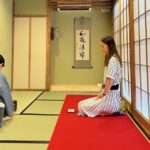
Tea ceremony can sound intimidating if you’ve never done it. Here, the whole thing is presented in a way that feels approachable. You don’t just watch. You participate, and the program includes making your own matcha as part of the tea ceremony experience.
The value isn’t in fancy performance. It’s in the pacing and the instructions. You learn the steps and the attitude behind them: how to handle the tools, how to treat the moment with respect, and how to understand the ritual as more than a drink.
If you’ve been trying to see Japan through food and daily practice, this is a strong match. Tea culture connects to so many Japanese habits, from quiet mindfulness to the idea that even small actions have form. And because you’re actually doing it, it sticks better than a short explanation.
Practical tip: drink time and posture matter. You’ll likely spend part of the session seated, holding items carefully. Go in with the mindset that you’re learning, not performing. If you can stay relaxed and listen, you’ll do fine.
Calligraphy Lesson: Making Something You Can Keep
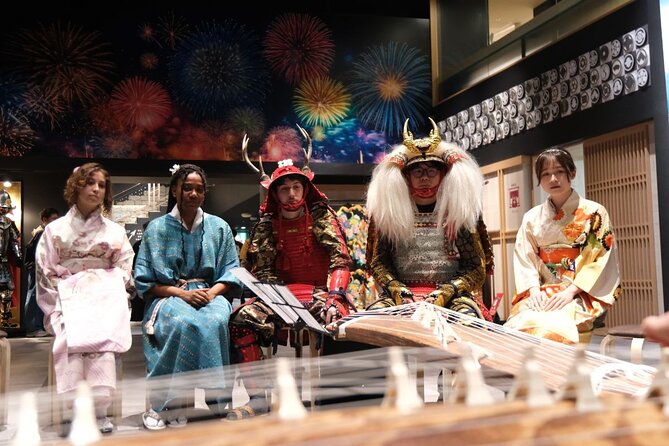
Then comes calligraphy, and this is where the program earns extra points. It’s hands-on, but it’s also guided so you aren’t left flailing with a brush. You’ll get taught in a way that helps you make your own work rather than copying a template you don’t understand.
This is one of those experiences where the outcome matters. The reviews highlight that amateur calligraphy efforts can be framed, which is a big deal if you like leaving with a tangible memory. A photo can fade on a phone. A framed piece sits in your space and reminds you of the day.
From a value perspective, calligraphy is also a great use of the three-hour timeframe. It’s creative, but it’s not chaotic. You can focus on the motions, learn what to watch for, and finish with something you can appreciate later.
If you’re the kind of person who likes structured creativity, you’ll probably enjoy this part. If you’re worried about getting it wrong, good news: the goal here is participation and learning, not perfection.
Traditional Music and the Samurai Sword Show
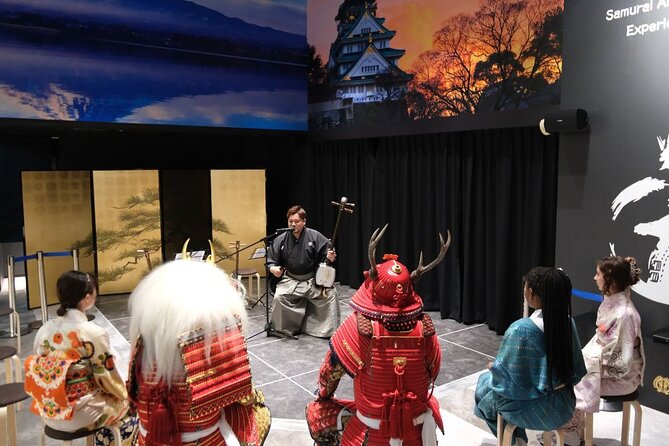
After the quieter arts, the experience shifts into performance. You’ll enjoy traditional Japanese music and a samurai sword presentation as part of the overall program flow.
This combination is smart. A lot of culture tours treat music and performance like a separate entertainment block. Here, it feels connected to the broader theme: discipline, tradition, and the way stories get told through movement and sound.
If you’re curious about samurai culture, this is a good starting point. You’ll see a stylized sword segment rather than trying to piece together history on your own. It also gives you a change of pace, so you’re not just sitting while you absorb cultural explanations.
Also, because the program includes both arts and performance, you get two kinds of memories: the ones you make with your hands (tea and calligraphy) and the ones you watch and photograph with the room around you.




What About Samurai Armor? What’s Included vs Extra
The experience theme includes samurai, and you might see an opportunity to try armor. But here’s the important planning detail: armor dressing isn’t included.
That means if you want the full armor look, you should expect extra cost on-site for that specific option. The same goes for souvenirs, which are listed separately at ¥10,000 per person.
One way to think about this: the base price covers the core cultural activities—kimono dressing for women, tea ceremony, calligraphy, and the traditional music piece—while armor is an add-on if you want the dramatic transformation.
If you love photos and cosplay-style visuals, you’ll probably want to budget for the armor possibility. If you’re more interested in learning the traditions themselves, the included kimono and hands-on activities will likely be the main payoff.
Price and Value: Why It Can Be Worth It at $123.49
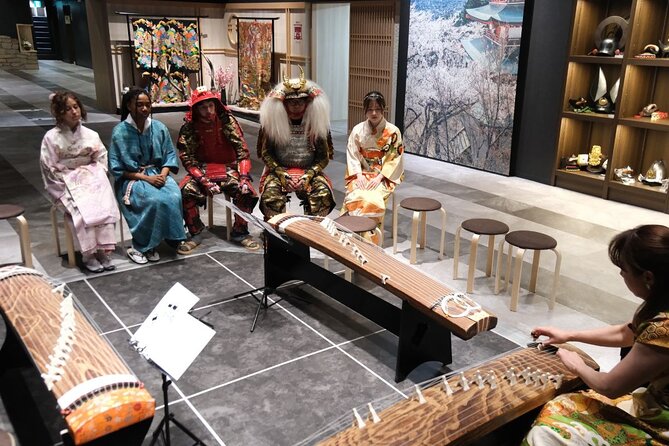
At $123.49 per person for about three hours, this doesn’t compete with the cheapest “walk around and snack” plans. But it does compete with higher-priced cultural workshops because you’re getting several structured parts in one visit.
Here’s what you’re buying for the money:
- Kimono dressing (women only)
- Tea ceremony with the chance to make your own matcha
- Calligraphy lesson
- Traditional music performance
- A setting that supports photos and keeps everything in the same general experience flow
That’s a lot packed into a short time window. And because the staff explanations are repeatedly praised, you’re not just paying for time. You’re paying for translation of meaning—why each step matters—so you can actually appreciate what you’re doing.
When you compare it to buying separate tickets for tea experiences, calligraphy classes, and performances, the bundled format can feel like better value. It’s also convenient: you get one organized visit instead of juggling several locations and schedules.
One more value point: the review pattern strongly suggests the team makes it feel personal and welcoming. In cultural activities, that can make or break the experience. If you show up unsure, you’ll get support. If you show up excited, you’ll get encouraged.
Timing, Momentum, and How to Get the Most From It
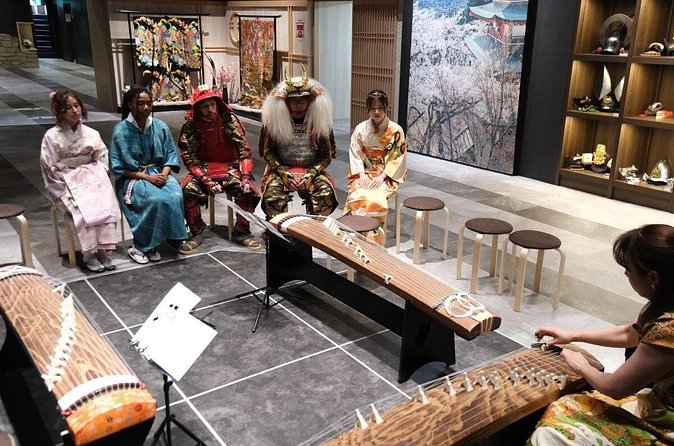
With a duration of about three hours, you don’t want to treat this like a “sometime in the afternoon” idea. If you arrive tired or rushed, you’ll miss the calm parts of tea ceremony and calligraphy.
Aim to schedule it when you have time afterward for a slower walk. Shinsaibashi is a great area for that. You’ll be dressed in traditional clothing for a chunk of the visit, so you may feel like slowing down your day anyway.
A few practical moves that help:
- Keep water and light snacks in mind before you go, but don’t overdo it so you feel comfortable during seated moments.
- Plan your clothing so you can handle dressing and undressing without stress.
- Bring your camera or phone, but don’t spend the whole experience shooting. Take photos at the moments you’re ready, then put the phone away and actually learn.
Also, since the experience is described as suitable for most participants, it’s a good pick if this is your first structured cultural activity in Japan. The staff support is a major part of why it works for people who don’t know the etiquette.
Who This Experience Is Best For (and Who Might Pass)
This tour-style experience is best for people who want:
- Hands-on culture, not just watching
- A short, structured program with multiple activities
- A photo-worthy day that still includes education
- Strong guidance from friendly staff
It’s especially appealing if you’re traveling with someone who enjoys arts like calligraphy and tea culture, or if you want samurai themes without needing deep historical background beforehand.
You might hesitate if:
- You’re looking for kimono dressing for men (since it’s women only)
- You want armor included in the base price (armor dressing is separate)
- You’d rather DIY Japanese culture on your own rather than follow a paced lesson format
Should You Book This Osaka Culture Combo?
Yes, I’d book it if you want a compact “Japan in one morning/afternoon” experience that blends clothing, tea, calligraphy, and samurai-themed performance. The biggest selling point is the way the experience is guided. Friendly staff explanations show up again and again, and that kind of teaching makes the whole program feel worth the money rather than like a checklist.
If you’re specifically drawn to kimono and want the cultural explanation behind it, this is the plan. Add-ons like armor can work well if you’re planning to make photos part of the memory.
If the kimono is a must for your group, double-check the women-only detail first. Once that fits, this is a strong, practical choice for Osaka.
FAQ
How much does the experience cost?
It costs $123.49 per person.
How long is the experience?
The duration is about 3 hours.
Where does it take place?
It’s in Osaka, at Shinsaibashi ARTY Inn, and the meeting area is near public transportation.
What’s included in the price?
Included are kimono dressing for women only, tea ceremony, calligraphy, and Japanese traditional music performance.
Is kimono dressing available for men?
The kimono dressing included in this experience is women only.
Can I dress in samurai armor?
Armor dressing is not included, so if you want to try it, you’ll need to pay the extra cost on-site.
Are souvenirs included?
Souvenirs are not included, and the listed cost is ¥10,000 per person.
Will I get a ticket on my phone?
Yes, the experience uses a mobile ticket.
When will I receive confirmation?
Confirmation will be received at the time of booking.
Is cancellation free?
Yes. You can cancel for a full refund up to 24 hours in advance of the experience start time.