REVIEW · OSAKA
Japanese Calligraphy Experience in Osaka
Book on Viator →Operated by 日本の書道 · Bookable on Viator
Ink, silence, and one perfect kanji. This class in Shinsaibashi turns Japanese calligraphy into a calm, step-by-step lesson, not a mysterious art demo. I love that the teacher focuses on brush basics first, so your first strokes feel doable.
I also like the end result: your finished work goes into a special display format you can take home as a hanging scroll. One consideration is that you’re mostly writing a single kanji you choose, so if you want lots of characters or extended practice time, this 90-minute session may feel short.
In This Review
- Key highlights you’ll care about
- Shinsaibashi, a 90-minute calligraphy class, and why the timing works
- Ryusho and the “how it works” lesson before you write
- Picking your kanji: one character, chosen by you
- From board to framed hanging scroll: what you actually take home
- What the class feels like during the 90 minutes
- Practical tips: how to get the best results (without overthinking it)
- Price and value: what $51.24 buys you in Osaka
- Who should book this calligraphy session, and who might skip it
- Should you book Japanese Calligraphy Experience in Osaka?
- FAQ
- How long is the Japanese calligraphy experience?
- Where does the experience take place?
- What time does it start?
- Do I get to choose a kanji to write?
- What do I take home at the end?
- Is tea and food included?
- How many people are in the group?
- Do I receive a ticket on my phone?
- Is there a cancellation option?
Key highlights you’ll care about
- Shinsaibashi location: held on the first floor of a hotel and about a 1-minute walk from the subway
- Small group size: maximum of 10 people, which makes it easier to get feedback
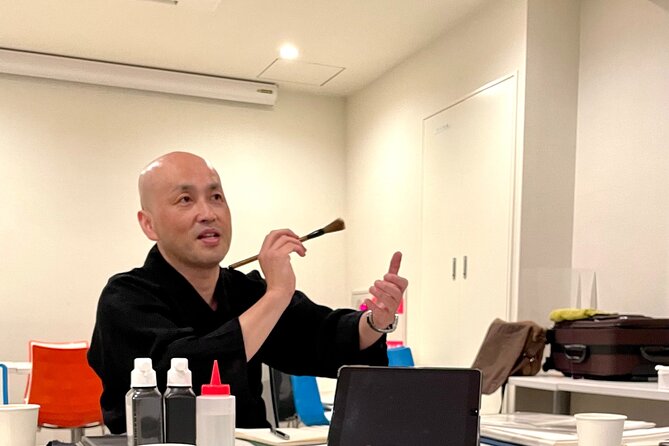
- A real instructor at the front: Ryusho has 27 years as a calligraphy instructor
- Choose your character: you pick one kanji from 16 popular overseas examples
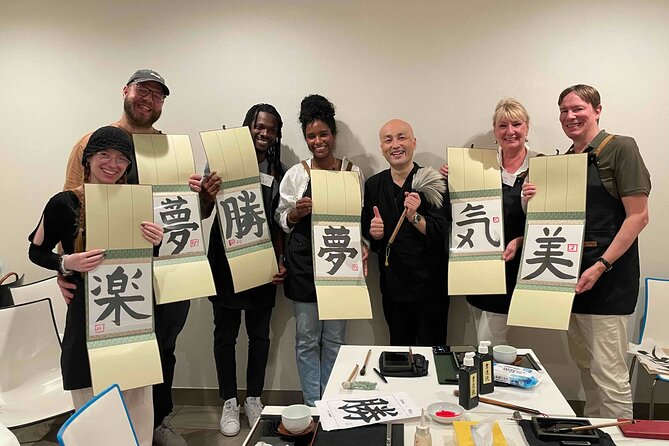
- You take it home: your board is finished in a special art frame, then set into a foldable hanging-scroll display case
- Tea and photo at the end: you’ll get green tea and Japanese sweets, plus a commemorative photo
Shinsaibashi, a 90-minute calligraphy class, and why the timing works
Osaka’s Shinsaibashi is convenient in the best way: it’s central, easy to reach, and it’s the kind of area where you can fit something cultural between meals. This experience starts at 2:00 pm and runs about 1 hour 30 minutes, so you’re not committing your whole day to ink and paperwork.
The class takes place on the first floor of a hotel in Shinsaibashi, and the meeting spot is a short walk from public transportation (about 1 minute from the subway, based on the info). The meeting point address is 1-chōme-1-3 Higashishinsaibashi, Chuo Ward, Osaka, 542-0083, Japan. For planning, I like that you start and end at the same place, which cuts down on stress when your schedule is already busy.
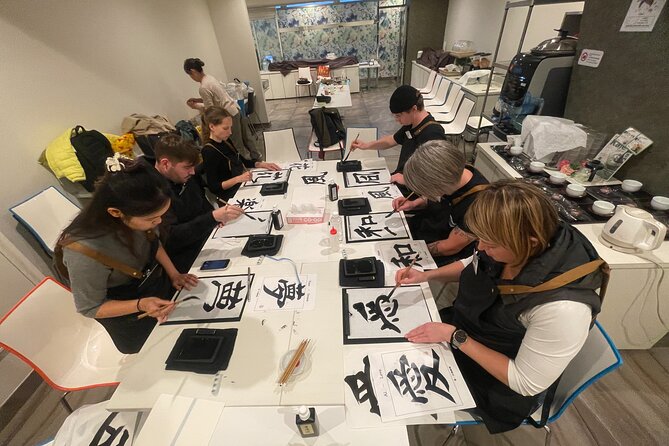
Also, this is a small class with a maximum of 10 people. That matters. Big workshops can feel like you’re watching someone else do the work. Here, the pace is aimed at getting you to actually try the brush, not just look at finished art.
You can also read our reviews of more tours and experiences in Osaka.

Ryusho and the “how it works” lesson before you write
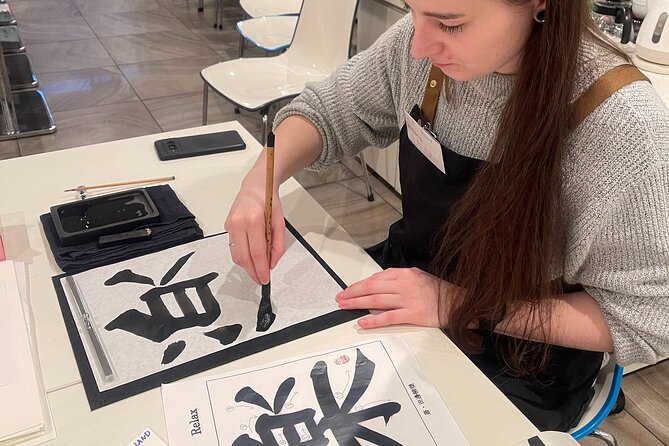
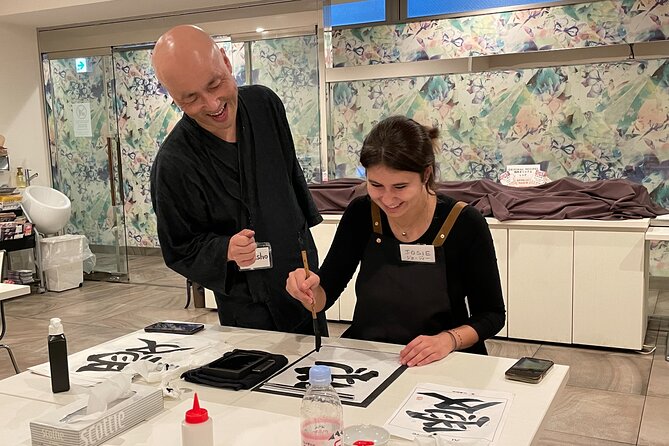
This experience is built around instruction that doesn’t assume you already know the alphabet, the strokes, or the tools. Ryusho explains Japanese letters and how calligraphy tools are used. You also get a story-style introduction to the culture of Japanese calligraphy—basically the why, not just the how.
Then comes the hands-on portion. The flow is: you watch a demonstration, learn what to pay attention to, and then practice. The best part of the teaching approach (based on how the class is described and the consistent praise for the instruction) is that it breaks writing down into manageable chunks. You’re shown how to work with one stroke at a time, which is exactly how calligraphy becomes less intimidating.
There’s also an emotional angle that I think many first-timers appreciate once they’re there. The class frames calligraphy as something that reveals the mind. You’re encouraged to concentrate, slow down, and work peacefully. That might sound a little poetic, but in practice it helps you stop “rushing” your strokes. When you’re trying to make a kanji look right, time pressure is your enemy.
If you’ve never held a brush like this before, you’ll probably find the tool portion especially helpful. If you have tried calligraphy at a museum or hobby studio, you’ll still like having the basics reset so your technique is consistent.
Picking your kanji: one character, chosen by you
Here’s the great practical twist: you don’t have to be assigned a random character. You choose one kanji from 16 popular overseas options. That choice is meaningful. It turns the class from a generic souvenir workshop into something personal.
After you choose, the process moves from learning to doing. You practice the strokes that make up your selected kanji, then you create your final version on the board. You’ll also sign your name, which is what makes the finished piece feel like yours, not like a printed label.
One subtle benefit of writing just one kanji well is focus. You can’t hide behind variety. You learn to refine pressure, direction, and shape—those little differences that turn a rough character into something you’ll want to hang at home.
From board to framed hanging scroll: what you actually take home
This is one of those experiences where the output is the point, and the class is set up so you truly finish something.
Your completed calligraphy is made on a special board measuring 242 × 273 mm. Then it’s placed in a special art frame and completed into a hanging-scroll style display. The info also notes that the hanging scroll is foldable, which is a big deal for anyone who’s flying and packing carefully.
Why this matters for you: a calligraphy project can be fun while you’re doing it, but a lot of workshops fail the take-home test. If your art can’t survive travel or can’t be displayed easily, it becomes drawer art. This is designed to be the opposite. The foldable hanging-scroll format means you can keep it safe in transit and still show it up on a wall later.
At the end, you’ll also get a commemorative photo. That’s not just a nice extra. It helps you remember the moment, especially because the work you’re doing is mostly quiet concentration. If you’re traveling as a couple or solo, having a photo taken for you can make the experience feel complete.
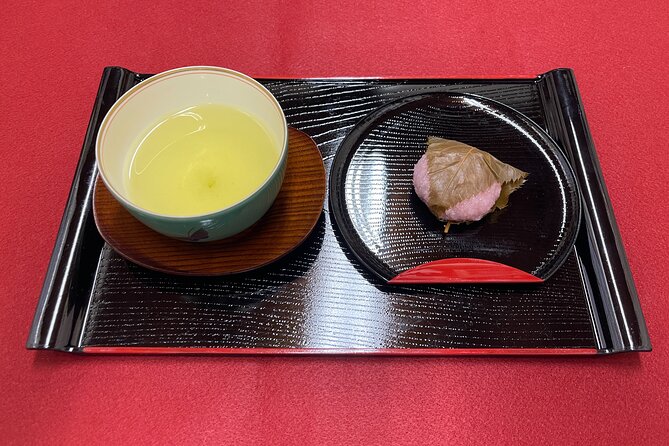
Then you finish with green tea and Japanese sweets. It’s the right kind of pause. You’ve been focused on strokes and tools, and then you’re rewarded with a simple Japanese break before you head back out into Osaka.
What the class feels like during the 90 minutes
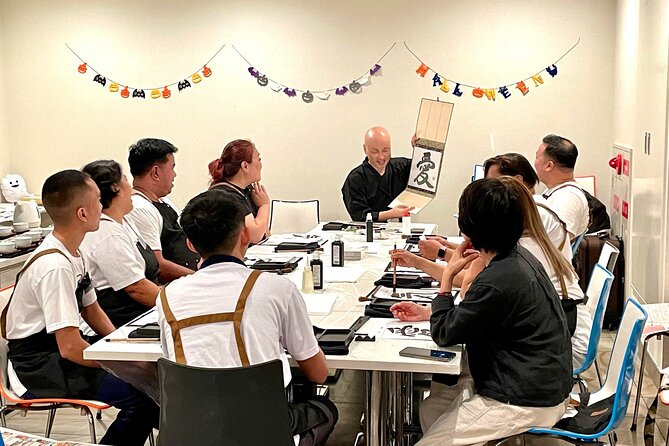
Even without being told minute-by-minute, you can expect a familiar rhythm:
You start with the culture and the basics—learning how calligraphy tools are used and why letters are taught the way they are. Then you see Ryusho’s brush handling up close. After that, you write. The class builds skill fast by keeping your attention on repeatable actions: stroke direction, brush contact, and stopping at the right time.
The final stretch is about getting your completed character onto the board and then preparing it for the hanging-scroll style display. That’s where beginners often feel the biggest relief. You’re not only practicing; you’re producing a finished artifact.
Because the group is capped at 10, you’re likely to get more direct attention than you would in a larger studio. That makes it easier to fix small issues before they become big ones in the final character.

Practical tips: how to get the best results (without overthinking it)
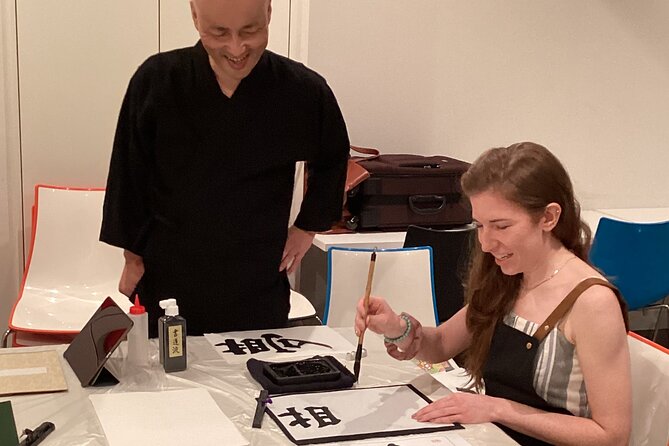
You don’t need special skills to enjoy this, but you can make it go smoother with a few common-sense choices.
First, wear clothes you don’t mind getting a little messy around your sleeves. Even if the instructor is careful, ink is ink. Looser sleeves can be a problem if they brush the brush or table. If you’re wearing long sleeves, rolling them up slightly can help you focus on the stroke instead of your clothing.
Second, arrive a few minutes early. The class is short, so the time buffer is useful. Shinsaibashi is busy, and hotels in Japan can have multiple entrances. Give yourself time to confirm you’re at the right first-floor setup.
Third, don’t aim for perfection on your first practice strokes. The teaching style is built on learning. Your final piece matters most, but your practice strokes are the bridge. If you try to make your first attempt look like the finished calligraphy immediately, you’ll tense up and your brush will fight you.
Finally, think about why you chose your kanji. Your character is popular overseas (from the 16 offered), but you still get to pick something that feels meaningful—maybe a word that fits your life right now, or a theme you want to remember. When you’re focused on meaning, it’s easier to slow down and write with care.
Price and value: what $51.24 buys you in Osaka
At $51.24 per person for about 1 hour 30 minutes, the value here comes from the take-home package and the instruction style.
You’re not just paying for a seat in a workshop. You’re paying for:
- Hands-on teaching with a long-experience instructor (Ryusho, 27 years)
- The ability to practice and complete one chosen kanji
- A final board and special framing plus a hanging-scroll style display case
- Green tea and Japanese sweets
- A commemorative photo
- A small group environment (max 10), which tends to improve the learning experience
Also, the experience uses a mobile ticket, which keeps things simple when you’re moving around Osaka.
One more value signal: people tend to book this ahead (the average booking window is 39 days). That usually means it has a reputation for being smooth and worth the time. Still, you’ll want to reserve early in peak travel seasons, because small groups go quickly.
Who should book this calligraphy session, and who might skip it
This experience is ideal if you want a cultural activity that doesn’t require prior knowledge. You’ll get a clear introduction to Japanese letters, tools, and brush basics, and then you’ll walk out with a tangible result you can display at home.
It’s also a strong fit if you’re:
- Traveling solo and want something personal to bring back
- Looking for a non-food souvenir that still feels meaningful
- Interested in Japanese arts but don’t want a full-day class
- Visiting Osaka with friends or family and want everyone to end up with their own work
It might not be the best choice if you’re specifically looking for:
- Training that covers multiple kanji or advanced techniques
- A long practice session (this is set up for completion within 90 minutes)
- A flexible schedule that can easily be stretched into a longer atelier experience
But if you want one satisfying, well-guided kanji and a finished display piece, this hits the sweet spot.
Should you book Japanese Calligraphy Experience in Osaka?
Yes, you should book it if you want a short, focused workshop with real instruction and a finished take-home artwork. The combination of Ryusho’s long teaching experience, the small group size, and the way the class is designed to end with a hanging scroll format you can display makes it feel like more than a quick craft.
Book it particularly if you like the idea of slowing down for a bit and producing something you can hang at home afterward. Calligraphy is one of those arts where the process matters, and this setup is designed to make the process understandable and the result memorable.
If you want to master lots of characters or spend half your day practicing, you may want a longer class elsewhere. For a single clear experience in Osaka’s Shinsaibashi, though, this is a smart use of time.
FAQ
How long is the Japanese calligraphy experience?
It lasts about 1 hour 30 minutes.
Where does the experience take place?
It’s held on the first floor of a hotel in Shinsaibashi, Osaka, and the meeting address is 1-chōme-1-3 Higashishinsaibashi, Chuo Ward, Osaka, 542-0083, Japan.
What time does it start?
The start time is 2:00 pm.
Do I get to choose a kanji to write?
Yes. You choose one kanji from 16 popular overseas options.
What do I take home at the end?
You complete your calligraphy on a special board, it’s placed into a special art frame, and then set into a hanging scroll-style display case that is described as foldable and good for portability.
Is tea and food included?
Yes. You’ll have green tea and Japanese sweets at the end.
How many people are in the group?
The experience has a maximum of 10 travelers.
Do I receive a ticket on my phone?
Yes. It uses a mobile ticket.
Is there a cancellation option?
The policy states free cancellation, and you can cancel up to 24 hours in advance for a full refund.