REVIEW · OSAKA
The Ultimate Osaka Shopping Experience: Private And Personalized
Book on Viator →Operated by City Unscripted · Bookable on Viator
Shopping stress ends with one good guide. Osaka’s stores can feel endless, so this private experience pairs you with a host through a short questionnaire and then designs a personalized walking route around your tastes. It’s built for saving time, not forcing you to guess where to go next.
What I like most is how practical the guiding feels, not just sightseeing. You get four hours with a host who helps you find what fits you, and the guide is also there to translate and keep the shopping flow smooth, like Fumiko did for luxury vintage purse shoppers and Mayura did for housewares and cooking finds.
One consideration: because this is truly private and customized, the exact shops can change from what you might expect, based on your preferences and what the host plans for you. So go in with clear priorities, or you might end up with a great day that doesn’t match your exact wish list.
In This Review
- Key things I’d bet on
- Osaka shopping is fun. Chaos isn’t.
- Price and value: what $147.14 buys you in real time
- Getting started at Starbucks Tsutaya Ebisubashi (and coming back)
- How the questionnaire shapes your day
- Stop by stop: what each Osaka area is best for
- Umeda: your first shot at bag-worthy buys
- Namba: shopping routes that feel like you know the city
- Shinsaibashi: where you can hunt for rarer finds
- Den Den Town: traditional items and gadgets you’ll actually want
- Amerikamura: street style and lots of store fronts
- Walking, transit, and taxis: how to keep four hours from slipping away
- The guides: why they can make or break the day
- Who this tour fits best (and who should pick something else)
- Should you book this private Osaka shopping experience?
- FAQ
- How long is the shopping experience?
- Is this a private tour or shared group?
- Where do I meet, and where does the tour end?
- Is hotel pickup included?
- What’s included in the price?
- What isn’t included?
- Which neighborhoods will we shop in?
- Can I cancel for a full refund?
Key things I’d bet on
- Questionnaire matching means your route starts with your shopping goals, not generic recommendations.
- Four hours of private time gives you room to browse, compare, and actually decide.
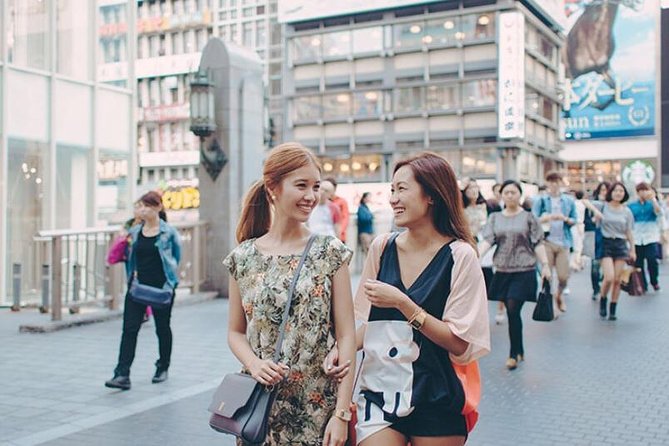
- Osaka districts on foot helps you see how the shopping neighborhoods connect and where to turn next.
- Den Den Town + gadget time is built in if you want traditional items and quirky electronics.
- Local guide support can include translation and steady advice when you’re stuck on labels or sizing.
Osaka shopping is fun. Chaos isn’t.
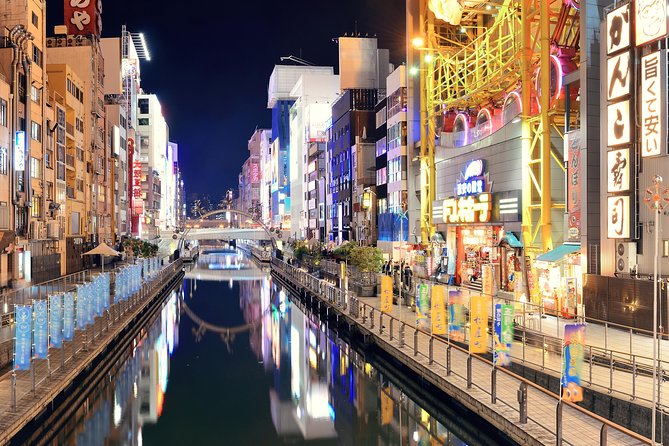
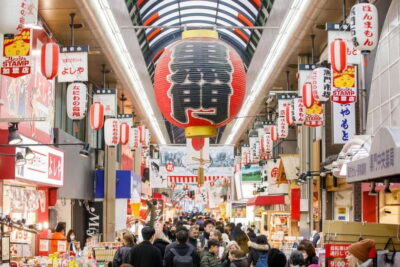
Osaka is great for shopping, but it can also wear you out fast. Different neighborhoods sell different vibes—fashion, secondhand, kitchen stuff, accessories, and tech—yet everything can blend together if you don’t have a plan.
This experience fixes that with a private host who steers you through the right areas for your interests. You’re not just walking around; you’re shopping with someone who knows where to send you next.
I also like the human scale of it. You’re in the city for about four hours with your guide, and the pacing is meant to feel like a productive afternoon rather than a marathon.
You can also read our reviews of more private tours in Osaka
Price and value: what $147.14 buys you in real time
At $147.14 per person for roughly four hours, you’re paying for two things: time and decision-making. In Osaka, the cost of indecision is big—wrong turns, stores that don’t carry what you want, and long stretches where you’re just trying to figure out where to go.
This tour’s value comes from:
- A private shopping plan built for you.
- Local know-how on which streets and districts match your goals.
- Help navigating language and shopping logistics, so you spend more time selecting and less time stuck.
You’ll also see value in the format details. It’s booked on average about 70 days ahead, which usually means popular guides and neighborhoods fill up. If you want a specific type of shopping day, earlier booking gives you more flexibility.
One note: transportation costs aren’t included, so your total day might be higher if you choose taxis or extra transit. That said, the plan is designed as a walking experience, and your host can suggest public transport or taxi options when it makes sense.
Getting started at Starbucks Tsutaya Ebisubashi (and coming back)
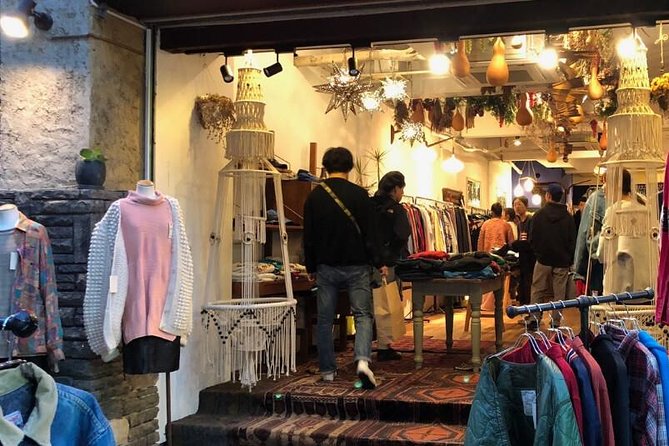
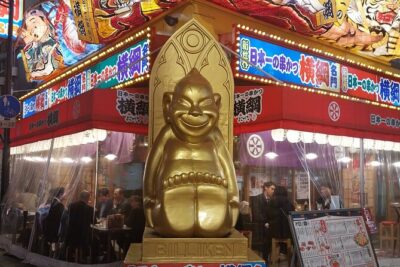
The meeting point is Starbucks Coffee – Tsutaya Ebisubashi at 1-chōme-8-19 Dōtonbori, Chuo Ward, Osaka, 542-0071, Japan. The tour ends back at the meeting point, so you’re not left figuring out your own return.
What that means for you: you can plan your day without worrying about where you’ll be dropped. It also helps if you like to keep your evenings open for food or a second round of wandering on your own.
If you’re staying in central Osaka, you may be able to arrange a hotel meet-up on request. That can be a big relief in a city where getting to the right neighborhood can still cost time.
How the questionnaire shapes your day
Before you go, you’ll answer a brief questionnaire. Your host uses it to create a customizable itinerary based on your interests and preferences. That’s the core idea here: your shopping day isn’t a fixed script.
In practice, this matters because Osaka stores can be specialized. If you’re after something specific—like luxury vintage items, housewares, cooking-related goods, traditional Japanese items, gadgets—your guide can steer you toward districts that match that category and keep you from wasting time elsewhere.
The itinerary areas you might visit include:
- Umeda (for broad shopping options)
- Namba (another key shopping zone)
- Shinsaibashi (for shopping streets and unique finds)
- Den Den Town (for electronics, traditional items, and gadgets)
- Amerikamura (for street-style shopping and varied stores)
Your guide may swap locations based on your preferences, which is why it’s smart to arrive with a few “must-haves” and a few “nice-to-haves.”
Stop by stop: what each Osaka area is best for
You can also read our reviews of more shopping tours in Osaka



Umeda: your first shot at bag-worthy buys
One of the stops is Umeda, with its big shopping energy and lots of options within walking reach. This is often a good start because you can get a feel for what’s available and what prices look like in different store types.
The advantage of having a host here is focus. Without guidance, Umeda can turn into a loop of searching. With guidance, you’re more likely to hit stores that fit your goals quickly, then move on before your attention drifts.
Potential drawback: if you’re hoping for very specific brands or a single store type, you still need to communicate that clearly early. Since your route is personalized, the guide needs your priorities to shape the first neighborhoods.
Namba: shopping routes that feel like you know the city
Next up is Namba, where the plan is to move between great shopping districts on foot. This part of the experience is about rhythm: you move, you check stores, you compare items, and you get help figuring out what to look for.
The host’s local knowledge is especially useful in Namba. You’re not just going to famous streets—you’re also getting the in-between turns that can lead to the right shop at the right moment.
Since food and drinks aren’t included, Namba is also a good place to plan a quick break if you want one. Your host can suggest how to keep the pacing, since you only have about four hours total.
Shinsaibashi: where you can hunt for rarer finds
Shinsaibashi is known for its shopping streets, and this part of the day is designed for items you won’t necessarily find as easily elsewhere. Think of it as the “browse for something special” segment.
If your shopping goal is general—souvenirs, gifts, style items—you’ll likely enjoy Shinsaibashi because it gives you a broad range of store types in an area designed for wandering.
If your goal is hyper-specific, still go. Just keep your eyes on what fits your plan. Your host can steer you toward stores that are more aligned with what you’re looking for rather than letting you bounce randomly from one outlet to the next.
Den Den Town: traditional items and gadgets you’ll actually want
Den Den Town is where shopping turns fun for tech lovers and gadget hunters. This stop is described as a place to find traditional Japanese items and unique gadgets, making it a standout if you want practical souvenirs rather than only decorative ones.
Even if you’re not a hardcore electronics person, this area can be great for small discoveries—items with a Japan-specific feel, odd accessories, and gadget-style gifts you can bring home.
What I like about including Den Den Town is that it rounds out the day. Early areas help with clothing and mainstream shopping energy, while Den Den Town gives you different categories and a second chance at fun finds.
Amerikamura: street style and lots of store fronts
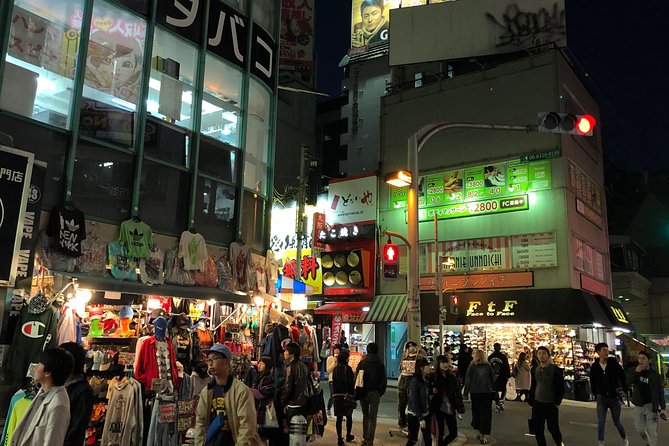
Amerikamura is the kind of district where you can get a different shopping mood—more street style, more variety, and plenty of reasons to step in and out of shops.
This stop works well as a final neighborhood because it lets you respond to what you liked earlier. If your taste shifts—maybe you start the day thinking one thing and end up wanting something more casual—Amerikamura gives you options.
Just remember: because it’s a timed tour, treat Amerikamura as your finishing “decision zone.” If you’ve found two or three favorites, this is where you compare and commit.
Walking, transit, and taxis: how to keep four hours from slipping away
This experience is a walking-based shopping tour, and your host can suggest public transport or taxi options if needed. Since transportation costs aren’t included, any taxi rides are extra, but they can be worth it if it saves you time between distant stops.
Here’s the practical approach I’d use if you’re planning your day:
- Wear comfortable shoes and bring a small bag you can carry while shopping.
- Keep your “must buy” list short so you can move fast when you find the right shop.
- If you feel far from your next stop, ask your host about the quickest way to make the most of your time.
Because the tour loops back to the meeting point, your host is managing the day like a route problem, not a random walk.
The guides: why they can make or break the day
The reviews highlight how much the host matters. Fumiko is mentioned for luxury vintage shopping support, and one of the big wins was that she acted as both a shopping helper and a translator when needed. That’s a very real service in Japan—labels, material details, and sizing can slow you down.
Mayura is mentioned for making the day feel friendly and easy, especially for cooking and housewares. That kind of “shopping buddy” vibe matters because you’re more likely to ask questions and move confidently rather than silently second-guess.
I also like that feedback has been used to think about practical issues like store opening times. If you have a deadline—like you want to buy something before a specific day’s end—tell your host early so they can plan accordingly.
Who this tour fits best (and who should pick something else)
This is a great match if:
- You want shopping help but not a rigid schedule.
- You’re shopping for gifts and want a mix of categories.
- You feel overwhelmed in Osaka and want someone to guide your route.
- You’d value translation help and decision support.
It’s also a good fit for people who like walking and who don’t want to spend time figuring out trains and transfers. The route is set up for a city-on-foot feel, with optional transport suggestions if needed.
You might consider a different style of tour if:
- You only want one store or one brand.
- You prefer full self-guided control and don’t want any input shaping where you go.
- You’re okay using transit on your own without any guiding support.
Should you book this private Osaka shopping experience?
Book it if you want a smart use of your limited time in Osaka. For the price, you’re not buying “a walk.” You’re buying a plan built around your tastes, with a host who helps you shop confidently across multiple neighborhoods.
It’s especially worth it if you care about the details—like luxury vintage items, housewares and cooking goods, traditional Japanese items, or gadgets—and you don’t want to waste hours chasing the wrong stores. The private setup also means your day can feel more like time with a helpful friend than a mass tour.
If you’re flexible and you show up with clear priorities, you’ll likely leave with more than just souvenirs. You’ll leave with the feeling that you shopped Osaka like you actually lived there for a week.
FAQ
How long is the shopping experience?
It lasts about 4 hours in the city with a host.
Is this a private tour or shared group?
This is a private tour. Only your group participates.
Where do I meet, and where does the tour end?
You meet at Starbucks Coffee – Tsutaya Ebisubashi (1-chōme-8-19 Dōtonbori, Chuo Ward, Osaka). The tour ends back at the meeting point.
Is hotel pickup included?
Hotel meet-up is available on request for central locations. The tour also includes hotel pickup from central city accommodation.
What’s included in the price?
Included are the private and personalized experience, 4 hours with a host, and a walking experience (with suggestions for public transport or taxis if required).
What isn’t included?
Food and drinks, tickets to attractions, and transportation costs are not included. Gratuities are also not included.
Which neighborhoods will we shop in?
Your host guides a route through the best shopping districts, and the itinerary can include Umeda, Namba, Shinsaibashi, Den Den Town, and Amerikamura. The specific shops may differ based on your interests.
Can I cancel for a full refund?
Yes. You can cancel up to 24 hours in advance for a full refund.