Temple quiet beats any spa lobby. In Osaka, this foot bath to matcha facial zen session is a slow, sensory reset: aromatherapy oil massage, bamboo fascia release, soothing head spa, then matcha care and a tea ceremony to close. One possible drawback: it’s a full sequence, so if you only want a quick massage and hate the idea of added skincare and tea, this package may feel like too much.
What I like most is how the experience feels intentionally paced. You’ll get greeted by staff in traditional kimono, offered a yukata, and treated to a complimentary photo (and they also capture small video moments).
Finally, the setting and group size help you relax for real. This is a small group (up to 3 travelers), and the session is ticketed via a mobile ticket, which keeps everything straightforward once you arrive.
In This Review
- Key takeaways
- Entering a calm temple rhythm in Osaka
- Your first reset: foot bath + choosing your oil
- Full-body oil massage and bamboo fascia release
- Matcha facial skincare that feels like a treat, not a gimmick
- Head spa: the stress-melter after the face
- Yukata moments and temple basics you can use
- Tea ceremony with traditional sweets: the cultural finish
- Price and small-group value in Osaka
- Who this Zen temple spa is best for
- Should you book Zen Japanese Massage at the Temple?
- FAQ
- What does the Zen Japanese Massage, Head Spa & Facial course include?
- How long is the experience?
- Where do I meet the tour?
- Is it a small group?
- Is there a mobile ticket?
- Can I request a specific essential oil for the massage?
- Does the experience include a tea ceremony?
- Are photos included?
- Is free cancellation available?
- Should I book? (Quick decision)
Key takeaways
- Temple setting with a guided start: Staff explain the temple background and how to worship using guidebooks, so the calm isn’t just vibes.
- Foot bath before the hands start: You begin with a soothing soak to loosen up before the massage work.
- Aromatherapy oil massage: You choose your favorite essential oil, then get a full-body oil massage.
- Bamboo fascia release: A bamboo stick is used for fascia release, targeted at easing deep tightness.
- Matcha facial plus head spa: Skincare comes with matcha nourishment, followed by a relaxing head spa for stress relief.
- Yukata + photo + tea ceremony: You’ll end with a cultural finish—yukata memories and a tea ceremony with traditional sweets.
Entering a calm temple rhythm in Osaka
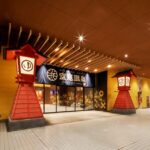
Osaka has plenty of great massage options. This one is different because it anchors you in a traditional temple atmosphere instead of a storefront spa vibe. You’re welcomed by staff dressed in kimono, and you’re given a clear, gentle flow from the first moment you sit down to the final tea bite.
The day doesn’t rush. You move through set stages—so you can stop making decisions. That matters because when you’re on vacation, the “what happens next?” stress can ruin relaxation fast.
You’ll also get a small dose of temple context. Even if you’re not a “religion-history” person, learning a few basics about worship and the temple origin helps you feel like you’re participating in something real, not just watching a show.
You can also read our reviews of more tours and experiences in Osaka
Your first reset: foot bath + choosing your oil
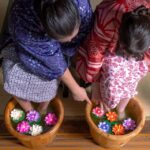
Before any massage hands touch you, you start with a relaxing foot bath. It’s a smart first step. Warm water brings your body down a notch and prepares your muscles for the full-body work that follows. By the time you lie down, you’re already in “slow mode.”
Next comes the aromatherapy part. You get a full-body oil massage using your favorite essential oil. That choice is more meaningful than it sounds. If you pick an oil that matches what you actually want—calming, grounding, or energizing—you’re directing the mood of the whole session.
A practical note: this is not a “we’ll talk later” setup. You’ll be guided through the flow by the staff, so you don’t have to manage the timing yourself. If you like clear structure while traveling, you’ll appreciate this.
Full-body oil massage and bamboo fascia release
The core of the experience is the massage itself, and it’s built around two techniques: classic oil work and fascia release with a bamboo stick.
An oil massage is good for obvious reasons: it reduces stiffness, improves circulation, and makes your body feel lighter. But what I love here is how they add the fascia release step. Fascia can get tight and grabby, especially after flights, subway days, and all the walking you do in Japan.
Then the bamboo stick comes in for fascia release. The idea is to ease deep tightness, not just surface muscle soreness. You’re not just getting rubbed—you’re getting a more targeted approach that focuses on those deeper “stuck spots.”
Is it intense? It can be. You’re asking for fascia work, which tends to feel more noticeable than a basic relaxation massage. The upside is that many people walk out feeling like the tension got actually worked through, not just temporarily covered up.
Matcha facial skincare that feels like a treat, not a gimmick
After the body work, you shift to skincare with a facial treatment using high-quality matcha. Matcha isn’t here as a novelty. It’s part of a nourishing facial pack meant to care for your skin while keeping the overall mood calm and gentle.
This is one of the most satisfying transitions in the whole itinerary. Massage relaxes your muscles. A facial resets how you feel in your skin—especially after days of sun, city air, dry indoor air, or just wearing the same face for weeks while traveling.
You’ll also get the sense that this is designed as a full relaxation circuit. Instead of stopping after the massage, they keep the session moving so you don’t hit that awkward “now what?” moment. The matcha facial step bridges that gap beautifully.
Head spa: the stress-melter after the face
Right after the matcha facial, you move into a soothing head spa. This part can feel like the secret weapon of the whole experience because it targets what makes travel stress stick around: your scalp and head tension.
Head spa usually works fast for many people. Even if your body still feels heavy, you can often tell the difference in your head—less tightness, less mental chatter, more “oh, I can breathe again.”
Pairing the head spa after facial care also makes sense. Your face is calmer, your scalp gets attention, and then your whole upper body feels like it finally belongs to you again. It’s a tidy rhythm: care the face, then care the mind-body stress you carry through your head.
If you’re the type who gets headaches from travel, this is the kind of add-on you’ll actually notice.
Yukata moments and temple basics you can use
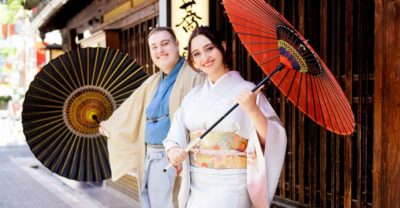
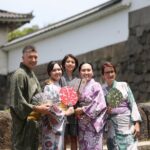
One thing that really boosts the value here is how they handle visuals and meaning. You’ll have the chance to wear a yukata, and staff will provide a complimentary photo to capture the moment. Based on what’s been shared by people who’ve done the session, they also take small photo and video moments, which gives you more than one static souvenir.
More than the pictures, I like that you get a mini “how-to” for temple behavior. The staff explain the history and origins of the temple and guide you on how to worship using guidebooks. That’s practical. It helps you avoid that awkward feeling of not knowing what you’re supposed to do.
This is also where the experience becomes more than a spa appointment. It becomes a cultural moment you can carry home, which is why the photos don’t feel like a sales tactic. They feel like documentation of something you actually experienced.
Tea ceremony with traditional sweets: the cultural finish
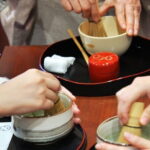
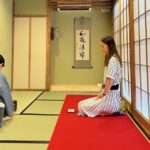
You don’t just leave after massage and skincare. You end with an authentic tea ceremony with traditional Japanese sweets. This is a great choice because tea ceremony is slow by design. It gives your nervous system a final landing after hands-on body work.
If you’re the type who likes travel experiences that connect senses—taste, smell, temperature—this ending will work. The sweets and tea fit naturally into the “relaxation arc” you’ve been on since the foot bath.
And timing-wise, it helps you avoid the common travel problem where you feel great during the treatment, then immediately get hit by hunger, crowds, and noise. Here, you close the loop in a calmer setting.
Price and small-group value in Osaka
At $260.61 per person, this isn’t a budget activity. So the question is whether it feels like value—or just a splurge.
Here’s how it earns its price. You’re paying for a full 180-minute course with multiple distinct elements:
- foot bath
- full-body oil massage with chosen essential oil
- bamboo fascia release
- matcha facial
- head spa
- yukata photo moment
- tea ceremony with sweets
Then add the fact that the group is capped at 3 travelers. In a small group, the staff can keep the pacing comfortable and attention consistent. For relaxation, that matters. You’re not competing for quiet or waiting for someone else’s body work to end.
One more value point: it’s in a temple setting, with staff dressed in kimono and a cultural explanation component. That turns it into a blend of care and experience rather than “just massage,” which is what drives the total cost upward.
If you’re already spending money on Osaka highlights, this can be a smart way to balance the trip. It gives your body a break while also giving you something you can’t easily recreate at home.
Who this Zen temple spa is best for
This course fits best if you want:
- a full relaxation circuit, not just one treatment
- the massage + skincare combo in one sitting
- a calm, temple-based atmosphere
- a chance to wear a yukata and get photos
- a cultural add-on that ends the day with tea and sweets
It may not be the best fit if you dislike longer formats. This is designed as a 3-hour-plus, multi-step session, so it takes time even though it feels relaxing.
It’s also a good choice early in your trip. One reason people love it is that it can act like a reset button after travel days. If your schedule has you arriving tired, this is the kind of appointment that makes your next day feel smoother.
On logistics, the meeting point is in Nishi Ward, at Tossa de coracao, 1-chōme-6-19 Kitahorie, 550-0014. It’s near public transportation, and you’ll have a mobile ticket. Service animals are allowed, and most travelers can participate.
Should you book Zen Japanese Massage at the Temple?
Book it if you want a genuinely calm, multi-part experience where the relaxation feels purposeful. The strongest reasons to choose this are the foot bath + aromatherapy oil massage + bamboo fascia release combination, followed by matcha facial and head spa, and then a culturally grounded tea ceremony finish.
Skip it only if you want a shorter, simpler massage and don’t care about yukata photos, skincare steps, or tea ceremony. This isn’t that kind of session.
If you do book, show up with a clear mindset: plan to let the whole 180 minutes be about you. This works best when you resist “I’ll squeeze this in between things” thinking and actually treat it like a scheduled reset.
FAQ
What does the Zen Japanese Massage, Head Spa & Facial course include?
It includes a welcoming by staff in traditional kimonos, a chance to wear a yukata and receive a complimentary photo, a foot bath, an essential-oil full-body massage, fascia release with a bamboo stick, a matcha facial treatment, a head spa, a tea ceremony with traditional Japanese sweets, and an explanation of the temple history and how to worship using guidebooks.
How long is the experience?
The course is about 180 minutes (listed as part of a roughly 3 hours 30 minutes activity).
Where do I meet the tour?
Meet at Tossa de coracao, 1-chōme-6-19 Kitahorie, Nishi Ward, Osaka, 550-0014, Japan. The experience ends back at the meeting point.
Is it a small group?
Yes. The experience has a maximum of 3 travelers.
Is there a mobile ticket?
Yes. The tour uses a mobile ticket.
Can I request a specific essential oil for the massage?
Yes. You can choose your favorite essential oil for the full-body oil massage.
Does the experience include a tea ceremony?
Yes. It ends with an authentic tea ceremony, along with traditional Japanese sweets.
Are photos included?
Yes. You’ll receive a complimentary photo tied to your yukata moment. Small photo/video moments are also part of the experience.
Is free cancellation available?
Yes. You can cancel up to 24 hours in advance for a full refund.
Should I book? (Quick decision)
If your ideal Osaka day includes calm temple atmosphere, hands-on body relief, matcha skincare, and a tea ceremony ending, this is a strong pick. If you prefer only one type of treatment or don’t want a longer, multi-step format, choose something shorter instead.