REVIEW · OSAKA
Umami Town Street Food Tour
Book on Viator →Operated by Culinary Backstreets Walks · Bookable on Viator
Your stomach will map Osaka for you. This 5-hour Umami-focused street food tour strings together three major Osaka stops with a small-group guide, so you can eat well and navigate the city without second-guessing every alley.
I love that you sample many Osaka favorites in one outing, including street mainstays like takoyaki and okonomiyaki, while the guide handles the where-and-what part. I also like the Umami angle: guides explain the ingredients and why the flavor works, and that turns eating into something you can actually repeat later at home.
The main drawback is the price. At $175 per person, it is a “pay for planning” experience, and you should be ready for a solid 5-hour walk through busy food areas.
In This Review
- Key things to know before you go
- Umami Town in Osaka: a street-food plan that actually makes sense
- Price and value: what $175 buys you in Osaka
- Start point, timing, and how to reduce day-of stress
- Stop 1: Osaka Tenmangu Shrine and the learning-themed warm-up
- Stop 2: Kuromon Market for street staples like takoyaki and sushi
- Stop 3: Dotonbori Tsuribori for neon energy and okonomiyaki cravings
- What you actually eat: Umami-first street food, not random sampling
- The guide makes the day: why Miyo, Miso, and Yuka get praised
- Small group size and pacing: how you avoid food-fight chaos
- Drinks, snacks, and dinner: the included food plan
- Booking timing: plan for about 50 days out
- Who this Osaka Umami Town tour fits best
- Should you book Umami Town Street Food Tour?
- FAQ
- How long is the Umami Town Street Food Tour?
- What does the $175 per person price include?
- Where does the tour start and end?
- Is private transportation included?
- Are there entry fees at the listed stops?
- Can I cancel and get a refund?
Key things to know before you go
- Max group size of 7 keeps the pace human and questions possible
- Umami lessons led by guides such as Miyo, Miso, and Yuka add meaning to the bites
- Three anchor stops: Osaka Tenmangu Shrine, Kuromon Market, and Dotonbori Tsuribori
- Food and drink are bundled: dinner, snacks, bottled water, plus alcoholic beverages
- Admission is listed as free at the shrine/market/dotonbori segments
- Mobile ticket means less fuss once you arrive
Umami Town in Osaka: a street-food plan that actually makes sense
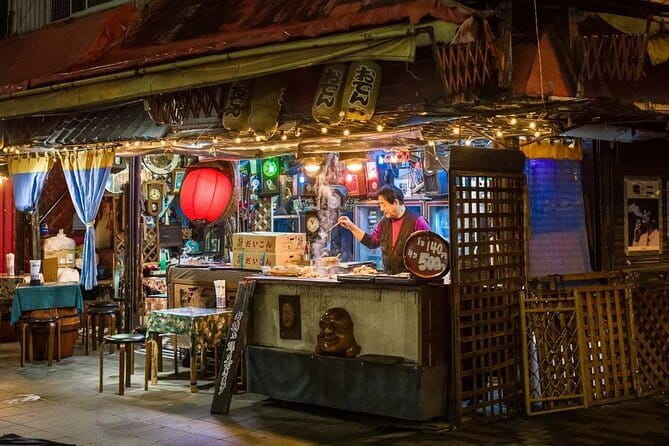
Osaka has a reputation for street food, but reputation is not a map. This tour is built to connect the dots: you get a guided route through key neighborhoods and then you taste your way through the flavors that make Osaka famous. The big idea is Umami—learning what creates that deep, savory satisfaction—so it is not just eating for eating’s sake.
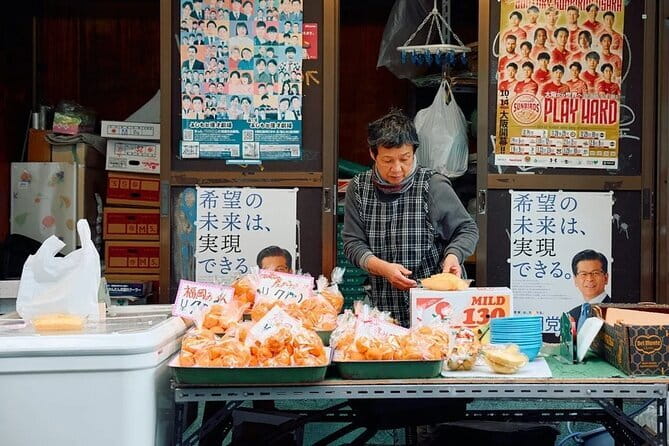
The tour’s small size matters. When your group is capped at 7, the guide can slow down for questions, reroute if a shop is crowded, and help you order with confidence. It also helps if you are traveling with mixed food comfort levels, since the guide can guide the day rather than forcing everyone down the same rigid lane.
You can also read our reviews of more food & drink experiences in Osaka

Price and value: what $175 buys you in Osaka
At $175 per person, you are not buying a cheap snack crawl. You are paying for several things that add up fast in Japan:
- Guidance and translation so you can order confidently
- Shop access and timing so you do not spend half the day figuring out what is worth your money
- A bundled food plan that includes dinner, snacks, bottled water, and alcoholic beverages
If you usually plan your own itinerary, this kind of paid structure can feel like a premium. But if you want a reliable plan that gets you to the right places without researching every menu, the price can start to look reasonable. Also, the tour is often booked about 50 days in advance, which usually means people find the format useful.
Start point, timing, and how to reduce day-of stress
This tour starts at 10:00 am at Minami-Morimachi Station (2 Chome-1 Minamimorimachi, Kita Ward, Osaka) and returns back to the meeting point. You also get a mobile ticket, which is helpful when you are trying to keep your phone charged and your day smooth.
Because it runs for about 5 hours, treat it like a primary activity—not something you slot between random errands. Plan to wear comfortable shoes, keep your phone power in mind, and leave a little buffer before and after. Near public transportation is a plus, since Osaka’s transit is good but not always your fastest route during rush times.
Stop 1: Osaka Tenmangu Shrine and the learning-themed warm-up
The day begins at Osaka Tenmangu Shrine, a shrine dedicated to Sugawara no Michizane. He was a scholar and politician in the Heian period, and he is deified as Tenjin, the kami associated with learning, scholarship, and literature.
Why start with a shrine on a street-food tour? Because it changes the vibe. Instead of jumping straight into eating, you begin with a cultural anchor and a clear theme: food in Japan often starts with respect for craft and ingredients. Even if you are not deep into shrine visits, this opening gives you a calmer entry point before the markets and neon streets.
This segment is listed at 1 hour and admission is free, so it is not eating time you lose—it is time you spend setting context. The only consideration is pacing: if you dislike slower cultural stops, make sure you are comfortable with a full hour before the food starts stacking up.
Stop 2: Kuromon Market for street staples like takoyaki and sushi

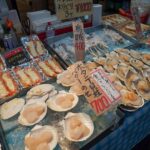
Next is Kuromon Market, often described as a food hub—fresh seafood, meats, and street-level snacks like takoyaki and sushi. This stop is short: about 30 minutes, with free admission listed for the segment.
That time limit is the biggest thing to understand. Kuromon can feel like information overload—lots of stalls, lots of sights, lots of smells. With a guide, the advantage is you do not need to rank vendors on your own. You can focus on tasting what the route is designed to include and use the guide’s explanations to choose intelligently.
The drawback is obvious: 30 minutes does not turn into a full market shopping session. If you love browsing and buying ingredients, you may want to add extra market time on another day. This stop is built to feed you, not to outfit your pantry.
You can also read our reviews of more tours and experiences in Osaka


Stop 3: Dotonbori Tsuribori for neon energy and okonomiyaki cravings
The final anchor is Dotonbori Tsuribori, the entertainment district known for neon lights and large signboards. It also connects directly to Osaka’s food identity, with street favorites like takoyaki and okonomiyaki.
This stop is about 1 hour, and admission is listed as free for the activity segment. If you care about photos and atmosphere, this is where Osaka looks like Osaka. If you dislike crowded areas, plan for that reality. Dotonbori is a magnet, so the sidewalks can get tight when groups cluster near the most popular counters.
The upside: by the time you reach Dotonbori, you already understand the flavor logic. The earlier Umami conversation and the earlier tastes make the last stop feel more connected, not just like a final buffet moment.
What you actually eat: Umami-first street food, not random sampling
The tour focuses on Osaka’s popular dishes and specifically calls out learning about the ingredients behind items like takoyaki and okonomiyaki. That matters more than it sounds. When you understand what creates Umami—savory depth from ingredients like broth, fermented elements, or carefully balanced seasoning—you start recognizing why certain shops’ versions taste better.
The reviews you can find around this tour often mention the guide framing the day around Umami, and that is a strong signal the guide does more than hand you food. People mention Umami lessons that are eye-opening and very practical, plus guide facts about the neighborhood. One theme that comes up is the idea of hidden details in the area—like “hidden tunnels” that add another layer to the geography of the food stops.
You may also see extra variety depending on the route and guide. For example, one review notes tasting fugu during an Osaka tour led by Yuka. Since the official tour description highlights takoyaki and okonomiyaki, treat other items as possible additions rather than guarantees.
Practical advice: if you have dietary needs, tell your guide at the start and again as you confirm the tastings you are comfortable with. The tour is designed to be guided and flexible, but you still need to do your part.
The guide makes the day: why Miyo, Miso, and Yuka get praised
This is where the experience turns from a route into a memory. Multiple guides are named in feedback—Miyo, Miso, and Yuka—and the praise pattern is consistent: warmth, planning ahead, and thoughtful explanations.
Here’s what that looks like in real terms:
- Guides help you feel comfortable ordering in small shops and busy streets.
- They share context so the food connects to place and ingredient logic.
- They sometimes add extra effort for popular items, which can mean less waiting for your group.
One review mentions that Miyo prepped carefully for a group of 7, including kids with different comfort levels, and adjusted the flow accordingly. Another review mentions Miso sharing detailed local facts like area features and also giving solid recommendations after the tour. Yuka is mentioned as going above and beyond to keep people comfortable and happy.
If you choose a guided food tour, you are really choosing a guide’s personality and skill at pacing. The guide leadership here is a big part of why this tour gets such strong ratings.
Small group size and pacing: how you avoid food-fight chaos
With a maximum group size of 7, the tour can keep a steadier pace than the big coach-style food walks. That affects your day in three ways:
First, you get space to ask questions. When the guide explains why a dish works—often tied to the Umami concept—it is easier to track the food logic.
Second, you are less likely to feel rushed between tasting points. Street food tours can turn into “eat fast, move fast.” Here, the format is meant to keep you moving through neighborhoods, but still allow the guide to guide.
Third, you can get practical local recommendations. The tour specifically encourages you to ask for more local ideas, which is useful because Osaka’s best food often comes down to knowing which area and which style suits your tastes.
Drinks, snacks, and dinner: the included food plan
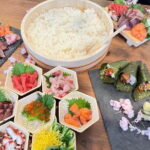
The tour includes dinner, snacks, bottled water, and alcoholic beverages. That is a key part of the value math. Many street food experiences give you tastings but not a full meal and drink plan, so you end up paying extra later.
Alcohol included is a plus if you like a drink with food. It can be a hassle if you prefer non-alcohol tastings, since you might have to politely manage what is offered. Your best move is to mention your preference early, so the guide can steer you toward what makes sense for you.
Also, since you are eating frequently, pace your water intake. Bottled water is provided, but it still helps to sip between tastings so you can enjoy each new dish rather than just chasing the next bite.
Booking timing: plan for about 50 days out
The tour averages 50 days in advance bookings. That is a useful clue. If you are traveling at peak times or you know you want this specific Umami format, lock it in earlier rather than assuming you can decide last minute.
Who this Osaka Umami Town tour fits best
This experience is a good fit if:
- You want a guided Osaka street food plan instead of building one from scratch
- You like learning the “why” behind dishes like takoyaki and okonomiyaki
- You prefer a small group over large crowd tours
- You want an itinerary built around key food neighborhoods without wasting time deciding
It may not be for you if:
- You prefer to roam completely on your own with zero structure
- You hate walking for several hours through busy districts
- You expect a very slow, long market-style shopping trip
Should you book Umami Town Street Food Tour?
Book it if you want Osaka street food with guardrails: you get a guide-led route, Umami-focused explanations, and a bundled meal-and-snack plan that can save you from hours of menu guessing. The pricing makes more sense when you factor in the guide time and the fact that dinner, snacks, bottled water, and alcoholic beverages are included.
Skip or compare if you are extremely budget-sensitive or you want total freedom to linger where you want without a set 5-hour format. Also, if you have strict dietary restrictions, reach out early and make sure the guide can work with your needs so the day stays enjoyable.
If you do book, ask your guide for after-tour recommendations at the end of the walk. That simple question can turn one great day into a whole extra day of good eating.
FAQ
How long is the Umami Town Street Food Tour?
The tour runs for about 5 hours.
What does the $175 per person price include?
It includes dinner, snacks, bottled water, and alcoholic beverages.
Where does the tour start and end?
It starts at Minami-Morimachi Station (2 Chome-1 Minamimorimachi, Kita Ward, Osaka) and ends back at the meeting point.
Is private transportation included?
No. Private transportation is not included.
Are there entry fees at the listed stops?
The tour lists admission tickets as free for Osaka Tenmangu Shrine, Kuromon Market, and Dotonbori Tsuribori.
Can I cancel and get a refund?
Yes. You can cancel for free up to 24 hours before the experience starts for a full refund.
![[1 Group Only] Osaka Street Food Tour for Family - The takoyaki moment: what’s included (and why it’s a smart anchor)](https://9.osakaadventures.com/wp-content/uploads/1-group-only-osaka-street-food-tour-for-family-400x267.jpg)