REVIEW · OSAKA
Osaka Okonomiyaki Cooking Experience!
Book on Viator →Operated by C Flat - Okonomiyaki cooking experinece! · Bookable on Viator
Osaka tastes better when you cook it. This small-group class in an Osaka hostel turns okonomiyaki into a hands-on, local chat session with Keiko and friends. You learn the simple method you can repeat at home, not just how to order in a restaurant—plus you get Osaka comfort food in a social setting near Nagahoribashi.
I especially love the hands-on coaching and the way Keiko (with her mother and assistant Sachiko) keeps things friendly and organized. The other big win is the local conversation, including Osaka-focused tips and lots of practical discussion about ingredients and how you can adapt the dish for your life back home.
One thing to consider: if you have strict dietary needs, read the fine print. The class notes ingredients may contain refined sugar, and there’s a possibility of cross-contamination because it’s a group lesson.
In This Review
- Key things I think you’ll care about
- Meeting Keiko Near Nagahoribashi: The Easy Start at 4:00 PM
- The Two-Hour Plan: What You Actually Cook (Not Just What You Eat)
- Osaka-Style Okonomiyaki: Skills You Can Repeat at Home
- Miso Soup Included: The Meal Feels Complete
- Dietary Options: Vegan, Vegetarian, Halal, and the Fine Print
- The Social Part: Cooking With Keiko’s Team and Osaka Locals
- What You Get to Take Home: Aprons, Bags, and Written Notes
- Price and Value: Is $49.55 Worth It?
- Best Times and Timing Tips (Including Possible Night Sessions)
- Who This Class Suits Best (And Who Might Skip It)
- Should You Book Osaka Okonomiyaki Cooking Experience?
- FAQ
- What is the duration of the Osaka okonomiyaki cooking experience?
- Where do I meet for the class?
- What time does the class start?
- How many people are in the class?
- What will I learn to cook?
- Can dietary needs like vegan or Halal be accommodated?
- Is there any cross-contamination risk?
- Do I get a mobile ticket?
- Is the experience offered only in the afternoon?
- What if my plans change—can I get a refund?
Key things I think you’ll care about
- Small group, up to 6 people for real interaction, not a cooking demo you watch from the sidelines
- Osaka-style menu focused on miso soup and okonomiyaki, with simple steps you can copy later
- Keiko’s family team (Keiko, her mother, and assistant Sachiko) means lots of help during the hands-on cooking
- Diet options by request such as vegan, vegetarian, and Halal, with clear notes about sugar and cross-contact
- Local extras like aprons made from kimono material and small handmade souvenir bags made from used kimonos
Meeting Keiko Near Nagahoribashi: The Easy Start at 4:00 PM
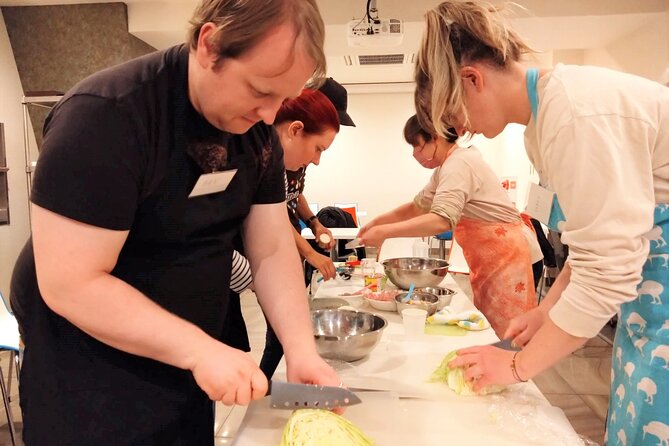
You’ll meet at 1-chōme-1-3 Higashishinsaibashi, Chuo Ward, Osaka 542-0083, Japan, and the class starts at 4:00 pm. The location is close to public transportation, so you’re not stuck with a complicated subway sprint or a long taxi bill. A mobile ticket is used, so you’ll just show your phone when you arrive.
This is also the kind of meeting point that makes the whole day feel calmer. It’s not a “meet in a crowded street” situation. Instead, you get pulled into a small setting where the host team can actually talk to everyone and keep the pace comfortable. That matters because okonomiyaki is hands-on. You want time to ask questions before your batter hits the griddle like a fun little cooking experiment.
Also, note the vibe: it’s described as a small-group cooking class in a local hostel setting. Even when the pace is relaxed, you still get structure—ingredients, tools, and guidance—so you don’t spend your 2 hours confused.
You can also read our reviews of more cooking classes in Osaka

The Two-Hour Plan: What You Actually Cook (Not Just What You Eat)
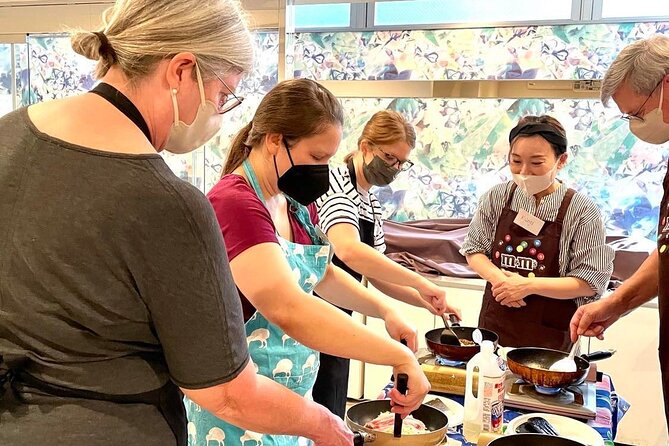
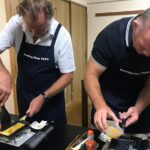
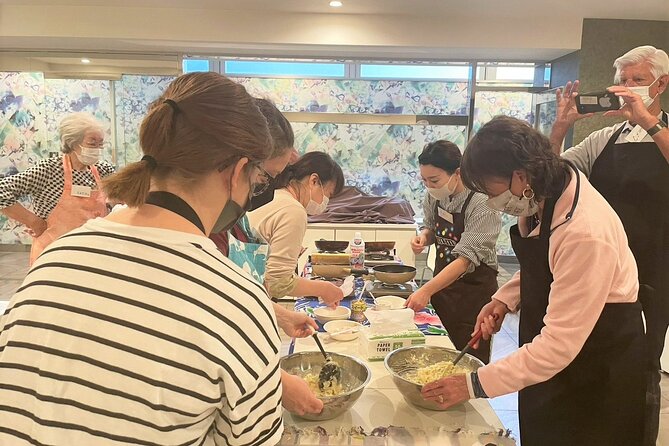
The experience runs about 2 hours and it’s built around learning the basics of two Osaka staples: miso soup and okonomiyaki (savory Japanese pancakes). You’ll cook with your group, and locals may be invited by the host—so expect conversation while you work, not silence while you eat.
In practical terms, you’re not just learning a recipe. You’re learning a flow:
- Set up and prep for okonomiyaki
- Cook with step-by-step guidance from Keiko’s team
- Make miso soup alongside (so the meal feels complete)
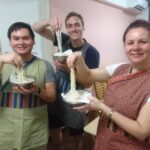
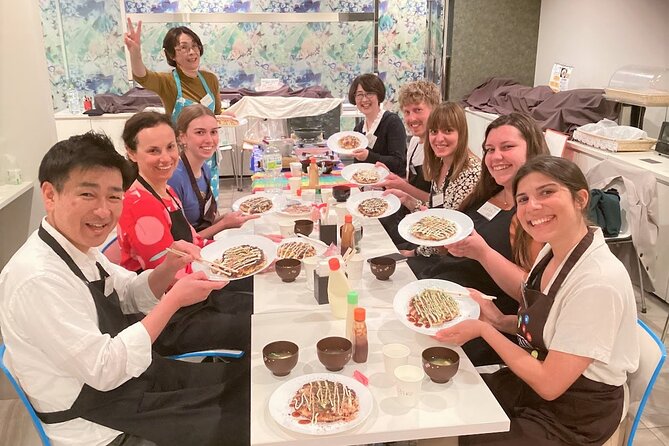
- Sit down together after cooking and eat what you made
You might also get a small extra dessert in some sessions—one review specifically mentioned mochi—so don’t be shocked if there’s more than just pancakes and soup. The real point is that the meal lands as a proper Osaka-style dinner snack, not a tiny tasting plate.
And yes, the goal is repeatability. Keiko teaches the simplest way to cook so you can make okonomiyaki at home without needing a specialty store run or weird tools. That’s why this class feels different from a lot of food tours: you leave with usable skills.
Osaka-Style Okonomiyaki: Skills You Can Repeat at Home
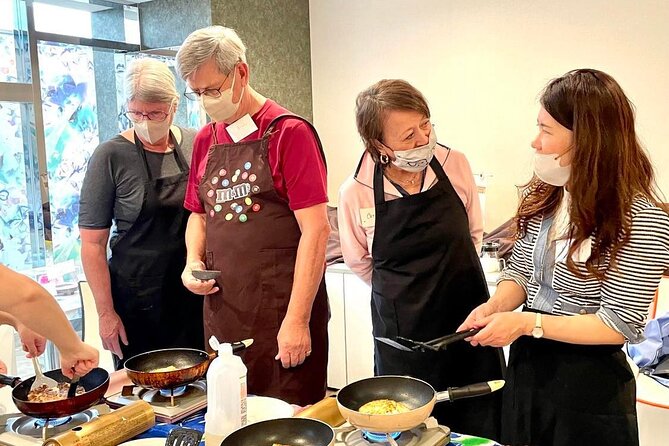
Osaka okonomiyaki has a reputation as comfort food, and this class leans into the practical side of why. The method is straightforward enough that you can learn it in one go, but detailed enough that your results are actually good—not just edible.
Keiko explains the dish, including how it connects to everyday Japanese family life and how it fits into local tastes. One helpful angle mentioned is understanding differences between regional styles (Osaka vs Hiroshima). Even if you don’t care about the regional trivia, knowing that the dish isn’t one-size-fits-all helps you adjust confidently later.
What you’ll do during the cooking:
- Build your okonomiyaki based on the host’s Osaka approach
- Learn how to handle the batter so it cooks properly
- Get guidance while you’re cooking, not after you’ve messed up
- Ask questions as you go
A lot of cooking classes fail when they become either too technical or too vague. This one seems to stay in the sweet spot: clear enough to follow, relaxed enough to ask, and paced for a small group.
Also, the class doesn’t just end when you finish eating. Keiko provides written info after the experience (reported by multiple participants). That’s a big deal if you’re traveling. When you’re back home, you’ll remember the taste, but you might forget the exact steps. Those written notes help you recreate the flavor instead of guessing.
Miso Soup Included: The Meal Feels Complete
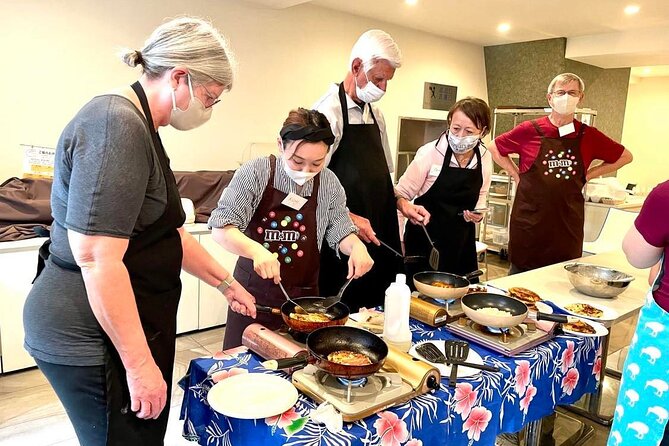
Okonomiyaki is the star, but miso soup is the quiet reason this feels like a real meal class. Instead of leaving you with a pile of pancakes and no context, the soup rounds out the plate the way locals eat it.
You’ll learn how to make it alongside your okonomiyaki steps, which means you’re not rushing at the end. It also helps you understand the rhythm of the meal: savory pancake + warm soup. It’s not just cooking. It’s learning how a simple home-style meal is assembled.
If you’re used to only eating miso soup from packets or restaurant bowls, this is a nice moment to see how approachable it can be. And if you’re someone who wants to bring at least one “real Japanese home” skill back to your kitchen, miso soup is a great anchor because it’s easy to scale and easy to adjust.
Dietary Options: Vegan, Vegetarian, Halal, and the Fine Print
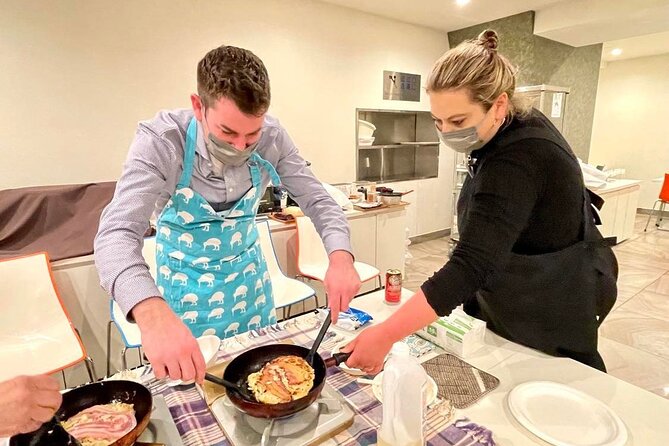
This is a key strength of the experience: Keiko says she can accommodate requests like vegan, vegetarian, and Halal. That’s huge for travelers who don’t want to gamble on ingredients or rely on airport snacks until they find something safe.
That said, you should plan with the two cautions listed in the class details:
- Ingredients may contain refined sugar
- There’s a possibility of cross-contamination because it’s a group lesson
So here’s the honest approach: if you have a mild preference, you’ll likely be fine by requesting ahead. If you have a severe allergy or strict intolerance, contact the host or be extra direct about what you can and cannot eat. In group cooking, shared spaces and tools can matter.
The upside is that the host team is engaged and responsive. Multiple participants praised how well dietary needs were handled. One participant even described having vegan okonomiyaki catered to well. That’s a strong signal that the request process isn’t just checkbox marketing.




The Social Part: Cooking With Keiko’s Team and Osaka Locals
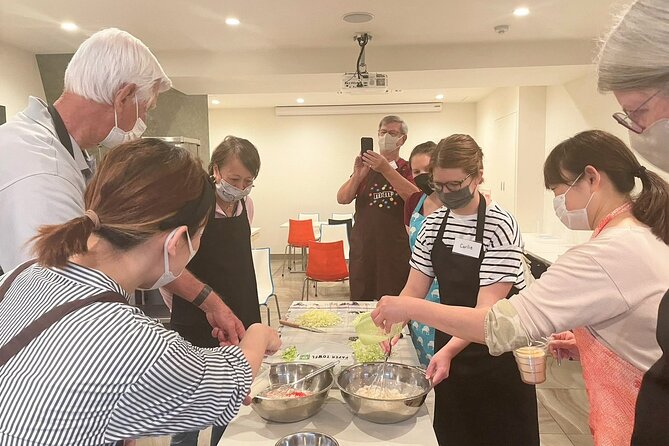
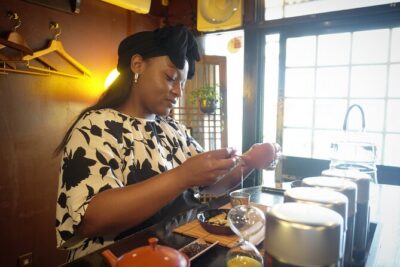
This class isn’t only about food technique. It’s built for talking. Keiko’s team invites guests into a warm, conversational vibe where you’re cooking with people, not just standing near them.
Keiko and her mother are repeatedly described as sweet, welcoming, and patient. Assistant Sachiko is also mentioned as helpful and fun to chat with. And the locals—when invited—add a layer of real Osaka flavor to the experience.
The best part is that you’re doing it while you cook. You’re not stuck in an awkward language-exchange circle with nothing to do. If you want to practice Japanese, this is also the kind of setting where a few phrases land naturally because everyone’s focused on what’s happening at the griddle.
You may also get small “cultural exchange” conversations beyond the recipe. One common theme is discussion about local ingredients you can use back home. Another is how to think about variations. That’s the difference between a class that gives you instructions and one that gives you confidence.
What You Get to Take Home: Aprons, Bags, and Written Notes
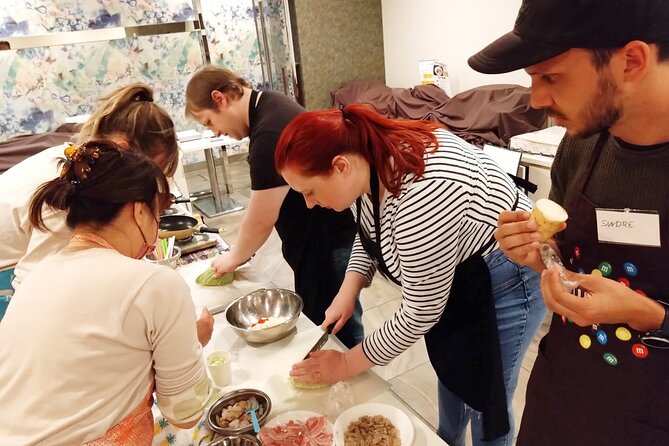
Small details matter in classes like this. You’ll likely notice the apron setup right away: one review mentioned aprons made from kimono material. Another mentioned mom-made souvenir bags using used kimonos. These touches aren’t just cute for photos. They’re part of the family effort behind the class.
Then there’s the more practical take-home item: written information after the class. That helps you cook again without guessing. If you’ve ever tried to recreate a dish from memory and ended up with a totally different result, you’ll understand why this matters. Even if the recipe seems simple, the exact balance is what creates the Osaka taste.
Also, you’ll come away with your own finished okonomiyaki. Multiple participants described feeling proud of their first attempts under supervision. That matters. A good class helps you succeed, not just learn theory.
Price and Value: Is $49.55 Worth It?
At $49.55 per person for about 2 hours, this isn’t a bargain cooking workshop. It also isn’t overpriced in the way some “experience” tickets can be.
Here’s what you’re paying for:
- A small group cap (max 6), which lowers the student-to-instructor ratio
- Hands-on cooking with guidance from Keiko’s family team
- The full meal setup (miso soup + okonomiyaki, plus possible extras)
- Real cultural interaction with locals in a hostel setting
- Repeatable instruction and written info for after the class
There’s also a scheduling reality. This experience is booked about 45 days in advance on average, which suggests it’s popular and not always available on a whim. If you’re traveling during busy weeks, plan ahead.
My view on value: if you want a fun dinner alternative in Osaka that’s active, social, and practical enough to use later, this is good value. If you’re the type who prefers to eat and snack your way through Osaka and skip cooking entirely, you might prefer a restaurant meal plus a market stroll instead.
Best Times and Timing Tips (Including Possible Night Sessions)
The standard start time listed is 4:00 pm, and the class runs roughly 2 hours. That timing is convenient because it fits between a late lunch and a typical dinner window. You’ll get a solid meal without needing to hunt for dinner immediately after.
You might also find that the class can be offered at night depending on the day. If your schedule is tighter in the afternoon, it’s worth checking available time options when you book.
One tip: treat this like a cooking session, not a quick snack stop. Come a bit hungry, wear comfortable clothes, and be ready to stand and cook. If you arrive just finishing a heavy Osaka meal, you may enjoy the class less because you’ll feel too full to appreciate what you made.
Who This Class Suits Best (And Who Might Skip It)
This class fits best if you want:
- Hands-on learning of a single iconic Osaka dish you can cook at home
- A small-group environment with time to talk
- Local connection, not just food facts
- Diet accommodations requested in advance (vegan/vegetarian/Halal)
You might skip it if you’re traveling only for tasting and you’re not interested in cooking at all. You may also want to think carefully if your dietary situation is complex or safety-critical due to the cross-contamination note.
Still, even for curious foodies, this can be a memorable Osaka day. It’s an alternative to the usual “walk, photograph, eat, repeat” pattern. Instead, you get a skill and a story.
Should You Book Osaka Okonomiyaki Cooking Experience?
Yes, I’d book it if your goal is to leave Osaka with more than photos and street snacks. The mix of small-group attention, Keiko’s team teaching style, and the chance to cook okonomiyaki and miso soup in one focused 2-hour session makes it a strong use of travel time.
Book it sooner if your dates are fixed, since it’s commonly reserved about 45 days in advance. And if you’re considering vegan/vegetarian/Halal needs, send your request clearly. Then confirm how the sugar and cross-contact notes apply to your situation.
If you’re on the fence, ask yourself this: do you want to eat Osaka… or learn how to make it? This class is built for the second option.
FAQ
What is the duration of the Osaka okonomiyaki cooking experience?
It lasts about 2 hours.
Where do I meet for the class?
You meet at 1-chōme-1-3 Higashishinsaibashi, Chuo Ward, Osaka, 542-0083, Japan.
What time does the class start?
The listed start time is 4:00 pm.
How many people are in the class?
The group has a maximum of 6 travelers.
What will I learn to cook?
You’ll learn to make miso soup and okonomiyaki savory pancakes.
Can dietary needs like vegan or Halal be accommodated?
The host says she can accommodate requests such as vegan, vegetarian, and Halal, though ingredients may contain refined sugar.
Is there any cross-contamination risk?
The class notes that there’s a possibility of cross-contamination due to group lessons.
Do I get a mobile ticket?
Yes, the experience uses a mobile ticket.
Is the experience offered only in the afternoon?
The details say the class can also be offered at night depending on the days.
What if my plans change—can I get a refund?
Free cancellation is available. You can cancel up to 24 hours in advance for a full refund.