REVIEW · OSAKA
Sushi and Japnese foods cooking class in Osaka
Book on Viator →Operated by Cooking Class YAYO · Bookable on Viator
Osaka has plenty of great sushi, but this one changes the game: you make dinner yourself. I like the small, home-style setting with Yayo, a licensed chef and warm English-speaking instructor, because it feels relaxed and personal. I also love that the food is hands-on from start to finish—sushi rice, nori rolling, and building your own rolls with fresh ingredients. One thing to consider: it’s very time-tight. If you’re late by 10 minutes, your spot is invalid and not refunded, so plan your route like a pro.
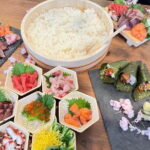
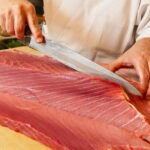
The class is designed for real technique, not just watching. You start with sushi rice prep and learn rolling steps, including how to place thin-sliced fish (sashimi) and other fillings inside nori. Then you sit down and eat what you made—plus miso soup, a Japanese omelet, snacks, and taiyaki for dessert.
If you want a quick sushi meal, this isn’t that. You’re paying for a compact cooking experience (about 2 hours 30 minutes) plus a full dinner, and it’s best when you’re ready to learn with your hands.
In This Review
- Key things I’d circle before you book
- Nori-Rolling In Osaka: Why This Class Feels Different From Dining Out
- Meeting Outside Noda Station And Getting To The Cooking Studio
- Sushi Rice And Nori Rolling: What You’ll Actually Learn
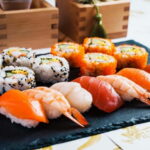
- The Dinner You Eat: Sushi Rolls, Miso Soup, Omelet, Snacks
- Optional Sake And Beer Tasting: How The Upgrade Works
- Home Kitchen Atmosphere: The Little Touches That Matter
- Price And Value: Is $165.13 A Good Deal?
- Who This Class Is Perfect For (And Who Might Want Something Else)
- Tips To Make It Smooth When You Arrive In Osaka
- Should You Book This Osaka Sushi Class?
- FAQ
- How long is the sushi-making class in Osaka?
- What’s included in the dinner?
- Does the class include ingredients and cooking materials?
- Is there an English-speaking instructor?
- How big is the class?
- What is the meeting point?
- Do I need hotel pickup or drop-off?
- Can I add sake and beer to the class?
- Is the sake tasting included in the base price?
- What happens if I’m late?
- What if the weather is bad?
Key things I’d circle before you book
- Tiny class size: limited to eight participants, with bookings capped at two travelers, so you actually get time and attention.
- Licensed chef instruction: Yayo teaches in English and guides you through rice and rolling techniques step by step.
- You eat your own rolls: dinner includes sushi you roll yourself, plus miso soup, a Japanese omelet, and snacks.
- Optional sake and beer tasting: you can add a tasting with either six sakes or four sakes plus one beer.
- Taiyaki dessert included: you finish with a sweet Japanese classic after the meal.
Nori-Rolling In Osaka: Why This Class Feels Different From Dining Out
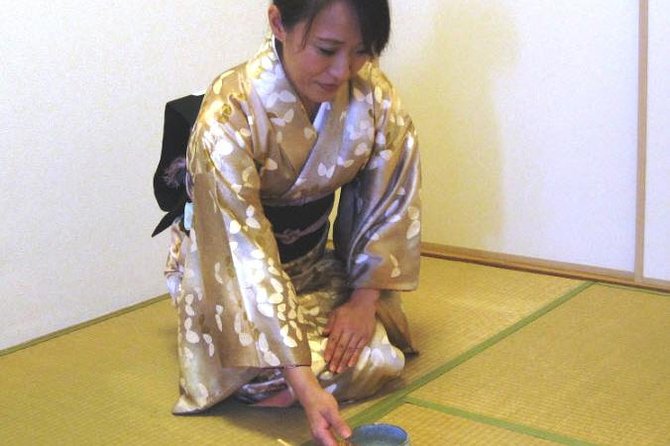
There’s sushi in Osaka, and then there’s understanding why sushi tastes the way it does. This class turns a menu item into a skill. You learn what sushi rice preparation changes, how nori behaves, and how fillings go inside without turning your roll into a crumpled origami project.
The biggest value here is that you’re not just “learning culture” in theory. You’re doing the steps that make sushi sushi. And because the group stays small, you can ask questions and get corrections while you’re still actively rolling.
Yayo’s approach also matters. People often talk about sushi technique, but the class adds the parts you don’t see in restaurants: how to handle rice, how to layer ingredients, and how to control the roll so it holds together when you cut and eat.
You can also read our reviews of more cooking classes in Osaka

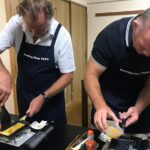
Meeting Outside Noda Station And Getting To The Cooking Studio
You meet outside Noda Station in Osaka (Outside Noda Station, 1 Chome-1 Ohiraki, Fukushima Ward, 553-0007). From there, you walk to a nearby home for the lesson. There’s no hotel pickup or drop-off, so you’ll want to arrive ready to move—especially since it’s a short experience.
Two logistics details matter more than you’d think:
- The workshop is small, and people who are not booked for the lesson can’t join. So show up for your exact time slot.
- You must not be late by more than 10 minutes. The contract becomes invalid and there’s no refund if you miss that window.
On the plus side, the meeting point is near public transportation, and you’ll get a confirmation at booking. You’ll also use a mobile ticket, which is handy when you’re bouncing between stations.
Sushi Rice And Nori Rolling: What You’ll Actually Learn
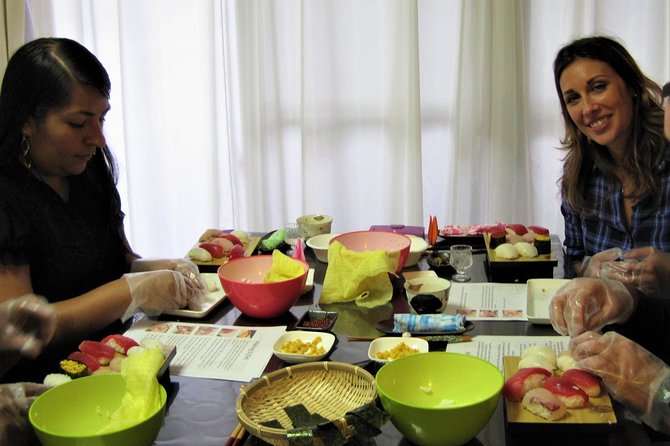
This is a true hands-on sushi lesson. You’ll start by watching Yayo prep sushi rice, then you’ll try your own technique under guidance. The goal isn’t perfection on the first roll—it’s learning how the parts fit together.
Here’s the sequence you can expect:
- Learn the basics of sushi rice preparation, since it’s the foundation for everything that comes after.
- Practice rolling with dried seaweed sheets called nori.
- Build rolls by placing sashimi (thin-sliced fish) and other ingredients inside the nori.
- Take turns and do a few attempts, so your hands get comfortable with the rhythm.
Because the class is capped at a small number of participants, you’re not stuck waiting for your turn while everyone else finishes. You’ll spend enough time actively doing the work to remember the steps later.
If you’ve only ever eaten sushi, pay attention to one thing: sushi isn’t only about taste. The texture and structure matter. A good roll needs rice spread and pressure that doesn’t turn into mush, and it needs a clean wrap so it holds up before you eat it.
The Dinner You Eat: Sushi Rolls, Miso Soup, Omelet, Snacks
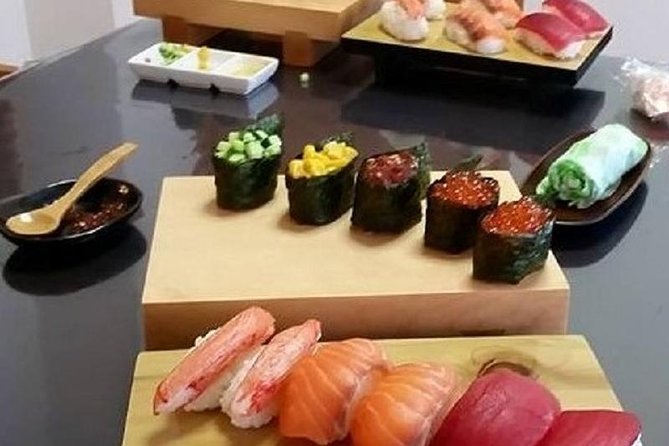
After the lesson, you sit down and eat dinner—your own creations included. The dinner portion is the part that makes the class feel like more than a cooking demo.
What’s included in the meal:
- Sushi rolls you made
- Miso soup
- A Japanese omelet
- A selection of snacks
You’re also finishing with taiyaki for dessert. It’s a nice, practical landing point after cooking, and it keeps the meal feeling like a full Japanese dinner rather than a “reward bite.”
One reason I like the structure: it prevents the common cooking-class problem where you spend two hours cooking and then eat something basic. Here, dinner is part of the teaching experience, and it’s built around what you just learned.
Optional Sake And Beer Tasting: How The Upgrade Works
If you want to go beyond food, there’s an upgrade for local tastings. You can add sake and, depending on the tasting option, Japanese beer.
From the details provided, the tasting works like this:
- Option A includes either six cups of sake
- Option B includes four sakes and one bottle of beer
In the included section, sake cups are part of the upgrade when selected. This is a good add-on if you’re curious about Japanese beverages but don’t want to guess your way through a sake bar.
Practical tip: if you’re adding sake, slow down your pace while cooking. The class is hands-on and timing matters, so you’ll enjoy it more if you treat the tastings as part of the meal, not as a challenge.
You can also read our reviews of more tours and experiences in Osaka


Home Kitchen Atmosphere: The Little Touches That Matter
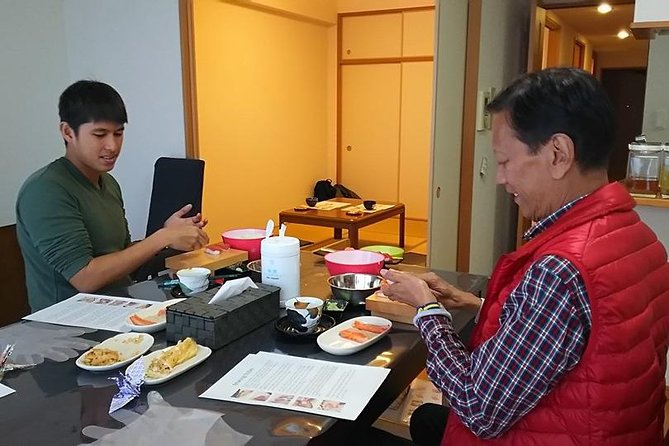
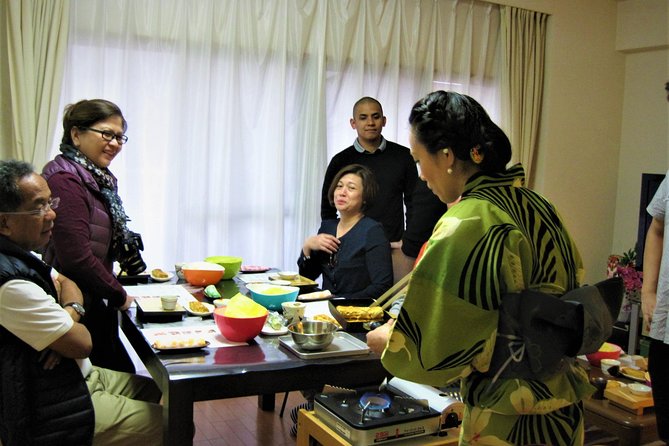
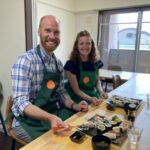
This class happens in a small studio inside a home setting. That sounds casual, but it’s part of why it feels so memorable. You’re not fighting noise, glare, and crowd flow. You’re working close to your instructor and seeing the food setup in a way that feels real.
There are also small “host touches” that show up in how people describe the evening: Yayo is welcoming, and the setting feels like she’s sharing her own routine—not running a factory lesson. You may also meet Akane, who handles guest service.
One more detail worth noting: the class doesn’t treat English as an afterthought. It’s taught in English, and it’s designed so you can follow instructions and ask questions without constantly straining.
And yes, you end up with a full meal, plus dessert. That combination is why this type of experience tends to be a highlight, even for people who already plan to eat sushi every day.
Price And Value: Is $165.13 A Good Deal?
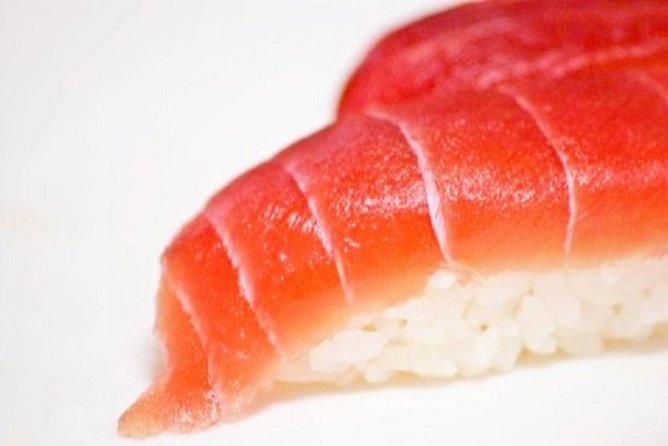
Let’s talk money without pretending it’s cheap. At $165.13 per person for about 2 hours 30 minutes, you’re paying for three things at once:
- A licensed chef teaching rolling technique
- All ingredients included for the lesson
- A full dinner (sushi you make, miso soup, omelet, snacks) plus taiyaki
If you compare that to paying for sushi dinner plus an “activity,” the value starts to make sense. Regular sushi meals can add up fast in Osaka, and this replaces part of that cost with a skill you can use later.
You also have the optional sake/beer tasting upgrade if you want the evening to feel extra special. Because the class is small, you’re also paying for a more direct instruction style than you’d get in a large group.
Booking timing can affect your odds. The average booking window is about 79 days in advance, which suggests this is one of those experiences that fills up. If your trip dates matter, don’t wait.
Who This Class Is Perfect For (And Who Might Want Something Else)
This experience fits best if you:
- Like hands-on food activities more than lectures
- Want to learn sushi rolling technique, not just eat sushi
- Enjoy small-group evenings with a real local instructor
- Are comfortable using basic kitchen tools and learning by doing
It’s also a strong choice for couples, because your booking is capped at two travelers, and the overall class size stays small.
Consider a different option if:
- You’re hoping for a quick, casual bite only
- You’re likely to be late due to tight Osaka sightseeing schedules
- You want a very flexible, slow-paced meal with no time pressure (this has a strict late cutoff)
Also, if you’re picky about what kind of sushi you want to learn, keep your expectations grounded. The class focuses on foundational rolling skills and dinner, not on an advanced menu of multiple specialty sushi styles.
Tips To Make It Smooth When You Arrive In Osaka
You’ll have the best time if you treat this like a real reservation, not an optional stroll.
A few practical moves:
- Build your route to Noda Station ahead of time, and give yourself a buffer for train transfers and walking.
- Aim to arrive early so you’re not stressing about the 10-minute rule.
- Wear clothes that let you move comfortably. You’ll be working with food and rolling steps, and you’ll want to lean in and focus.
- If you plan to do the sake/beer tasting upgrade, pace yourself during cooking so your hands stay steady.
If you’re coming during variable weather, keep in mind the experience requires good weather. If it gets canceled for weather reasons, you’ll be offered another date or a refund.
Should You Book This Osaka Sushi Class?
Yes, if you want a real Osaka evening that’s both delicious and skill-based. This class earns its reputation because it’s not just about eating sushi. You learn how the rice and rolling work, you build rolls with guided technique, and then you eat them as a complete dinner.
It’s also a good “trip memory” activity: many cooking classes end with a plate of food. This one ends with you understanding what you made, how it should feel, and what to try at home next.
Book it if you’re planning for small-group, hands-on learning, and if your schedule can respect that tight late window. If that’s you, this is the kind of experience that turns a meal into something you’ll talk about long after Osaka is behind you.
FAQ
How long is the sushi-making class in Osaka?
The experience runs for about 2 hours 30 minutes.
What’s included in the dinner?
Dinner includes the sushi rolls you make, miso soup, a Japanese omelet, and a selection of snacks. Taiyaki is included for dessert.
Does the class include ingredients and cooking materials?
Yes. All ingredients for cooking are included.
Is there an English-speaking instructor?
Yes. The cooking instructor speaks English.
How big is the class?
It’s limited to eight participants.
What is the meeting point?
You meet outside Noda Station, Osaka (Outside Noda Station, 1 Chome-1 Ohiraki, Fukushima Ward, 553-0007, Japan).
Do I need hotel pickup or drop-off?
No. There is no hotel pickup or drop-off.
Can I add sake and beer to the class?
Yes. There’s an upgrade option for a local sake tasting, with either six sakes or four sakes plus one bottle of beer.
Is the sake tasting included in the base price?
The basic price includes dinner and cooking instruction. The sake cups are included only if you select the option for tasting.
What happens if I’m late?
If you’re more than 10 minutes late, the contract becomes invalid and it will not be refunded.
What if the weather is bad?
The experience requires good weather. If it’s canceled due to poor weather, you’ll be offered a different date or a full refund.