REVIEW · OSAKA
Sushi Class in Osaka Dotonbori
Book on Viator →Operated by Cooking Sun · Bookable on Viator
Small-group sushi class makes Osaka personal. In Dotonbori, this Cooking Sun workshop (max 8 people) turns a market-busy neighborhood into a calm, hands-on cooking session with real technique, not just watching. Small class size is the first big reason it feels worthwhile.
I also love that you make three sushi styles during the 3-hour session, with ingredients handled in a way that helps you focus on learning the right moves. A fair heads-up: the meeting spot is inside a building and can be a little tricky to locate on the first try, so plan to arrive with extra buffer time.
In This Review
- Key highlights worth your attention
- A Dotonbori sushi class that feels like a proper lesson
- Finding the room: Shimanouchi and Room 807
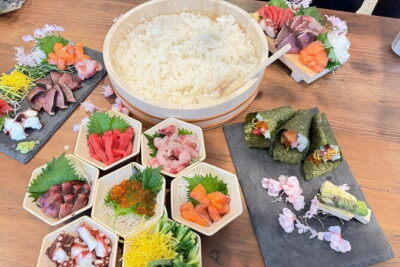
- What you’ll make: salad roll, nigiri, and oshizushi
- 1) Salad roll with a tamagoyaki core
- 2) Nigiri: vinegared rice plus your toppings
- 3) Oshizushi (pressed sushi), Osaka style
- How the class runs: ingredients, pacing, and lots of questions
- The meal part: you eat what you made
- Price and value: $71.16 for skill, not a snack
- Dietary options: vegetarian and gluten-free on request
- Who this fits best in Osaka
- A small reality check: you’re learning technique, not buying sushi
- Should you book the Sushi Class in Osaka Dotonbori?
- FAQ
- What is the duration of the sushi class?
- What time does the class start?
- How many people are in the class?
- What kinds of sushi will I learn to make?
- Are vegetarian and gluten-free options available?
- Is anything included with the class?
- Where do I meet for the class?
- What ticket format is used?
- Can I cancel and get a full refund?
Key highlights worth your attention

- Three sushi types, one class: salad roll, nigiri, and Kansai-style oshizushi (box sushi)
- Hands-on from the start: ingredients are prepared for you and you assemble everything
- Helpful teaching pace: instructors guide each step and adjust explanations when needed
- Food you eat immediately: you finish by enjoying your sushi with miso soup
- Dietary options included: vegetarian options (with eggs or without eggs) and gluten-free on request
- Intimate group: up to 8 travelers, so questions don’t get lost
A Dotonbori sushi class that feels like a proper lesson
Osaka is famous for food, but you can’t truly get it without getting your hands a little messy. This sushi class in Dotonbori is built for that. It’s not a big show with a single chef doing everything while you take photos. Instead, you assemble sushi as you go, with support at the exact moment you need it.
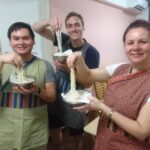
The vibe is small and personal. That matters here because sushi isn’t just about flavor—it’s about rice, texture, and technique. When the class is capped at 8, you get more attention and you don’t feel rushed. The result is that you leave with a skill you can repeat at home.
You can also read our reviews of more tours and experiences in Osaka


Finding the room: Shimanouchi and Room 807
The session meets at Cooking Sun in Shimanouchi, Chuo Ward, Osaka. The address you’ll want is: Cooking Sun, 542-0082 Osaka, Chuo Ward, Shimanouchi, 2-chōme 9-14, Room 807 (807号室).
What can trip you up is that the activity happens inside a building, not out on a street corner. The entry point you’re looking for is in Masters Residence Dotonbori I. When you’re there, press 807 and the 呼出 call button so staff can open the door.
If you’re navigating with Google Maps, don’t be surprised if it sends you to the building across the street. Give yourself a little time to look for the correct placard and confirm you’re at the right entrance.
What you’ll make: salad roll, nigiri, and oshizushi
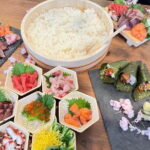
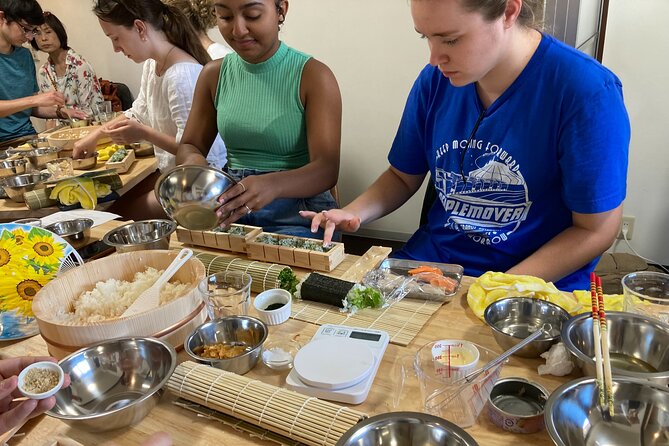
You’ll spend the lesson assembling three different sushi styles. The best part is that they teach you different fundamentals—rolling and layering for one, shaping for another, and pressing for the third.
1) Salad roll with a tamagoyaki core
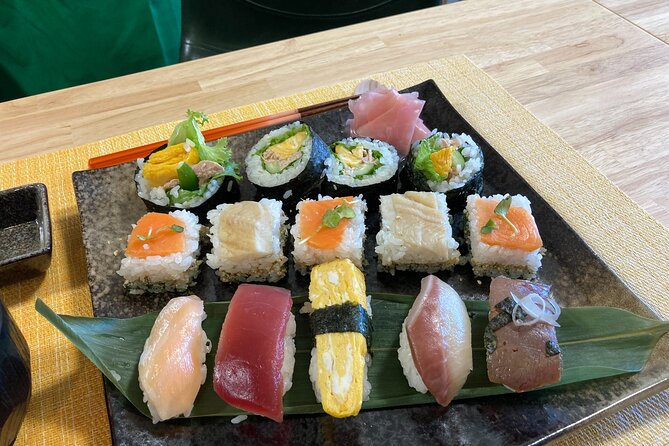
This isn’t the only sushi roll you’ll see in Japan, but it’s a fun one to learn in Osaka. You’ll build a roll that includes crab-flavored kamaboko, lettuce, cucumber, avocado, and tuna mixed with mayonnaise. Then it’s wrapped with nori.
The inside also has a tamagoyaki (Japanese rolled egg) core. That detail matters because it adds a clean, sliceable center and teaches you how to arrange fillings so the roll holds together when you cut it later.
2) Nigiri: vinegared rice plus your toppings
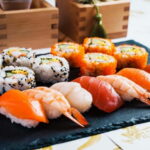
Nigiri-zushi is one of Japan’s signature sushi styles. The concept is simple: vinegared rice topped with ingredients like fish, shellfish, or omelet.
In your class, you’ll practice the shaping side of nigiri. It’s less about fancy plating and more about balance—rice amount, pressure, and how the topping sits so it feels secure and tastes right.
If you’re a beginner, nigiri is a smart target because it forces you to learn rice handling without needing a full wrap-and-cut technique like a maki roll.



3) Oshizushi (pressed sushi), Osaka style
Oshizushi is especially Kansai. In Osaka, it’s also called box sushi, and it’s a great contrast to nigiri and rolls.
Here’s the technique: you fill a square wooden frame with sushi rice and toppings. Then you press the rice so it sticks to the ingredients. The final shape is a neat square. When you’re ready to eat, you cut it into pieces.
The practical benefit of oshizushi is that the form is controlled. You’re learning the press-and-pack method, which helps you understand how rice behaves under pressure—something you won’t get from eating sushi out in a restaurant.
How the class runs: ingredients, pacing, and lots of questions
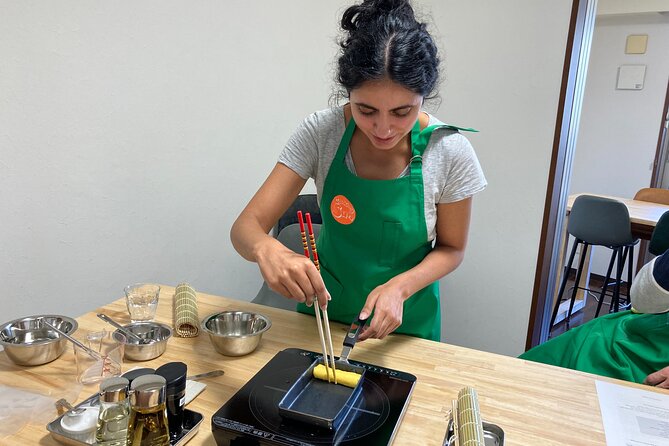
Your ingredients are prepared for you before you start cooking. That means you’re not hunting down hard-to-measure components mid-class. You’ll get an apron too, which is a small thing, but it keeps the experience comfortable and makes it easier to focus.
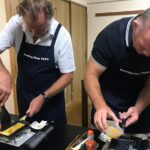
You’ll also get demonstration-style instruction for the right techniques, and then you’ll build your sushi yourself. The teaching pace is part of why this works for beginners. The guidance is step-by-step, and you can ask questions without feeling like you’re slowing everyone down.
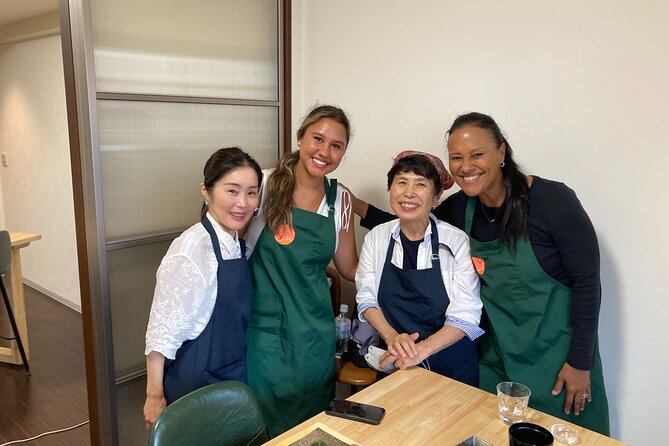
From what I’d look for in a class like this, one sign of quality is whether the instructors can explain the same idea in more than one way. Here, you can expect that level of attention—many sessions are led by staff such as Ami and Jaimi, and other instructors like Yoshi have been mentioned as teachers who help students learn the different sushi styles.
The meal part: you eat what you made
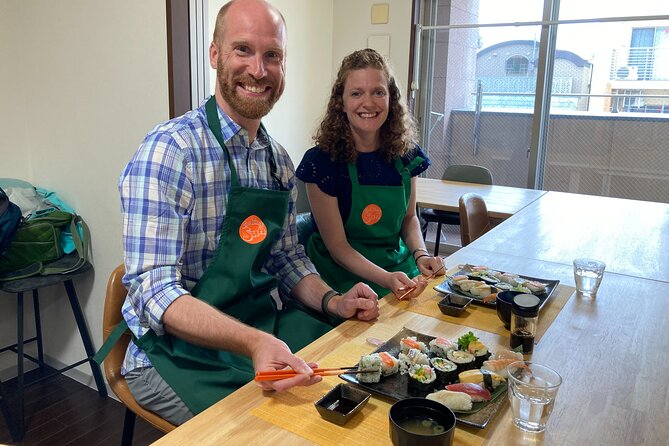
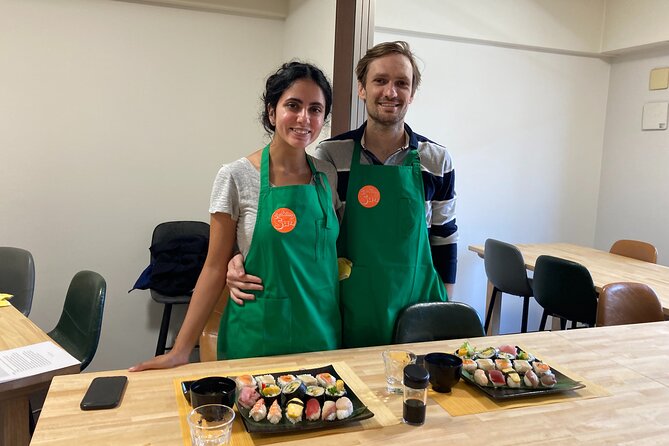
At the end, you don’t just pack up and go. You sit down with what you made and enjoy it, alongside some miso soup.
This is a key value point. Sushi classes can be all technique and no payoff. Here, the class ends with a real meal you created. It also lets you taste your own rice-and-topping balance immediately, which helps you remember what you did right—and what you want to adjust next time.
And because you’re making multiple styles, your plate isn’t repetitive. You get a mix of textures: creamy fillings in the roll, shaped bite-sized nigiri, and the pressed, cohesive bite of oshizushi.
Price and value: $71.16 for skill, not a snack
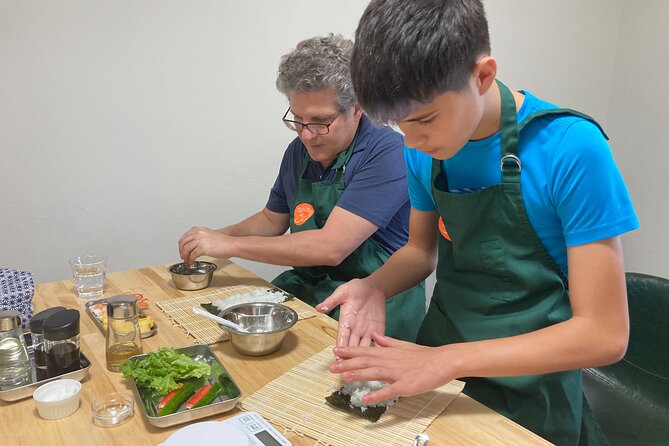
At $71.16 per person for about 3 hours, this class isn’t the cheapest thing in Dotonbori. But the cost makes more sense when you look at what you actually get: hands-on instruction, up-close technique practice for three sushi types, and a full tasting meal with miso soup.
You’re also getting a small group setting (max 8). That matters for value because it changes the experience from a generic activity into something closer to a real lesson. If you’ve ever taken a cooking class where you mostly watch, you know why that’s worth paying for.
For families and couples, it can also be a practical spend. You’re paying once for both the lesson and the meal, instead of paying for dinner separately the same day.
Dietary options: vegetarian and gluten-free on request
Sushi is one of those foods where dietary needs can be tricky, especially when you’re dealing with fish-forward toppings.
This class can accommodate vegetarians. You can request a vegetarian option either with eggs or with no eggs. Gluten-free is also available if you request it ahead of time.
The key for you is planning early. Make the request during booking so the kitchen can prepare the right ingredients. Then you can focus on learning technique without worrying that your only option is to watch from the sidelines.
Who this fits best in Osaka
This is a great fit if you want an authentic food experience with real structure. It’s also beginner-friendly in the sense that you’re taught what to do at each step, and the group size keeps things calm.
Here’s where it shines:
- First-timers in sushi who want to learn more than one style
- Couples or solo travelers who want a focused activity that still includes plenty of interaction
- Families (especially if your kids like hands-on projects) because you build and eat the results
If you’re short on time, do note this is strictly sushi-focused. If you want ramen or gyoza too, you’d need a separate class option. But for sushi lovers, three styles in one morning-sized session is a solid deal.
A small reality check: you’re learning technique, not buying sushi
One possible drawback is location and finding the right door. Another is that the class is only around 3 hours, so you’ll learn enough to feel confident with the basics, but you won’t master every possible variation of Japanese sushi.
That’s normal—and honestly part of the charm. This is more about giving you a practical skill you can reuse than turning you into a professional sushi chef overnight.
Should you book the Sushi Class in Osaka Dotonbori?
Book it if you want an hands-on Osaka food experience where you actually make sushi and eat it right after. The small group format, the three sushi styles (including Osaka’s box sushi), and the built-in miso soup meal are what make the price feel fair.
I’d skip it only if you strongly prefer restaurant dining over cooking, or if you’re the type who hates finding places inside buildings. If that’s you, plan to arrive early, confirm Room 807 at the entrance, and give yourself time to get oriented.
If you do book, treat it like a morning class: come hungry (you’ll leave full), ask questions when something feels unclear, and focus on the rice handling. That’s the part you’ll remember when you try it again later at home.
FAQ
What is the duration of the sushi class?
It runs for about 3 hours.
What time does the class start?
The start time is 9:30 am.
How many people are in the class?
The class has a maximum of 8 travelers.
What kinds of sushi will I learn to make?
You’ll make three types: a salad roll, nigiri, and oshizushi (pressed sushi/box sushi).
Are vegetarian and gluten-free options available?
Yes. Vegetarian options are available with eggs or with no eggs, and a gluten-free option is available. Request your preference when booking.
Is anything included with the class?
You’ll receive an apron, and ingredients are prepared for you. At the end, you’ll eat the sushi you make along with miso soup.
Where do I meet for the class?
Meet at Cooking Sun in Shimanouchi, Chuo Ward, Osaka (542-0082). The activity is in Masters Residence Dotonbori I, Room 807, and you should press 807 and the 呼出 call button.
What ticket format is used?
This experience uses a mobile ticket.
Can I cancel and get a full refund?
Yes. You can cancel for free up to 24 hours in advance for a full refund.