REVIEW · OSAKA
Osaka: Private Japanese Traditional Ceramics Experience
Book on Viator →Operated by Ceramics Tocoton · Bookable on Viator
Clay in Osaka beats cookie-cutter souvenirs. In a private session with Anna and Ryo, you craft ceramic tied to Japanese food culture in a quiet, south-Osaka neighborhood.
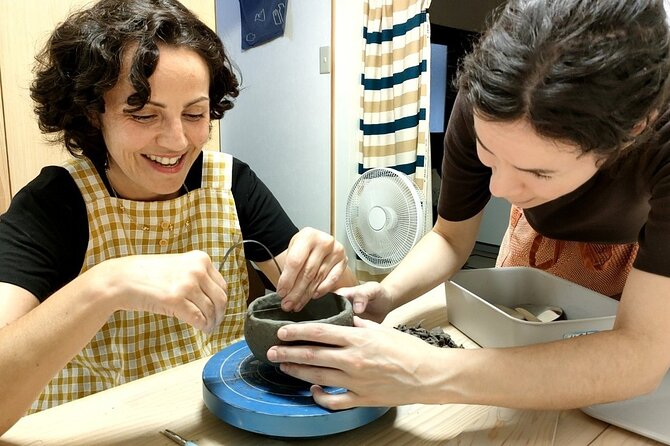
I love the private, hands-on instruction—patient guidance plus real meaning behind what you’re making. I also like that you get three different souvenir choices (sake set, sushi set, or a tea bowl), so your final piece matches what you actually care about.
One thing to plan for: you won’t have everything in hand right away. Your kiln-fired ceramics take about 1.5 months to ship, and shipping fees are not included.
In This Review
- Key things to know before you book
- Why this private pottery class feels like the Osaka you actually want
- Pick your souvenir: sake set, sushi set, or a chawan
- Inside the century-old studio: what the experience feels like
- What you learn: ceramics as culture, not just clay shaping
- The souvenir part: you leave with more than just what you made
- Time in your day: morning vs. afternoon, plus how long it takes
- Languages: English, Spanish, Catalan, and Japanese
- Shipping your pottery: plan for the 1.5-month wait
- Price and value: what $94.13 covers in real terms
- Who this workshop suits best
- What to do before you go (so you enjoy the two hours)
- Should you book this Osaka ceramics experience?
- FAQ
- What can I make during the Osaka ceramics workshop?
- How long is the workshop?
- Is this a private experience?
- What languages are available for the class?
- What’s included in the price, and what’s not?
- Can my finished ceramics be shipped home?
- Where do I meet for the activity?
Key things to know before you book
- You pick your piece: sake set, sushi set, or a chawan (tea bowl)
- Private class means real attention with Anna and Ryo, not a crowded room
- Multilingual instruction: English, Spanish, Catalan, and Japanese
- You get a ready souvenir too: a small sushi plate and a sakura chopstick rest
- Historic setting in south Osaka: a century-old two-story house, away from the busiest tourist lanes
Why this private pottery class feels like the Osaka you actually want
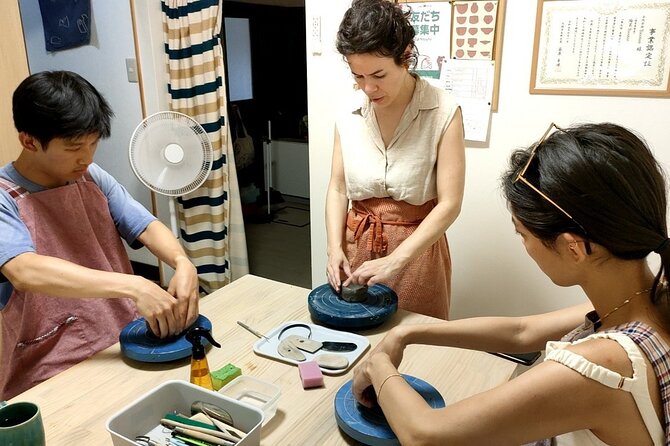
Osaka has two speeds. There’s the fast, neon, tourist-friendly version. And then there’s the slower, residential Osaka where people shop for daily food and live their normal lives.
This workshop leans hard toward the second one. It’s held in a century-old two-storey house in the south of the city, next to a street lined with local food shops. The walk from the station gives you a real sense of the area rather than a checklist tour.
Another reason I like it: it’s private. You’re not rotating through stations or waiting your turn while someone else gets the instructor’s attention. With Anna and Ryo guiding you, the pace is calmer, and you can ask “why” questions about the ceramics and the culture behind them.
The last big win is how clearly tied everything is to everyday Japanese eating rituals. You’re not just making “a bowl.” You’re making something connected to gastronomy: sake, sushi, or tea.
You can also read our reviews of more private tours in Osaka



Pick your souvenir: sake set, sushi set, or a chawan
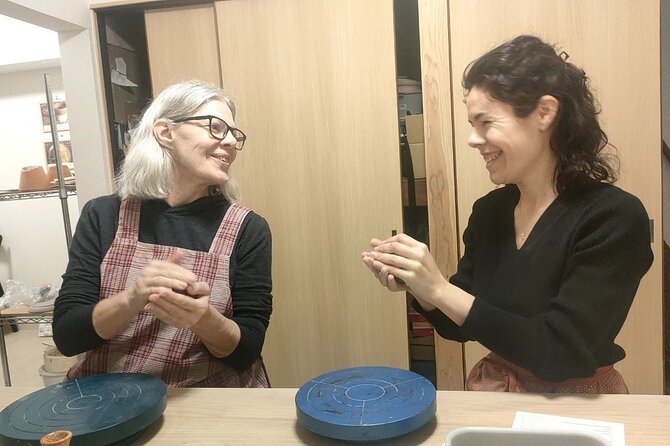
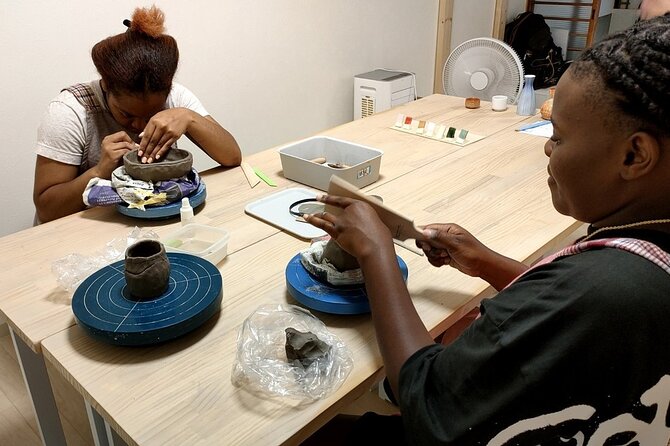
At the workshop, you work with clay to create ceramic focused on Japanese gastronomy. You choose one of three options:
- Sake set: a small bottle and glass
- Sushi set: a sushi plate and a chopstick holder
- Chawan for tea: a tea bowl
This choice matters more than it sounds. If you love Japanese food, you’ll feel a stronger connection to the piece you make. If you’re more of a tea person, the chawan is the move. If you’re imagining serving buddies at home, the sushi set (with its chopstick holder shape) is a conversation starter.
Also, the class gives you guidance beyond technique. The instruction covers not only how to shape and handle the clay, but also the meaning tied to the object you’re creating. That’s the part that turns the workshop from a craft activity into a cultural memory you’ll actually remember.
Inside the century-old studio: what the experience feels like
The workshop happens in a historic, century-old two-storey house. It’s not a modern studio with the vibe of a factory line. Instead, you get a warmer, more personal atmosphere that matches the purpose: traditional Japanese ceramics.
You’ll start at Teradachō Station, then head to the studio in Abeno Ward. The area around the studio is described as non-touristy, and the walk helps you see Osaka in a way most people miss—shops and streets where the focus is local life, not souvenir photography.
In at least some cases, Ryo helps make the walk easy and points you in the right direction. So if you’re the type who likes to reduce confusion, you’ll probably appreciate having someone orient you before you get inside.
Once you’re there, the tone is simple and friendly. You’re welcomed with a drink—Japanese green tea, coffee, or water—and then you get to work with the clay.
The overall feel is “calm craft time,” not performance art. That’s ideal if you’re traveling on a schedule and still want something meaningful that doesn’t drain you.
What you learn: ceramics as culture, not just clay shaping
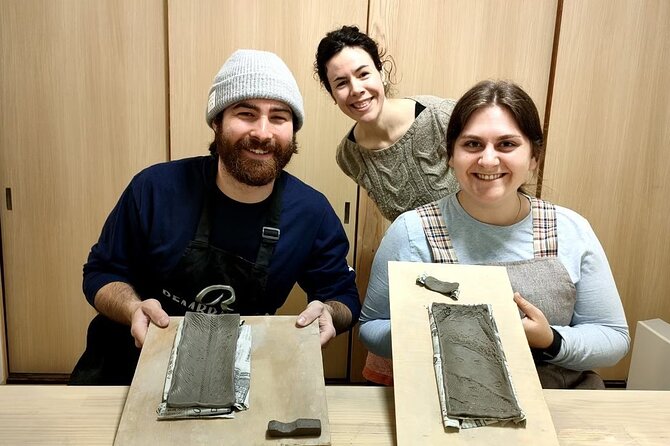
The workshop is built around Japanese traditional pottery, with a cultural thread that runs through the session.
Anna, Ryo, and the team talk about Japanese culture during the class. They connect what you’re doing—hand-building with clay, finishing the form, and understanding the firing process—to the kinds of objects Japanese people use in daily or ceremonial eating moments.
That cultural explanation is one of the most praised parts of the experience. People like how the class goes beyond “make this shape” and instead gives context for why these forms exist. In practice, it also makes your own piece feel more deliberate.
You’ll also learn how the process differs from wheel throwing. This kind of workshop is more about hand-building and careful shaping, and that’s great if you’re a first-timer. If you already have experience, you may still enjoy comparing techniques and getting fresh ideas for how to think about form.
The souvenir part: you leave with more than just what you made
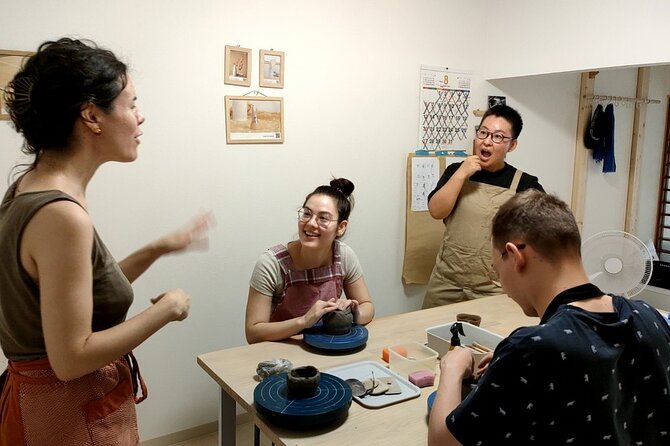
One detail I really like is that you’re not leaving empty-handed on day one.
Included in the experience are:
- a Japanese traditional small dish
- a sakura-shaped chopsticks rest
- plus a small dish and chopstick rest as part of your souvenir package
On top of that, the workshop includes a specific sushi-themed souvenir described as a small sushi plate decorated with traditional glaze, along with a sakura flower-shaped chopstick rest made by Anna.
So even if your main “chosen piece” needs kiln time before it can be shipped, you still get a meaningful set to take away from the day. That makes the workshop feel like a complete experience, not a “wait for your mail later” project.




Time in your day: morning vs. afternoon, plus how long it takes
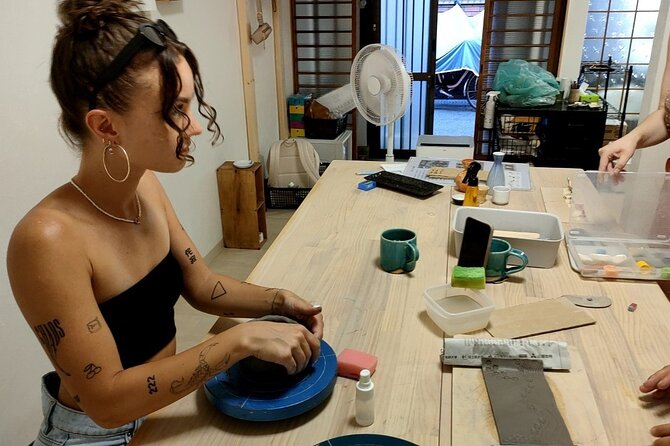
You can choose morning or afternoon workshop times, which is helpful if you’re planning around other Osaka stops. The duration is listed as about 2 hours, so it fits neatly into a day without breaking your schedule.
A two-hour craft class is usually the sweet spot. Long enough to feel like you actually made something real. Short enough that you won’t go home exhausted.
Because it’s private, timing stays flexible for your group. That doesn’t mean you’ll be there all day, but it does mean the instructor can slow down or speed up slightly based on how you’re doing.
Languages: English, Spanish, Catalan, and Japanese
This is one of those practical “value hidden in plain sight” points.
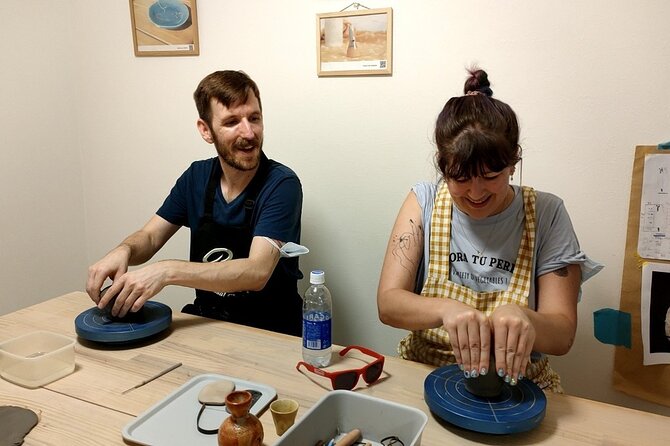
The class is offered in English, Spanish, Catalan, and Japanese. The workshop is specifically given in Spanish, Catalan, or English, which is especially useful if you want instruction you can actually follow without relying on guesswork.
That matters in ceramics. If you miss a small instruction about how the clay should feel or how to finish a piece, it shows in the final form. Being able to understand the guidance fully makes the experience smoother and more satisfying.
If you’re traveling with someone who doesn’t speak English well, this kind of language support can turn a tricky “activity day” into an easy win.
Shipping your pottery: plan for the 1.5-month wait
Here’s the part you need to treat like a deadline, not an afterthought.
It takes about 1 month and a half to ship your pottery. The shipping fee is not included.
The good news is you have the option to send the pieces made during the workshop to your home. That lets you travel lighter and still bring home something truly handmade.
The not-so-fun news: you’ll be waiting. So if you’re the kind of person who wants immediate souvenirs, you may feel a tiny gap until the finished ceramics arrive.
My advice: think of it like ordering a personalized handmade item that you made yourself. Set the expectation now, and the delivery later becomes a fun surprise rather than a hassle.
Price and value: what $94.13 covers in real terms
At $94.13 per person for about two hours, you might wonder if it’s “too much for pottery.” Here’s why it’s not just the act of working with clay.
Your price includes:
- instructor time
- material costs
- firing fee
- a souvenir small dish and a sakura chopsticks rest
- tea/coffee/water
- tax
When you add it up, you’re basically paying for the teacher, the kiln process (firing), the materials, and the finished souvenirs tied to Japanese tableware style.
Also remember: this is private. Private craft time typically costs more than group classes because you’re paying for focused instruction, not shared attention.
The only extra cost you might face is shipping, which isn’t included. But if you’re planning to bring something fragile and heavy home, shipping can be the more sensible choice even if it costs extra.
Who this workshop suits best
This is ideal if you want something that isn’t touristy and still feels structured and easy to enjoy.
You’ll probably like it if:
- you want a hands-on cultural activity (not just watching)
- you enjoy food-related crafts—sake, sushi, and tea are a strong theme
- you want a calmer setting in a non-tourist Osaka neighborhood
- you value private instruction, especially if you’re new to ceramics
It’s also a good pick for families, including teens. The workshop atmosphere comes across as patient and friendly, and the experience is designed to work for “most travelers,” including beginners.
What to do before you go (so you enjoy the two hours)
You don’t need to study ceramics before you arrive, but a little preparation helps.
- Pick your theme early: sake, sushi, or tea. If you’re torn, think about what you’ll actually use or display at home.
- Wear comfortable clothes you won’t mind getting clay on.
- If you care about the shipping option, keep your address info ready and understand shipping fees are extra.
- Bring your curiosity. The best part is asking questions about why these objects look and function the way they do.
And if your Japanese is limited, don’t stress. With English, Spanish, and Catalan options, you’re not going to be stuck guessing.
Should you book this Osaka ceramics experience?
I’d book it if you want a real Osaka neighborhood experience, a private class, and a souvenir that feels tied to Japanese daily culture—not just a generic “souvenir plate.”
Skip it only if you strongly prefer instant take-home pottery and don’t want to deal with the 1.5-month shipping wait. Also consider it carefully if $94.13 feels like a stretch, since that price is paying for firing, materials, and private instruction—not just a basic activity.
If your trip has room for one meaningful craft session, this one is the kind you’ll remember the moment the clay leaves your hands and you start understanding the food culture behind the shapes.
FAQ
What can I make during the Osaka ceramics workshop?
You choose one option: a sake set (small bottle and glass), a sushi set (sushi plate and chopstick holder), or a chawan for tea (tea bowl).
How long is the workshop?
The experience lasts about 2 hours.
Is this a private experience?
Yes. It’s a private tour/activity, and only your group participates.
What languages are available for the class?
The workshop is offered in English, Spanish, Catalan, and Japanese.
What’s included in the price, and what’s not?
Included are the instructor, material costs, firing fee, a traditional small dish and a sakura-shaped chopsticks rest, Japanese green tea/coffee/water, and tax. Shipping fees are not included.
Can my finished ceramics be shipped home?
Yes. You can have your pieces shipped to your home, but shipping costs are not included. It takes about 1 month and a half to ship.
Where do I meet for the activity?
You meet at Teradachō Station, near 2 Chome-3 Tennojichokita, Abeno Ward, Osaka, 545-0001, Japan. The activity ends back at the meeting point.