REVIEW · OSAKA
Osaka Dotonbori: Vegan/Vegetarian Sushi Making Experience
Book on GetYourGuide →Operated by 株式会社SALTE · Bookable on GetYourGuide
Sushi in Dotonbori, minus the fish smell. This is one of Osaka Dotonbori’s most popular sushi-making classes, and you’ll learn the method step-by-step in English while making 12 pieces of vegan or vegetarian sushi. Vegan and halal-friendly options are available too, so the class works for more diets than the typical sushi workshop.
What I really like is the mix of hands-on craft and fun extras: you’ll get sake with what you make, and there’s sushi cosplay plus a photo session. The one thing to keep in mind is that it’s a timed, guided class—hands get a bit messy and you’ll want to follow the instructor’s pace to get your sushi looking right.
In This Review
- Key highlights you’ll feel right away
- A Dotonbori sushi class built for real people (and real schedules)
- What you make: 12 pieces, plus the sake pairing
- The step-by-step sushi workflow (and why each stage matters)
- 1) Making shari: sushi rice with vinegar
- 2) Shaping the shari: rice ball to sushi-ready form
- 3) Adding neta: topping assembly with wasabi
- 4) Final shaping: fingers do the finishing work
- Meet your instructors and the teaching style that keeps it fun
- Vegan/vegetarian sushi and halal options without the awkward workaround
- Sushi cosplay, photos, and the Sushi Master certificate
- Why 90 minutes works better than the longer sushi classes
- Price and value: what you’re really paying for
- Where this experience fits in your Osaka plans
- Should you book this vegan sushi making experience in Dotonbori?
- FAQ
- Is this sushi class vegan and halal friendly?
- How many sushi pieces do I make?
- How long is the experience?
- What language is the instructor?
- Is sake included?
- Is the class wheelchair accessible?
- Do I get any certificate or gift?
Key highlights you’ll feel right away
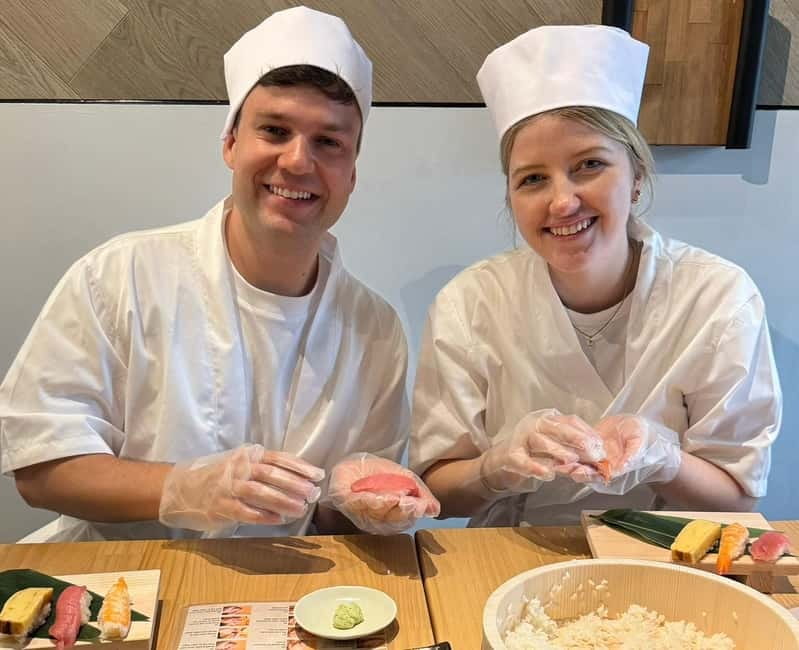
- Make 12 pieces of sushi in a 90-minute session you can actually finish
- English instruction from the instructor at the table, not just a lecture
- Vegan and halal sushi available, not a separate complicated plan
- Sushi cosplay and a photo session, so it’s half skills lesson, half fun
- Japanese sake included to go with your creations
- Sushi Master certification plus a small special gift
A Dotonbori sushi class built for real people (and real schedules)
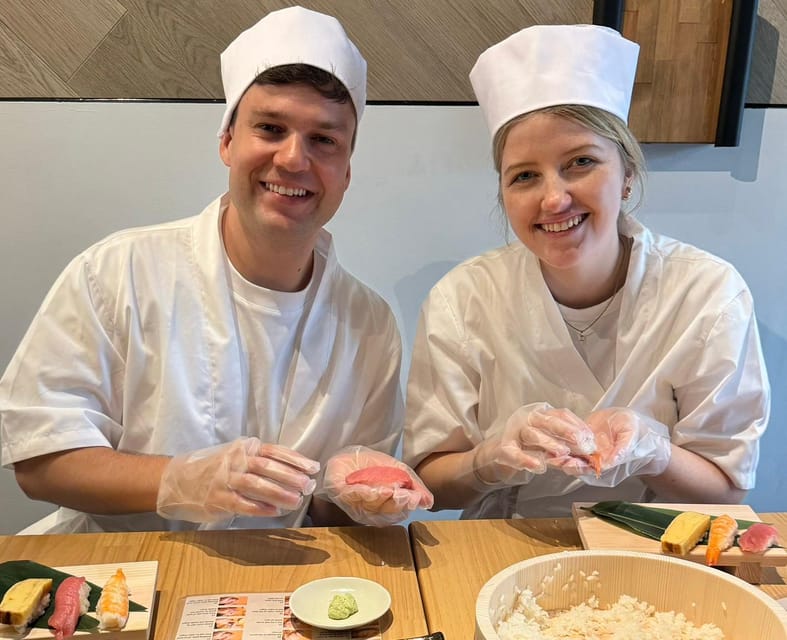
Osaka’s Dotonbori area is loud, bright, and very “you’re here on purpose.” This class fits that vibe but keeps things practical. In 90 minutes, you’ll go from rice and vinegar to finished sushi, then sit down and enjoy what you made.
At $45 per person, the value is in the full package: ingredients for 12 pieces, an English-speaking instructor, sake, and the fun extras like cosplay and a certificate. You’re not just watching. You’re doing the work.
And because the class offers vegan and halal sushi, you don’t have to build your experience around what’s easiest for other people’s diets. That matters in Japan, where the menu is often fish-first by default.
You can also read our reviews of more tours and experiences in Osaka


What you make: 12 pieces, plus the sake pairing
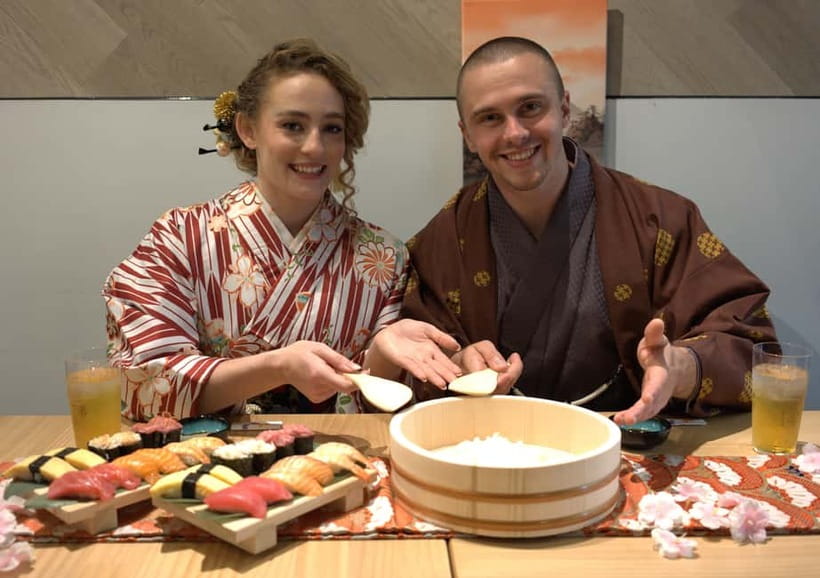
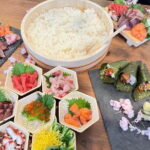
This is a “do it yourself” class, and the payoff is immediate. You’ll shape sushi in the class and then eat it there. The included portion is set: enough for 12 pieces, so it feels like a meal, not a snack.
You also get Japanese sake with your sushi. It’s a simple pairing, but it turns the workshop from a craft activity into a full food experience. Even if you’re not a big sake person, the class keeps it friendly and focused on enjoying your results.
One smart detail: they teach you what sushi is and how it’s made. That means you’re not just copying finger motions. You’re learning the basic logic of the process, which helps you remember what you did and feel confident doing something similar later.
The step-by-step sushi workflow (and why each stage matters)
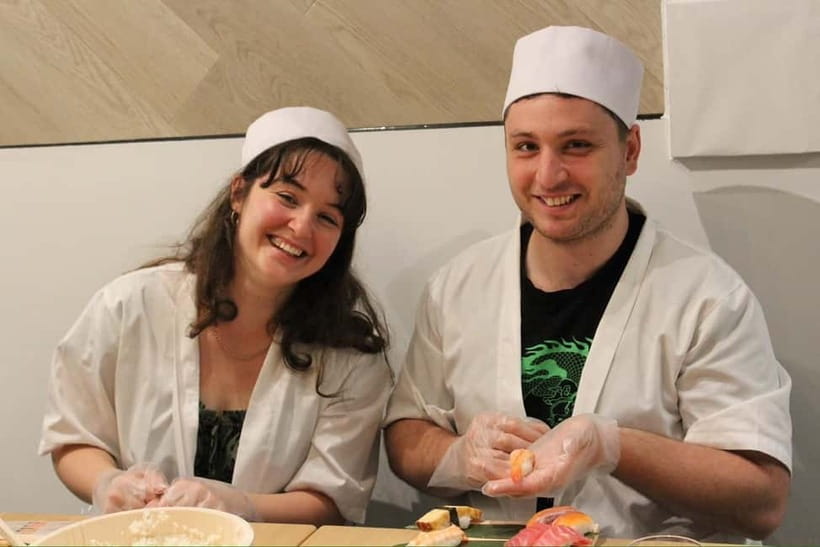
The class breaks sushi into clear stages. That’s exactly what you want when you’re learning with your hands, not taking notes in a chair.
1) Making shari: sushi rice with vinegar
First comes the shari, the sushi rice base. You’ll pour sushi vinegar over the rice and learn how that changes the rice’s texture and flavor. Vinegar is the starting point for that classic sushi taste, so this step sets the whole direction.
Even if you’ve never worked with sushi rice before, this stage is beginner-friendly because it’s straightforward. You’re not assembling yet—you’re learning the base.
2) Shaping the shari: rice ball to sushi-ready form
Next, you shape the rice into a ball. This is where the class shifts from food prep to technique. Shaping affects how the topping sits and how the sushi holds together.
The instructors guide you through it, and the key is to follow their instructions closely. Sushi looks simple, but the rice needs the right feel to stack and mold without falling apart.


3) Adding neta: topping assembly with wasabi
Then you work on the neta, the topping. The class guides you to put wasabi onto the neta and then bring the topping together with the shari.
This is a clever teaching moment for vegetarians and vegans too. You still get the sushi structure—base plus topping—without relying on fish. The class is about the technique and the balance, not about pretending the ingredients are the same as traditional sushi.
4) Final shaping: fingers do the finishing work
Finally, you shape the sushi using your fingers. This is the stage where your sushi becomes sushi, not just rice plus topping.
Expect the instructor to watch closely and correct you. Follow their rhythm and you’ll end up with pieces that hold together and look more intentional than you probably expect after step one.
Meet your instructors and the teaching style that keeps it fun
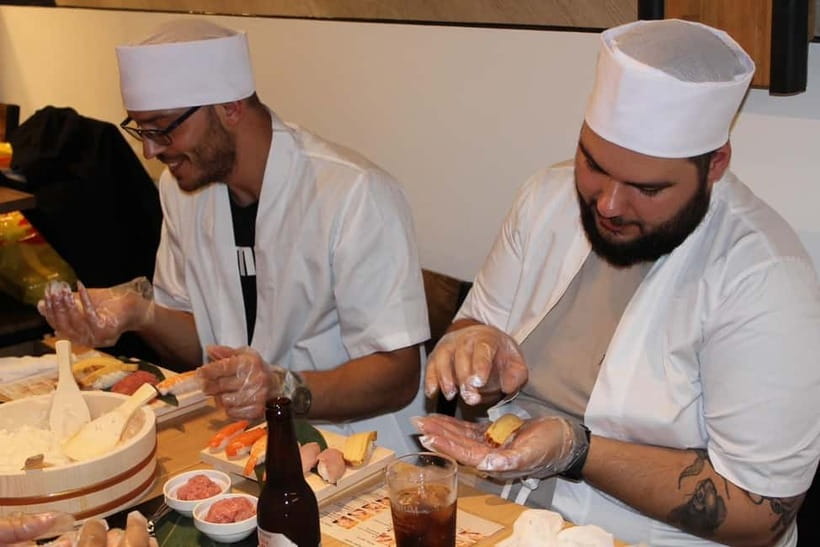
The class runs with English support, and several sessions are led by trainers with names you may recognize from past groups. I’ve seen Yumiko and Makoto specifically called out, and some participants mention Mayo and Cann as trainers too.
What makes this matter for you is the teaching style. The workshop is designed for learning in real time, which means the instructor explains what you’re doing, then watches you do it. You’re not left alone with a plate of rice and hope.
In a class like this, that step-by-step guidance is the difference between finishing with something you can be proud of versus a sticky pile you don’t know how to fix.
Vegan/vegetarian sushi and halal options without the awkward workaround
This experience is built around the idea that sushi class should be accessible. The big headline is that vegan and halal sushi are available. That means the ingredients and toppings are planned for dietary needs instead of being improvised at the last second.
For you, the practical benefit is simpler planning. You can show up knowing the class is prepared to handle your diet, and you won’t have to negotiate the experience or swap around your expectations.
If you’re traveling with mixed dietary needs, this is also a major win. The sushi is made as part of the class format, so the session doesn’t feel like one person gets the real activity and everyone else handles a compromise.
Sushi cosplay, photos, and the Sushi Master certificate
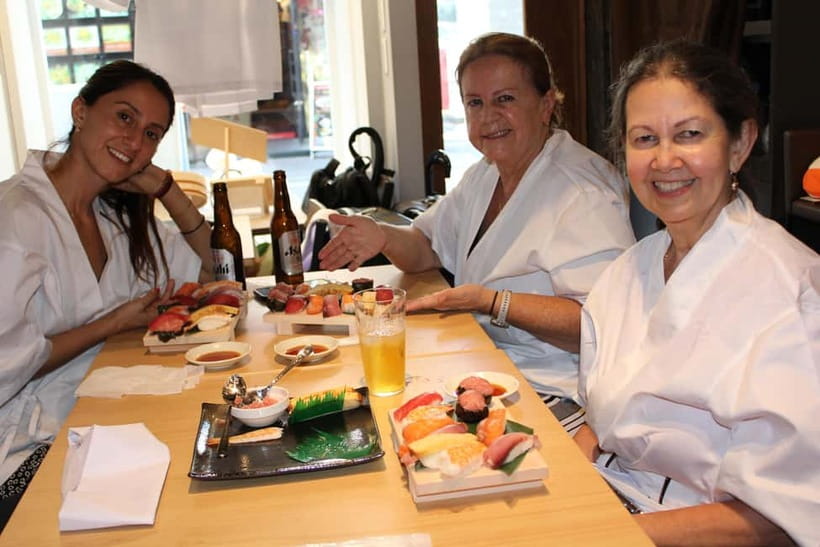
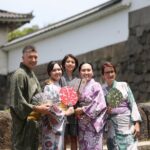
Yes, you’ll learn sushi—but you’ll also look ridiculous in a fun way. They offer sushi cosplay and a photo session, so you can get a memory that feels more like Osaka entertainment than another “stand and take a picture” stop.
You may also get a small special gift, which adds to the sense that you’re leaving with more than just a stomach full of rice.
And then there’s the credential. You get certification of Sushi Master. It’s not a life-changing document, but it’s a great keepsake and a fun way to mark the experience, especially if you’re traveling as a group.
If you like activities where everyone participates and nobody gets stuck watching, this part is a big part of why the class has strong appeal.
Why 90 minutes works better than the longer sushi classes
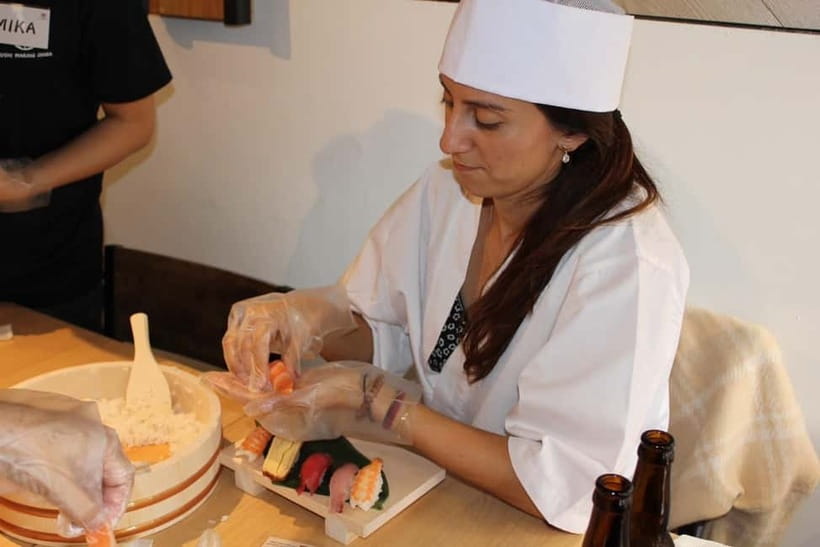
Not all cooking classes are created equal. Some are long enough to burn your day and your energy.
Here, the timing is 90 minutes, and it’s organized around finishing 12 pieces. That structure matters. You get a complete arc—rice to finished sushi to eating—without turning the class into a half-day commitment.
Also, shorter means you can plan your Osaka itinerary without juggling too many “what ifs.” Dotonbori is full of nighttime plans, and a class that ends within a manageable window keeps your schedule flexible.
Price and value: what you’re really paying for
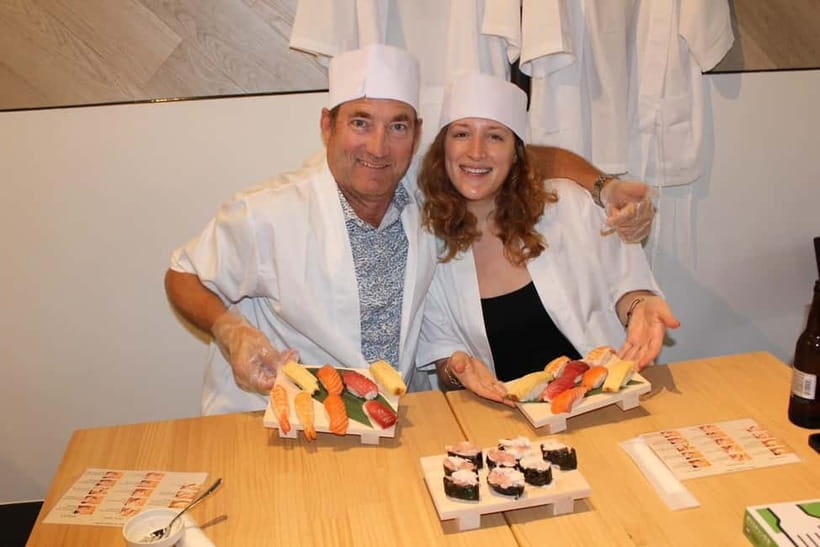
Let’s talk money without hand-waving. At $45, you’re paying for:
- Ingredients for 12 pieces
- English instruction
- The sake included with your meal
- Cosplay and a photo session
- Sushi Master certification
- A setup that accommodates vegan and halal
The best value comes from the fact you leave with a finished result you made yourself. If this were just a tasting or a brief demo, the price would feel harder to justify. But because you actively shape sushi and eat it, it’s more like a guided meal + skill-building workshop.
The one consideration is that the class does require attention and participation. If you want a super slow, observational experience, you might find the pace a bit directive. But if you’re the type who learns by doing, this timing is just right.
Where this experience fits in your Osaka plans
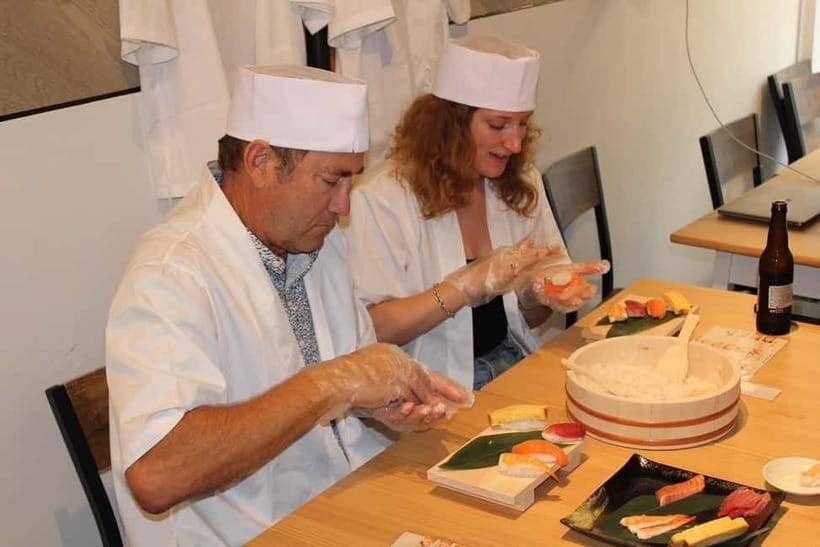
This class works especially well if:
- You want a hands-on activity in Dotonbori without spending hours
- You’re traveling with friends who like food and photos
- You need vegan/vegetarian or halal options
- You want an activity that can include kids (some participants note it can work well for children)
It’s also a good choice on days when you don’t want to commit to a full cooking day. Ninety minutes can fit between shopping and dinner, and it gives you a satisfying food moment that isn’t just walking around.
If you hate doing things with your hands, this might not be your favorite. Sushi shaping is hands-on by design, and rice has opinions about where it wants to stick.
Should you book this vegan sushi making experience in Dotonbori?
I’d book it if you want a fun, structured class where you make a real portion—12 pieces—and you get the full experience: sake, cosplay, photos, and a Sushi Master certificate. It’s also one of the easier ways to enjoy sushi-style technique while sticking to vegan or halal needs.
Skip it if you’re looking for a purely traditional, fish-based sushi atelier vibe and you dislike timed, instruction-led workshops. In this class, the format matters: follow the steps, shape the rice, add the topping, then enjoy.
If your goal is to leave Osaka with a story you can actually explain—rice vinegar to finished sushi—this one delivers.
FAQ
Is this sushi class vegan and halal friendly?
Yes. Vegan and halal sushi options are available.
How many sushi pieces do I make?
You’ll make 12 pieces of sushi during the 90-minute class.
How long is the experience?
The class lasts 90 minutes.
What language is the instructor?
The instructor provides English instruction.
Is sake included?
Yes. Japanese sake is included with your sushi.
Is the class wheelchair accessible?
Yes, it is wheelchair accessible.
Do I get any certificate or gift?
You get certification of Sushi Master, and there is also a special gift included.