REVIEW · OSAKA
Osaka: Sumo Show & Experience w/ Optional Kimono & Hot Pot
Book on GetYourGuide →Operated by Sumo restaurant Ochiizumibeya · Bookable on GetYourGuide
Osaka has a fun side of sumo. This experience mixes a real show with audience participation, kimono dressing, and optional chanko nabe hot pot.
I especially like the hands-on sumo experience right after the show, where you can get on the floor and try a wrestle-style challenge. I also love the kimono haori moment plus photos with the rikishi, because it turns a sports event into a proper Osaka memory you can take home. The main drawback to plan for: the sumo participation can be limited, and there’s even a lottery if too many people want in.
You’ll do this at Sumo restaurant Ochiizumibeya, which keeps the whole evening friendly and easy to navigate. If you choose the food option, you’ll get a simple hot pot version of chanko nabe in a Takasagobeya-style approach, but note that chanko nabe is not served unless you pick the meal plan.
In This Review
- Key things to know before you go
- Osaka Sumo at Sumo restaurant Ochiizumibeya: what the evening feels like
- Timing that matters: lunch 1pm, dinner 6pm, and door-open windows
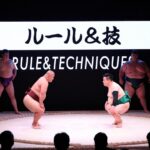
- The 35-minute sumo show: history, rules, and a few laughs
- The 10–15 minute sumo experience: the fun part, lottery limits, and safety notes
- Kimono haori dressing: instant Osaka style (and an upgrade option)
- Photos with rikishi: how to get the best souvenir shot
- Chanko nabe hot pot: what you get, and when it’s included
- Food truck and drinks on site: keep your night flexible
- Value at $77 per person: is it worth it?
- Getting there from Shin-Osaka, Osaka Station, and Kansai Airport
- Who should book this Osaka sumo show with kimono and hot pot?
- Should you book this Osaka Sumo Show & Kimono Experience?
- FAQ
- What’s included in the Osaka sumo show experience?
- How long does the experience take?
- What time are the sumo shows?
- When do the doors open?
- Is the sumo experience guaranteed?
- Do I get to try on a kimono haori?
- Can I buy kimono on site?
- Is chanko nabe included?
- Can I request gluten-free or vegetarian?
- Is there food and drink available besides hot pot?
Key things to know before you go
- Interactive sumo challenge (10–15 minutes) right after the show, with limited slots and possible lottery
- Photo session with rikishi after the performance, plus a chance to get that “I was there” shot
- Kimono haori dressing experience, with on-site kimono purchasing available
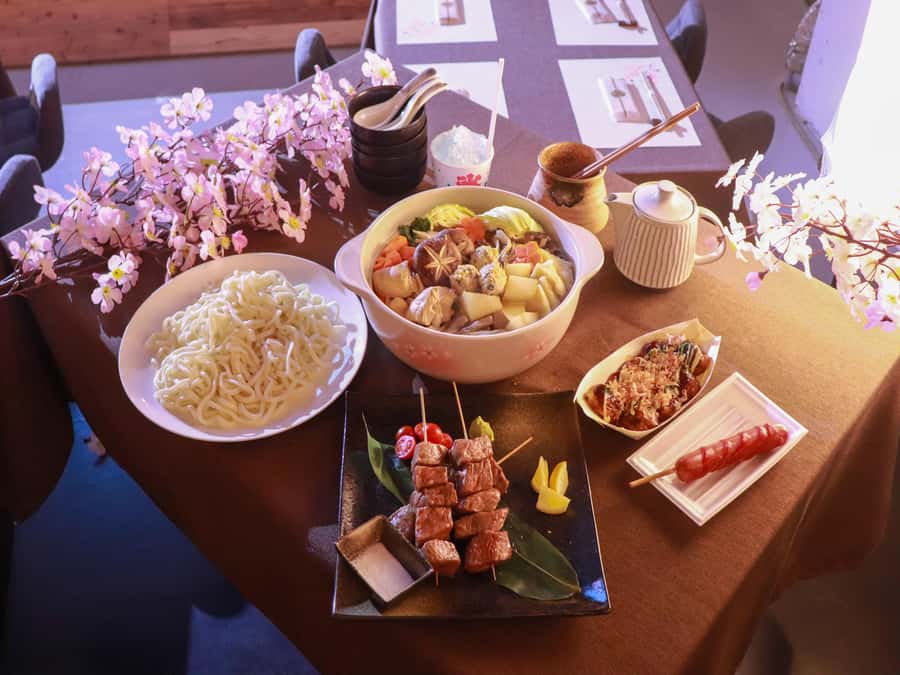
- Chanko nabe hot pot is option-based, not automatic
- Restaurant add-ons on site, including a food truck with takoyaki, okonomiyaki, and wagyu beef
- Two show times daily (lunch 1pm, dinner 6pm) with strict door-open windows
Osaka Sumo at Sumo restaurant Ochiizumibeya: what the evening feels like
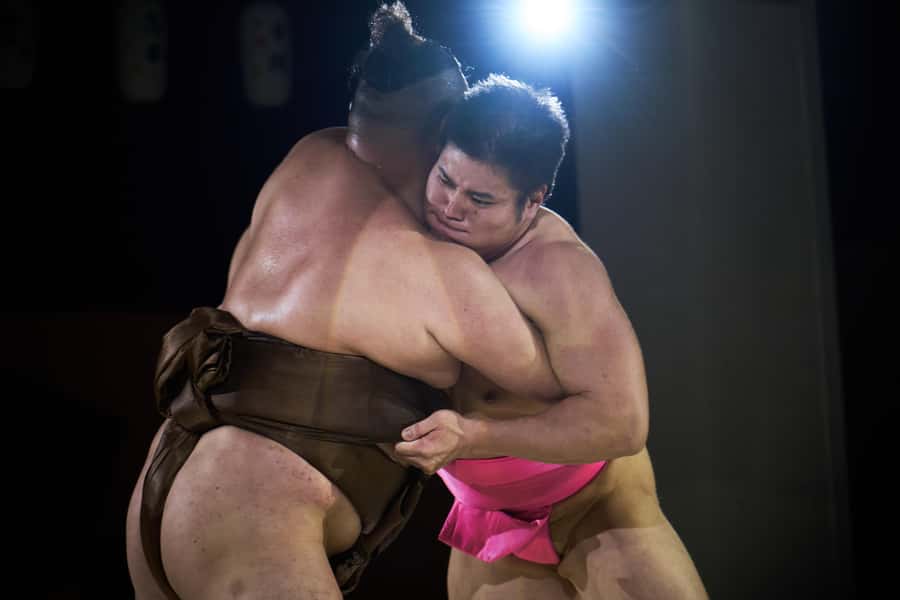
This is Osaka sumo as a show plus an event, not a long, stadium-style tournament. Expect a 35-minute sumo show with explanations and humor, then a shorter audience-participation segment that’s more like a “try it yourself” demo than a full competitive match.
What makes it appealing is the mix. You get the spectacle of sumo basics, then you get pulled into the action—plus you can dress up in a formal kimono haori and grab photos with the wrestlers. The whole thing runs like a hosted night out, not a dusty museum.
A detail worth knowing: the sumo show and experience are staged indoors inside the same restaurant area. That means you’re not jumping between locations, and you won’t lose your momentum between the show, photo time, and kimono dressing.
You can also read our reviews of more tours and experiences in Osaka


Timing that matters: lunch 1pm, dinner 6pm, and door-open windows
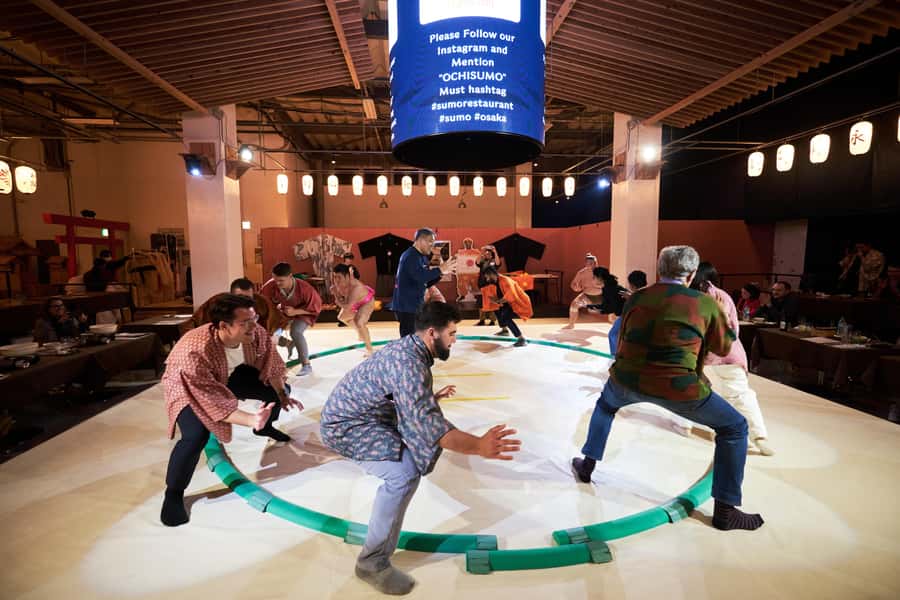
The schedule is simple, but it’s also strict. Sumo show start times are 1pm for lunch and 6pm for dinner. Doors open 12pm–12:45pm for the lunch slot and 5pm–5:45pm for the dinner slot, so you’ll want to arrive within that window.
This timing matters because you’ll need time to check in, settle, and get ready for the kimono haori area and show seating. If you show up late, you risk missing parts of the experience—there are no refunds for day-of cancellations or late arrivals per the provided rules.
If you’re doing the dinner show, plan your day so you’re not racing. Osaka has traffic and subway connections, and the easiest way to enjoy this is to arrive early, get oriented, and let the staff guide you.
The 35-minute sumo show: history, rules, and a few laughs
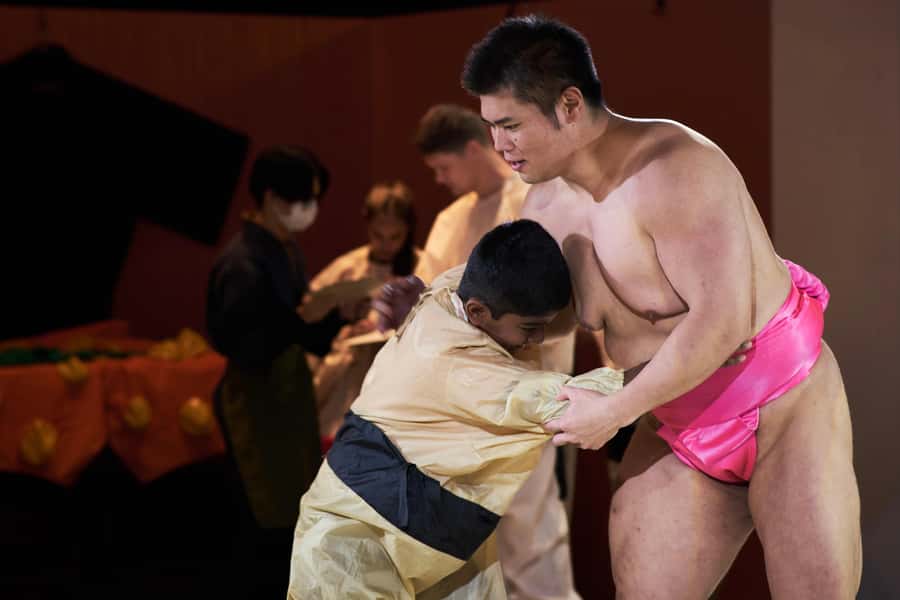
The show itself is short on purpose. You’re looking at about 35 minutes, which is perfect if you’re in Osaka for a packed itinerary and don’t want a half-day commitment.
You’ll get explanations of sumo moves and rules, plus a sense of how bouts work. The performance includes legal and illegal move-style demonstrations and casual tachiais, which are the initial charge moments. Expect humor and audience engagement, so even if you know almost nothing about sumo, you’ll still follow what’s happening.
One thing to calibrate: this isn’t presented as a full, traditional tournament with a deep card of matches. It’s more of a fast, guided introduction that keeps energy high.
The 10–15 minute sumo experience: the fun part, lottery limits, and safety notes
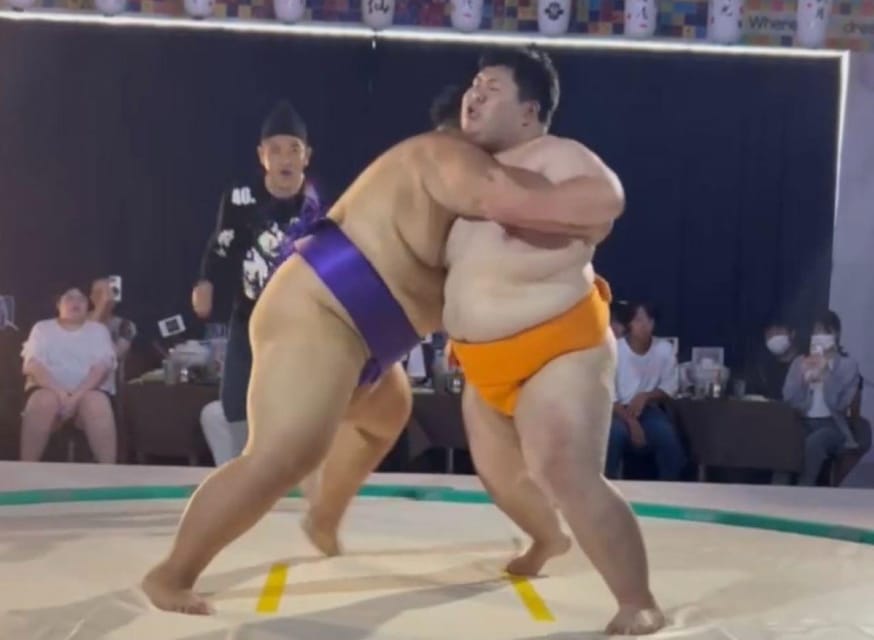
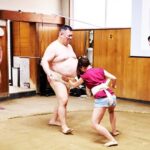
After the show, you may be invited into the sumo experience for roughly 10–15 minutes. The experience is interactive: you get a chance to “fight” in a controlled, show-style challenge with wrestlers. Some participants describe a best-of-three style challenge setup, and many people love that this is where the event turns from watching into doing.
Here’s the practical catch. Places are not guaranteed, and there may be a lottery if too many people want the sumo participation. So if this is the #1 reason you booked, arrive on time and keep expectations flexible.
Also take the safety note seriously. Even though the team does everything they can to ensure safety, there’s still a possibility of injury because this involves physical activity. If you have wrist, knee, or back issues, think twice before you join the wrestling portion.
Kimono haori dressing: instant Osaka style (and an upgrade option)
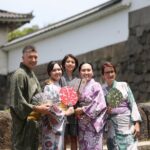
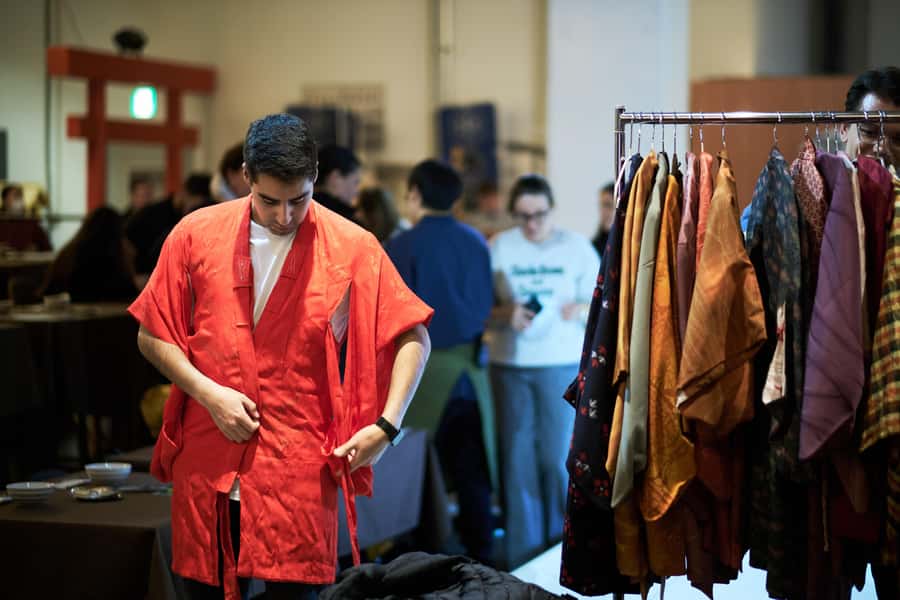
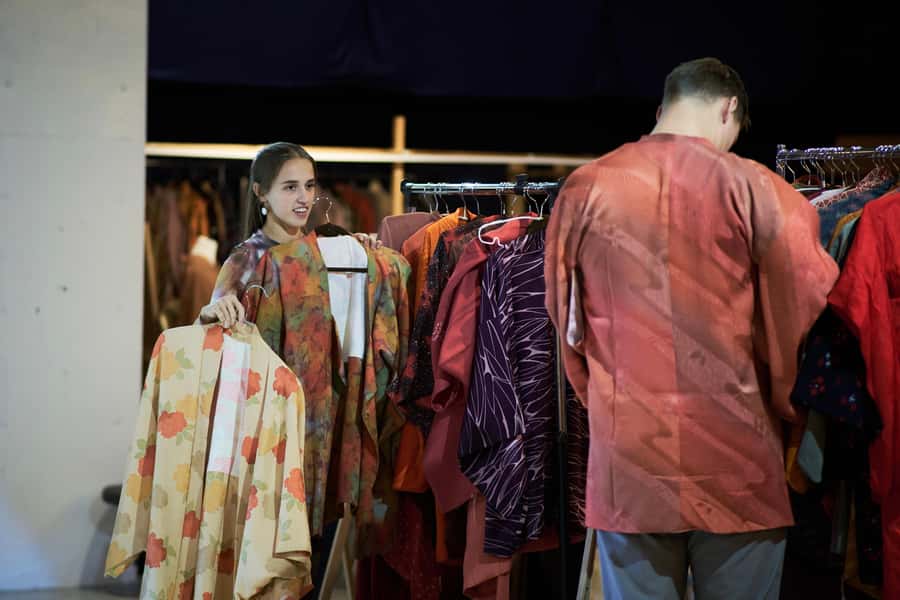
One of the best parts of this experience is how quickly it turns into a photo-worthy cultural moment. After the show, you’ll have access to a kimono area to try on a kimono haori, a formal coat-like garment. You can dress up and get styled for pictures in a way that feels more special than a quick souvenir photo.
You can also buy kimono on site, which is useful if you want something you can actually use later (or at least keep as a memory). If you’re picky about fit and presentation, look for the option listed as Kimono Experience Premium, which is described as a choice for a more professional waring (wearing) experience.
What to expect in practice: you’ll spend some time getting the haori on and settled. You don’t need advanced fashion skills. The staff are there to help you look correct, and the whole area supports people who might be nervous about dressing up.
Photos with rikishi: how to get the best souvenir shot
The included photo session with rikishi happens after the show. This is one of those add-ons that changes the entire value of the event. A show is fun, but a photo with the wrestlers is what makes it feel real.
If you want the best results, do two things:
- wear your kimono haori during the photo window if you can
- pay attention to directions given by the host staff so you’re ready when your turn comes
You’ll likely notice the atmosphere gets lively right after the show. People line up, the wrestlers interact, and it becomes less like a performance and more like a meeting. Some staff names show up in participant accounts, like Taka and Kiko, so if one of them is hosting your session, expect a friendly, guide-like vibe.
Chanko nabe hot pot: what you get, and when it’s included
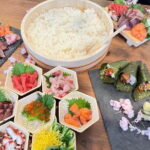
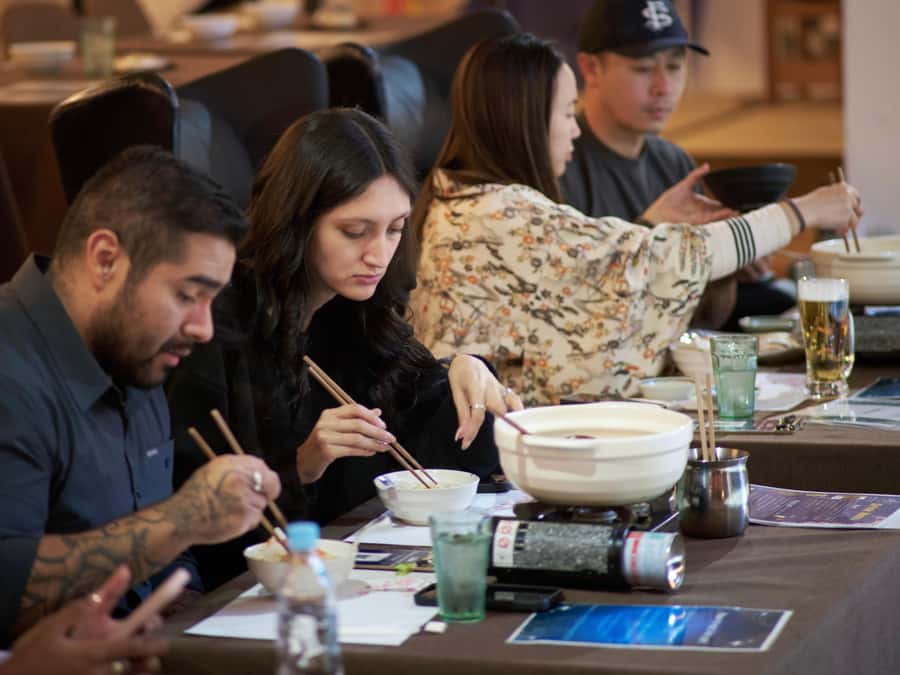
If you choose the hot pot upgrade, you’ll try chanko nabe, described as a traditional sumo wrestler made food using recipes in a Takasagobeya style. It’s positioned as simple and tasty, with the comfort-food feeling of Japanese home cooking.
Important: without the food plan, they do not serve chanko nabe. That means you should not assume “ticket equals hot pot.” If hot pot is a big part of your plan, pick the meal option that matches what you want to eat.
There are also notes about dietary needs:
- If you want gluten-free or vegetarian, select the relevant option in the additional product options. The data says to select 0 yen from those add-ons for those choices, but it also says this plan does not include meals unless you select the food plan.
- If you already selected a meal menu, they may adjust it to match the listed ingredients guidance.
- Meat options are described as being served only with chicken or beef in some cases.
If you don’t choose the meal plan, you can still eat later onsite. The restaurant area includes additional food available for purchase, but that’s separate from the included sumo experience.
Food truck and drinks on site: keep your night flexible
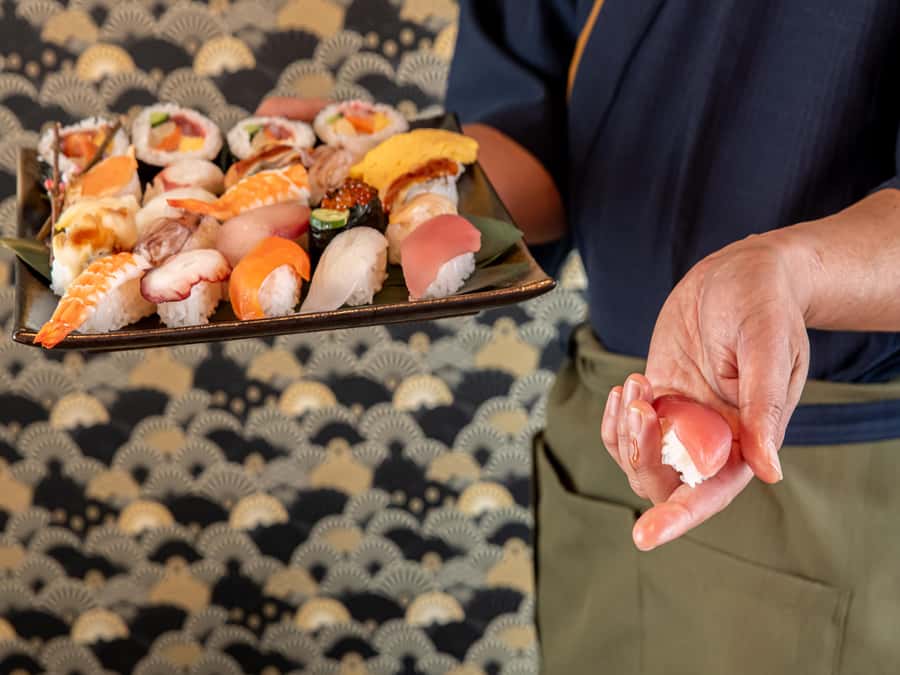
Inside the restaurant area, there’s an on-site food truck selling classic Japanese snacks: takoyaki, okonomiyaki, and wagyu beef. Drinks are also available at a bar counter inside the restaurant.
This is a practical advantage. If you’re not hungry for the hot pot option, you can still snack and keep the energy going. If you are hungry, hot pot is a simple anchor meal before or after the participation segment.
Some participants mention beer and a lively service atmosphere. The key is to remember: these are available for purchase, not included.
Value at $77 per person: is it worth it?
At $77 per person, this package is priced like a “hosted night” with multiple included activities: sumo show ticket, a sumo experience that may involve a lottery, a rikishi photo session, and kimono haori dressing. That’s a lot packed into about 1 to 1.5 hours, especially compared with trying to assemble similar experiences on your own in Osaka.
Here’s how to judge the value for your travel style:
- If you want interaction, not just a seated show, you’ll likely feel the value quickly. The hands-on sumo experience is the standout included component.
- If kimono dressing and photos matter to you, the haori portion adds real “I did something” value, even if you’re not a hardcore sumo fan.
- If you only care about watching a traditional match card, you might feel it’s shorter than what you expected, since it’s a show format with a limited number of bouts.
Meal value depends on your choice. If you pick the chanko nabe hot pot plan, you’re getting that comfort-food centerpiece. If you don’t, you’ll be eating from the onsite menu or later.
Getting there from Shin-Osaka, Osaka Station, and Kansai Airport
Location is the part that can make or break your day. You’ll be heading toward Namba and then walking to the restaurant area.
Here are the provided routing options:
- From Shin-Osaka Station: take the Osaka Metro Midosuji Line to Namba (7 stops), then walk about 8 minutes
- From JR Osaka Station: take a JR Kanku Rapid toward Kansai Airport, about 1 hour 1 minute
- From Kansai International Airport: take the Nankai Airport Line to Namba, about 5 minutes, then use the onward steps to reach the area
If you’re trying to keep the experience stress-free, aim to be near Namba well before your door-open time. Then you can walk in without rushing.
Who should book this Osaka sumo show with kimono and hot pot?
This is a strong pick if you want:
- a fun Osaka activity that feels cultural without needing prior sumo knowledge
- a short, high-energy outing (about 1–1.5 hours)
- the kimono haori experience and a photo moment with rikishi
- the chance to do an audience participation sumo challenge
It’s also a good family-friendly choice based on the described audience engagement and the fact that children are welcomed—children under 6 enter for free per the provided info.
You might skip it if:
- you’re specifically hunting for a long, multi-bout official sumo tournament atmosphere
- you don’t want any chance of physical participation, since the sumo experience involves activity and has a safety warning
Should you book this Osaka Sumo Show & Kimono Experience?
Book it if you want a compact, hosted Osaka night that gives you four things in one: a sumo show, interactive participation, kimono dressing, and photos with rikishi. The pricing makes sense when you value the included experiences, not just the show itself.
If the sumo participation is the main reason you’re going, go in knowing there may be a lottery and your spot is not guaranteed. Still, even the show plus photos plus kimono haori makes this a solid cultural stop.
Finally, if you want chanko nabe, choose the meal plan. Otherwise, you’ll be snacking onsite instead. That one choice changes the whole taste of the experience.
FAQ
What’s included in the Osaka sumo show experience?
You get a sumo show ticket, a sumo experience segment (places not guaranteed), a photo session with the rikishi, and a kimono haori experience. If you choose the kimono option, that’s included too.
How long does the experience take?
The total duration is about 1 to 1.5 hours. You’ll see specific starting times based on availability.
What time are the sumo shows?
Sumo show start times are 1pm for lunch and 6pm for dinner.
When do the doors open?
Doors open 12pm–12:45pm for the lunch show, and 5pm–5:45pm for the dinner show.
Is the sumo experience guaranteed?
No. Places for the sumo experience are not guaranteed, and there may be a lottery if there are too many people who want to participate.
Do I get to try on a kimono haori?
Yes. There’s a kimono area where you can try on a kimono haori as part of the experience.
Can I buy kimono on site?
Yes. You can even buy kimono at the onsite areas mentioned.
Is chanko nabe included?
Chanko nabe is not served unless you select the food plan. Without the food plan, chanko nabe is not served.
Can I request gluten-free or vegetarian?
Yes. The instructions say to select 0 yen from the additional product options for gluten-free or vegetarian requests. Note that the plan still doesn’t include meals unless you choose the meal option.
Is there food and drink available besides hot pot?
Yes. There’s an onsite food truck selling takoyaki, okonomiyaki, and wagyu beef, plus drinks available for purchase inside the restaurant.