REVIEW · OSAKA
Discover Japanese Tea Blending Techniques in Osaka
Book on Viator →Operated by When in Japan · Bookable on Viator
Tea that turns into cocktails. In Osaka, Ko guides you through traditional brewing and modern mixology, with hands-on tastings and take-home samples. You also get a peek at Osaka beyond the main tourist crush.
What I really like is how personal it feels. You taste and learn, then steer the experience toward what you enjoy. I also love the smart setup: a small group (max 3 travelers) makes it feel closer to a private class than a mass tour.
One possible drawback: it’s only about 2 hours, so if you want tons of downtime for strolling or shopping afterward, plan a longer day.
In This Review
- Key things to know before your Osaka tea afternoon
- Finding Japanese tea blending in Osaka, away from the tourist noise
- Meet Ko and set your tea flavor direction
- Brewing five Japanese teas: sencha, wakocha, oolong, hojicha, matcha
- Sencha (green tea) basics
- Wakocha (Japanese black tea)
- Oolong tea: the in-between world
- Hojicha: the roasted tea that makes sense of umami
- Matcha: the modern classic (and its craft)
- The real value: temperature, tools, and technique you can actually repeat
- Tea rituals and the philosophy behind the cup
- Hands-on mixing: tea blending, fruit, and tea cocktails with alcohol
- How to think about the cocktail part
- What you take home: samples, recipes, and better home brewing
- Price and timing: is $54.46 worth it?
- Who this Osaka tea blending workshop fits best
- Practical tips before you go
- Should you book this Osaka tea blending workshop?
- FAQ
- What is the duration of the Osaka Japanese tea blending workshop?
- What time does the workshop start in Osaka?
- How much does the experience cost?
- What kinds of Japanese tea will I learn to brew?
- Do I get to make tea cocktails, or is it only tastings?
- Do I receive take-home items?
- Where is the meeting point?
- Is there free cancellation?
Key things to know before your Osaka tea afternoon

- Small group (up to 3 travelers) means more hands-on help and less waiting around.
- You’ll brew multiple tea styles including sencha, wakocha, oolong, hojicha, and matcha.
- Tea cocktails are part of the program, using natural ingredients and even alcohol infusion.
- You leave with samples and recipes so you can recreate the drinks at home.
- The shop area is outside the tourist hub, which makes the walk there feel calmer.
Finding Japanese tea blending in Osaka, away from the tourist noise
Osaka is loud in the best way, but this workshop is designed for a quieter mood. The meeting point is at Namba Yasaka Jinja, and the experience continues in a tea-house style setting that’s described as cozy and calm, not classroom-ish. For me, that matters because tea is slow work. You learn faster when the space isn’t rushing you.
You’ll start at 3:00 pm and keep moving for around 2 hours. That afternoon timing is nice if you like a late start and want to avoid a hectic morning. It also pairs well with an easy dinner plan later, because you’ll finish with tea knowledge and drink ideas, not with full on meal fatigue.
This is also an option if you’re a couple. The group limit is 3 travelers, and the vibe is built for chatting with your host while you brew and taste. If you like experiences where you can actually ask questions, this structure helps.
You can also read our reviews of more tours and experiences in Osaka.

Meet Ko and set your tea flavor direction
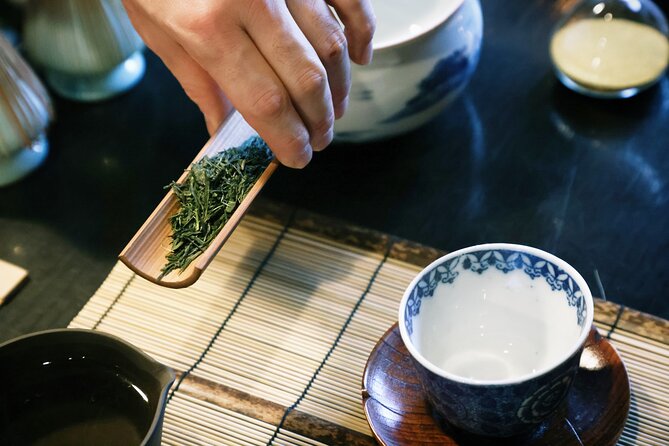
The biggest ingredient in this workshop isn’t tea leaves. It’s the host. Ko runs the class with a mix of humor and serious craft. He’s the kind of teacher who can explain tea in plain language, then help you correct details as you work.
Before you start mixing anything, you’ll get a taste of how the session will flow. You’ll learn about Japanese tea rituals, then you’ll start brewing. The format is hands-on, meaning you’re not just watching your way through a tasting flight.
Another detail I appreciate is that you can personalize based on your tastes and preferences. That’s not just marketing. When you’re learning multiple tea types, you want to steer the class toward what you actually enjoy: grassy green notes, toasty roasted flavors, or the deeper, rounded side of oolong and wakocha.
Brewing five Japanese teas: sencha, wakocha, oolong, hojicha, matcha
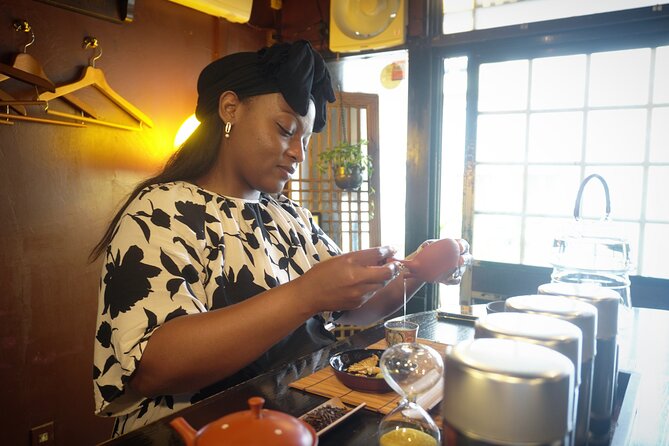
This workshop covers several styles of Japanese tea, and each one trains a different part of your palate and technique.
Sencha (green tea) basics
Sencha is often your first “green tea identity test.” You’ll brew it with attention to temperature and technique, which is where beginners usually get tripped up. The class doesn’t assume you know tools or timing. You’ll learn how to handle the brewing process correctly, including what to watch for while you pour and sample.
Wakocha (Japanese black tea)
Wakocha moves you into a fuller, rounder tea profile. It’s still tea, but the way it tastes and how it behaves in hot water feels different. You’ll learn the basic brew knowledge for it too, so you’re not just hoping it turns out.
Oolong tea: the in-between world
Oolong is the bridge. It can taste floral, toasty, or slightly sweet depending on the tea and how it’s brewed. This workshop includes it so you can compare it directly with green and roasted styles. That comparison is where the learning sticks.
Hojicha: the roasted tea that makes sense of umami
Hojicha is roasted, and in many tea tastings it’s the moment people go, Oh, so that’s what toasty really means. In this class, hojicha is part of the main set, and you’ll brew it using traditional techniques. One review-style detail that lines up with the teaching approach: you’ll learn more than timing. You’ll also learn physical technique, like how to hold a teapot correctly and why that small detail affects the pour.
Matcha: the modern classic (and its craft)
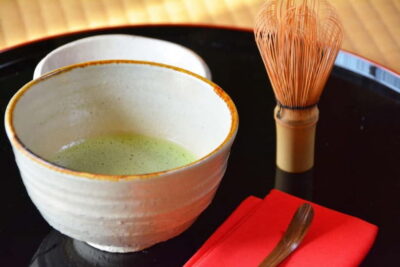
Matcha is where modern Japanese tea culture shows up big time. You’ll learn brewing and drink-making basics, then you’ll connect matcha to the overall philosophy of the culture: attention, restraint, and a respect for ingredients. You’ll also sample matcha-based drinks during the workshop activities.
The real value: temperature, tools, and technique you can actually repeat
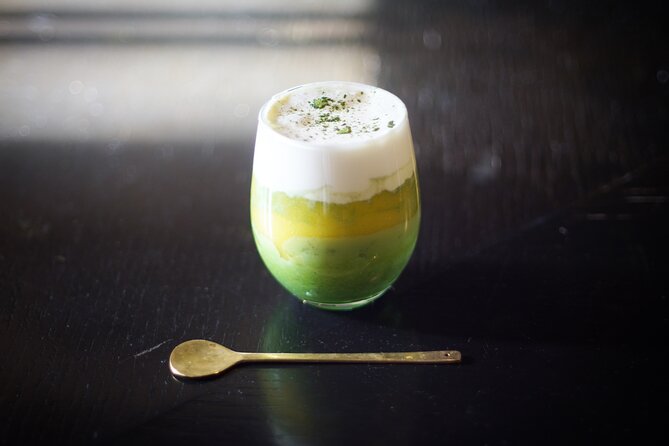
A lot of tea classes stop at tasting. This one goes further. You’ll learn proper brewing for each tea, including brewing temperatures, technique, and how to use the handling tools you need.
Why this matters for you: if you can’t repeat the tea at home, the experience becomes a memory, not a skill. Here, you’ll leave with recipes and tea samples, so your next step is simple: open your cupboard, brew again, and compare your results with your taste notes.
It also helps that the tea leaves are described as locally sourced organic. That’s a practical advantage. When your ingredients aren’t just generic supermarket blends, your at-home results are more likely to match what you learned in class.
Tea rituals and the philosophy behind the cup
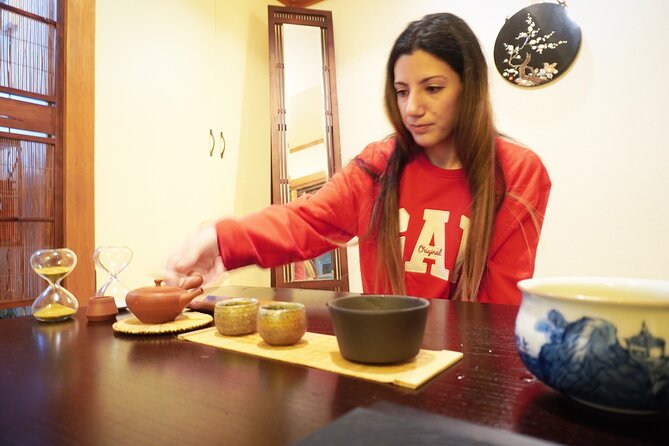
The workshop explains tea’s historical significance and the philosophy behind Japanese tea culture. You’ll hear about how tea rituals shaped the country, then you’ll connect that idea to what you’re doing in real time: how you brew, how you pour, and how you taste.
I like this approach because it keeps the class grounded. Instead of treating rituals like museum pieces, you see the logic. Tea culture is partly about precision (temperature, steeping behavior), and partly about mood (slow attention, a calm break from the day).
Ko’s teaching style comes through here. He doesn’t talk at you for hours. The explanations come right before you use the technique, so the lesson has a job.
Hands-on mixing: tea blending, fruit, and tea cocktails with alcohol
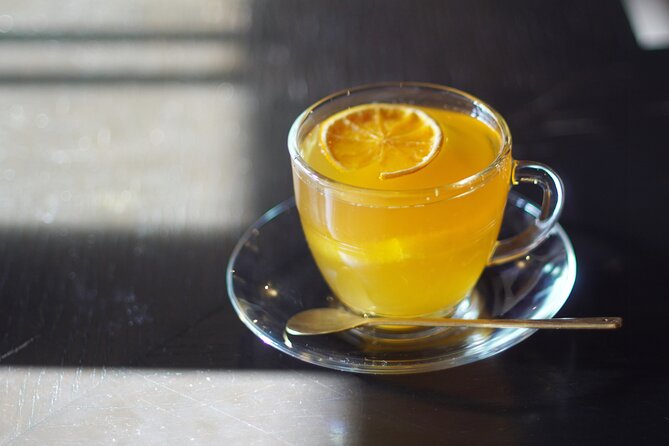
Now for the fun part. After the brewing basics, you shift to applying traditions with new techniques. The workshop includes making tea drinks using natural ingredients like fruit, and you’ll also infuse it with alcohol as part of the cocktail-style portion.
This is where the experience feels like a modern Osaka afternoon. It’s still rooted in tea, but it’s not stuck in tradition-only mode. If you like food and drinks where flavors are built instead of guessed, you’ll enjoy this section.
You’ll also sample a tea cocktail and traditional Japanese sweets. That sweet pairing matters. Tea has bitterness, roastiness, and sometimes natural sweetness. Sweets can make those notes clearer, and the cocktail portion makes the tasting more playful.
How to think about the cocktail part
Even if you don’t drink alcohol normally, treat the cocktail step like an extra flavor-training exercise. You’re learning how tea flavor compounds interact with fruit and spirits. That skill transfers well if you want to make iced tea, matcha lattes, or tea spritz-style drinks later.
What you take home: samples, recipes, and better home brewing
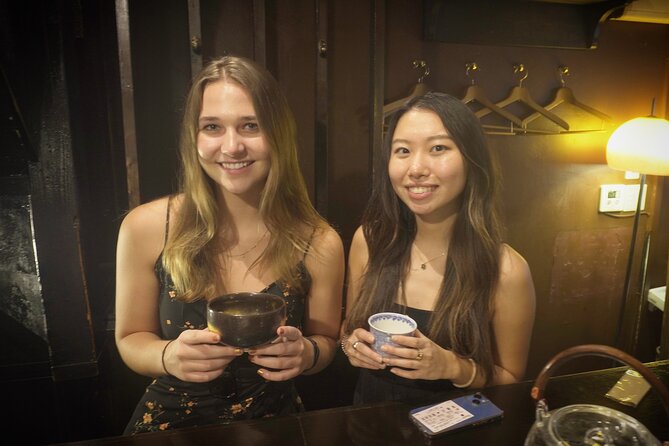
At the end, you can take home recipes and small tea samples you learned to make. This isn’t a throwaway souvenir. It’s the key to getting real value out of the price.
When you get home, you’ll be able to do two things:
- Brew the teas you learned with the technique you were taught.
- Recreate the drink recipes, including tea cocktails you experimented with in class.
That’s how you turn a 2-hour workshop into something that keeps paying you back over weeks.
If you enjoy gifts, those samples are also an easy way to share something specific. You can brew a tea for a friend and explain what you learned, rather than handing over a generic package.
Price and timing: is $54.46 worth it?
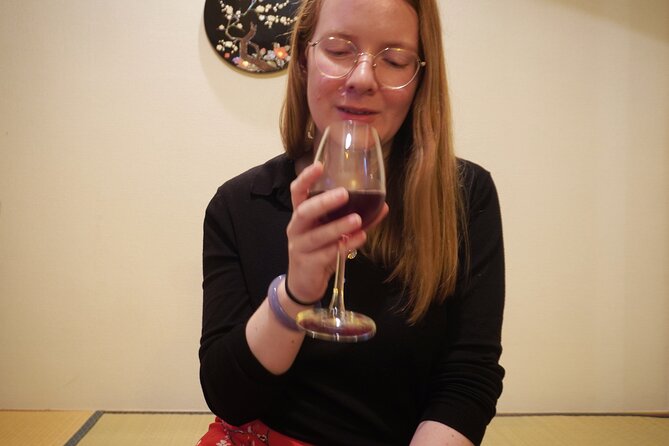
At $54.46 per person, you’re paying for a short, focused, hands-on workshop with multiple teas, cocktail-style drinks, sweets, and take-home items. The big value drivers here are:
- Multiple tea types covered in one session (sencha, wakocha, oolong, hojicha, matcha)
- Instruction on technique (temperature, tools, and practical pouring and brewing habits)
- Small group size (max 3), which usually means more attention from the host
- Tasting + making, not just watching
- Take-home samples and recipes, so you keep learning after you leave
If you’re the type who wants to taste a few teas and you’re fine with generic explanations, you might find cheaper tastings. But if you want skills you can repeat, and you like the idea of tea cocktails built from tea craft, this pricing lines up well.
Time-wise, plan your afternoon around the 3:00 pm start. Because you’re hands-on, you’ll want your energy level to be steady, not rushed. You’ll likely want a simple dinner plan after, since tea can be surprisingly satisfying on its own.
Who this Osaka tea blending workshop fits best
This works especially well if:
- You love tea and want to understand it, not just drink it
- You’re curious about Japanese matcha, hojicha, or oolong but want technique
- You prefer small-group experiences with room to ask questions
- You enjoy food-and-drink workshops where you build a drink yourself
- You’re traveling as a couple and want a calm but memorable shared activity
It might be less ideal if:
- You only want to sightsee and prefer tours that include lots of walking or landmarks
- You want a long event with lots of free time between tastings
- You dislike hands-on classes where you’ll be actively brewing and mixing
Practical tips before you go
Because this is a hands-on workshop, you’ll enjoy it more if you go prepared to participate. Here are practical things that help:
- Arrive a few minutes early and get your bearings near Namba Yasaka Jinja.
- Wear comfortable shoes. Even though the session is mostly indoors, you’re still moving around the area.
- Bring curiosity, not expectations. Tea has a few flavor surprises, especially hojicha and oolong when brewed the right way.
- If you’re sensitive to caffeine, tell Ko when you start. The class includes matcha and multiple teas.
Should you book this Osaka tea blending workshop?
If you want a tea experience that goes beyond tasting, I’d book it. The combination of multiple tea types, technique coaching, and the cocktail portion gives you both tradition and modern fun in the same 2 hours. And because you leave with samples and recipes, you’re not paying just for a moment.
Book it if you’re traveling with someone you can enjoy quietly chatting with, and if you like learning through doing. Skip it if you only want a quick tea stop with zero brewing work.
If your schedule allows, go for it sooner rather than later. It’s described as commonly booked about 60 days in advance, which usually means it fills when people hear about the small-group, hands-on format.
FAQ
What is the duration of the Osaka Japanese tea blending workshop?
The workshop lasts about 2 hours.
What time does the workshop start in Osaka?
It starts at 3:00 pm.
How much does the experience cost?
The price is $54.46 per person.
What kinds of Japanese tea will I learn to brew?
You’ll cover green tea (sencha), Japanese black tea (wakocha), Japanese oolong tea, hojicha (roasted tea), and matcha.
Do I get to make tea cocktails, or is it only tastings?
You’ll make tea drinks, including a tea cocktail portion that uses natural ingredients like fruit, and it includes infusing with alcohol.
Do I receive take-home items?
Yes. You leave with small samples of tea and you can take home recipes for the beverages you learned to make.
Where is the meeting point?
The meeting point is Namba Yasaka Jinja 2-chōme-9-19, Motomachi, Naniwa Ward, Osaka, 556-0016, Japan.
Is there free cancellation?
Yes. Free cancellation is available, and you can cancel up to 24 hours in advance for a full refund.