REVIEW · OSAKA
Osaka Michelin Food Tour Experience Kaiseki and Local dishes
Book on Viator →Operated by MagicalTrip Inc. · Bookable on Viator
Osaka tastes like a story you can eat. I like how this tour pairs Michelin-starred kaiseki with the loud, flavorful street-food energy of Amerikamura takoyaki. You get structure, context, and the right pacing—no wandering hungry and guessing.
One thing to keep in mind: dietary limits are strict, especially around takoyaki and allergy needs, so you’ll want to check carefully before you book.
A good guide makes this kind of tour feel like a crash course in local eating habits. In particular, I love that the experience can include small cultural extras from guides such as Chie, including how to write your name in Japanese katakana characters. If you’re hoping for lots of flexibility on food, plan ahead—substitutions aren’t guaranteed.
In This Review
- Key highlights to know before you go
- Why this Osaka kaiseki-and-street-food blend is smart
- Hibuse Pottery Shrine: the cultural warm-up you’ll remember later
- Ajikitcho Bunbuan kaiseki in Honmachi: what Michelin-starred means here
- Shinsaibashi shotengai and Amerikamura: the Osaka context shift
- Edo-era tableware shopping: when a souvenir actually makes sense
- Bib Gourmand takoyaki in Amerikamura: the one snack you should not skip
- Matcha dessert near Shinsaibashi (or Nanba): the perfect gear change
- Price and value: is $162.58 a fair deal?
- Practical tips: timing, walking, clothing, and dietary limits
- Who this Osaka tour suits best
- Should you book this Osaka kaiseki and local dishes tour?
- FAQ
- How long is the Osaka food tour?
- What time does the tour start?
- Where do I meet the guide?
- How many people are in the group?
- Is the pottery shrine admission included?
- Can I get a vegetarian course?
- Are vegan, gluten-free, or shellfish allergy requests possible?
- What about dietary restrictions for takoyaki?
Key highlights to know before you go
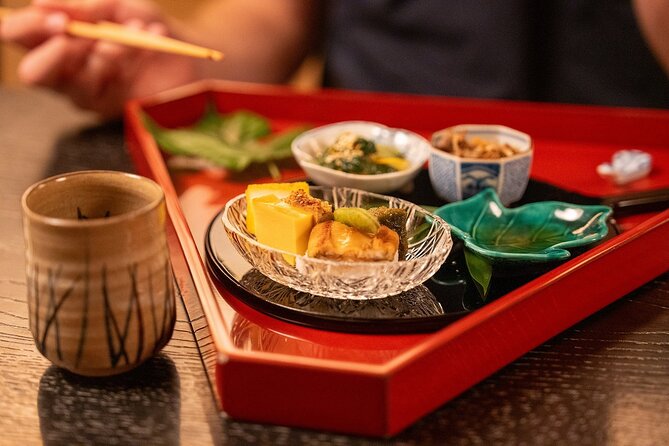
- Michelin-starred kaiseki meal: seasonal ingredients and an artistic approach to plating
- Bib Gourmand takoyaki stop in Amerikamura: crisp outside, soft inside, octopus-forward flavor
- Matcha dessert finish: a calmer, sweet note after savory eating
- Historic Hibuse Pottery Shrine: a quick cultural setup before the meal begins
- Small group size (max 6): easier pacing for questions and photos
- English-speaking guide plus dining context: not just what to eat, but how to read the meal
Why this Osaka kaiseki-and-street-food blend is smart
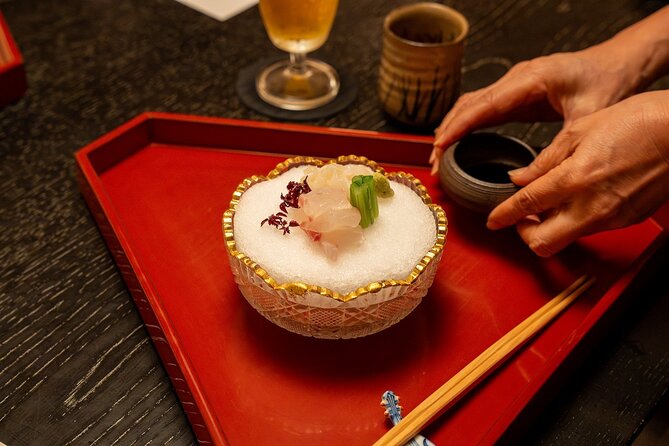
This tour hits a rare sweet spot in Osaka: you start with a high-end kaiseki experience, then you drop into the everyday food scene that makes the city famous. You’re not doing “random snack hopping.” Instead, the guide gives you a thread—why the meals look and taste the way they do, and how local culture shapes what ends up on the table.
I also appreciate the length. At about 3.5 hours with a leisurely walk of roughly 2–3 km, you get enough stops to feel like you’ve eaten well, without turning the day into a full cardio + food marathon. And because it’s limited to 6 guests plus the guide, you’re less likely to be stuck waiting behind a big crowd.
The value angle is simple: one confirmed meal is Michelin-starred kaiseki, plus takoyaki and a matcha dessert. With a guided experience that strings those together (and adds a couple of culture stops), the $162.58 price starts to make more sense than paying for each item separately and trying to coordinate your own timing.
You can also read our reviews of more food & drink experiences in Osaka
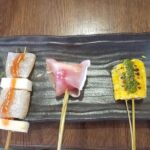
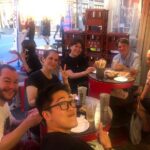
Hibuse Pottery Shrine: the cultural warm-up you’ll remember later
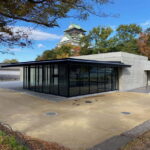
The tour begins near a 7-Eleven meeting point in Chuo Ward, then heads out to Hibuse Pottery Shrine for about 20 minutes. This is a small stop on paper, but it’s useful in the real-world way it frames the rest of the day.
The shrine’s story is tied to ceramics—locals historically prayed here for protection from fire and prosperity in ceramics. That matters because kaiseki isn’t just “fancy food.” It’s also about the objects around it: the way dishes are chosen, how tableware supports the presentation, and how eating becomes a seasonal, visual experience.
Practical note: this is free admission. It’s also short, so even if you’re not into shrines, you’re not wasting time. Shoes on, water ready, and then you move on while you’re still fresh.
Ajikitcho Bunbuan kaiseki in Honmachi: what Michelin-starred means here
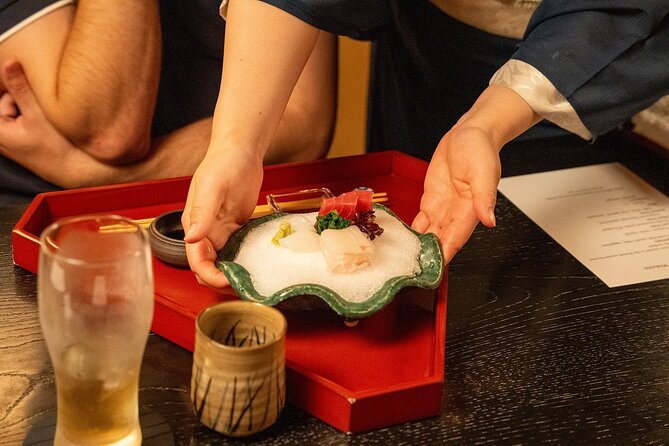
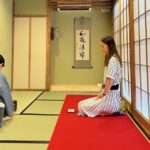
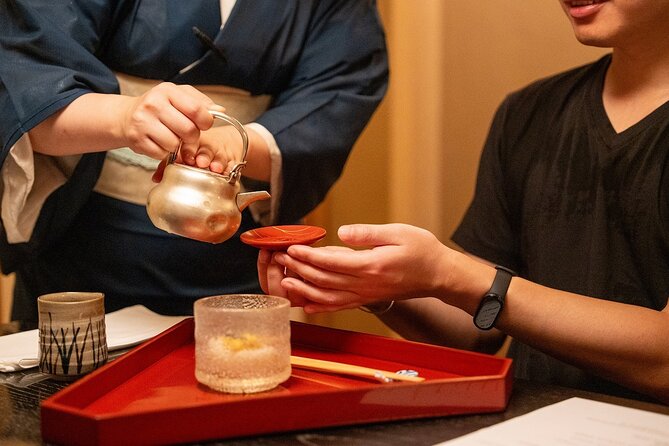
Next comes the heart of the tour: a Michelin-starred kaiseki meal at Ajikitcho Bunbuan in Honmachi, about 1 hour. Kaiseki often gets described as elegant, but here’s the practical reason I think this stop is worth doing with a guide: kaiseki has rhythm.
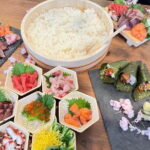
You’re eating seasonal ingredients with a focus on presentation. The restaurant’s concept connects to bunburyōdō—the pursuit of excellence in culinary craft and beyond—and that philosophy shows up in the care taken with how dishes arrive and how they’re meant to be noticed, not just consumed.
The tour includes drinks like tea and water at the kaiseki restaurant. Alcohol is available to purchase if you want it, but you don’t need it to enjoy the experience. Dress-wise, “moderate attire” is requested for kaiseki, with a note to avoid off-shoulder tops.
And if you’re the kind of person who likes to learn while you eat, the English-speaking guide helps you read what you’re seeing—so you leave with more than just a full stomach.
Shinsaibashi shotengai and Amerikamura: the Osaka context shift
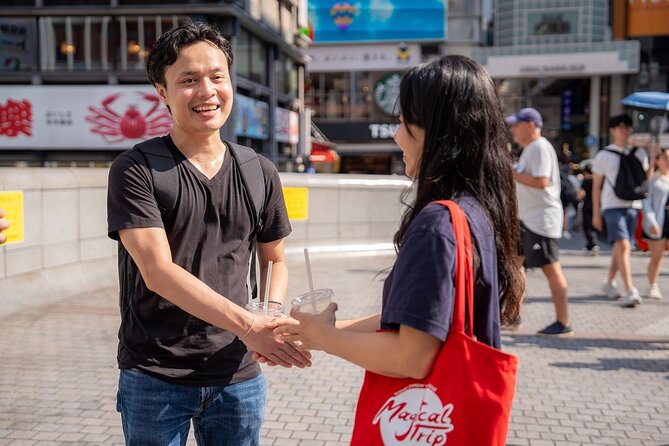
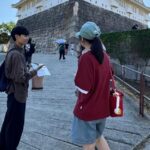
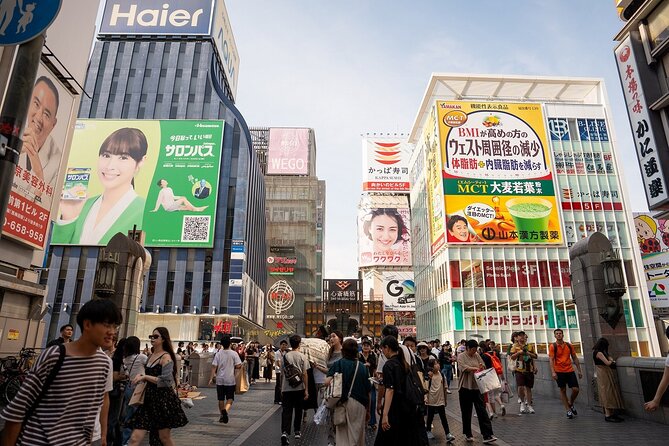
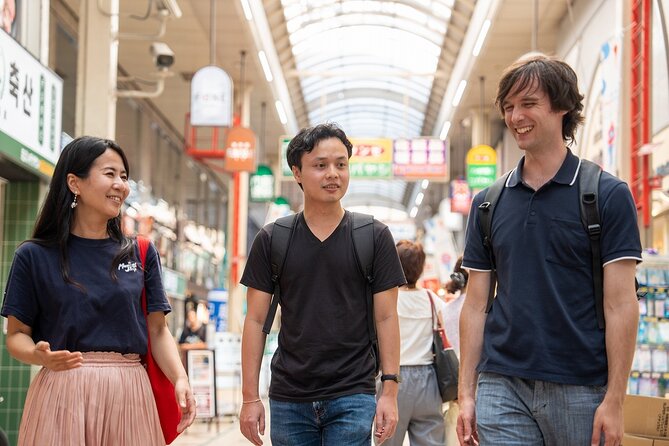
After Honmachi, the tour transitions to movement and atmosphere: Shinsaibashi and then a walk that leads into Amerikamura. You get about 20 minutes for the first shopping-street stroll.
This is where Osaka changes gears. Shotengai areas are practical: local shopping lanes, everyday foot traffic, and lots of signage that tells you what people actually buy and where they grab snacks. You don’t have to be a shopper to enjoy the vibe. Think of it as setting the stage before the street-food stop.
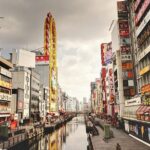
Amerikamura is also described as a hub for youth culture—meaning you’re likely to feel more energy here than in the business districts. For a food tour, that matters. The best street snacks aren’t quiet experiences. They’re quick, hot, and meant to be eaten right where you’re standing.
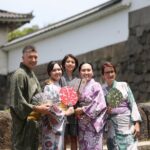
If you want photos without stress, the tour includes complimentary tour photos, and the small group size makes it easier to keep everyone aligned while you move through busier areas.
Edo-era tableware shopping: when a souvenir actually makes sense
One stop is designed for people who love using travel finds at home: a ceramics shop focused on Imari ware and antique tableware. You’ll spend about 30 minutes here, and it’s positioned as an option “if open” (with the guide guiding alternatives if it isn’t).
The point is less about buying something expensive and more about spotting items that feel connected to daily Japanese dining. Imari ware and antique tableware can work well at home because you’re not buying a decorative trinket—you’re looking for something you can put on the table.
Here’s the practical consideration: since this is a food tour, not a full shopping expedition, you’ll want to keep your “buy or not buy” decision simple. If you’re serious about a purchase, bring a plan for carrying it back. If you’re just window browsing, the time slot still gives you a neat cultural angle.
You can also read our reviews of more tours and experiences in Osaka

Bib Gourmand takoyaki in Amerikamura: the one snack you should not skip
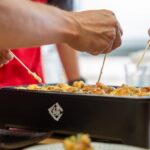
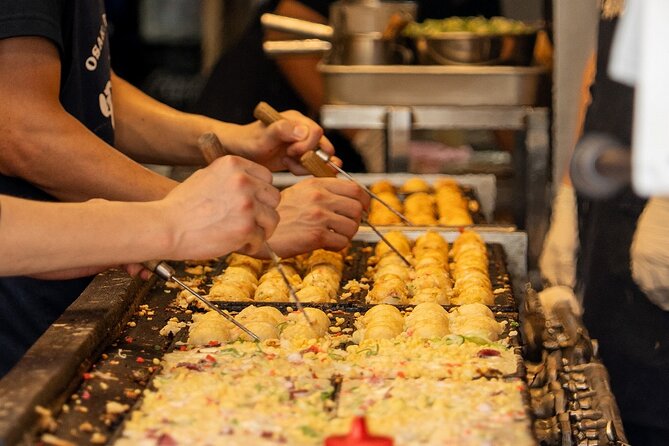
Now for the loud part: takoyaki. You’ll taste Michelin-recognized takoyaki from a shop described as Bib Gourmand–recognized, with about 40 minutes in this area for the stop.
The description is classic: the takoyaki should be crispy outside and soft inside, and packed with octopus flavor. Expect it to be hot when served, and expect that you’ll eat it quickly—this is street food at its best tempo.
Important food reality check: the tour notes that takoyaki contains dashi (fish broth) and octopus. It also says it cannot be substituted. If you can’t eat it for dietary reasons, you may be offered extra matcha desserts instead—but that’s not guaranteed as a swap for every restriction.
If you’re allergic to fish or shellfish, this matters a lot. Also remember: the tour states it cannot accommodate vegan, gluten-free, or shellfish allergy requests. For allergy needs more generally, the tour explains that meals are prepared at partner restaurants and full allergy-safe adjustments can’t be promised. So if you have allergies, treat this as a “check first” situation, not a “they’ll definitely adjust” situation.
Still, if you can eat it, this takoyaki stop is the most Osaka-feeling part of the route.
Matcha dessert near Shinsaibashi (or Nanba): the perfect gear change
You finish with something softer after all that savory eating: a matcha dessert near Shinsaibashi Station or Nanba Station, with about 30 minutes and the dessert included.
This is the kind of ending that works. Kaiseki can be intricate and takoyaki can be intense. Matcha resets your palate and gives you a gentle close—especially if the guide times it well.
The tour also gives you a sense of where to keep walking after you finish. Since you end near major station areas, you’re not stuck far from your next plan. You can head back to your hotel, or you can continue exploring Shinsaibashi/Nanba at your own pace.
Price and value: is $162.58 a fair deal?
At $162.58 per person, you’re paying for a bundled set of experiences:
- a Michelin-starred kaiseki meal (admission included at that stop)
- takoyaki from a Michelin-recognized shop
- matcha dessert
- a guide who explains dining culture and helps you move efficiently
- a small group format (max 6 guests)
When I look at value, I focus on one question: are you getting “one special meal” plus the supporting bites, or are you paying for lots of small, optional costs? Here, one anchor meal is already included and it’s the most expensive part. That makes the overall price more reasonable than trying to book a Michelin meal alone and then separately hunting down the best street-food options.
Could the food tour be cheaper if you DIY it? Sure. But DIY is exactly where you lose time and context—especially if you’re trying to order kaiseki-style dishes, understand what’s seasonal, and avoid wasting money on places that aren’t worth it.
So if you want a guided culinary route that feels organized and not rushed, this price is in the “you’re paying for someone else to handle the coordination” category—and that can be a good trade.
Practical tips: timing, walking, clothing, and dietary limits
This tour runs rain or shine. In extreme weather, you’ll be contacted about changes. You’re walking about 2–3 km at a leisurely pace, so comfortable shoes matter.
Start time is 11:30 am. The tour emphasizes starting on time: if you arrive late, you can’t join, and you don’t get a reschedule or refund. I strongly recommend arriving early enough to locate the correct 7-Eleven meeting point without stress.
Dress code is “moderate,” with a request to avoid off-shoulder tops for the kaiseki restaurant. You don’t need formal wear, but don’t show up in beach clothes either.
Kids: children age 3 and under can join, but meals aren’t provided for them. The tour is also described as kid-friendly, which usually means the pacing is manageable and the group size stays small.
Drinks: at the kaiseki restaurant, tea and water are included. Other drinks can be purchased. You don’t need to cover anything for the guide’s food or drinks.
Now the dietary section—this is the biggest “read this twice” part.
- Vegetarian course is available only with advance request; same-day requests can’t be accommodated.
- Vegan, gluten-free, or shellfish allergy requests aren’t accommodated for this tour.
- Takoyaki can’t be substituted because it contains dashi and octopus.
- For allergies in general, partner restaurants prepare the meals, and the tour can’t guarantee allergy-free food or complete adjustments. Substitutions might not be possible, and the guide will make efforts to offer alternatives at other stops where possible.
If you have dietary needs beyond basic preferences, message ahead and be specific. Don’t just say you’re “allergic”—tell them which ingredient you can’t eat.
Who this Osaka tour suits best
This is a great fit if you want both sides of Osaka food culture in one outing. You’ll likely love it if:
- you want a real Michelin kaiseki meal, not just a photo-op
- you enjoy classic Osaka street snacks like takoyaki
- you like having an English-speaking guide explain dining traditions and help you navigate
- you prefer a small group and a structured route
It’s less ideal if you’re relying on flexible substitutions for allergies or if you need vegan/gluten-free meals—those aren’t supported by the tour details.
Also, this works nicely for people who don’t want to plan. You’ll get a route with timing (and a mobile ticket), plus you’ll end near key stations so you’re not stranded.
Should you book this Osaka kaiseki and local dishes tour?
I’d book it if your priority is a guided “best of” mix: Michelin-star kaiseki plus takoyaki plus matcha, all stitched together with context. The small group size and short walking distance make it feel controlled, not chaotic. And the pottery shrine start is a thoughtful touch that gives the day a theme.
I’d think twice if your eating needs are complicated. Because takoyaki isn’t substituted and allergy-safe guarantees aren’t offered, you may have a rough time unless your restrictions are straightforward and you’ve confirmed options in advance.
If you’re a foodie who wants Osaka to make sense—ingredients, seasonal logic, and what’s typical where—this tour is a clean, efficient way to do it.
FAQ
How long is the Osaka food tour?
The tour lasts about 3 hours 30 minutes.
What time does the tour start?
The start time is 11:30 am.
Where do I meet the guide?
The meeting point is 7-Eleven Osaka kutarocho 4-chome (Kyūtarōmachi), Chuo Ward.
How many people are in the group?
The tour has a maximum of 6 travelers plus the guide.
Is the pottery shrine admission included?
Yes. Hibuse Pottery Shrine admission is free.
Can I get a vegetarian course?
A vegetarian course is available only with advance request. Same-day requests can’t be accommodated.
Are vegan, gluten-free, or shellfish allergy requests possible?
No. The tour states it is unable to accommodate vegan, gluten-free, or shellfish allergy requests.
What about dietary restrictions for takoyaki?
Takoyaki contains dashi (fish broth) and octopus, and it cannot be substituted. If you cannot eat it, the tour may offer extra matcha desserts instead.