REVIEW · NAMBA
Osaka Deep Night Street Walking Tour
Book on Viator →Operated by With Japan · Bookable on Viator
Neon streets can feel random at night, so here’s a guided fix. This Osaka Deep Night Street Walking Tour strings together four areas—Namba, Shinsaibashi-suji, Amerikamura, and Dotonbori—so you get a real sense of how locals move, eat, and celebrate after dark.
I love the way the walk balances everyday city life with moments that explain why Osaka acts the way it does. Two big wins for me were learning the Hozenji Temple water-over-moss luck ritual and hearing guide stories that connect food culture to the city’s identity.
One possible drawback: it’s a 2-hour walking tour, so if you want a sit-down experience or hate moving around at night, you’ll feel the pace.
In This Review
- Key things you’ll notice on this Osaka night walk
- Osaka After Dark Works Best When Someone Shows You the Short Cuts
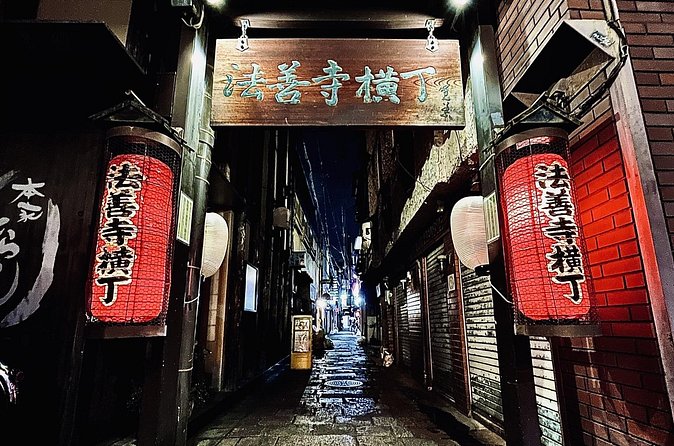
- Namba at 7:00 pm: Markets, backstreets, and old downtown Osaka
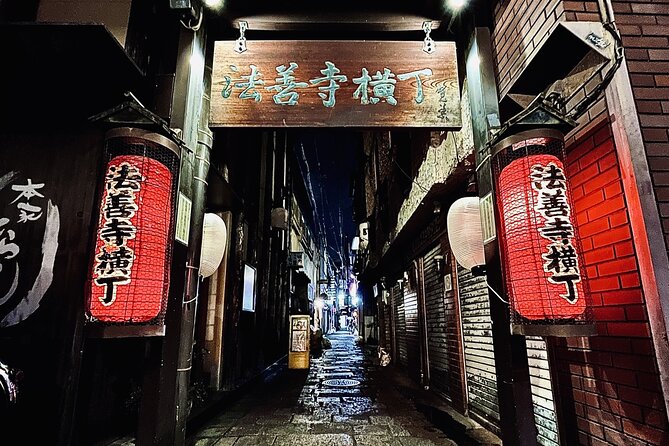
- Hozenji Temple and the water-over-moss luck moment
- Shinsaibashi-suji Shopping Street: from merchant lanes to modern fashion
- Amerikamura: street art, vintage shops, and youth energy
- Dotonbori neon and the Osaka kitchen lesson
- Price and value: is $25 worth a 2-hour night walk?
- What to expect from the pace and the guide style
- Who should book this Osaka Deep Night Street Walking Tour?
- Should you book this tour?
- FAQ
- What time does the Osaka Deep Night Street Walking Tour start?
- How long is the tour?
- Where do we meet?
- What neighborhoods and sights are included?
- What’s included in the price?
- Can I cancel for a refund?
Key things you’ll notice on this Osaka night walk
- A 7:00 pm start in Namba gives you the post-work atmosphere right when the city shifts gears.
- Hozenji Temple’s luck ritual shows a practical, local take on spiritual custom.
- Shinsaibashi-suji’s arcades and historic shops explain how merchant Osaka became a fashion hub.
- Amerikamura’s street art and vintage shops capture the youth-culture side of town.
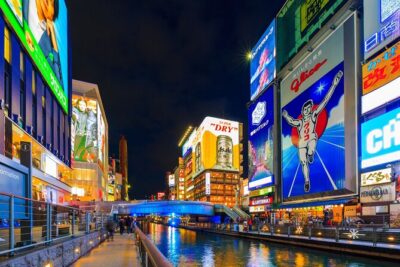
- Dotonbori’s neon and giant food signs make the “Osaka is Japan’s kitchen” idea click fast.
Osaka After Dark Works Best When Someone Shows You the Short Cuts
Osaka is easy to visit and harder to truly understand on your own—especially at night. This tour is built for that exact problem. You meet at namBaHIPS in Namba and then move neighborhood to neighborhood on foot, guided by an English-speaking local who keeps the pace comfortable and the explanations grounded in daily life.
I like this format because it’s not just photo stops. You’re learning the logic of the city as you walk: where people gather, how shopping changes street to street, and why the food scene is more than decoration. With a small group (up to 15 people), you can ask questions without feeling like you’re shouting over a crowd.
Also, the timing matters. Starting at 7:00 pm means you catch Osaka in active mode, not empty streets. If you’re touring Osaka for the first time, this is a smart way to get your bearings fast.
You can also read our reviews of more walking tours in Namba

Namba at 7:00 pm: Markets, backstreets, and old downtown Osaka
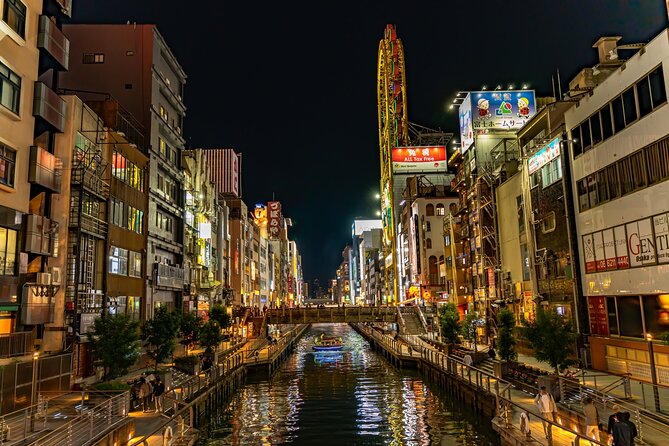
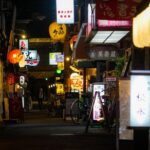
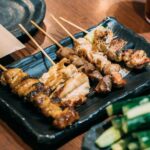
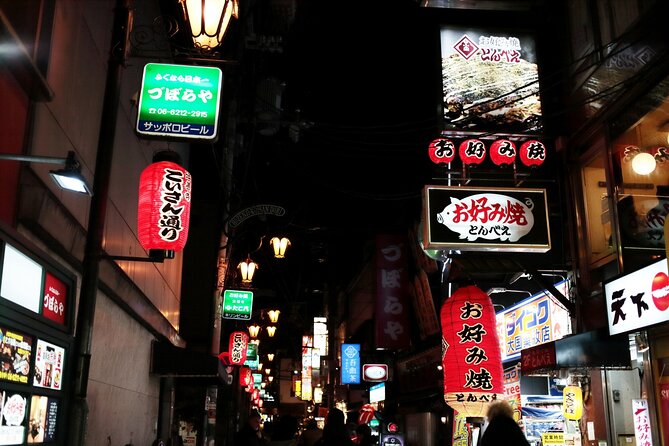
The tour opens in Namba, which is a great choice because it’s still the city’s busy center even after it became a nightlife magnet. You’ll spend about 30 minutes moving through local markets and hidden backstreets, and that’s where the “real Osaka” feeling kicks in.
What I liked most about Namba here is that it’s not staged. You’re walking along the kind of lanes where people pop in for something quick, then keep moving. The guide’s job is to point out what you’d normally skip: what these streets are for, what kind of shops you’ll see, and how the area’s downtown energy works.
You’ll also understand why Namba is such an anchor point. It’s close to major shopping and transit, but it still has that layered sense of older downtown life under the brighter signs.
Practical tip: wear shoes that are comfortable for nighttime walking. This is a steady walking experience, and you’ll be on your feet the whole time.
Hozenji Temple and the water-over-moss luck moment
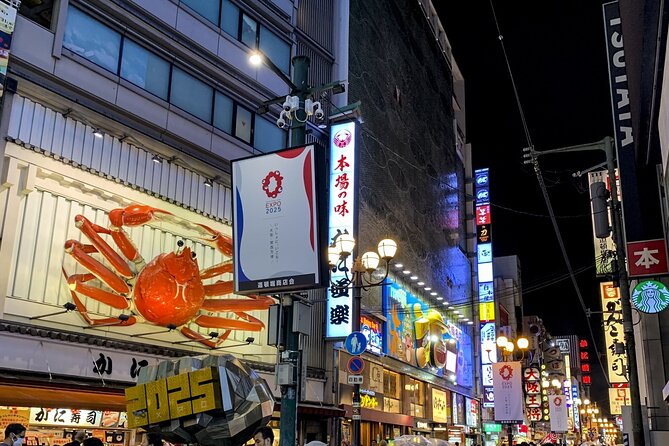
Right after the Namba streets, you’ll reach Hozenji Temple, which is one of those places you can walk past without really knowing what you’re seeing. Here, the tour slows down just enough to help you understand what locals do and why it matters.
The key detail: people pour water over the moss-covered deity for luck. It’s a simple act, but it connects faith to everyday behavior. You’re not just being shown a photo spot—you’re learning the ritual logic: how a place like this stays relevant because people keep using it.
This is the kind of stop that makes the rest of the tour make sense. Once you understand the tone of “small daily actions for good fortune,” it’s easier to understand why Osaka talks so much through food, festivals, and neighborhood habits.
Shinsaibashi-suji Shopping Street: from merchant lanes to modern fashion
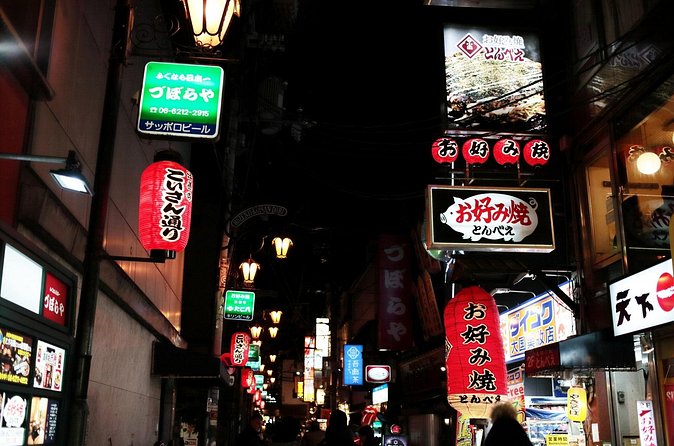
Next comes Shinsaibashi-suji Shopping Street, a 30-minute walk that bridges old and new Osaka. The guide explains how this area developed—from a merchant town identity to the fashion-forward reputation it has today.
You’ll notice the contrast while you walk. Arcades and shopping streets can look like just another retail district, but in Shinsaibashi-suji, the story changes the experience. Instead of shopping as just consumer mode, you start seeing it as the city’s long-running habit of bringing commerce into the street itself.
This stop also works well if you like watching people. You get the feel of how shoppers browse in real time, and you understand what kind of stores and street patterns grew here.
Possible consideration: if you’re mainly craving food-focused stops, Shinsaibashi might feel more shopping-forward than you expected. That said, it’s still valuable because it explains why Dotonbori’s food scene is so tightly linked to neighborhoods built around commerce.
Amerikamura: street art, vintage shops, and youth energy
After Shinsaibashi, you head to Amerikamura, another 30-minute segment. This is the side of Osaka that leans creative and youth-oriented. Think street art, vintage shops, and that slightly rebellious “we do our own thing” vibe.
The tour frames Amerikamura as Osaka’s version of the Harajuku-style energy, but with its own flavor. What helps is the guide’s context: they connect the streetscape you’re seeing to the cultural role the neighborhood plays. It’s not just trendy shopping; it’s a place where style, music, and street identity feed off each other.
If you like fashion, graphic art, or browsing for one-of-a-kind items, you’ll probably enjoy this stop. Even if you don’t buy anything, it’s a great place to slow down and look—signs, wall art, small shops, and the rhythm of foot traffic.
Where this fits best in your trip: if you’re mixing Kansai cities and want one evening that shows you “young Osaka,” Amerikamura is one of the most efficient ways to do it.
You can also read our reviews of more evening experiences in Namba

Dotonbori neon and the Osaka kitchen lesson
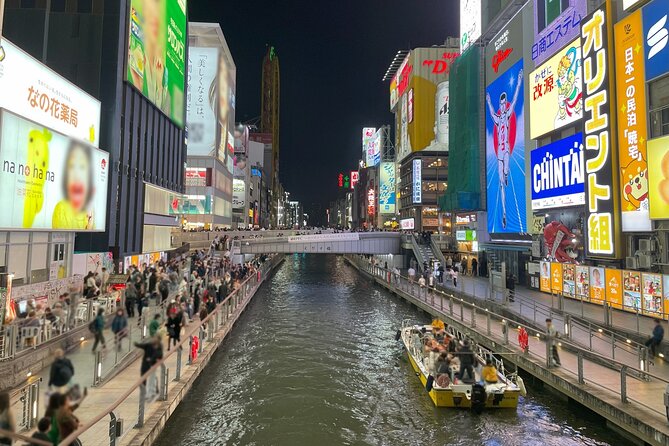
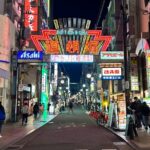
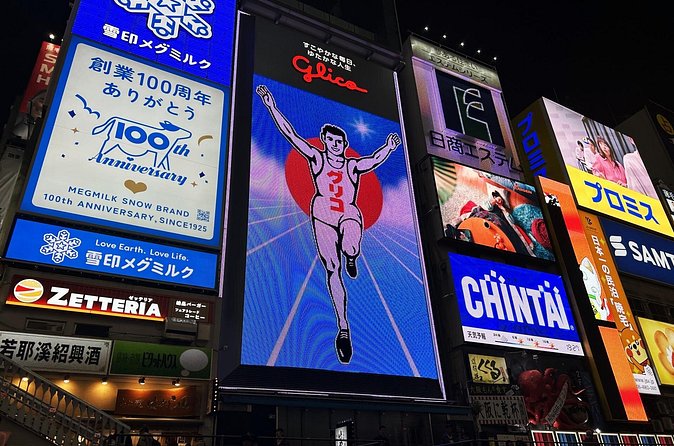
The finale is Dotonbori, and the streets do what Dotonbori always does: they turn up the volume. Expect neon lights and giant food signs, and a lot of people moving through the area.
But the tour’s strength isn’t only visual. Your guide also explains why Osaka gets called Japan’s kitchen. It’s a simple idea on the surface, but it becomes clearer when someone ties it to real neighborhoods built around eating out and trying different local specialties.
Dotonbori is also where you can use the tour as planning for the rest of your night. Even if you don’t stop for a full meal on the walk, your guide’s insider recommendations help you decide what to look for next once the tour ends back where you started.
Quick reality check: Dotonbori can feel crowded depending on the night. That’s part of the atmosphere, but it also means you’ll want to keep moving with the group so you don’t get lost in the chaos of signs and side streets.
Price and value: is $25 worth a 2-hour night walk?
At $25 per person for about 2 hours, this tour is priced like an efficient “local help” deal. You’re not paying for a big museum ticket. Instead, you’re paying for three things you’d otherwise have to piece together yourself:
- An English-speaking guide who can connect what you’re seeing to how Osaka works
- Night navigation through real neighborhoods (the kind you might skip or misread on your own)
- Insider suggestions on local eateries, which can save you time and reduce the guesswork on what’s worth trying
The small group size (maximum 15) also adds value. You can ask questions, and the guide can keep people from drifting into side streets.
You’ll also see value in how the tour spreads across areas: old downtown streets, a temple ritual, major shopping arcades, youth-culture lanes, and finally food-sign Osaka.
One more practical note: it’s typically booked around 22 days in advance on average, so if your dates are fixed, I’d rather book early than gamble on last-minute spots.
What to expect from the pace and the guide style
The tone from guides on this route is consistent: history and food context, explained in a way that doesn’t feel like a lecture. In the stories I gathered from different guide experiences tied to this tour, you see a pattern of helping you understand both:
- Where you are and why it developed
- What to notice while you walk, even if you don’t speak Japanese
I especially liked how guides name the connections between food culture and neighborhood life. One guide named Jai focused on history and showed people streets they probably wouldn’t find alone. Another guide named Noa leaned into food backgrounds and made it easier to try things you might normally avoid. A guide named Yo explained the city’s history and why the Osaka reputation makes sense in real life.
If you’re the type who enjoys asking small questions—like why a place is famous, or what locals actually do—this tour rewards that style of curiosity.
Who should book this Osaka Deep Night Street Walking Tour?
This works best for:
- First-time visitors who want a guided map of the city at night
- Food-minded travelers who like learning why dishes and neighborhoods are connected
- People who enjoy contrasts: temple ritual, shopping streets, youth culture, and neon food signs in one evening
- Anyone who wants a plan for the night beyond random wandering
It may not be your best match if:
- You want mostly seated time, or you dislike long walks
- You’d rather pick your own food plan without any guidance at all
The good news: it’s designed for most travelers to participate, and the short segments make it easier to stay engaged.
Should you book this tour?
Yes—if you want an Osaka evening that makes sense instead of just looks cool. For $25, you’re buying a local guide’s ability to connect the dots: Namba’s older downtown energy, Hozenji’s luck ritual, Shinsaibashi’s evolution, Amerikamura’s youth culture, and Dotonbori’s food-sign intensity.
If you’re unsure, here’s my rule of thumb: book this when you care about context. If you only want a quick stroll and don’t care about the why, you can do it on your own. But if you’d like your night to feel guided and purposeful, this tour is a strong pick.
FAQ
What time does the Osaka Deep Night Street Walking Tour start?
It starts at 7:00 pm. The activity ends back at the same meeting point.
How long is the tour?
The tour runs for about 2 hours.
Where do we meet?
You meet at namBaHIPS, 1-chōme-8-16 Namba, Chuo Ward, Osaka 542-0076, Japan.
What neighborhoods and sights are included?
You’ll walk through Namba, Shinsaibashi-suji Shopping Street, Amerikamura, and Dotonbori, with a stop at Hozenji Temple during the experience.
What’s included in the price?
Included are a night walking tour, a local guide, and insider recommendations on local eateries. The tour also uses a mobile ticket.
Can I cancel for a refund?
Yes. You can cancel for a full refund up to 24 hours before the experience start time. If you cancel within 24 hours of the start time, the amount paid is not refunded.