REVIEW · OSAKA
Osaka Sushi Making Experience
Book on Viator →Operated by Sushi Making Experience Namba · Bookable on Viator
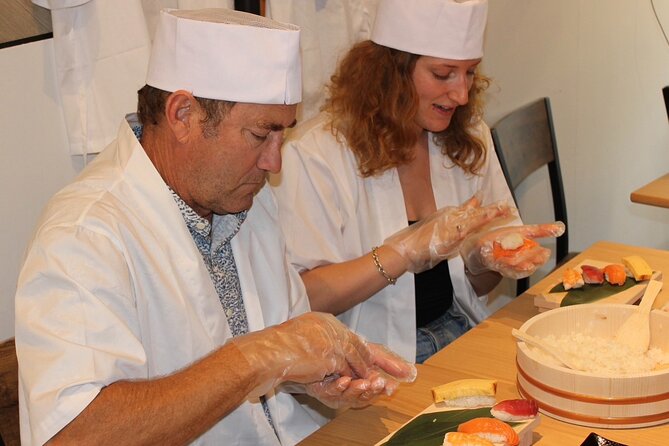
Dōtonbori sushi lessons are seriously fun. This 1.5-hour class in central Osaka gets you making 12 pieces of sushi (including nigiri and gunkan) and then eating what you just built. I love that it’s hands-on from the first minute, not a demo where you watch and hope. I also love the small-group feel and how the guides give you practical pointers in plain English (plus Chinese and Korean). The main thing to consider is that the focus is on making a set number of pieces fast enough to fit the session, so you may not slow-walk every tiny technique.
One more upside: you’re in the middle of Osaka’s action, near Dōtonbori, so it fits nicely before dinner. You’ll also get a fun touch like a sushi-chef costume, plus a certificate and photo at the end. If you’re picky about timing, choose the afternoon or evening slot so the class lines up with when you’re actually hungry.
In This Review
- Quick Takeaways Before You Go
- Finding Sushi Making Experience Namba1A in Dōtonbori
- What You’ll Make: Nigiri, Gunkan, and a Real Sushi Starter Skill Set
- The Class Flow: How You’ll Go From Ingredients to Finished Pieces
- The Fun Extras: Costume, Photos, and a Certificate You Can Actually Use
- Vegetarian, Vegan, and Halal Sushi: How Requests Are Handled
- Sake and Beer vs. What’s Included in Your Ticket
- Duration and Pace: 1 Hour 30 Minutes That Feels Like Enough (Not Rushed)
- Value Check: Is This Worth $29.85?
- Who This Class Fits Best (And Who Might Want to Skip It)
- Should You Book Sushi Making Experience Namba?
- FAQ
- How long is the Osaka sushi making experience?
- How many pieces of sushi will I make?
- Which sushi types are included?
- Is there a dietary option for vegetarian, vegan, or halal guests?
- Are the instructions offered in English?
- Where do I meet for the class?
- Is a mobile ticket used?
- Is alcohol included?
- What’s included in the price?
- Can I cancel for a full refund?
Quick Takeaways Before You Go

- 12 pieces, two styles: You’ll make nigiri and gunkan as part of a set total.
- Central Dōtonbori location: Easy to build into a day of sightseeing and food stops.
- Dietary options on request: Vegetarian, vegan, and halal sushi menus are available.
- English-led guidance with extra language support: Help is offered in English, Chinese, and Korean.
- You eat your own work: The class ends with the payoff—snacks made by you.
- Certificate and photo finish: You’ll leave with something fun to take home.
Finding Sushi Making Experience Namba1A in Dōtonbori
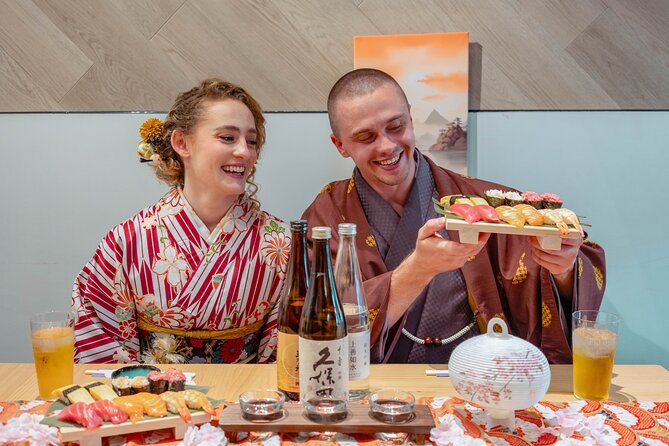
This class is centered in Dōtonbori, which is great because you’re not spending half your day commuting. The meeting point is Sushi Making Experience Namba1A, 2丁目-6-11 西心斎橋 中央区 大阪市 大阪府 542-0086, Japan, and the activity ends back at the same spot.
If you’ve ever wandered Dōtonbori, you know it can feel like a maze of lanes and signs. The simplest strategy: arrive 10–15 minutes early, then use your phone map carefully from the main street nearest your route. The class is also near public transportation, so you won’t be stuck with a long walk from the station.
You can also read our reviews of more tours and experiences in Osaka.

What You’ll Make: Nigiri, Gunkan, and a Real Sushi Starter Skill Set
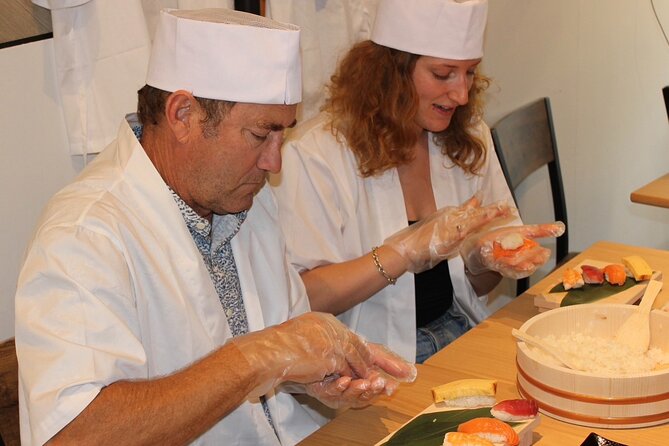
The goal is clear: you’ll learn how to make 12 sushi pieces at home. The two highlighted types are nigiri and gunkan-sushi, and that’s a smart mix because each one trains a different set of skills.
Nigiri teaches you how to balance rice and topping—rice texture, pressure, and shape matter. Gunkan (often described as a “battleship” style because of the rim) trains your ability to keep the filling contained while the rice acts as the base. By the end, you should understand not only what sushi looks like, but why the structure works.
You’ll also learn about ingredients and techniques needed to reproduce it later. One helpful detail from past students: you may be taught that rice weight (like 10g per piece) helps you hit the right ratio for shaping. That’s the kind of practical tip you can actually reuse back home.
The Class Flow: How You’ll Go From Ingredients to Finished Pieces
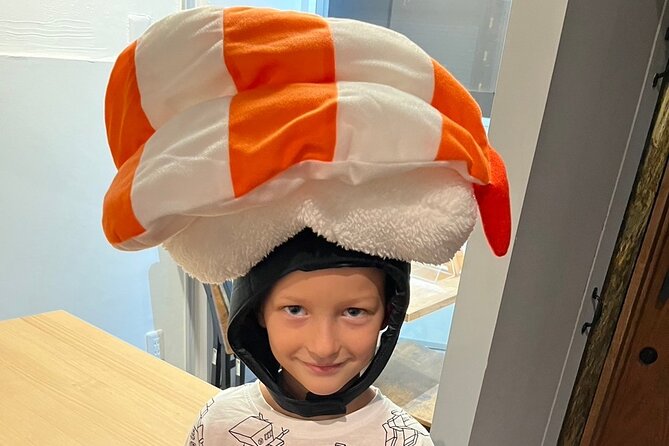
Expect a structured, step-by-step session that moves at a pace that still leaves room for questions. The class is designed around doing the work yourself, and you get guidance as you go—so if you’re starting from scratch, you’re not left to guess.
Here’s the typical rhythm you can plan for:
1) Intro and ingredient rundown
You’ll go over what you need and why. You’ll also talk about different sushi styles so the pieces you’re making make sense as part of a larger world of sushi.
2) Rice prep and shaping practice
Sushi starts with the rice. You’ll practice how to portion and shape it so it holds together but doesn’t get smashed. This is where your hands learn the technique, not just your brain.
3) Nigiri formation
Next you’ll assemble nigiri: rice first, then the topping. The guides help you refine placement and pressure, which is the difference between something that looks right and something that eats right.
4) Gunkan assembly
Then you’ll shift to gunkan-sushi. The trick is managing the rim shape and keeping the topping and sauce/bits from turning into a mess. This part is often where people realize sushi is as much about control as it is about flavor.
5) Eat what you made
Once your 12 pieces are ready, you eat them during the session. Afternoon and evening classes help you match your appetite—so you’re not stuck finishing on an empty stomach or eating too close to your next meal.
Throughout the class, guides provide personalized tips. Names you may hear include Mika and Kosei, and other instructors seen in past sessions include Toshiki, Hana, Shiori, Yui, Mako, and others. Even when the exact pairing changes, the teaching style is consistent: clear steps, patient help, and a hands-on pace.
The Fun Extras: Costume, Photos, and a Certificate You Can Actually Use
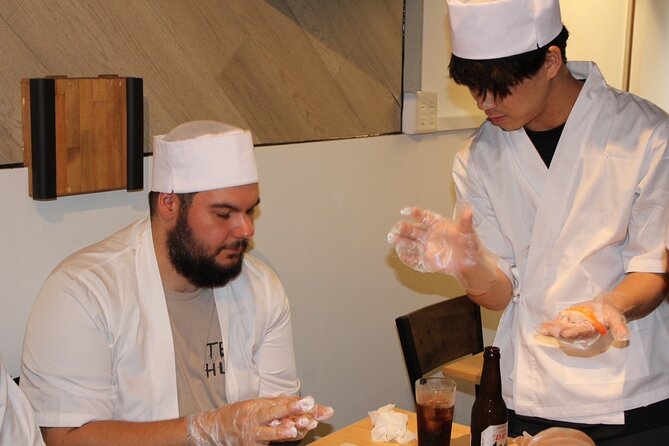
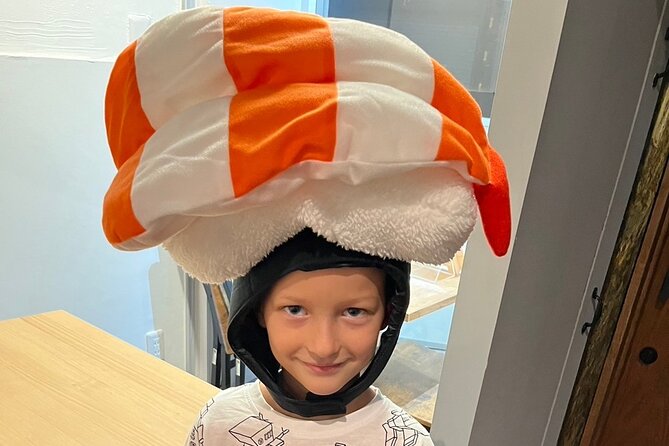
You don’t just walk out with lunch. The experience includes a sushi-chef costume, which sounds silly until you realize it lowers the pressure. You’re there to learn, not to perform.
At the end, you can expect a certificate with your name in Kanji and a photo. That’s a nice touch if you like tangible memories, or if you want a souvenir that’s personal rather than just shop-bought.
Vegetarian, Vegan, and Halal Sushi: How Requests Are Handled
If you don’t eat fish or certain ingredients, this is one of the better sushi-making options to look at in Osaka because there are vegetarian, vegan, and halal menus available upon request.
One practical tip: when you book, be explicit about your needs early. The class runs with a prepared menu approach, so the more clearly you communicate what you avoid, the more smoothly they can plan your set.
Also, don’t assume every non-meat option will be an identical swap. What matters is that you’re still learning sushi structure—rice handling plus nigiri/gunkan assembly—so you come away with skills you can adapt later.
Sake and Beer vs. What’s Included in Your Ticket
This is where you should read carefully and plan your expectations. The class experience notes Japanese sake and beer during the session, but your booking details also state that alcoholic beverages are not included.
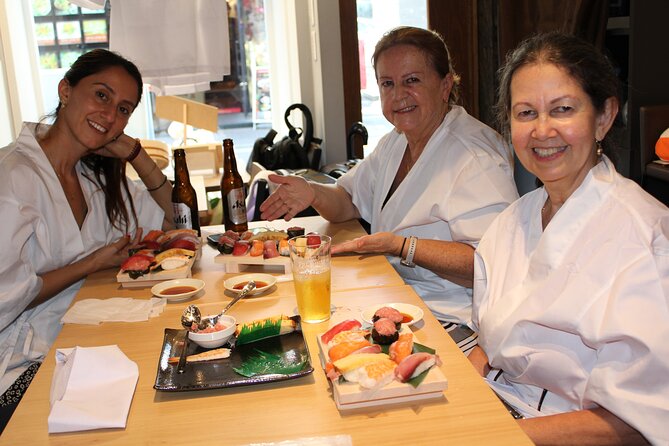
My advice: treat non-alcohol items (your 12 pieces of sushi) as the guaranteed part of the meal. If you want sake or beer, be ready for a separate charge even if you see them offered during the class.
Duration and Pace: 1 Hour 30 Minutes That Feels Like Enough (Not Rushed)
The class runs about 1 hour 30 minutes. For a cooking class, that’s a sweet spot: long enough to get real hands-on practice, but not so long that you lose focus or hunger hits hard.
Group size is capped at 16 travelers, which helps keep the instruction flowing. If you’re the type who worries you’ll be lost in a crowd, a small cap like this matters.
You’ll likely cover multiple techniques, make 12 pieces, and still have time to chat. Some past students also noted they had private-session energy when the group was small, which is a bonus when it happens—but don’t bank on it.
Value Check: Is This Worth $29.85?
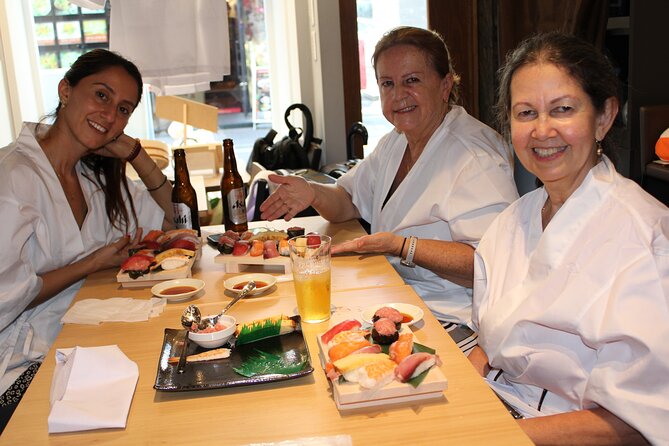
For $29.85 per person, you’re paying for more than a plate of sushi. You’re getting instruction, ingredients, and a finished set you can eat—plus the experience sits in central Dōtonbori, which saves you time compared with classes that require extra travel.
Here’s how the value stacks up:
- You leave with 12 pieces worth of food, not just one roll.
- You learn two sushi styles instead of one basic technique.
- You get small-group teaching with multi-language support (English, Chinese, Korean).
- You also get a certificate and photo, which helps justify the price for a “memorable activity” day.
If you’re already a serious sushi lover who wants to reproduce the basics at home, this feels like a fair deal. If you’re purely hunting for the cheapest meal, you’ll find cheaper eats—just not the skill-building part.
Who This Class Fits Best (And Who Might Want to Skip It)
This class is a strong match if you:
- want a fun food activity that teaches you something concrete,
- are visiting Osaka and want a centrally located experience,
- care about dietary options (vegetarian, vegan, halal) being handled on request,
- enjoy learning with your hands rather than watching.
You might think twice if you:
- hate structured cooking sessions with a set end time,
- want an ultra-deep, slow apprenticeship style (this moves at a class pace),
- are hoping for a drink-forward event (alcohol isn’t included).
Should You Book Sushi Making Experience Namba?
If you’re planning a trip with at least one hands-on food moment, I’d book it. This is the kind of activity that pays off twice: you get a satisfying snack during the class, and you walk away with techniques you can reuse later.
My go/no-go checklist:
- You want nigiri + gunkan skills, not just a meal.
- You’re okay with a guided, timed session.
- Your group includes anyone who needs vegetarian, vegan, or halal options.
- You’ll be in Dōtonbori anyway and want to use that location efficiently.
If all that fits, you’re likely to enjoy this class a lot.
FAQ
How long is the Osaka sushi making experience?
It lasts about 1 hour 30 minutes.
How many pieces of sushi will I make?
You’ll make 12 pieces of sushi.
Which sushi types are included?
You’ll make nigiri and gunkan-sushi.
Is there a dietary option for vegetarian, vegan, or halal guests?
Yes. Vegetarian, vegan, and halal sushi menus are available upon request.
Are the instructions offered in English?
Yes. Guidance is provided in English, and also in Chinese and Korean.
Where do I meet for the class?
The start location is Sushi Making Experience Namba1A, 2丁目-6-11 西心斎橋 中央区 大阪市 大阪府 542-0086, Japan.
Is a mobile ticket used?
Yes, the tour uses a mobile ticket.
Is alcohol included?
The booking details state that alcoholic beverages are not included, even though sake and beer are mentioned as part of the experience.
What’s included in the price?
You get snacks (12 pieces of sushi) and all fees and taxes.
Can I cancel for a full refund?
Yes. You can cancel up to 24 hours in advance for a full refund. Canceling less than 24 hours before start time isn’t refunded.

![[1 Group Only] Osaka Street Food Tour for Family - The takoyaki moment: what’s included (and why it’s a smart anchor)](https://9.osakaadventures.com/wp-content/uploads/1-group-only-osaka-street-food-tour-for-family-400x267.jpg)