REVIEW · OSAKA
Osaka Early Morning Tour with English-Speaking Guide Dotonbori
Book on Viator →Operated by GuideMe Japan · Bookable on Viator
Osaka in four hours is a real thing. This early-morning walking route packs Osaka Castle Park history, Kuromon Market food, and a finish at the Glico sign without feeling rushed.
I especially like the small-group feel: with a maximum of 8 people, you get real back-and-forth, not just a headset lecture. I also like that you’re not stuck guessing what to eat—your guide includes one street food bite and one drink, plus practical recommendations for where to go next.
One thing to plan for: entrance tickets are not included, and the Castle stop is mainly for walking the grounds and learning the story. If you want to go inside, you’ll need to handle that separately.
In This Review
- Key highlights to look for
- A 9:30 start with a clear plan (and a helpful end point)
- Osaka Castle Park: history you can see, not just hear
- Shinsekai: nostalgic Osaka with snack energy
- Kuromon Market: Osaka’s Kitchen, with your one included bite
- Nipponbashi Denden Town and Sennichimae Doguyasuji: anime gadgets to chef tools
- Hozen-ji Temple: the quiet pause between markets and neon
- Dotonbori and the Glico running man finish: photos and easy dinner plans
- Price and logistics: what $60.78 really buys you
- Guide impact: pacing, history stories, and flexibility
- Should you book the Osaka Early Morning Tour with English-Speaking Guide?
- FAQ
- What time does the Osaka Early Morning Tour start?
- Where do I meet for the tour?
- Where does the tour end?
- What’s included in the ticket price?
- What is not included?
- How long is the tour?
- How big is the group?
- Can I cancel for a refund?
Key highlights to look for
- Small group up to 8 means a calmer pace and more time for questions
- Included street food and drink so you’re not hunting while you’re hungry
- English-speaking guide who explains what you’re seeing and how to eat like locals
- Osaka Castle Park grounds focus rather than a full museum-style visit
- A smart mix of old neighborhoods and pop-culture streets: Shinsekai, Nipponbashi, Denden Town
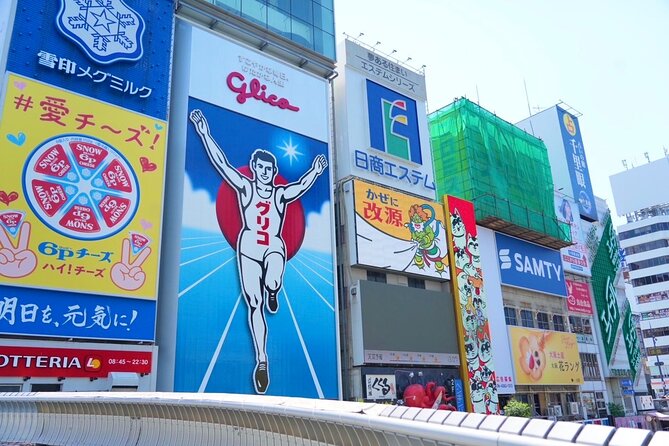
- Finish at Dotonbori with easy photo ops and help heading toward Namba if needed
A 9:30 start with a clear plan (and a helpful end point)
This tour starts at 9:30am at Starbucks Coffee – Osaka Castle Park. That’s not random. It puts you near one of Osaka’s best landmarks early in the day, and it gives you a clean start point that’s easy to find. The end point is just as important: you finish in front of the Glico running man sign in Dotonbori (and if you need help getting to Namba Station, the guide assists). That ending matters because Dotonbori is where you’ll likely want dinner and evening plans.
The group size cap (maximum of 8 travelers) shows up in how the tour feels. You’re walking, yes, but it doesn’t feel like a herd. Guides can slow down for questions, point out details, and keep the day flowing. You’ll also use a mobile ticket, which makes it easier to move without fumbling for paper.
One more practical note: the tour is built around walking, with some movement between neighborhoods that may include train/metro segments. So think “comfortable shoes and light layers,” not “vacation sandals and hope.”
You can also read our reviews of more guided tours in Osaka

Osaka Castle Park: history you can see, not just hear
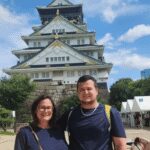
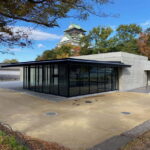
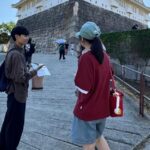
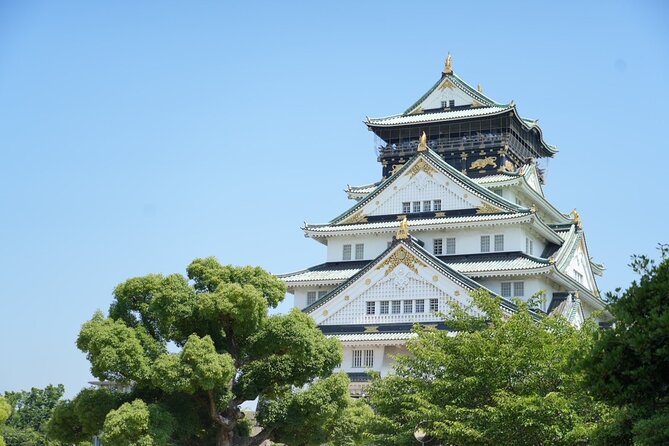
The Osaka Castle stop is about more than a famous silhouette. The Castle was built in the late 16th century and played a role in Japan’s unification period, and your guide ties that back to what you’re actually seeing around the park. Expect architecture-focused views, garden areas, and the general layout that helped make the fortress so significant.
What’s included here is the experience of the grounds and the explanation. What is not included is admission to attractions (the Castle ticket is specifically not included). One useful takeaway from how people describe this tour: you typically don’t go inside the Castle on this route. Instead, you walk around the grounds and learn from the outside.
So here’s how to decide what to do if you’re Castle-obsessed: if you want the interior, plan to budget time and money on your own. If you mainly want the big-picture history and the classic photos, this stop gives you a strong overview without turning the morning into a long ticket-line project.
Either way, this is where your guide earns their fee. People come here to get their bearings, and a good guide points out what to notice so the place stops being just scenery.
Shinsekai: nostalgic Osaka with snack energy
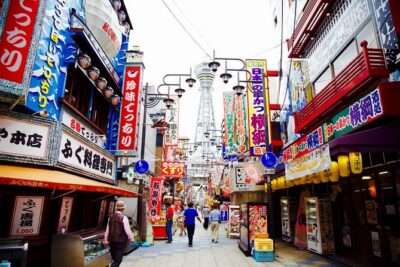
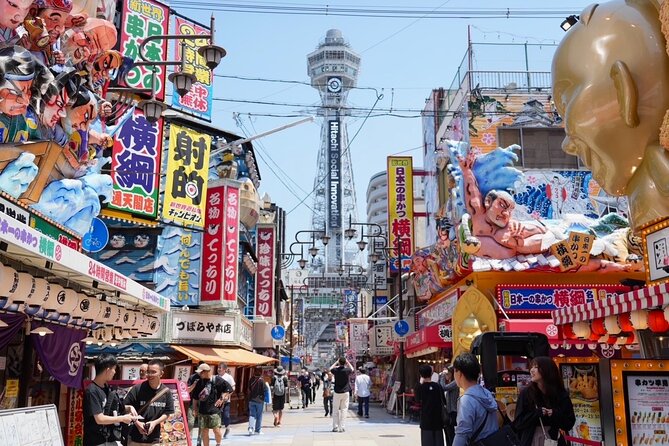
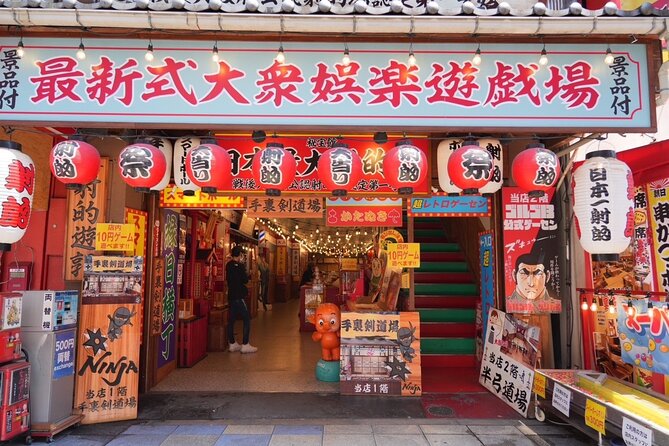
Next you head to Shinsekai, a neighborhood known for its old-meets-new vibe. Your time here is short—about 30 minutes—but it’s the kind of stop that helps you feel Osaka beyond the postcard icons.
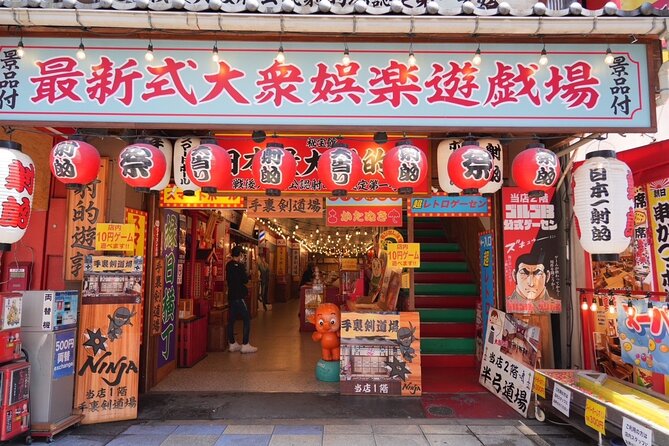
Shinsekai is full of small shops and eateries, and it has that nostalgic street atmosphere that makes you slow down for photos and window browsing. This is also a good palate cleanser between larger stops: you’re not trying to memorize a museum. You’re walking, taking it in, and catching the local mood.
Since this stop is free and short, use it actively:
- If you’re a foodie, watch for what people are buying and don’t be shy about asking your guide what’s worth your attention.
- If you’re more of a photo person, look for angles that show the street texture, not just signs.
You’re not here to “solve” Shinsekai in one half hour. You’re here to get the flavor.
Kuromon Market: Osaka’s Kitchen, with your one included bite
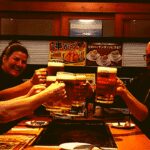
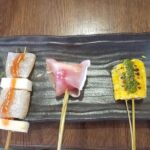
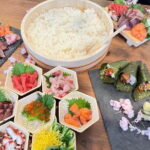
Then comes the food stop that anchors the whole morning: Kuromon Market, nicknamed Osaka’s Kitchen. This is a major reason the tour earns its value. Instead of telling you where to eat, the tour gives you one Osaka street food item and one drink (alcoholic or non-alcoholic, depending on what you choose).
Kuromon is known for fresh ingredients—think seafood and local produce—and for the fact that food culture here is fast and hands-on. Your guide helps you pick something that fits what you like, and it also saves time. Markets move quickly, and it’s easy to waste your first day in Japan staring at options without knowing what to commit to.
Practical tip: arrive ready to eat, but don’t plan to “eat everything.” You only get one included street food item. After that, your guide’s recommendations can steer you toward a second snack later (or toward dinner), based on what you enjoyed in your first bite.
Also, if you have dietary preferences, this is the moment to speak up. The guide experience is part of the tour’s strength—good guides don’t just walk you through. They help you choose.
Nipponbashi Denden Town and Sennichimae Doguyasuji: anime gadgets to chef tools
After Kuromon, the tour shifts gears into Osaka’s electronics and pop-culture territory.
You’ll stop in Nipponbashi Denden Town (about 20 minutes). This is one of Osaka’s best places to wander if you like anime and gaming. Expect lots of shops packed with electronics, character goods, and techy curiosities. Even if you’re not buying, walking those streets gives you a sense of Osaka’s modern personality.
Then you’ll head to Sennichimae Doguyasuji Shopping Street (about 15 minutes). This is the culinary-focused street: kitchenware, chef tools, and useful gadgets. If you’ve ever watched someone make food on YouTube and thought, I want that pan, this is the kind of street that matches that impulse.
These two stops pair well because they offer two different kinds of “obsession shopping”:
- Denden Town for pop-culture and tech fandom
- Doguyasuji for cooking gear and kitchen tools
If you like browsing, this is fun. If you’re short on patience, you’ll still get enough time to see the vibe and get a few photo moments without feeling trapped.
You can also read our reviews of more tours and experiences in Osaka

Hozen-ji Temple: the quiet pause between markets and neon
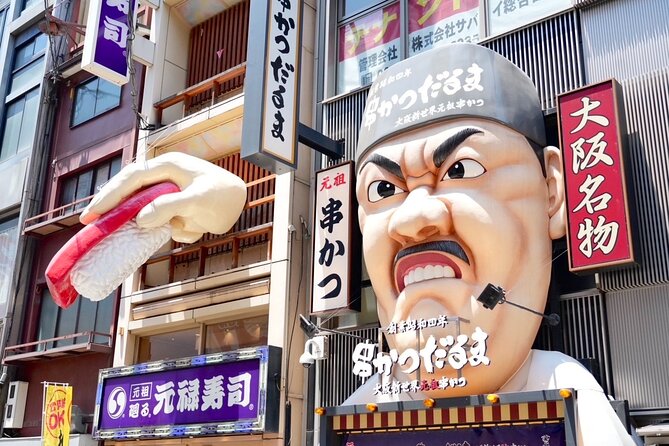
Not every stop in Osaka should be shopping and street noise. That’s why Hozen-ji Temple is a smart add (about 15 minutes).
Hozen-ji is known for its moss-covered statue of Fudo Myo-o and for the traditional cobblestone alley feel around the temple. It’s a small reset button. You go from shopping streets and food smells into something calmer and more grounded.
This stop is free and short, so don’t treat it like a long temple visit. Instead, treat it as a moment to slow down, take a breath, and enjoy the change of pace. A good guide also connects the temple setting to Osaka’s everyday life—how a modern city still keeps pockets of tradition close by.
Dotonbori and the Glico running man finish: photos and easy dinner plans
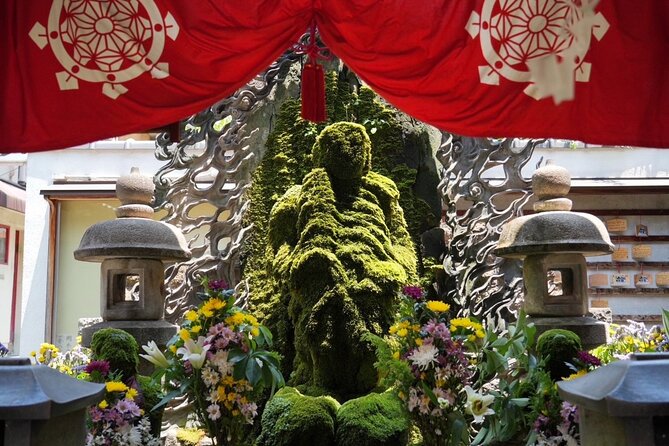
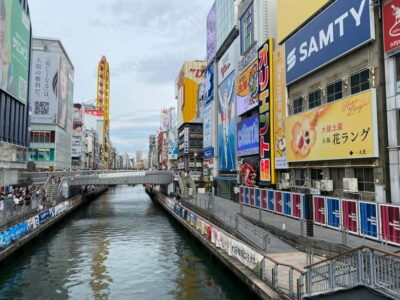
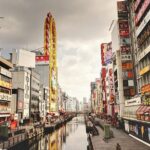
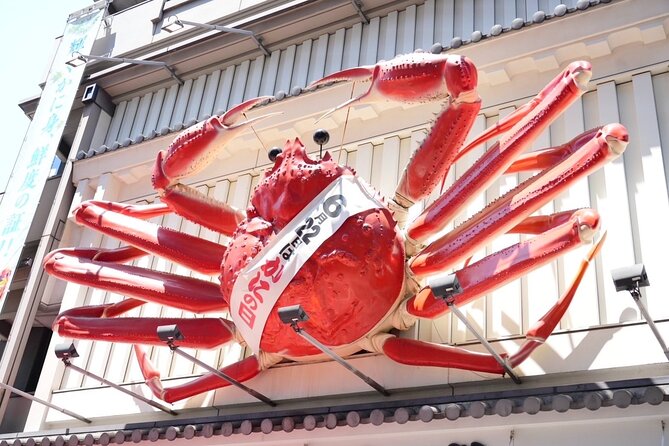
Finally, you reach Dotonbori Tsuribori, with a focus on Ebisu Bridge and the famous Glico running man sign. Your time here is about 30 minutes, and it’s a classic Osaka ending for a reason: the neon, the canal views, the street energy—this is the place that makes people remember Osaka long after they leave.
The tour ends right in front of the Glico sign, which means you don’t have to navigate one last transfer while your legs are tired. Your guide can also help you head toward Namba Station if that’s where you’re going next.
If you want to keep exploring after the tour, this is an ideal finish point. Dotonbori is loaded with dinner options, and you’re already dropped at the center of it.
Price and logistics: what $60.78 really buys you
The price is $60.78 per person for a tour that runs about 4 hours. For that, you get:
- An English-speaking guide
- One street food item
- One drink (alcoholic or non-alcoholic)
- A small-group experience (max 8)
- A mobile ticket
Now the important part: what costs extra.
- Public transportation fare is not included (it lists ¥430 per person).
- Entrance tickets to attractions are not included.
That last point is key because Osaka Castle admission isn’t included. And since the Castle stop is mainly about walking the grounds, you might feel fine skipping the interior. But if you want the inside experience, you should expect to pay extra.
So is this good value? It usually is, especially if:
- It’s your first time in Osaka and you want a guided overview
- You want help choosing food instead of wasting time
- You like mixing major landmarks with neighborhoods that feel lived-in
It’s less ideal if you’re the type who hates any add-on costs for tickets and transit, or if you only want one or two stops instead of a full sampler day.
Guide impact: pacing, history stories, and flexibility
A walking tour lives or dies on the guide. In this one, the consistent praise points to two things: clear explanations and a pace that doesn’t feel like a sprint.
You may meet guides such as Hikaru and Shizuka, who are described as friendly, informed, and helpful with history and food choices. You might also encounter guides like Yusuke and Satsuki, who are often praised for making the city feel understandable and for sharing stories that go beyond facts on a sign. One guide mentioned in this set, Ryoichi, is noted for sharing personal local perspective and for communicating important logistics (including meeting details). In at least one case, a guide like Shizuka also adjusted to a participant’s knee injury, which is a reminder that the tour can be flexible when needed.
If you care about pacing, this matters. Some tours cram. This one, at least as it’s described, tries to give you time to look and ask. Still, you should bring the basics: comfortable shoes, a bottle or two of patience, and an appetite for wandering.
Should you book the Osaka Early Morning Tour with English-Speaking Guide?
Book it if you want the cleanest possible first-day orientation: Castle Park, Kuromon Market, tech and pop-culture streets, a temple pause, and a Dotonbori finish all in one morning. The small group size, English guidance, and included street food/drink are the combo that makes this tour practical rather than just sightseeing.
Skip it if you already know you only care about one neighborhood, or you’re determined to do lots of indoor ticket attractions (since entrance tickets aren’t included and the Castle stop is mostly grounds). Also, if you hate any transit cost beyond your base ticket, factor in the listed ¥430 transport fare.
If your plans change, you can cancel for a full refund as long as you do it at least 24 hours before the start time.
FAQ
What time does the Osaka Early Morning Tour start?
The tour starts at 9:30am.
Where do I meet for the tour?
You meet at Starbucks Coffee – Osaka Castle Park, 31 JO-TERRACE OSAKA, Osaka.
Where does the tour end?
The tour ends in Dotonbori in front of the famous Glico sign (Ebisu Bridge area).
What’s included in the ticket price?
The tour includes an English-speaking guide, one Osaka street food item, and one drink (alcoholic or non-alcoholic).
What is not included?
Public transportation fare and entrance tickets to attractions are not included.
How long is the tour?
The duration is about 4 hours.
How big is the group?
The maximum group size is 8 travelers.
Can I cancel for a refund?
Yes. You can cancel up to 24 hours in advance for a full refund.