REVIEW · OSAKA
Osaka: Dark Side of Osaka Night Walking Tour
Book on GetYourGuide →Operated by Localized Walking & Food Tours · Bookable on GetYourGuide
Night streets tell different stories. This 2-hour Osaka walk takes you through the Shinsekai and Nishinari neighborhoods, then ends at Tsūtenkaku while also covering Tobita Shinchi, one of Osaka’s biggest red-light areas. I like how the tour treats sensitive topics with care and keeps the tone diplomatic, and I like that you’re not just seeing sights—you’re picking up the social context behind them. One drawback to know up front: parts of the route cover topics some people may find confronting, so if you have a thin skin, consider that before you go.
I also like the practical way the experience is guided. You meet right at MEGA Don Quijote Shinsekai, with the guide waiting under the Giant Penguin and holding a GetYourGuide sign. On top of the history, you’ll get direct, street-level recommendations and details from guides such as Jay, Rico, and Matt, who are specifically praised for answering questions and adjusting to real conditions like rain.
If you want Osaka the way guidebooks usually skip, this is a strong pick. It’s also priced at $25 for a short night walk with a live English guide, which is good value if you’re hoping to understand what you’re seeing instead of just walking through it.
In This Review
- Key things to look forward to
- A 2-Hour Night Walk Through Osaka’s Shadowed Corners
- Meeting Point: Under the Giant Penguin at MEGA Don Quijote Shinsekai
- Shinsekai: New World Nostalgia With Western-Style Ambition
- Nishinari: Working-Class Streets and a Neighborhood in Transition
- Jyanjyan Yokocho by Tsūtenkaku: Old-School Lanes You Can Actually Walk Into
- Tobita Shinchi: Osaka’s Largest Red-Light District, Explained Without Handwaving
- How the Guide Keeps Sensitive Material Grounded
- Price and Value: What $25 Gets You (and What It Doesn’t)
- Practical Tips That Make the Night Walk Smoother
- Who Should Book This Osaka Night Tour?
- Should You Book This Osaka Dark Side Tour?
- FAQ
- How long is the Osaka night walking tour?
- Where do I meet the guide?
- Is the tour in English?
- What’s included in the price, and what isn’t?
- Is it suitable for children or wheelchair users?
- Where does the tour end?
Key things to look forward to
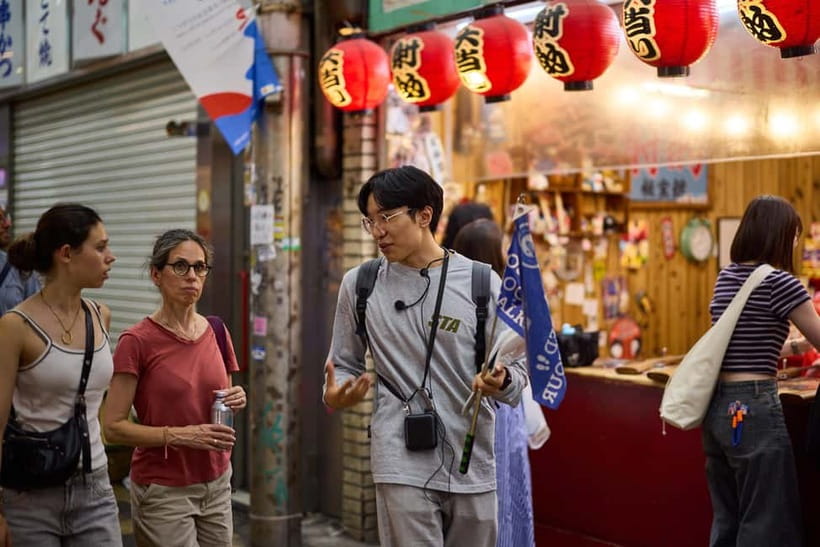
- A focused 2-hour route centered on Shinsekai, Nishinari, and Tobita Shinchi
- A clear English-led walking pace with time for questions along the way
- Tsūtenkaku as a natural finish point, giving you an easy visual anchor to end on
- Jyanjyan Yokocho’s mid-century vibe, right by Shinsekai’s retro street life
- Guides who handle sensitive history tactfully, with plenty of explanation
A 2-Hour Night Walk Through Osaka’s Shadowed Corners
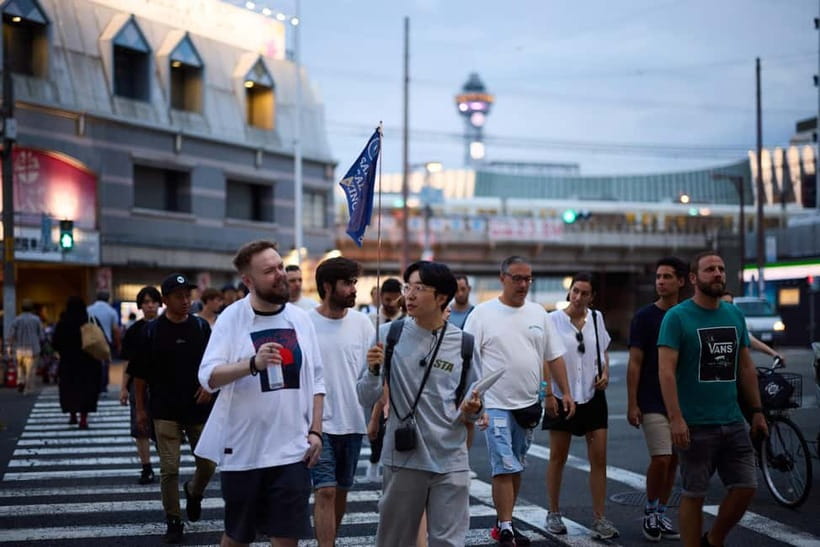
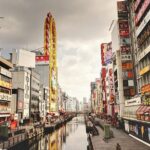
This tour is called the Dark Side of Osaka for a reason. You’re not doing a costume-night-of-fun stroll. You’re walking through neighborhoods tied to social realities that many visitors never see up close—especially around historic “getto” areas and the urban systems that developed around them.
What makes it work is balance. You get atmosphere—neon, narrow lanes, old-school signage—and you also get the “why” behind it. I like that the experience doesn’t try to shock for shock’s sake. It frames what you’ll see as part of Osaka’s urban story, not just a spectacle.
The best part for you, if you like to understand a place, is that the walk is short enough to stay sharp. Two hours means you’re moving, learning, and still feeling fresh when you continue exploring on your own afterward.
You can also read our reviews of more walking tours in Osaka


Meeting Point: Under the Giant Penguin at MEGA Don Quijote Shinsekai
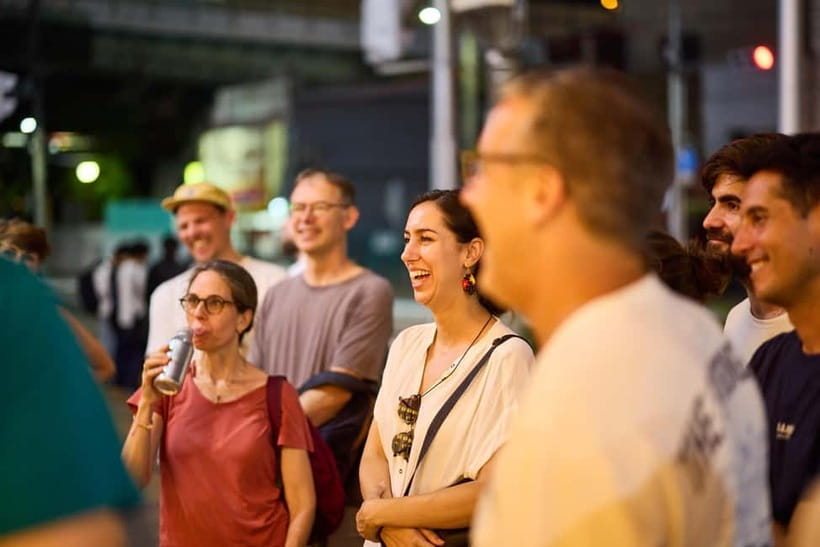
Your meeting spot is easy to find once you know what to look for. Meet your guide at MEGA Don Quijote Shinsekai, specifically at the Under the Giant Penguin area. The guide is holding a sign that says GetYourGuide.
This matters because the start time is a night walk: you’ll want to be standing in the right place early. If you’re arriving from Osaka Station or Namba, give yourself a buffer to reach Shinsekai, find the penguin statue, and get settled.
What I’d do: come a few minutes early, take a breath, and get your shoes on. The route is walking-first, and comfort beats fashion here. The tour also comes with practical “street rules” like no smoking and no alcohol in the vehicle, so keep that in mind as you plan your evening.
Shinsekai: New World Nostalgia With Western-Style Ambition
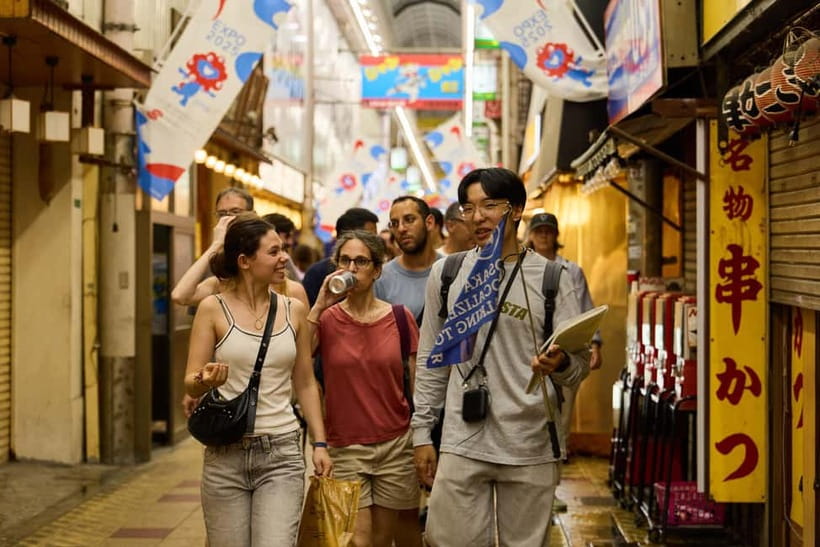
You’ll start by exploring Shinsekai, which literally means New World. The area’s appeal is that it doesn’t hide its own theme: when it opened in 1912, Shinsekai was designed as a modern entertainment district with Western-style influences.
Think of it as early Osaka trying on an outside-world style. The southern half was modeled after Paris, while the northern half took cues from New York’s Coney Island. That’s the kind of fact that changes how you see the street. Suddenly, the architecture and the vibe aren’t random. They’re part of a plan that shaped the neighborhood’s identity.
One thing to calibrate: Shinsekai isn’t trying to recreate the original big-city glamour today. What you get instead is something more personal. You’ll see a quirky mix of retro nostalgia and daily life—plus the sense that the area has had time to soften around the edges.
If you like photo opportunities, bring your camera. And if you like stories, pay attention when your guide connects what you see now to how the district was meant to work back then.
Nishinari: Working-Class Streets and a Neighborhood in Transition
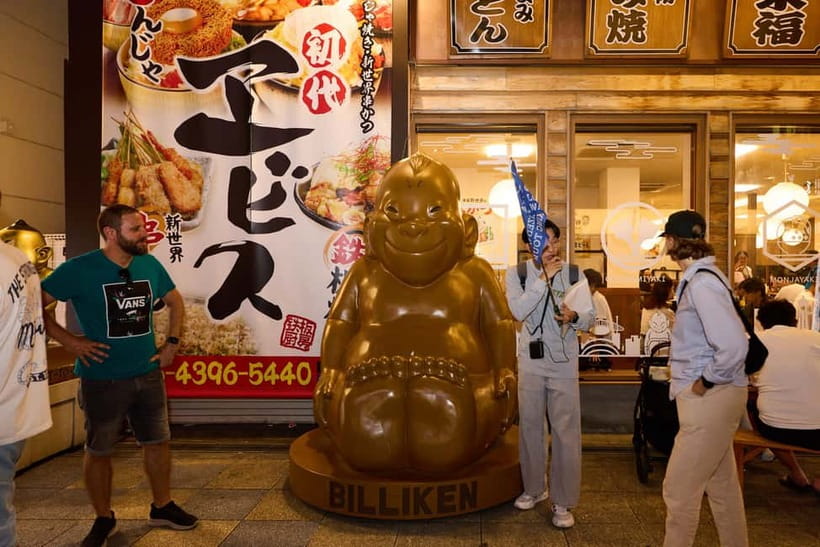
Next comes Nishinari, in southern Osaka. The tour focuses on the district’s “raw, authentic” character and its evolution over time. Historically, Nishinari served as a hub for day laborers and working-class life. In recent years, the area has changed, with more visitors and budget travelers drawn to the neighborhood’s gritty past and the reality of its present.
This stop is valuable because it helps you understand how cities reframe neighborhoods. A street can look like a street, but a neighborhood history explains why it developed the way it did. That context matters in a place like Osaka, where districts can feel playful on the surface but sit on top of social systems below.
You’ll likely get a lot of guide-to-group interaction here. Guides are praised for being respectful when discussing difficult circumstances, and for offering diplomatic explanations instead of blunt oversimplifications. If you have questions, this is the portion where asking usually feels most productive.
Jyanjyan Yokocho by Tsūtenkaku: Old-School Lanes You Can Actually Walk Into
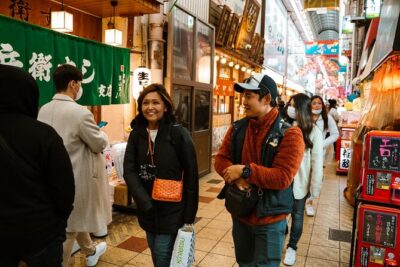
Around Shinsekai and near Tsūtenkaku Tower, the tour turns toward a narrower slice of street life: Jyanjyan Yokocho. This is a small lane famous for its retro, mid-20th-century feel—old-school eateries, bars, and shops packed into a narrow space right by the tower.
The best value of a stop like this is not just seeing it. It’s learning to recognize the pattern of a place. Jyanjyan Yokocho works because it’s compact and sensory: the vibe, the lighting, the clustering of small businesses, and the way the street is used after dark. You’ll finish this part with an easier time spotting what’s meant for locals versus what’s aimed at quick tourist traffic.
A practical note: narrow streets mean slower walking and more pauses to look. Wear shoes that can handle frequent stops and slight uneven pavement. And if you’re planning to eat after the tour, ask your guide for suggestions; some guides are known to share their favorite nearby places and practical food ideas.
You can also read our reviews of more evening experiences in Osaka




Tobita Shinchi: Osaka’s Largest Red-Light District, Explained Without Handwaving
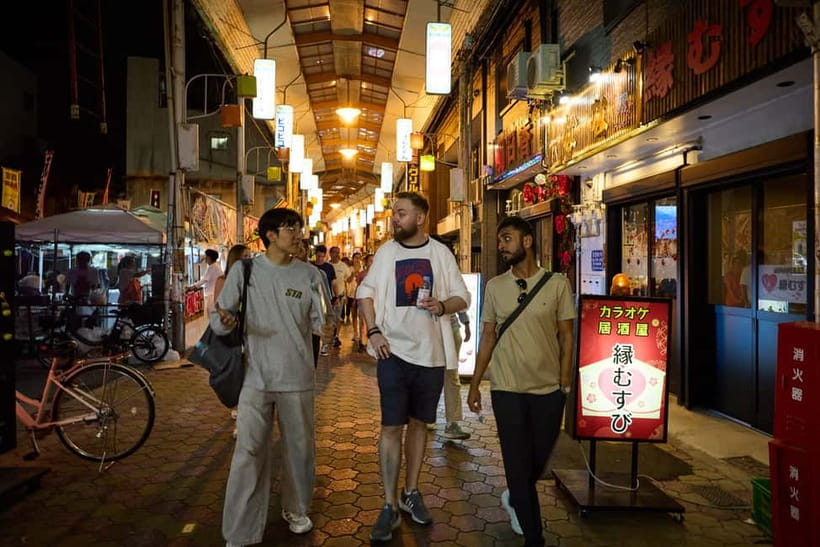
The final major district is Tobita Shinchi, Osaka’s best-known and largest red-light area, with history stretching back over a century. This is the stop that pushes the tour into the “dark side” title in a direct way.
What you should know before you go: this area is described as having a unique architectural style and a tightly regulated environment, with tradition and discretion shaping how the district functions. That doesn’t mean it’s going to feel like a casual theme park. It means you’ll be walking through a place with rules, boundaries, and a specific cultural logic that’s not meant for rude gawking.
If you’re someone who hates uncomfortable topics, this portion might be rough. A number of people in guide-led experiences like this emphasize that it can be confronting. On the other hand, the guides praised here often do something crucial: they explain the social context and keep things respectful.
In plain terms: you’ll likely leave with a better sense of how Japanese urban culture can manage private realities in public spaces—and how that connects to broader city history.
How the Guide Keeps Sensitive Material Grounded
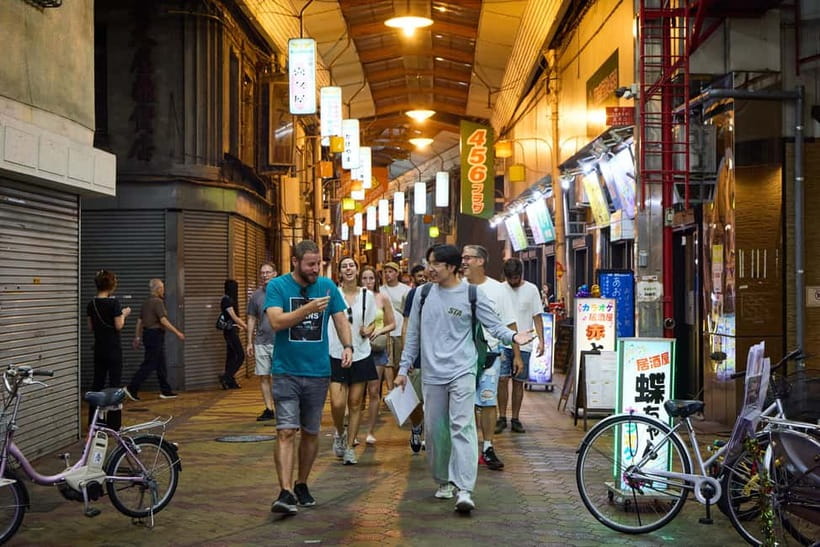
This tour stands or falls on tone. The good news: the guides associated with this experience are repeatedly praised for how they handle delicate subjects. Names that come up include Jay, Rico, and Matt—all noted for being respectful, diplomatic, and willing to answer questions.
You’ll also see a pattern in what people like most: the tours don’t just list facts. The guides connect streets to real human life—then keep the discussion appropriate. That’s exactly what you want on a night tour touching on the shadow side of society.
Still, be realistic. The topic is adult and historically loaded. If you’re traveling with kids, this isn’t for you—children under 18 aren’t suitable for this tour. And if you’re someone who needs everything to stay light and cheerful, you might prefer a different Osaka night walk.
Price and Value: What $25 Gets You (and What It Doesn’t)

At $25 per person for 2 hours with a live English guide, this is priced like a typical short walking experience. The value comes from what’s included: you’re buying guided context for a route that covers more than landmarks.
The tour includes:
- a live tour guide
- a walking tour of Osaka’s historic “getto” area and red-light district
- exploration across Shinsekai, Nishinari, and other key stops
Food and drinks are not included. That’s important because Jyanjyan Yokocho is the kind of place where you’ll probably want snacks or drinks on your own. If food is part of your plan, budget for it separately, or set aside time afterward to eat.
Also, the guide is English-speaking, which matters here. When topics are sensitive, it helps to have clear explanations you can follow without guessing.
In other words: if you want a guided story, $25 makes sense. If you only want scenery and don’t care about context, you may feel like you’re paying for the talk rather than the route.
Practical Tips That Make the Night Walk Smoother
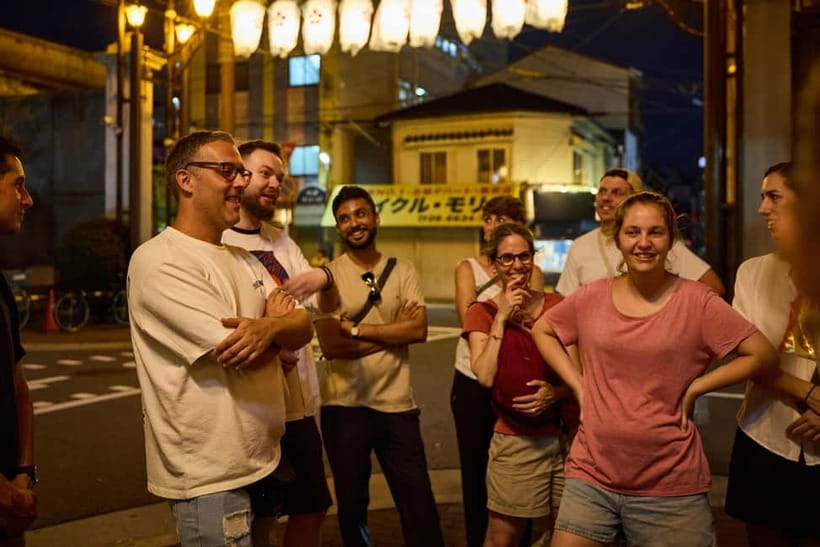
A night walking tour sounds simple, but small details change your comfort level.
- Wear comfortable walking shoes. You’ll be out for two hours and you’ll likely slow down for discussion and viewpoints.
- Expect weather changes. Osaka can be humid or wet at night. One guide (Rico) is specifically noted as adapting well on a rainy day, so flexibility is part of the experience.
- Plan your expectations around adult topics. Smoking is not allowed, and you should follow local customs and regulations.
- Bring questions, not just curiosity. This experience is built for Q&A, and guides are praised for sharing explanations and personal observations in a respectful way.
One more note: the tour isn’t suitable for wheelchair users. If mobility is an issue, plan accordingly.
Who Should Book This Osaka Night Tour?
This tour is ideal if you meet at least one of these:
- you like city history that goes beyond postcard Osaka
- you want to understand how districts function socially, not just where famous buildings are
- you enjoy guided conversations and want your questions answered
- you’re comfortable with topics that can feel uncomfortable in places
It’s not a great match if you want a purely cheerful night walk, or if you’re sensitive to adult and historically difficult subject matter. The “dark side” is part of the point, and you’ll feel that clearly once Tobita Shinchi comes into view.
Should You Book This Osaka Dark Side Tour?
If you want Osaka with context, I’d book it. The combination of Shinsekai and Nishinari plus Tobita Shinchi gives you a street-level understanding of how the city’s entertainment zones and working neighborhoods developed. And with strong guide performance—people specifically praise Jay, Rico, and Matt for respectful handling and clear answering—this tour seems designed to educate without being careless.
Just make sure you’re mentally ready for confronting material. If you can handle that, you’ll come away with a more honest view of Osaka, plus street-specific tips for where to go next in the evening.
If you’d rather keep your night gentle and light, pass and choose a more mainstream Osaka night walk.
FAQ
How long is the Osaka night walking tour?
The tour lasts 2 hours.
Where do I meet the guide?
Meet your guide at Under the Giant Penguin of MEGA Don Quijote Shinsekai. The guide will be holding a sign that says GetYourGuide.
Is the tour in English?
Yes, the live tour guide is English.
What’s included in the price, and what isn’t?
Included: a live tour guide and a walking tour covering Osaka’s historic “getto” area and red-light district. Not included: food and drinks and hotel pickup/drop-off.
Is it suitable for children or wheelchair users?
It is not suitable for children under 18 and it is not suitable for wheelchair users.
Where does the tour end?
The tour finishes at Tsūtenkaku.