REVIEW · OSAKA
OSAKA NIGHT FUSION Japanese Taiko Kabuki Samurai Dance Show
Book on GetYourGuide →Operated by 株式会社TryHard Japan · Bookable on GetYourGuide
Taiko and kabuki collide in Osaka. Osaka Night Fusion is an interactive night show that mixes traditional stage arts (taiko, kabuki, shamisen, samurai themes) with high-energy dance music, and it doesn’t leave you sitting politely in the dark the whole time.
I especially like two things. First, I love how the performers blend classic instruments and costumes with modern beats, so the sound stays punchy and the stage never goes dull. Second, I like that they build in audience participation with clear prompts, so you can join in without needing to know a single Japanese word.
One thing to plan around: the show may include explicit lyrics and language, so it’s better thought of as an adult-leaning performance than a kid-safe outing.
In This Review
- Key things to know before you go
- Tempo Harbor Theater: getting seated and ready to participate
- What the Osaka Night Fusion show actually feels like
- The lineup on stage: taiko, shamisen, shakuhachi, kabuki, and samurai
- Audience participation: how to jump in without stress
- Language and content: Japanese, English, and a note for families
- Price and value: is $40 worth it?
- After the final beat: photos and leaving on a high
- Should you book Osaka Night Fusion?
- FAQ
- How much does Osaka Night Fusion cost?
- Where do I meet for the show?
- How early should I arrive?
- Can I enter after the show begins?
- What languages are used during the performance?
- Is the show interactive?
- What Japanese arts and instruments are part of the show?
- Is it suitable for children?
- Is there a photo opportunity after the show?
- Can I reserve now and pay later, and what about cancellations?
Key things to know before you go
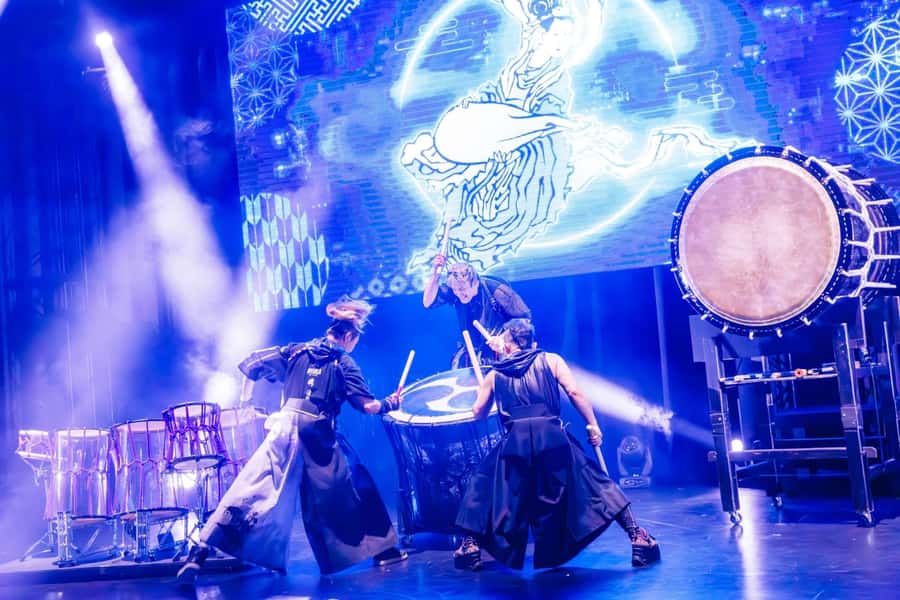
- Front-row energy: you’ll have more chances to be involved when the performers call for participation.
- Taiko isn’t just for watching: you may be invited into the bigger drum moments during the show.
- Kabuki and samurai themes: you’ll see kabuki-style drama and samurai-inspired moves, adapted for this format.
- Traditional instruments + dance beats: taiko, shamisen, shakuhachi, and more work alongside dance music.
- Language support: the show runs in Japanese and English.
- Photo time after: there are photo opportunities with the cast at the end.
Tempo Harbor Theater: getting seated and ready to participate
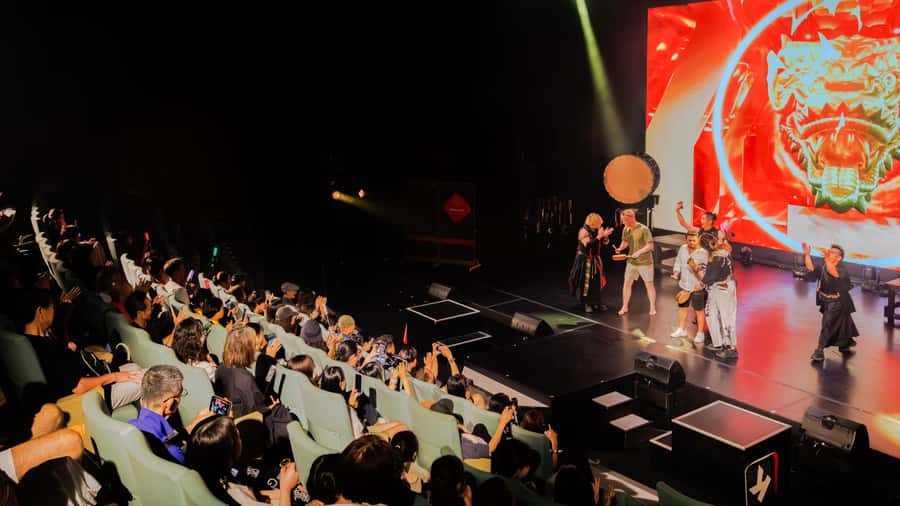
Your night starts at Tempo Harbor Theater, on the 4th floor of Osaka Cultural Center. You’ll take the escalator inside Osaka Cultural Center to get up there, then find your way to the theater entrance.
Do yourself a favor and arrive at least 5 minutes early. Once the show starts, entry is closed for production reasons. That sounds strict, but it also means the whole room stays on the same track—less waiting, more momentum.
Timing also matters for participation. This is one of those shows where the crowd’s energy helps set the tone, and the performers lead the interactive bits in the middle of the performance. If you’re stuck finding your seat after the start, you’ll miss the early cues.
You can also read our reviews of more evening experiences in Osaka



What the Osaka Night Fusion show actually feels like
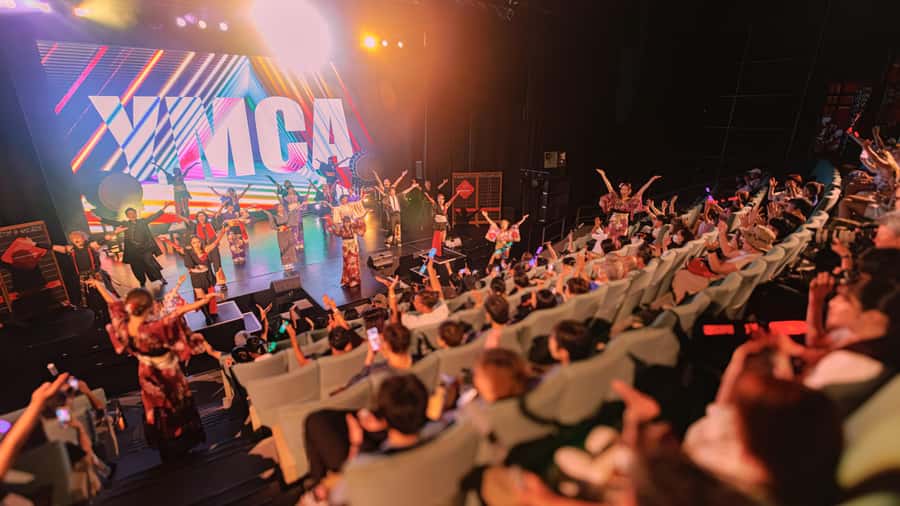
Osaka Night Fusion is built like a fast-moving performance roller coaster: watch, react, join in, repeat. The concept is simple—Japanese tradition plus modern dance music—but the delivery is what makes it fun.
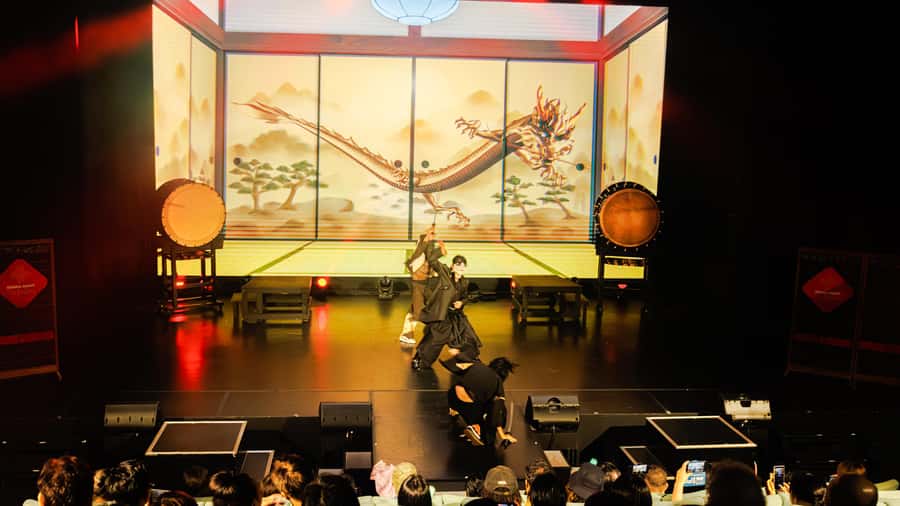
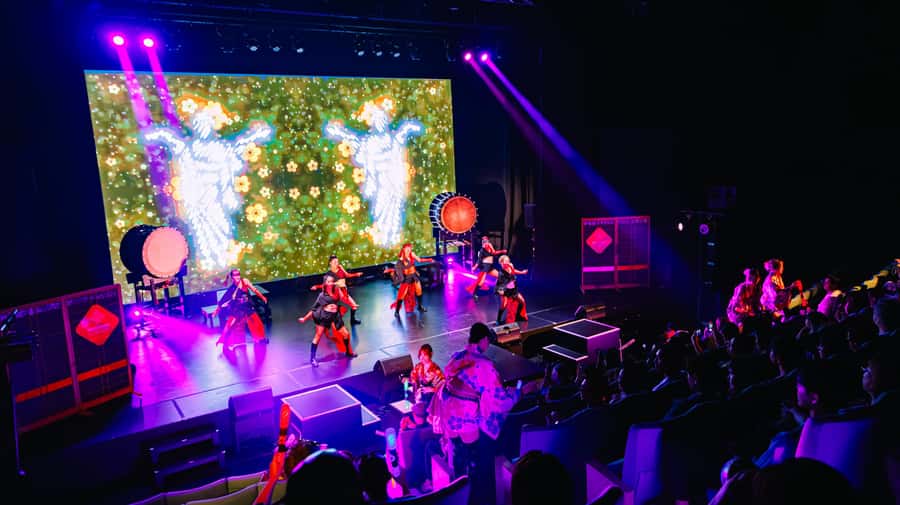
Onstage, you’ll see a mix of taiko drums, kabuki-inspired theatrical elements, and samurai-themed performance styles, supported by musicians who play instruments like shamisen and shakuhachi. The dance music angle keeps the rhythm driving forward, so even if you don’t know the meanings behind everything, your body still gets the message.
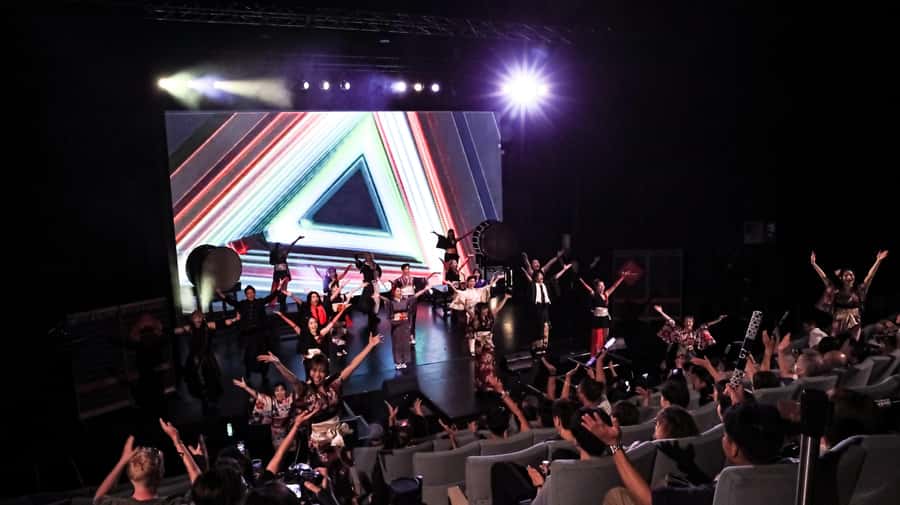
The show also includes segments where the performers directly involve the audience. These moments aren’t random. They’re led by the cast, and they’re designed so you can participate in a way that matches the flow of the show. Several people have described it as feeling like a party with choreography and drumming, not a formal lecture.
The lineup on stage: taiko, shamisen, shakuhachi, kabuki, and samurai
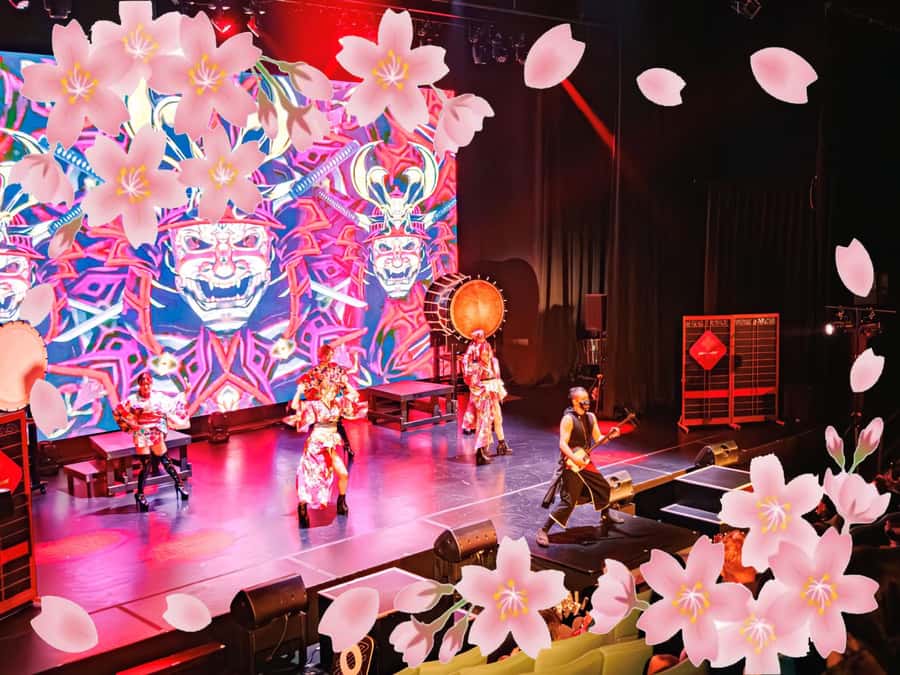
This isn’t one-style entertainment. The whole point is variety, and you’ll feel that variety in how the stage changes pace and texture.
Here’s what the production includes:
- Taiko drums: loud, physical, and built for visual impact.
- Shamisen: a recognizable string sound that adds that classic theatrical color.
- Shakuhachi: breathy flute tones that can shift the mood fast.
- Kabuki elements: dramatic performance flair and costume-and-gesture storytelling.
- Samurai-inspired moves: fight-stance energy and stylized intensity.
- Dance music and modern choreography: the beat that ties it all together.
The show creators also mention kabuki and ninja elements being inspired by tradition but creatively adapted for this performance. In practice, that means you get recognizable cultural shapes and stage language, but delivered in a format that fits a modern night-out.
Audience participation: how to jump in without stress
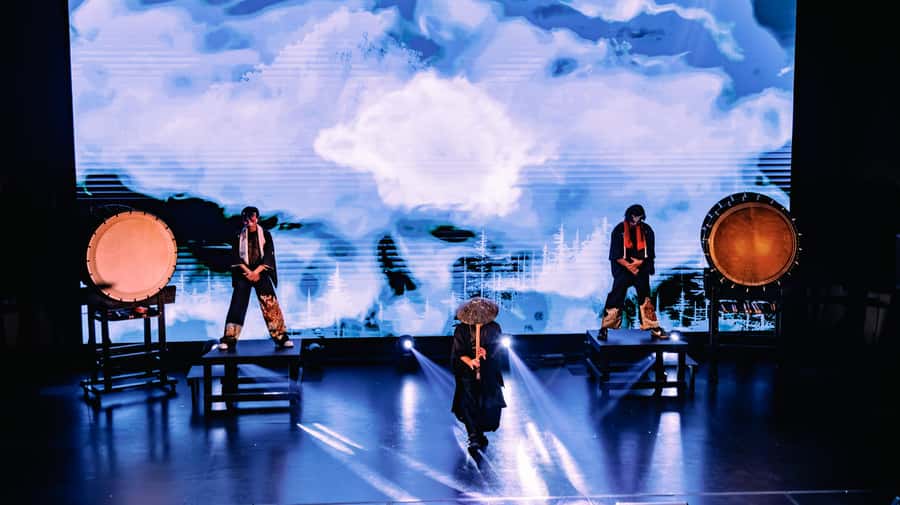
Audience participation is the difference between watching a show and feeling like you’re part of it. The performers lead the interactive segments, and the staff makes an effort to include people throughout the theater.
If you want the highest chance of being pulled into the action, sit closer to the front. One common tip from people who loved it: the front row gives you a better shot at joining in when the call comes out. And yes, some audience members have described being invited into moments involving the large taiko drum.
Still, there’s an important reality check: participation is part of the show design, not a guaranteed promise for every single seat. Even in front, you’ll likely be doing the supportive role at some points and the active role at others.
My practical advice: keep your phone charged, wear comfortable clothes you can move in a little, and stay attentive when the performers start addressing the room. The show changes gears quickly.
Language and content: Japanese, English, and a note for families
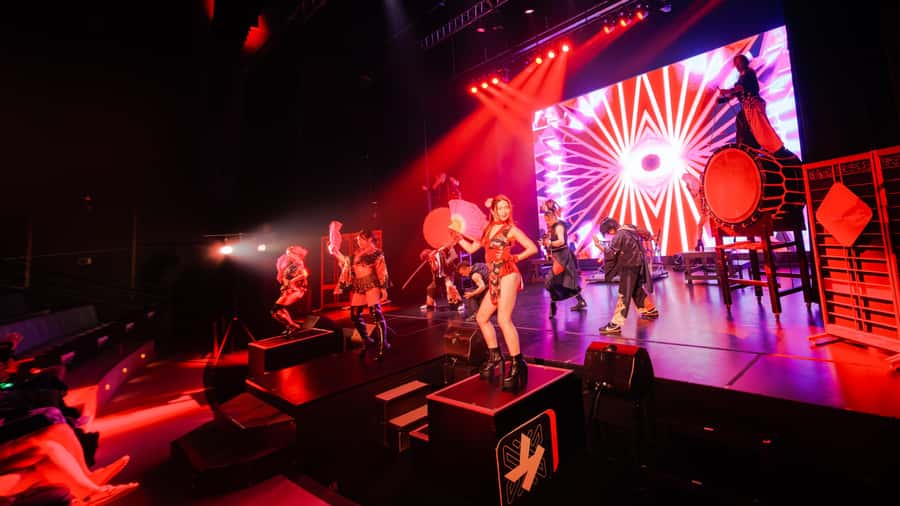
The show runs in Japanese and English, which is a huge help for following what’s going on during interactive moments.
But there’s also a content note you should respect. The performance may include explicit lyrics and language that isn’t suitable for all audiences. Some people have specifically warned about language for kids.
So here’s how I’d think about it:
- If you’re traveling as an adult (or with teens who can handle mature themes), you’re likely to enjoy the energy without it feeling out of place.
- If you’re planning a family night with younger children, it’s safer to sit this one out or at least go in with eyes open.
You can also read our reviews of more tours and experiences in Osaka



Price and value: is $40 worth it?
At $40 per person, Osaka Night Fusion sits in the “paid experience” category, not the “cheap and cheerful” category. The value comes from the fact that this isn’t just a passive performance.
You’re paying for:
- A multi-style show (taiko plus instruments plus kabuki/samurai stage performance)
- Modern music energy that keeps the room engaged
- Interactive segments led by the performers
- A cast that’s clearly built for stage chemistry, not just musicians on a track
Many visitors rated the experience extremely highly, and the consistent theme is energy: the show moves, it involves people, and it’s one of those nights that feels memorable even if you don’t fully catch every detail.
One detail to keep in mind: a ticket is listed as an admission ticket. That means the core product is the show itself. One person mentioned free drinks during the show, but since it’s not stated in the basic inclusions, I’d treat that as a possible extra rather than something you should count on.
After the final beat: photos and leaving on a high
The show ends back at the same meeting point area, since it’s a single-session theater experience. What you do after depends on your Osaka plans.
The nice part is what happens at the end: there are photo opportunities with the performers. One description even mentions photos with the whole ensemble. If you’re the type who likes a real keepsake from Japan beyond postcards, this is one of the better setups for it.
Also, because it’s a night event at a theater, you’ll likely leave feeling like you finished your evening with something special instead of just eating and walking around.
Should you book Osaka Night Fusion?
Book it if you want a high-energy cultural show that actually pulls you into the moment. This is best for people who enjoy performance, rhythm, and a bit of audience interaction—especially if you like taiko and are curious about how kabuki and samurai themes translate into a modern dance-music format.
Skip (or think twice) if you’re looking for a quiet, all-ages museum-style cultural program. The content may include explicit lyrics and stronger language, and participation isn’t guaranteed for every seat.
If you’re in Osaka for a short stay and want one unforgettable “night out” that feels different from the usual sightseeing pattern, Osaka Night Fusion is a strong pick.
FAQ
How much does Osaka Night Fusion cost?
The price is $40 per person.
Where do I meet for the show?
Meet at Tempo Harbor Theater, 4th floor. You can reach the venue by taking the escalator inside Osaka Cultural Center.
How early should I arrive?
Please arrive at least 5 minutes before the show starts.
Can I enter after the show begins?
No. Once the show begins, you will not be allowed entry due to production reasons.
What languages are used during the performance?
The show is in Japanese and English.
Is the show interactive?
Yes. Performers lead audience participation segments during the performance.
What Japanese arts and instruments are part of the show?
You can expect taiko drums, shamisen, shakuhachi, plus kabuki and samurai elements, along with dance music and modern performance styles.
Is it suitable for children?
The show may contain content that isn’t suitable for all audiences, including explicit lyrics and language. It’s better suited to adults than small children.
Is there a photo opportunity after the show?
There are photo opportunities with the performers after the performance.
Can I reserve now and pay later, and what about cancellations?
You can use reserve & pay later. You can cancel up to 24 hours in advance for a full refund.