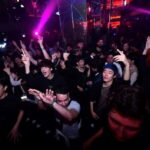
One night in Osaka, and the room feels like a show. Piccadilly Premium strings together a live performance and then club time, and it even lets you sing on a real stage. I also love the variety of themed acts, from taiko drum nights to interactive sumo moments, all built for groups who want energy. The only catch: the karaoke stage and some activities can be unavailable during live shows, so timing matters.
This ticket is priced like a bargain for what you get: meals and alcoholic beverages are included, and the admission window runs 8:00 PM to 4:00 AM (next day). If you’re after quiet dining or a laid-back atmosphere, this isn’t that kind of night. But if you want lights, music, and performances that start in “show” mode and end in “party” mode, you’ll get your money’s worth.
In This Review
- Key things to know before you go
- Piccadilly Premium Turns Osaka Nightlife Into a Two-Part Show
- Timing That Fits the Way Osaka Actually Nights
- What You’ll See Inside: DJ Power, Aerial Acts, and Live Sound
- The Rotating Shows You Can Plan Around (Taiko, Sumo, Violin)
- From Live Show to Nightclub Energy (and Why That Works)
- Karaoke on a Real Stage: Sing Without the Usual Downsides
- Food and Alcohol Included: Value That Makes Sense Here
- Price at $6.50: What You’re Really Paying For
- Who This Is Best For (and When to Skip It)
- Practical Tips for a Smooth Night in Osaka
- Should You Book Piccadilly Premium?
- FAQ
- FAQ
- What are the opening hours for Piccadilly Premium?
- When is the showtime scheduled?
- How long is the experience?
- What does the ticket include?
- Are public transportation costs included?
- Are there different performances on different days?
- Is karaoke available during the live show?
- Do I need a passport for alcohol?
- Is free cancellation available?
Key things to know before you go
- Two-part format: live show first, then a nightclub vibe
- Themed nights on specific days: taiko on Wed/Sat, sumo on Fri/Sat, violin on Thu/Fri/Sat
- Karaoke on a real stage: not just a back-room mic and a TV screen
- Included food and drinks: bar bites and full dining options, plus alcoholic beverages
- Long entry window: ticket validity covers 8:00 PM to 4:00 AM
- A big production: DJ sets, aerial performances, dance acts, and live sound like the morin khuur
Piccadilly Premium Turns Osaka Nightlife Into a Two-Part Show
Piccadilly Premium is basically built for people who want more than a standard club night. Instead of only hearing DJs, you get actual staged performances with lighting and visuals that change the whole pace of the evening. The show portion runs 9:00 PM to 1:00 AM, and after that the energy shifts into nightclub mode.
One thing I like about this setup is the clarity: you know you’re going to be entertained before you’re just out in the crowd. The other great part is the range. You might catch dance acts, aerial performances, and live elements like the morin khuur sound that give the night a distinctly Japanese twist without being stuffy.
You can also read our reviews of more tours and experiences in Osaka

Timing That Fits the Way Osaka Actually Nights
The venue opening hours are 8:00 PM to 4:00 AM (next day). Your ticket is valid across that window, which matters because you can arrive, eat, and get comfortable before the big show starts. The “experience duration” is listed as about 4 hours, but think of it as your best-fit time window inside a longer admission period.
The practical move is simple: plan to be there early enough that you’re not racing through dinner while the loud stuff is already underway. You’ll likely get the smoothest flow if you arrive with time to settle in before the 9:00 PM showtime.
Also note a heads-up that appears on the ticket info: business hours can change, so it’s smart to confirm before you head out.
What You’ll See Inside: DJ Power, Aerial Acts, and Live Sound
This is a production, not a quiet lounge. The nightly lineup is described as including top DJs, aerial performances, glamorous dance acts, and powerful live sessions by bands and vocalists. There’s also mention of the morin khuur, which is a strong “this isn’t generic” touch.
On the visual side, you’re not relying on someone’s phone camera. The stage is set up with powerful sound, dynamic lighting, and a massive screen. That matters because it keeps the show readable even if you’re not right up against the stage.
If you’re the type who gets bored when the night is just background music, you’ll probably appreciate the pacing. The format is designed to keep your attention moving—one act leads into the next, then the room shifts again into club time.
The Rotating Shows You Can Plan Around (Taiko, Sumo, Violin)
One of the best reasons to pick your day is that the entertainment rotates by weekday. Here’s what’s specifically called out:
- Every Wednesday & Saturday: taiko drum show
- Every Friday & Saturday: an interactive sumo experience, up close
- Every Thursday, Friday & Saturday: live violin performances
That means you can tailor your night instead of hoping to catch the one act you want. If your group includes people who love percussion, pick Wednesday or Saturday. If you want the crowd participation angle, aim for Friday or Saturday to catch the sumo segment.
Even if you can’t match the exact day, you’re still getting a full nightly show stack. The rotating acts just add another layer of “I planned this” satisfaction.
From Live Show to Nightclub Energy (and Why That Works)
The rhythm of the night is a big part of why this feels different from many clubs. The structure is described as: first half is a live show, and the second half becomes nightclub time. That shift is what makes it easy to enjoy with different personalities in your group—some people love the staged acts, others just want music and motion.
The club portion is tied to DJ sessions and the general high-energy atmosphere, and the vibe is designed to keep you involved rather than passively watching. If you like being part of the sound instead of standing still, you’ll probably find it easy to get into the mood.
In the same way, the live-show portion gives you something to focus on, so you don’t end up drifting around wondering what to do next.
You can also read our reviews of more nightlife experiences in Osaka




Karaoke on a Real Stage: Sing Without the Usual Downsides
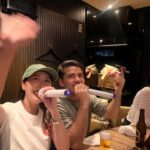
Yes, there’s a karaoke stage plan, and it’s not framed as a typical back-room add-on. The idea is that you sing on a real stage with powerful sound, dynamic lighting, and a large screen. That’s a huge difference from the usual “one mic and hope for the best” karaoke setup.
There’s also an important limitation: it’s unavailable during live shows, and times may vary. So don’t count on it as an automatic guaranteed moment that you can schedule like dinner. The best way to think about it is as a bonus option that might pop up depending on the show schedule that night.
If your group includes at least one person who wants to be the main character for 10 minutes, this can turn the night from fun into memorable.
Food and Alcohol Included: Value That Makes Sense Here
The ticket includes alcoholic beverages and meals. That’s a big deal at this price point, and it’s why this can feel like a good deal rather than a “pay for the show, then pay again inside” trap.
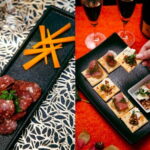
You’ll have options: Piccadilly offers bar bites and full-course dining options. The info also mentions you can choose à la carte snacks or signature set menus. In practice, that means you can match your appetite and timing. You can eat light if you’re focused on the show, or go for something more structured if you want an actual meal before the later-night energy kicks in.
One legal note matters for planning: Japan prohibits the sale of alcoholic beverages to people under 20. Bring your original passport for age verification. That’s not a “nice to have” detail here—it’s part of being able to use what’s included.
Price at $6.50: What You’re Really Paying For
At $6.50 per person, this ticket price is strikingly low for a night that includes meals, alcoholic beverages, and a full staged show. The value comes from bundling the entertainment and basic hospitality together. You’re not just buying entry to a room with music; you’re buying a production night with multiple performance elements.
The trade-off is what you’d expect at any club-style venue: it’s not designed for quiet conversation. The lighting and sound are part of the show, and that means you’ll want to go with the right expectations.
If your goal is a “one ticket, one night, lots happening” plan, the math works in your favor.
Who This Is Best For (and When to Skip It)
This works especially well if you’re traveling with friends or celebrating something. It’s described as a good match for birthdays and celebrations, and the format supports group energy: people can watch shows, dance later, and even jump into the karaoke experience if timing lines up.
It’s also a strong fit if you want a taste of modern Japanese nightlife that still includes performance elements tied to the local entertainment feel. The live violin, morin khuur sound, taiko nights, and interactive sumo moments give it more character than a purely Western-style DJ room.
Where I’d hesitate is if you need a calm, seated dinner experience. This is a performance-and-party venue. Plan for noise, crowd movement, and a schedule that follows show timing.
Practical Tips for a Smooth Night in Osaka
Start with the basics: wear something you can move in. Even if you’re not dancing all night, the room changes modes from seated watching to active club energy. The more comfortable you are, the more you’ll enjoy the transitions.
Arrive with a plan for food. Since meals are included, treat dining as part of your experience rather than an afterthought. If you wait too long, you can end up eating while the room is already gearing up.
Bring your passport if you want to use the alcohol included. Japan’s age verification rule is straightforward, and having the document saves time.
And one last tip: because some activities like karaoke are unavailable during live shows, keep your expectations flexible. You’re going for a full night experience, not a single guaranteed moment.
Should You Book Piccadilly Premium?
I’d book this if you want a high-energy Osaka night with a real live show plus club time, and you value meals and drinks being included. The day-specific acts (taiko, sumo, violin) give you a chance to pick the night that matches your group’s interests, and the $6.50 price makes the whole thing feel like a smart use of limited vacation hours.
Skip it if you’re looking for quiet sightseeing after dinner or a traditional, calm cultural performance. This is loud, fast, and built for fun. If that’s your speed, it’s an easy “yes.”
FAQ
FAQ
What are the opening hours for Piccadilly Premium?
The stated opening hours are 8:00 PM to 4:00 AM (the next day).
When is the showtime scheduled?
Showtime is listed as 9:00 PM to 1:00 AM every night.
How long is the experience?
The duration is listed as approximately 4 hours.
What does the ticket include?
The ticket includes alcoholic beverages and meals.
Are public transportation costs included?
No. Public transportation is not included.
Are there different performances on different days?
Yes. Taiko drums are listed for Wednesday and Saturday, sumo (interactive, up close) is listed for Friday and Saturday, and live violin is listed for Thursday, Friday, and Saturday.
Is karaoke available during the live show?
No. Karaoke stage access is noted as unavailable during live shows, and times may vary.
Do I need a passport for alcohol?
If you’re under 20, alcohol can’t be sold under Japanese law. The info asks you to bring your original passport for age verification.
Is free cancellation available?
Yes. You can cancel up to 24 hours in advance for a full refund.