REVIEW · OSAKA
Hiroshima Private Guided Tour from Osaka or Kyoto
Book on Viator →Operated by Nara Guide · Bookable on Viator
Peace and nature in one packed day. You’ll move through Hiroshima with a Japanese-history focused guide, starting at the Atomic Bomb Dome and working your way to the Peace Memorial sites. Then you’ll take the ferry to Miyajima for Itsukushima Shrine and a shore-side torii moment timed to the tide, with shika deer and calm island walking to reset your head.
Two things I especially like: you get the big-picture story while you’re standing in the places where history happened, and the day isn’t only about museums. The Miyajima section brings real breathing room, from the Seto Inland Sea views to the shika deer in Omoto Park. One drawback to plan for: this is a long 9-hour day with moderate walking, plus several key sights have separate admission or transit costs.
If you’re ready for a meaningful day that mixes reflection with scenery, this private guided route can be a strong use of your time in western Japan. Just be honest with yourself about pacing, and budget for the museum/shrine admissions and local transport on top of the tour price.
In This Review
- Key things to know before you go
- A One-Day Route That Actually Fits: Hiroshima to Miyajima in 9 Hours
- Hiroshima Station Start and the Pace: What You’re Really Signing Up For
- Atomic Bomb Dome: Seeing History Where It Still Shows
- Peace Memorial Park and Museum: Reflection With Structure
- The Peace Memorial Museum: What Two Hours Feels Like
- Ferry to Miyajima: A Calmer Shift Over the Seto Inland Sea
- Omotesando Shopping Street: Lunch and Local Atmosphere
- Itsukushima Shrine: The Torii Moment That Depends on the Tide
- Omoto Park and Shika Deer: Nature That Doesn’t Need a Script
- Price and Value: What Your $373.96 Covers and What to Budget
- Who This Tour Fits Best (and Who Should Rethink It)
- Should You Book This Hiroshima and Miyajima Private Guided Tour?
- FAQ
- How long is the Hiroshima and Miyajima private guided tour?
- What time does the tour start and where do I meet?
- What stops are included in the day?
- Is the Hiroshima Peace Memorial Museum ticket included?
- Is Itsukushima Shrine admission included?
- How does the torii experience work on Miyajima?
- Are there extra costs besides the tour price?
- Is this a private tour?
- Is free cancellation available?
Key things to know before you go
- Atomic Bomb Dome + Peace Memorial Park in one flow: You see the Genbaku Dome, then walk between the dome and the Peace Memorial Museum area.
- Hiroshima Peace Memorial Museum gets a real block of time: You’ll spend about two hours inside, not just a quick look.
- Miyajima torii walk depends on the tide: Low tide can mean walking to the torii; high tide means viewing from the shore.
- Ferry ride is part of the itinerary rhythm: You’ll cross the Seto Inland Sea to Itsukushima island as a break between topics.
- Omoto Park is where you’re most likely to meet shika: It’s built into the day so you can experience the deer-friendly nature moments.
- Private group makes the pacing easier: Only your group participates, so you’re not stuck matching another crowd’s speed.
A One-Day Route That Actually Fits: Hiroshima to Miyajima in 9 Hours
This is built like a full day circuit: you start in Hiroshima (meeting at Hiroshima Station at 8:00am) and then you’ll be moving—by Shinkansen for the longer leg from Osaka or Kyoto, and by local transport once you’re in Hiroshima. The tour is scheduled for about 9 hours, which means you’ll see a lot, but you won’t linger for hours at any one stop.
If you’re coming from Osaka or Kyoto, the key practical move is simple: plan your Shinkansen so you can arrive at Hiroshima Station on time for that 8:00am start. Once you’re there, the structure takes over. You’re not left figuring out rail times, getting from site to site, or figuring out what matters most.
The private setup helps. With only your group, the guide can adjust pacing a little and keep the story moving. You’ll also get a mobile ticket, which can reduce hassle when it’s time to board ferries or enter ticketed sights—though you should still check what the mobile ticket covers versus what you pay separately.
You can also read our reviews of more guided tours in Osaka


Hiroshima Station Start and the Pace: What You’re Really Signing Up For
Starting at Hiroshima Station is convenient, but it also sets the tone: this day doesn’t “ramp up.” You begin right away, with the Atomic Bomb Dome area as Stop 1. That’s powerful, but it’s also a lot emotionally from the first hour.
The physical aspect matters too. The tour note says travelers should have moderate physical fitness level. That doesn’t mean it’s a hike-heavy day, but you will walk between memorial areas and around Miyajima. Comfortable shoes are the easy answer.
Also, remember the timing trade-off: you get a broad overview of Hiroshima and Miyajima, but you’re not doing a slow, museum-by-museum deep study. If your goal is a two-day Hiroshima trip where you can take breaks on your own, this one-day format might feel rushed. If your goal is a focused “see the key sites with context” day, it’s a good match.
Atomic Bomb Dome: Seeing History Where It Still Shows
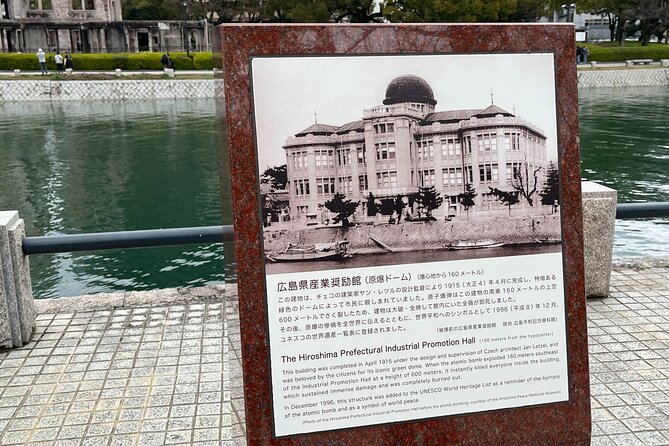
Stop 1 is the Atomic Bomb Dome (Genbaku Dome). This partially standing building is a direct witness to the August 6, 1945 atomic bombing. Even without extra explanation, the structure communicates something hard to fake: the event wasn’t abstract. It happened here.
What I like about this start is the way it sets a clean order. You see the dome first, then the rest of the Peace Memorial area makes more sense. When you walk through the memorial park later, you’re carrying the image with you, so the story stays connected.
Admission is noted as free for this stop, which is a small but helpful detail. The dome itself is also a “read with your eyes” kind of site. You’ll pass by and reflect, rather than treating it like a standard landmark photo stop.
A practical tip: take a moment before you move on. This is the kind of place where even a short pause changes how the rest of the day lands.
Peace Memorial Park and Museum: Reflection With Structure
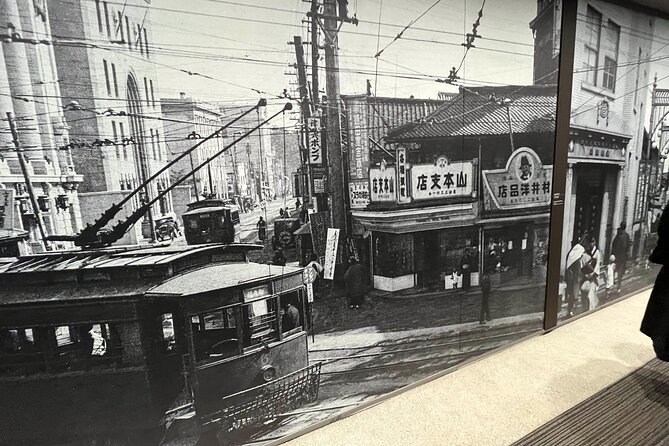
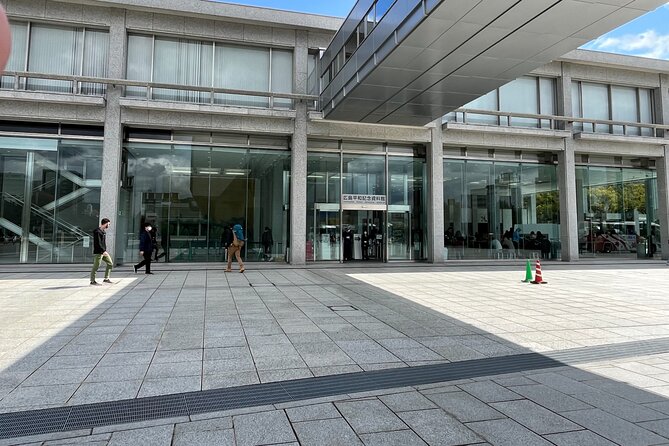
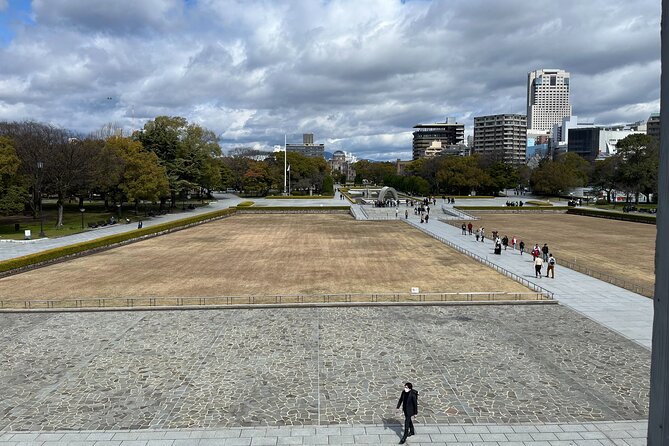
After the dome, you move to Hiroshima Peace Memorial Park (about one hour). The plan is a walk through the park between the Genbaku Dome and the museum. This in-between stretch matters. It’s not just moving locations; it’s the physical way the day transitions from a single iconic object to a broader memorial landscape.
One more important point: the park section is free, while the museum is ticketed. The museum stop is listed at about two hours, and admission is ¥300 per person (not included).
This is one of the most moving portions of the day, and it’s also where your time management matters. A two-hour museum block is enough to make the exhibits more than a blur, but it’s still a limited window. If you want to focus on specific themes or sections, use your guide’s guidance early so you don’t waste time wandering.
The Peace Memorial Museum: What Two Hours Feels Like
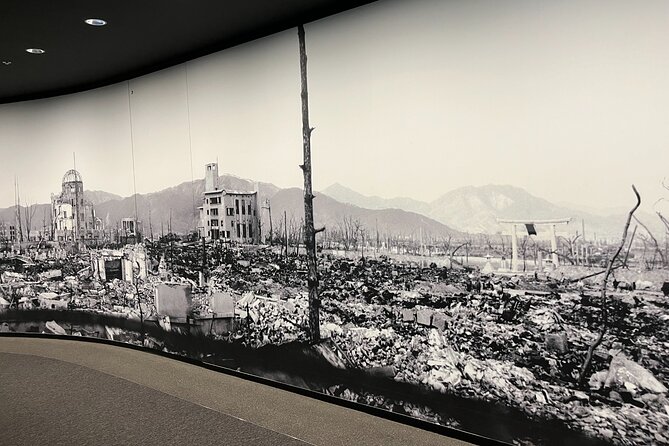
The Hiroshima Peace Memorial Museum is where the day becomes heavy in a deliberate way. You’ll see it framed as an important testimony to the Second World War and the atomic bomb’s impact on Hiroshima. That wording is blunt by design, because the museum is meant to be remembered, not just viewed.
You should also expect it to be emotionally intense. One reason people call this a must-see is that it doesn’t let you keep things at a distance. The exhibits and stories are presented in a way that makes you consider consequences, not just events.
From a practical standpoint, here’s the reality: two hours can fly if you keep moving. If you’re the kind of person who wants to sit with a single exhibit for longer, pace yourself in the first half so you don’t burn your time before you hit the parts you care about most.
You can also read our reviews of more private tours in Osaka


Ferry to Miyajima: A Calmer Shift Over the Seto Inland Sea
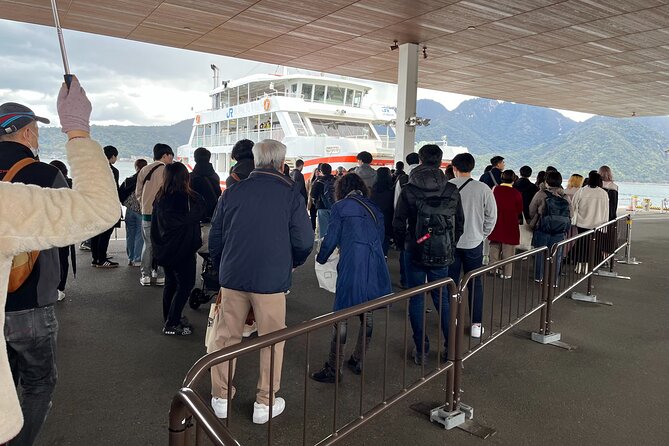
After Hiroshima, you’ll depart for Miyajima Island. The itinerary includes a ferry segment (labeled as Miyajima Matsudai Kisen Tourist Ship, about one hour). Ferry admission is noted as not included, but the ferry ride itself is part of the experience plan.
This is a smart sequencing choice. Coming from memorial sites, the sea crossing gives your brain a short reset. You can look out over the Seto Inland Sea while your day shifts away from the topic that dominated earlier hours.
Even if you don’t call yourself a “scenery person,” this is still valuable because it breaks the pace. It’s an in-between moment that keeps the day from feeling like one long, uninterrupted emotional stretch.
Omotesando Shopping Street: Lunch and Local Atmosphere
Once you reach Miyajima, you’ll spend about one hour at Miyajima Omotesando Shopping Street. It’s where you can have lunch, and it’s also a chance to feel how daily life and tourism mix on the island.
I like this stop because it’s not a separate attraction you have to “master.” It’s simply a place to eat, walk a bit, and get your bearings. It can also be a good time to adjust your plan depending on what you still want to see in your one-day window.
The tricky part is that lunch on a timed tour can feel rushed if you try to do everything at once. Use the hour as a simple reset: eat, hydrate, and move on.
Itsukushima Shrine: The Torii Moment That Depends on the Tide
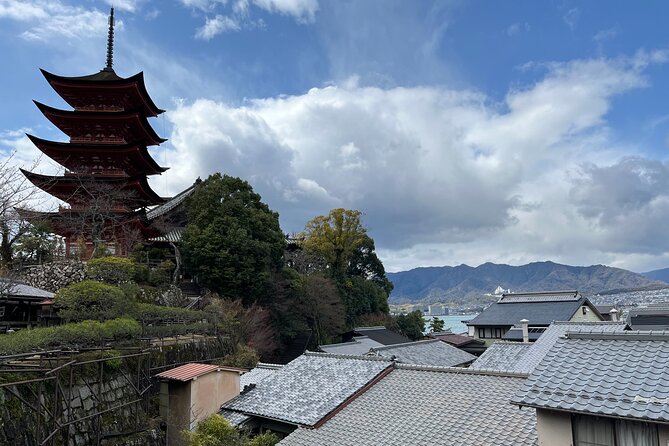
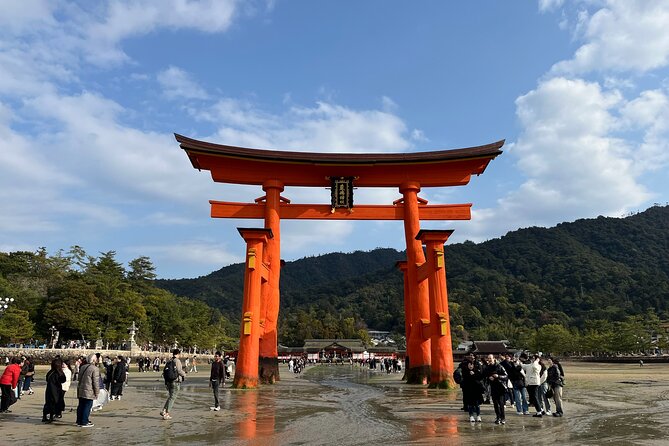
Next is Itsukushima Shrine itself (about one hour, admission noted as not included). This is famous worldwide for the large torii gate positioned on the sea. The shrine complex is deeply tied to Shinto religion and island identity, and the guide’s story here helps you connect what you’re seeing with why it looks the way it does.
Then comes the signature follow-up: Itsukushima Shrine Torii. This part explicitly depends on tide. If it’s low tide, you can walk to the torii. If it’s high tide, you’ll admire it from the shore instead.
This is one of those details that actually affects your experience a lot. If you’re hoping for the classic close torii views, tide timing matters. Wear shoes that work on uneven surfaces and be ready for wet spots if low tide is in your favor.
Also, keep your expectations realistic. Even when you can walk out toward the torii area, you’re still on a schedule, and it’s not about spending an unlimited amount of time there. The tour gives you a focused window so you don’t miss it.
Omoto Park and Shika Deer: Nature That Doesn’t Need a Script
Finally, you’ll head to Omoto Park for about one hour. This is presented as the best chance to meet shika deer and interact with them, which gives the day a distinctly different texture than the memorial sites.
What I appreciate about including this specifically is balance. Hiroshima is about history and consequences. Miyajima’s deer-and-nature moments pull you toward the present again—calm walking, quiet animal encounters, and the kind of island stillness that’s hard to find in a busy city.
Just be smart around deer. Treat them like wild animals, not entertainment. Slow down, watch your footing, and let them come to you rather than trying to force the moment.
Price and Value: What Your $373.96 Covers and What to Budget
The tour price is listed at $373.96 per person, with booking happening about 103 days in advance on average. It’s also described as a private tour/activity, and it includes group discounts and a mobile ticket.
Here’s the value question you should ask: are you paying mostly for logistics and a guide, or are you paying for tickets too? The “Included” section indicates guide fees, including the guide’s transport, entrance, and lunch fees. The “Not Included” list includes several items you should budget for separately.
From the not-included amounts, you’ll want to plan for:
- Hiroshima Peace Memorial Museum: ¥300 per person
- Itsukushima Shrine: ¥300 per person
- Transports in Hiroshima Prefecture: ¥3,500 per person
- Public transportation: ¥24,000 per person
And the ferry and some other items are also marked as not included.
That means this isn’t just a “pay once and forget it” sightseeing day. It’s more like you’re paying for a structured private guide and coordinated route, while major admissions and transit are handled as separate costs. If you like that kind of clarity, it can be a good deal. If you want a totally fixed price with minimal extras, you’ll need to check what the tour total means for your group.
The best value angle here is time. Hiroshima and Miyajima both have lots of moving parts—timed walking areas, memorial pacing, tide-based torii access, and ferry logistics. A private guide helps you avoid the common waste: arriving at the wrong time, missing the torii timing window, or spending more effort than necessary on transfers.
Who This Tour Fits Best (and Who Should Rethink It)
This is ideal if you:
- Want a one-day Hiroshima + Miyajima combination without building your own route
- Prefer context while you’re looking at solemn sites
- Like the idea of mixing memorial reflection with island nature
- Are traveling as a group and want the flexibility of a private format
You might rethink it if you:
- Want a very slow, emotionally spaced Hiroshima visit (this is compressed into one day)
- Struggle with moderate walking and a tight schedule
- Are traveling with an “I want to linger everywhere” style
Should You Book This Hiroshima and Miyajima Private Guided Tour?
If your priority is seeing the key sites efficiently—with explanations that help you understand what you’re looking at—this tour is an easy yes. The most praised parts from the day’s experience are the amount packed into it, the guide’s strong support, and the feeling that both Hiroshima’s memorial sites and Miyajima’s torii moment are worth the trip. You also get the practical upside of a private group and a smooth storyline from dome to shrine.
My main caution is simple: this is a meaningful day, not a light one. You’ll be confronting WWII consequences at the Peace Memorial Museum area, and then switching gears to Miyajima’s iconic scenery. If you’re emotionally sensitive or you need downtime, be ready to manage your pace.
If you like structured days, comfortable shoes, and a guide-led route that gets tide-timed and ticketed pieces right, book it. If you want maximum calm and no schedule pressure, consider a longer stay instead.
FAQ
How long is the Hiroshima and Miyajima private guided tour?
It’s listed at about 9 hours.
What time does the tour start and where do I meet?
The start time is 8:00am, and the meeting point is Hiroshima Station (1-2-37 Matsubarachō, Minami Ward, Hiroshima).
What stops are included in the day?
You’ll visit the Atomic Bomb Dome, Hiroshima Peace Memorial Park, the Hiroshima Peace Memorial Museum, and then head to Miyajima for the ferry, Omotesando Shopping Street, Itsukushima Shrine, the torii viewing area, and Omoto Park.
Is the Hiroshima Peace Memorial Museum ticket included?
No. Museum admission is listed as not included at ¥300 per person.
Is Itsukushima Shrine admission included?
No. Shrine admission is listed as not included at ¥300 per person.
How does the torii experience work on Miyajima?
It depends on the tide. If it’s low tide, you can walk to the torii. If it’s high tide, you’ll admire it from the shore.
Are there extra costs besides the tour price?
Yes. Not included items list museum admission (¥300), shrine admission (¥300), ferry-related costs (not included), transports in Hiroshima Prefecture (¥3,500), and public transportation (¥24,000) per person.
Is this a private tour?
Yes. Only your group participates.
Is free cancellation available?
Yes. You can cancel up to 24 hours in advance for a full refund.