REVIEW · OSAKA
Nostalgic Osaka walk, totally different from Dotonbori
Book on Viator →Operated by Four Leaves · Bookable on Viator
Old Osaka is quieter than you expect. This 2-hour small-group walk in central Osaka sends you into Karahori, where you’ll see everyday neighborhood life, not just neon-and-crowds energy. I like that you get clear local guidance from Chieko-san, plus free-access stops that explain what you’re looking at as you go.
Two things I really appreciate: the route focuses on real neighborhood shopping (tatami, bonito, chocolate, old-house stores), and the small details make sense fast, especially around the old street layout. One thing to consider is that you do walk a fair bit, sometimes with gentle ups and downs, and you need to be respectful in residential lanes where people actually live.
In This Review
- Key highlights to know before you go
- Karahori Beats Dotonbori: A Quieter Side of Osaka
- Meet Chieko-san: Why a Local Guide Changes Everything
- Your 2-Hour Route: Stop by Stop Through Nostalgic Karahori
- Stop 1: Inoue Seijosho and the feel of tatami craft
- Stop 2: Karahori Shopping Street and old machiya houses
- Stop 3: A side-street cafe in an older house
- Stop 4: Maruyo-shoten, established in 1765
- Stop 5: Ek Chuah Karahori Kura Main Shop for chocolate
- Stop 6: Len – Karahori Residence, a renovated house-shop complex
- Final stop: a quiet alley café plus Osaka Castle’s moat wall detail
- What Makes These Stops Work for Your Osaka Trip
- Walking Rules in Karahori: Hills, Lanes, and Resident Etiquette
- Price and Value: What $36 Buys in a Real Neighborhood
- Best Fit: Who Will Enjoy This Nostalgic Osaka Walk
- Pair It Smart: How to Combine This With the Rest of Osaka
- Should You Book This Nostalgic Osaka Walk?
- FAQ
- How long is the tour?
- Is there a morning and afternoon option?
- How big is the group?
- What’s included in the price?
- What’s not included?
- Are any of the stops charged for entry?
- Where does the tour start?
- Is the tour weather-dependent?
- What if I’m late?
- Is there free cancellation?
Key highlights to know before you go
- Small group (max 6) means easier questions and a calmer pace
- Choose morning or afternoon so you can match it to your Osaka rhythm
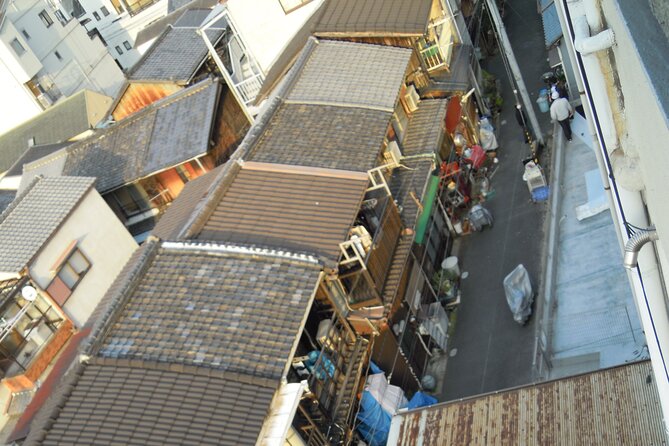
- Karahori’s machiya lanes show how the neighborhood used to be structured
- Practical local stops include tatami-making, a longtime bonito shop, and Karahori chocolate
- A preserved moat wall detail connects the walk to Osaka Castle’s older footprint
- Community etiquette matters: you’ll be guided on where not to linger or disturb residents
Karahori Beats Dotonbori: A Quieter Side of Osaka
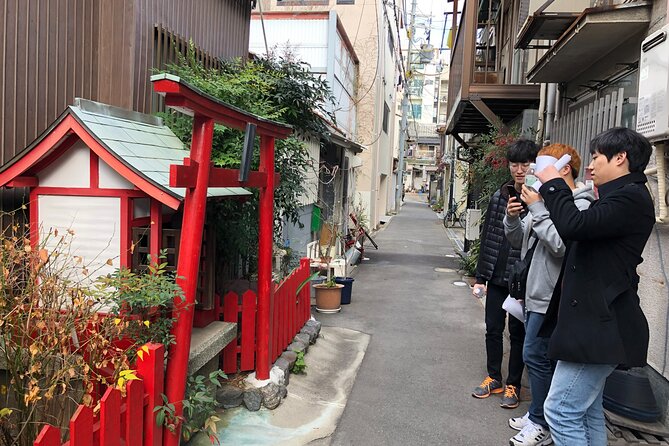
Dotonbori is fun, but it can also feel like you’re watching Osaka through a screen. This walk shifts you into a different Osaka mood: narrower streets, older homes, and the kind of everyday shopping that’s mostly for locals. Instead of trying to chart the city yourself, you follow a plan built around one neighborhood, so you don’t waste time figuring out what’s worth your steps.
Karahori also works well if you’ve already done the big sights. You get variety without running across town. And since you’re walking within reach of the city center, you can treat this as a morning reset or a slower afternoon between busier plans.
The biggest payoff is tone. You’ll notice how Osaka changes block by block, and this route is designed to help you feel that difference. If you want a side of Osaka that feels lived-in, this is the angle.
You can also read our reviews of more walking tours in Osaka


Meet Chieko-san: Why a Local Guide Changes Everything
The guide for this experience is Chieko-san, and the difference shows in the way the walk flows. She explains what you’re seeing as you move, including small clues in the terrain and street layout. In a place like Karahori, that matters because the important details aren’t always obvious from street level.
This is also a small-group tour, capped at six people. That keeps the pace human and lets you ask questions about daily life in Osaka, not just facts from signs. Some folks even get more conversation because the guide can tailor parts of the walk to what interests you, like pets and everyday culture.
A practical plus: you’re not just handed directions. You’re escorted through a network of lanes and shops, and you’re told what to look for and how to interact with the places you visit. That helps you shop with confidence, especially if your Japanese is limited.
Your 2-Hour Route: Stop by Stop Through Nostalgic Karahori
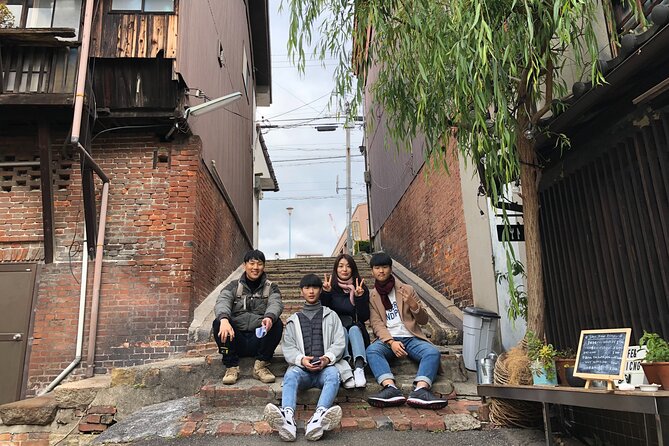
This tour runs about two hours, and you’ll cover several short stops designed to keep things interesting without turning it into a marathon. Most entries are free, and the goal is to move from one “maker or local shop” to the next so you see variety in a compact time window.
Stop 1: Inoue Seijosho and the feel of tatami craft
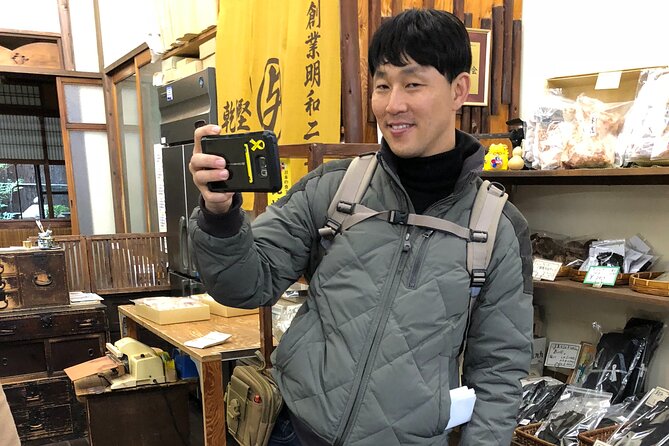
You start at Inoue Seijosho, where you can learn how tatami mats are made. You’ll see the materials and how the process works, including a machine used in tatami-making. It’s a quick visit, around ten minutes, but it sets a theme for the day: traditional materials that still matter in modern homes.
If you’ve only seen tatami as a concept, this gives you texture and context. You’ll know what’s behind the surface, and that makes later shopping choices more meaningful.
Stop 2: Karahori Shopping Street and old machiya houses
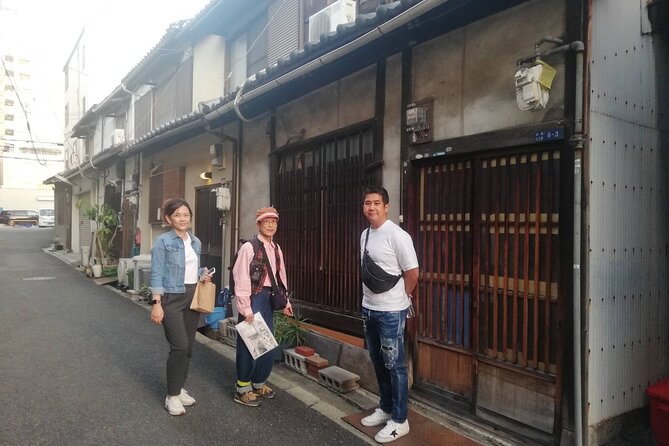
Next is Karahori Shopping Street, described as a place for daily, local shopping—and it’s also a historic area. You’ll walk through a neighborhood with machiya (traditional townhouses) that can be more than 100 years old. The route is intentionally paced so you can actually look at the buildings, not just pass them.
One key benefit here: you’ll see how the neighborhood works in real life—where people buy essentials and where the streets connect. That’s hard to replicate on your own because you need both the map and the “what to notice” list.




Stop 3: A side-street cafe in an older house
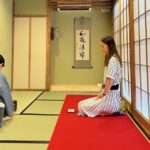
Then you’ll stop at Kouderi Cafe, a small café in a renovated old house. The point isn’t just coffee—it’s the transformation of older spaces into places people use now. You also get a chance to shop for items that feel more personal than airport souvenirs.
This stop is short, around 15 minutes. It’s built to give you a breather without breaking the tour’s momentum.
Stop 4: Maruyo-shoten, established in 1765
Maruyo-shoten is a bonito shop with roots dating back to 1765, meaning it’s been making or selling bonito for generations. This is where you learn what’s authentic in the bonito world, not just how to buy packaged products.
It’s only about five minutes, but it’s a strong stop if you love food gifts. You’ll come away knowing why this shop matters, which helps you choose with more confidence back home.
Stop 5: Ek Chuah Karahori Kura Main Shop for chocolate
Next comes chocolatier Ek Chuah, in the Karahori Kura main shop. The focus here is taste and craft, and it’s positioned as a standout chocolate stop in the Karahori area. This is another quick visit, about five minutes, and it’s great if you want a gift that feels tied to a specific neighborhood.
Compared to big chain stores, you’re more likely to find items that match the personality of the place you’re walking through.
Stop 6: Len – Karahori Residence, a renovated house-shop complex
At Len – Karahori Residence, you’ll see a traditional residence transformed into a refurbished commercial complex. Think of it as older architecture meeting modern retail in a way that still keeps the neighborhood’s character. This stop lasts about ten minutes, and it’s a good chance to pick up something that feels like you hunted it out, not just grabbed it.
Final stop: a quiet alley café plus Osaka Castle’s moat wall detail
The last part is special for people who like those visual “wait, that’s real” moments. You’ll find a small café in an alley, and right beside it you can see an Osaka Castle original moat wall that has remained since the 15th century. That’s the kind of clue you could walk past on your own, even if you’re trying.
This is also where the tour’s theme clicks: Karahori isn’t random. The old city footprint still shows up if you know how to look.
What Makes These Stops Work for Your Osaka Trip
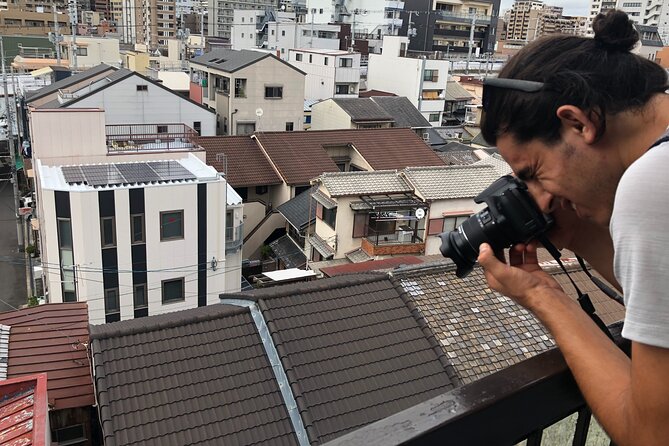
The stops aren’t picked just to check boxes. They’re grouped around everyday Japanese crafts and neighborhood commerce, so you get a sense of how people live, not just how they perform for tourists.
Here’s what I’d watch for while you’re there:
- Look for items you can’t easily recreate at home. Tatami materials, traditional-craft explanations, and food gifts from established shops are harder to fake.
- Treat the small souvenir shops like a mini shopping scavenger hunt. You’ll usually find more distinctive options than generic airport racks.
- Use the guide time to ask what’s practical: what people actually buy, how to choose, and what makes each place worth visiting.
A lot of people come to Osaka for food and photos, and that’s fair. This tour adds something else: it helps you understand why certain products and storefronts survived, and why that matters to local identity.
Walking Rules in Karahori: Hills, Lanes, and Resident Etiquette
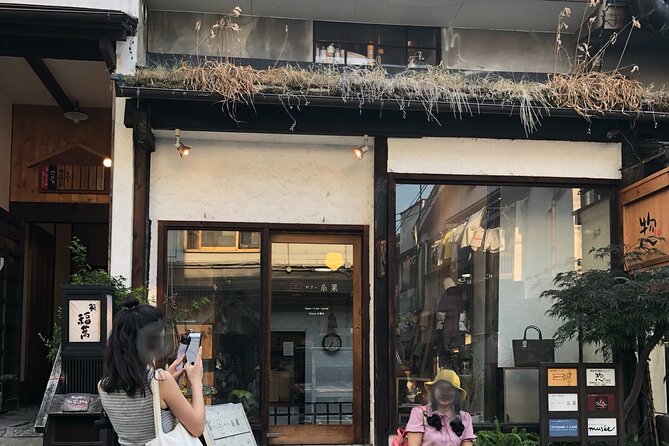
You’ll spend your time on foot through narrow streets and alleyways. The route includes some walking with slight uphill or downhill sections, so wear shoes you trust. This is not a sit-and-sip tour.
There’s also an important etiquette note: during the “hidden path” walking segments, you need to not disturb the residents. The area includes older homeowners, and the tour’s guidance is clear that grandparents still live there. That means keep voices down, don’t block walkways, and follow the guide’s pace.
Timing matters too. If you arrive late by more than 15 minutes, you can’t join, out of respect for the rest of the group. It’s a small tour, so the schedule is tight.
On the practical side, bottled water is included, and you’re near public transportation. The tour uses a mobile ticket, which is convenient when you’re bouncing between trains.
And yes, weather affects the plan. If conditions are poor, the tour may be canceled and you’ll be offered a new date or a refund. That’s smart for a walking-focused experience.
Price and Value: What $36 Buys in a Real Neighborhood
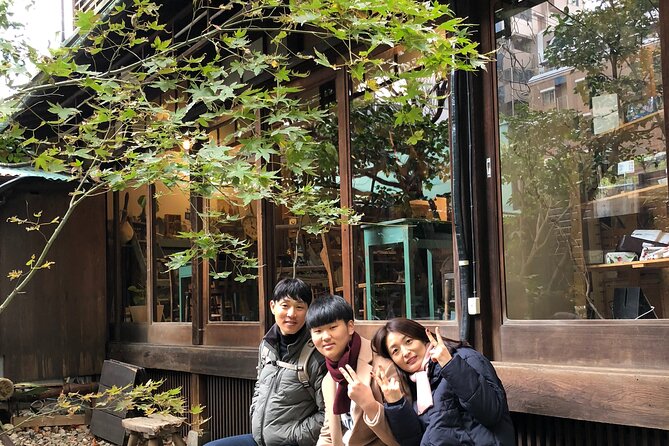
At $36.13 per person for about two hours, this isn’t a budget tour, but it’s also not just you paying for a walk. You’re paying for navigation, local context, and a structured route that leads you to shops you might never find alone.
The value equation looks like this:
- Small group size keeps it personal.
- Multiple short stops are free entry, which reduces the cost compared to tours where you pay admission again and again.
- Bottled water is included, which is a small cost saver when you’re walking.
- The guide handles the “where to go next” so you’re not paying the hidden expense of time and confusion.
What’s not included is also clear. You’ll need to cover meals if you want them, and you’ll pay for coffee or tea if you choose to buy. I’d plan to treat this as a snack-and-shopping walk, or schedule it before a meal you already have in mind.
One more value point: since this tour is booked about 24 days in advance on average, it can sell out around popular windows. If your dates are fixed, don’t wait until the last second.
Best Fit: Who Will Enjoy This Nostalgic Osaka Walk
This tour is a great match if you:
- Want Osaka beyond the Dotonbori scene and lights
- Enjoy neighborhood streets, older homes, and the “how did they build this” feeling
- Like food and craft shopping for gifts
- Prefer calm group dynamics (max six) over big-bus crowds
- Can handle a moderate walk with a few slopes
It’s also a good choice if you want conversation. Chieko-san’s style includes explaining local life and answering questions about culture and daily routines. If you’re studying Japanese, you can even practice in the natural rhythm of the walk.
If you’re chasing only skyline views or photo ops, you may find this less your style. But if you want to understand how Osaka lives at street level, you’ll likely feel more satisfied.
Pair It Smart: How to Combine This With the Rest of Osaka
A simple strategy: use this walk as your “real Osaka” anchor, then do the louder sights afterward. Karahori gives you a slower pace and a different kind of sightseeing energy. Dotonbori can still be your evening plan, but you’ll enjoy it more after you’ve seen the older neighborhood side first.
You can also use this tour to shape your shopping list. If you learn what makes tatami and bonito special, you’ll shop with better taste. If you find chocolate that’s tied to the Karahori area, you’ll stop buying random branded items just because they’re available.
The key is to give yourself time to enjoy what you buy. This tour is short, so don’t schedule a long commute right after if you plan to browse and snack.
Should You Book This Nostalgic Osaka Walk?
I think you should book this if you want a small-group walk that teaches you how a specific Osaka neighborhood works. The route is built around real everyday places—tatami craft, longtime bonito trading, local chocolate, renovated-house shopping—and it ends with a tangible connection to Osaka Castle’s old moat wall.
Skip it if you need step-free movement all day or you hate walking. Also skip it if you only care about big, famous sights and don’t want to focus on lanes, shops, and quiet local rhythm.
If you’re on your first trip, or your second trip that still wants something different, this is one of the better ways to see Osaka beyond the obvious.
FAQ
How long is the tour?
The tour lasts about 2 hours.
Is there a morning and afternoon option?
Yes. You can choose either a morning or afternoon tour to fit your schedule.
How big is the group?
The tour has a maximum of 6 travelers.
What’s included in the price?
Bottled water is included.
What’s not included?
Meals are not included. Coffee and/or tea are also not included.
Are any of the stops charged for entry?
Admission tickets for the listed stops are noted as free in the tour details.
Where does the tour start?
It starts at 6-chōme-2-24 Tanimachi, Chuo Ward, Osaka 542-0012, Japan and ends back at the meeting point.
Is the tour weather-dependent?
Yes. It requires good weather, and if it’s canceled due to poor weather, you’ll be offered a different date or a full refund.
What if I’m late?
If you’re late by more than 15 minutes, you can’t join the trip.
Is there free cancellation?
Yes. You can cancel up to 24 hours in advance for a full refund.