REVIEW · OSAKA
Osaka: A Private Guided Walking Tour of 5 Must-See Sights
Book on GetYourGuide →Operated by DeepExperience, Inc. · Bookable on GetYourGuide
Osaka in one long, guided walk makes sense. It mixes big landmarks with everyday street life, and you get a guide who can shape the day around what you actually want to see, starting right at Toki no Hiroba.
I especially like how the route pairs Osaka Castle with the city’s neon side, so you feel Osaka’s story and its modern energy in the same day.
Next comes the food and people-watching payoff: Kuromon Ichiba Market is the kind of place where a guide helps you pick what to try without wasting time. You’ll get more confidence navigating stalls and deciding what’s worth your money and stomach space.
One consideration: this is a long day with transfers and lots of walking, and it isn’t suitable for mobility impairments or wheelchair users. Comfortable shoes are not optional.
In This Review
- Key points to know before you go
- Starting at Toki no Hiroba: Find the Golden Clock and your guide
- Osaka Castle: A guided walk through the story people actually remember
- The long-day rhythm: how transfers shape your experience
- Dotonbori: Neon streets, the famous signs, and lunch that’s actually useful
- Kuromon Ichiba Market: seafood-focus, smart tasting, and no wasted wandering
- Shitenno-ji: one of Japan’s oldest temples, with a calmer pace
- Tsutenkaku in Shinsekai: nostalgia in the shadow of a tower
- Price and value: why $154 can make sense for a private day
- Best fit: who this tour suits (and who should rethink it)
- Small practical things you’ll be glad you planned
- Should you book this private Osaka walking tour?
- FAQ
- Where is the meeting point?
- How long is the tour?
- What sights are included?
- Is the Osaka Castle ticket included?
- What language is the guide?
- Are meals included?
- Is this tour suitable for wheelchair users or mobility impairments?
- What should I bring and what’s not allowed?
Key points to know before you go
- Five anchor sights in one day: Osaka Castle, Dotonbori, Kuromon Ichiba, Shitenno-ji, and Tsutenkaku
- Food-market timing that gives you a realistic window for tasting and browsing
- A private guide who can help with pacing and photos, not just facts on a signboard
- Admission to Osaka Castle included, so you can keep the schedule moving
- Mostly on foot with scheduled transfer time between areas
- No meal plan included, so lunch is your call during the provided lunch window
Starting at Toki no Hiroba: Find the Golden Clock and your guide
Your day begins at Toki no Hiroba (Time and Space Plaza), at Osaka Station. Look for the Golden Clock located on the 5th floor outside the ticket counter. If you’re standing there wondering what you’re supposed to do next, relax: your guide will be easy to spot, holding a bright yellow DeepExperience signboard.
This meeting setup matters more than you might think. Osaka Station can feel like a maze, and a clear meeting point reduces that first-day stress. Once you’re matched up with your guide, the pacing stays calm and intentional from there.
You can also read our reviews of more walking tours in Osaka


Osaka Castle: A guided walk through the story people actually remember
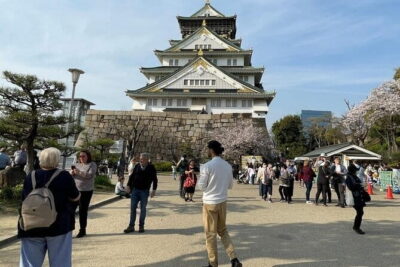
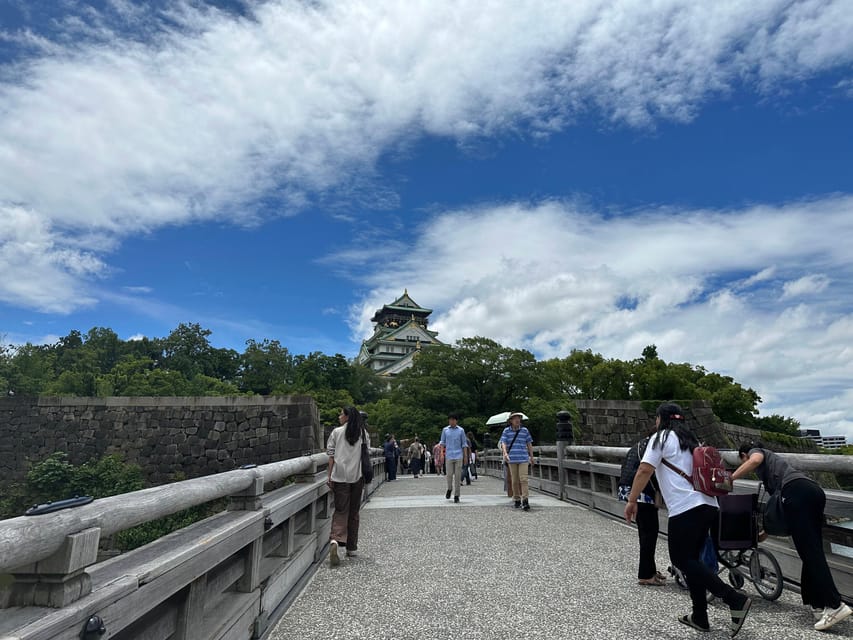
Osaka Castle is one of those places where photos can’t explain what it feels like. The scale hits you fast, and the guide’s job is to translate what you’re looking at into a story you can hold onto after you leave.
The tour includes guided time (75 minutes) plus admission. Having entry handled is a practical win because it protects your time. You’re not burning the day standing in line or guessing which ticket you need.
What you’ll get here is context: why this castle matters, and how it connects to Osaka’s place in Japan. Even if you’re not a history buff, you’ll likely appreciate the way the guide links what’s visible now to the past behind it.
Practical note: castle grounds mean walking. If your feet are already tired from the morning, bring water and keep your pace steady.
The long-day rhythm: how transfers shape your experience
This tour runs 450 minutes (7.5 hours). That sounds long, but it’s planned with scheduled transfer time between neighborhoods. The stops are spread across Osaka, so you’re not just wandering randomly—you’re moving efficiently from one major zone to the next.
Here’s what that means for you:
- You’ll feel a clear “before and after” as the city changes from castle grounds to street-level chaos.
- You’ll get breaks in between the sightseeing blocks, even if they’re short.
- You should plan to keep your energy up for the food stop and the later temple visit.
If you hate rushing, a private day helps. You can ask your guide for micro-adjustments like slower photo stops or a quick sidestep for something you notice along the way.
Dotonbori: Neon streets, the famous signs, and lunch that’s actually useful
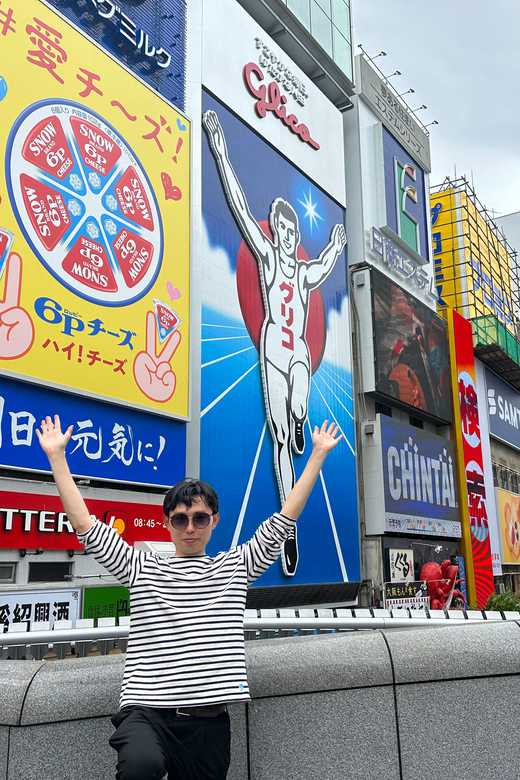
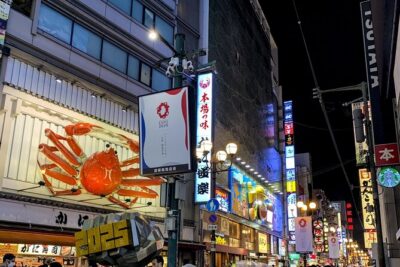
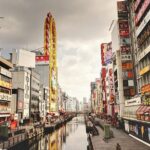
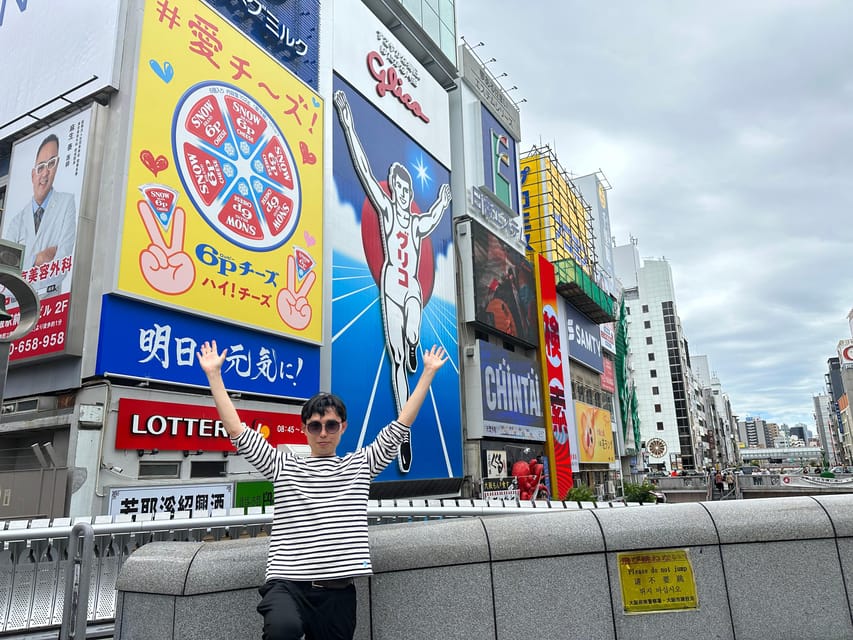
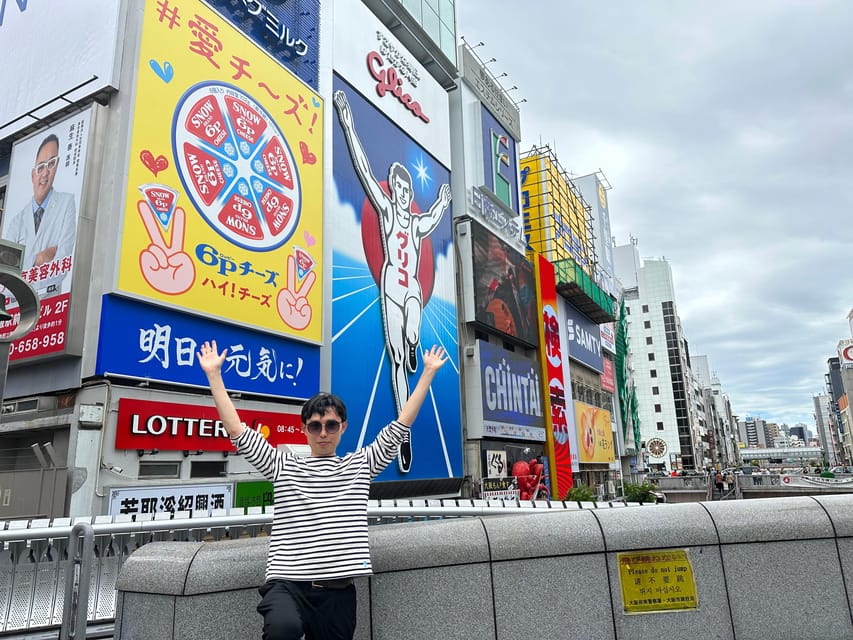
Dotonbori is where Osaka turns the volume up. You’ll spend about 30 minutes sightseeing, with classic sights in view—especially the famous Glico running man sign. It’s the kind of landmark that’s photographed constantly for a reason: it’s instantly recognizable and it anchors the area’s identity.
Then you get a lunch window (about 1 hour). And since meals aren’t included, lunch becomes part strategy, part personal choice. Your guide can point you toward options that match your preferences and timing, whether you want something quick or sit-down.
One thing I really like about this design: it’s not lunch-by-script. You’re given time to eat without turning the whole day into a restaurant schedule. If you’re the type who likes to eat like locals, the guide can steer you toward places you might overlook on your own. In at least some private days, this includes recommendations for sushi in Dotonbori during the lunch hour.
Quick tips for Dotonbori:
- Expect crowds and bright lights. If you’re sensitive to glare, sunglasses help.
- Wear shoes you can walk in for an extended stretch.
- Bring your best “photo patience.” This is a great place for photos, but it’s also a busy street.
Kuromon Ichiba Market: seafood-focus, smart tasting, and no wasted wandering
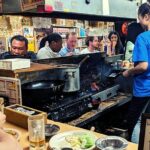
Kuromon Ichiba Market is a food market visit (about 45 minutes), and it’s one of the best places in Osaka to understand the city’s everyday food culture. You’ll see plenty of seafood, plus ready-to-eat items and ingredients sold for quick snacking.
Why this stop is worth a guide: markets can be overwhelming. If you don’t know what you’re looking at, you can end up spending time deciding and money on food that doesn’t match what you wanted. With a guide, you’ll usually spend more time eating and less time guessing.
You also get a practical advantage here—timing. Forty-five minutes is enough to sample and browse, but not enough to get stuck in decision paralysis. Your guide can help you prioritize what fits your appetite and budget.
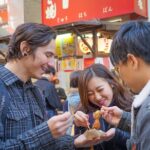
If you’re a couple, this kind of market stop also works because it’s easy to split tastes. You can share bites, compare textures, and still walk away feeling like you ate something real.
You can also read our reviews of more guided tours in Osaka



Shitenno-ji: one of Japan’s oldest temples, with a calmer pace
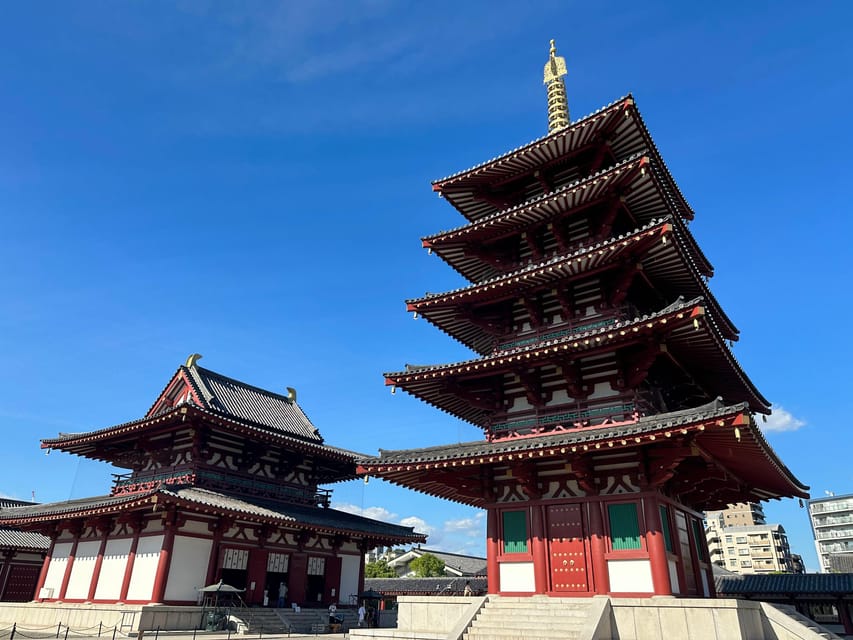
After the neon and eating, Shitenno-ji is a reset. You’ll visit the temple with guided time (about 45 minutes). This is one of Japan’s oldest temple sites, and that age changes the vibe. The place feels less like a photo stop and more like a slow, respectful moment in your day.
The guide’s value here is turning what you see into meaning—so you know what matters and why people still come. When you understand the layout and significance, the temple feels less like a list of buildings and more like a living tradition.
Also, temples are one of the best spots to slow your pace. If you’ve been walking hard since Osaka Castle, this is where you can breathe, observe, and take photos responsibly.
Tsutenkaku in Shinsekai: nostalgia in the shadow of a tower
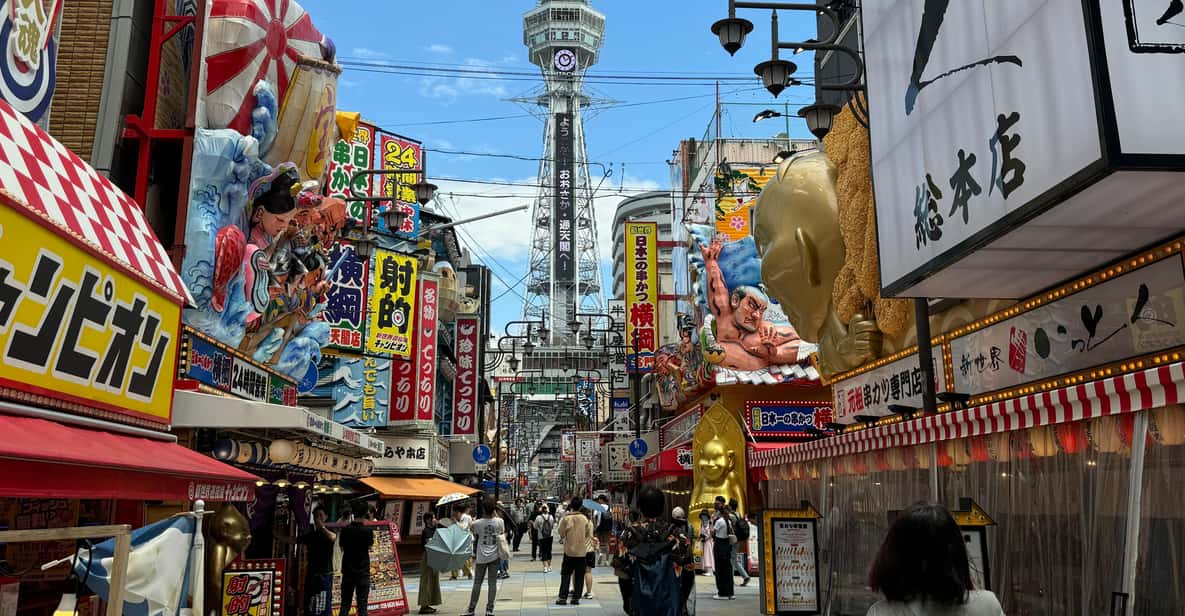
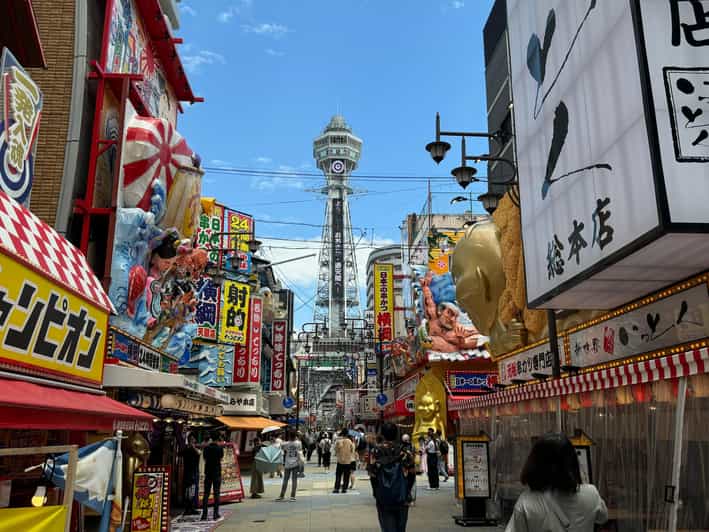
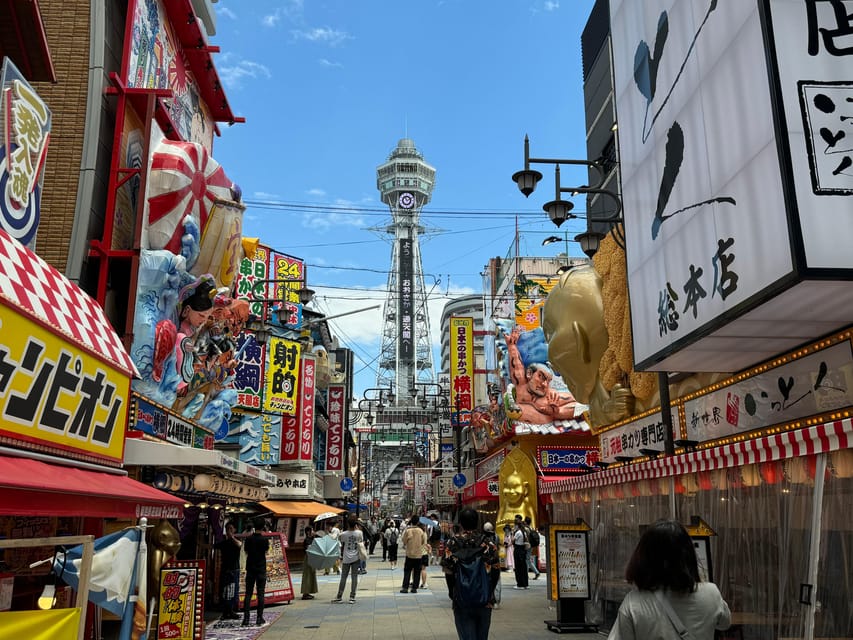
Your final anchor stop is Tsutenkaku, finishing at 通天閣. Tsutenkaku sits in the Shinsekai area, which has a more nostalgic feel than the flashier parts of the city. You’ll get about 45 minutes of sightseeing here.
This section of the tour works well because it rounds out your Osaka picture. After castle + modern street culture + a temple reset, Tsutenkaku gives you that “older Osaka” mood—street life, local atmosphere, and a big tower that makes the neighborhood easy to navigate and photograph.
It’s also a strong place to end because the vibe is casual. You’re not going from one formal site to another. You’ve done the major boxes, and now you can let the neighborhood carry the experience.
Price and value: why $154 can make sense for a private day
At $154 per person, the value comes from three practical things:
First, it’s private. Even when the day is well planned, Osaka is big and neighborhoods are spread out. A private guide helps you cover multiple zones without wasting time trying to figure it out.
Second, Osaka Castle admission is included. That alone cuts friction. It’s one less ticket decision and one less time sink.
Third, the tour includes five major stops with guided time at key locations, not just walking alongside you with no structure. You’re getting both landmarks and the “how to read the city” part that turns random sightseeing into an actual day.
What’s not included is also clear: meals and beverages are on your own. That’s common for this type of itinerary. The good news is you get a lunch window where you can choose what fits your taste and budget instead of being locked into one meal.
If you’re traveling with someone who wants to move at a similar pace, private tours often feel like the best cost-to-time trade. If you’re a solo traveler who hates crowds but loves food and photos, this one can also be a smart pick.
Best fit: who this tour suits (and who should rethink it)
This tour fits you if you want:
- A full-day Osaka sampler with multiple anchor sights
- A guide who helps you manage pacing and photo moments
- Clear structure, including guided time at Osaka Castle and Shitenno-ji
- Food-market exposure at Kuromon Ichiba without turning the day into aimless wandering
It’s less ideal if:
- You have mobility limitations or need wheelchair access
- You want a very short outing (this is a full day)
- You dislike walking in any weather, since you’ll be outside most of the time
Small practical things you’ll be glad you planned
Bring comfortable shoes. Seriously. The itinerary includes multiple walking blocks and transfer time won’t erase the fact that you’re on your feet.
Bring a water bottle and consider sunscreen. The tour notes that weather can vary, and you’ll be outdoors enough that hydration matters.
If you care about photos, you’re in the right kind of tour. Many guides are happy to help with shared shots and quick angles, especially in photo-heavy areas like Dotonbori and Tsutenkaku. Just remember that photography restrictions may apply at certain locations.
And don’t smoke. That’s not allowed on the tour.
Should you book this private Osaka walking tour?
Book it if you want a guided day that connects the dots between Osaka Castle, street-level energy, a major food market, an old temple, and Tsutenkaku. The private format and guided segments at the key sites make the day feel intentional, not chaotic.
Skip or reconsider if you want zero walking, need wheelchair-friendly routing, or you’re hoping meals are fully included. This is a great choice for people who like structure and enjoy eating, photos, and neighborhood atmosphere.
If you’re flexible on food choices and comfortable with a long day, this tour is a strong way to see a lot of Osaka without spending hours charting logistics yourself.
FAQ
Where is the meeting point?
Meet your guide at Toki no Hiroba (Time and Space Plaza). You’ll find the Golden Clock on the 5th floor outside the JR Osaka Station ticket counter. Your guide will hold a bright yellow DeepExperience signboard.
How long is the tour?
The tour lasts 450 minutes (about 7.5 hours).
What sights are included?
You’ll visit Osaka Castle, Dotonbori, Kuromon Ichiba Market, Shitenno-ji, and Tsutenkaku.
Is the Osaka Castle ticket included?
Yes. Admission to Osaka Castle is included.
What language is the guide?
The live guide is available in English and Japanese.
Are meals included?
No. Meals and beverages are not included, though there is a lunch time built into the schedule.
Is this tour suitable for wheelchair users or mobility impairments?
No. It’s listed as not suitable for people with mobility impairments or wheelchair users.
What should I bring and what’s not allowed?
Bring comfortable shoes, a camera, sunscreen, and water. Smoking is not allowed. Photography is allowed, but restrictions may apply at some locations.