REVIEW · OSAKA
From Osaka: Nara Private Tour with Meet-Up at Your Hotel
Book on GetYourGuide →Bookable on GetYourGuide
Nara beats Osaka for calm, fast. This private day trip takes you to Japan’s first permanent capital, then layers in major temple stops, including Kōfuku-ji and Todai-ji, plus the fun (and slightly chaotic) deer in Nara Park. I really like that you get a private, English-speaking guide who handles the flow of the day, and you’re not stuck sorting trains, entrances, and timing alone. One thing to plan for: the day includes lots of walking and crowds around the park, and lunch is a stop only, not included in the price.
The structure is simple: meet your guide at your Osaka hotel, ride out to Nara, visit the highlights, then return to Osaka. You’ll get guided time at Higashimuki Shopping Street, Kōfuku-ji, Nara Park deer area, Himuro Shrine, Todai-ji, and the Yoshikien Garden, with an hour set aside for lunch at a local place. If you want a smoother temple day with less stress and better navigation, this is a smart way to do it.
In This Review
- Key things I’d bookmark before you go
- From Osaka to Japan’s first permanent capital
- Hotel meet-up and the easy ride setup
- Higashimuki Shopping Street: a quick taste of local rhythm
- Kōfuku-ji: UNESCO temples and a pagoda you can’t miss
- Nara Park deer feeding without the worst of it
- Todai-ji: Great Buddha scale in about one hour
- Himuro Shrine: a quieter, more grounded break
- Yoshikien Garden: finish with a calmer pace
- Lunch at a local restaurant: plan around what’s included
- Price and value: what $140 really buys you
- Why Masa (the guide) is the difference-maker
- Who this Nara private tour fits best
- When you might want a different style of trip
- Should you book this Osaka-to-Nara private tour?
- FAQ
- How long is the Nara private tour from Osaka?
- Where does the tour pick up?
- What sites are included in the guided visit?
- Are entrance fees included?
- Are meals included?
- What language is the guide?
- Is transportation included in the price?
- What’s the cancellation policy?
Key things I’d bookmark before you go
- Hotel meet-up and return means you start and end with less hassle than self-guided.
- Masa as the guide gets repeat praise for clear explanations and helping you dodge the worst crowd pressure.
- Deer feeding in Nara Park is built in, and the guide helps you stay safe around them.
- UNESCO temples back-to-back gives you real context without burning half a day on logistics.
- Entrance fees included for the listed sites helps the value feel clearer.
- Short guided windows (20 to 30 minutes) keep it moving, so you should bring comfy shoes.
From Osaka to Japan’s first permanent capital
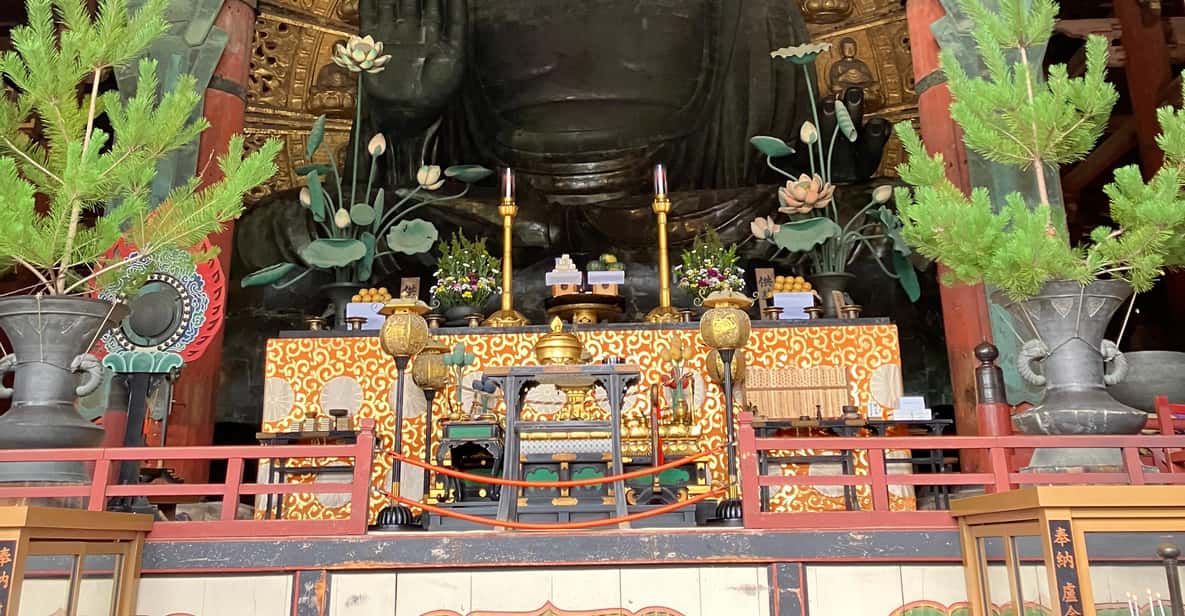
Nara is one of those places that changes your pace the second you arrive. It has a different feel than Osaka—more space to breathe, more old stone and shrine gates, and fewer modern distractions.
This tour is designed to hit the right mix quickly: spiritual landmarks plus the iconic deer park moment. It’s also a good choice if you only have a single day to spare. You get a structured route that keeps you oriented, especially if it’s your first time in the area.
And yes, Nara is famous for the deer. They really do roam around freely, and they can feel bold up close. The good news is the guide’s role matters here: you’re guided on when to pause, where to walk, and how to handle the deer interaction without turning the experience into a stress test.
You can also read our reviews of more private tours in Osaka
Hotel meet-up and the easy ride setup
The day starts with pickup at your hotel in Osaka. That matters more than it sounds. You don’t waste energy figuring out meeting points, train transfers, or which station is the least annoying with a time limit.
From there, the schedule includes a train ride of about 70 minutes to Nara, and another 70 minutes back. So you’re not stuck on a bus for the whole trip, and you’re not doing a super long haul either.
Because it’s private, your guide can adjust the exact timing to where your pickup spot is and how your group is moving. That flexibility is a big part of why people give this experience such high marks—especially families and mixed-age groups who don’t all want the same pace.
Higashimuki Shopping Street: a quick taste of local rhythm
The tour includes Higashimuki Shopping Street with guided time. Think of this stop as your transition zone. You go from train-and-traffic mode to street life mode, where Nara feels more human and less like a checklist.
This is not where you’ll spend all your time, but it’s a helpful early stop. You can get your bearings, notice where the pedestrian flow is headed, and prep your legs for temple stairs and shaded paths later.
If you’re the type who likes small breaks, this stop does that job well. It’s also a convenient moment to grab a quick drink if you’re running low—just remember meals later are handled separately.
Kōfuku-ji: UNESCO temples and a pagoda you can’t miss
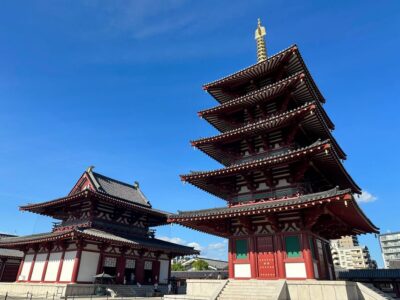
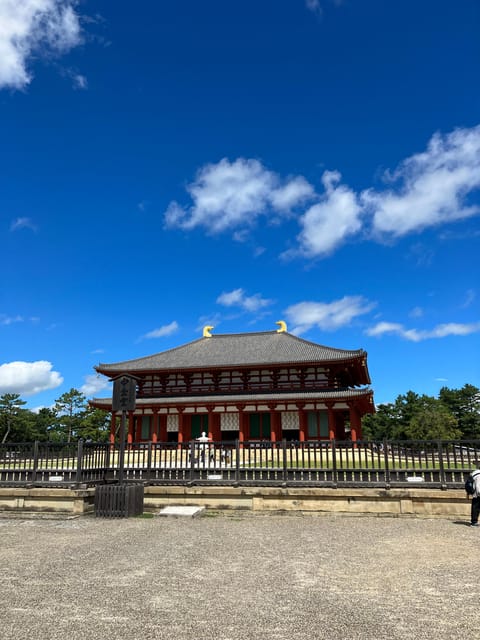
Kōfuku-ji Temple is one of the core reasons this trip works. You get guided time there, focused on the temple grounds and its major visual identity, including the towering pagoda that’s such a strong symbol of Nara’s spiritual heritage.
In about 30 minutes, you won’t see every corner in the way a slow day would. But you will understand what you’re looking at. That’s the key. The guide helps connect the shapes, structures, and layout to the bigger story behind the site.
A practical benefit: this stop is early enough that you’re not yet worn down by long lines or peak deer crowds. If you come in focused, you’ll leave with photos that look intentional, not just accidental.
Nara Park deer feeding without the worst of it
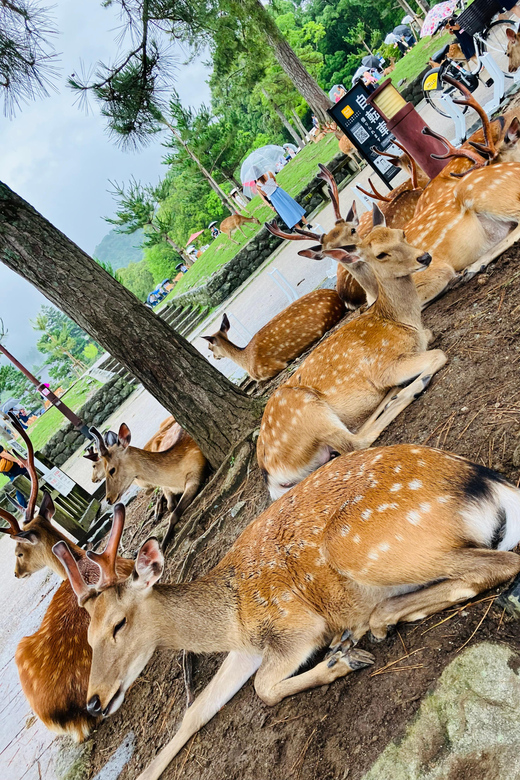
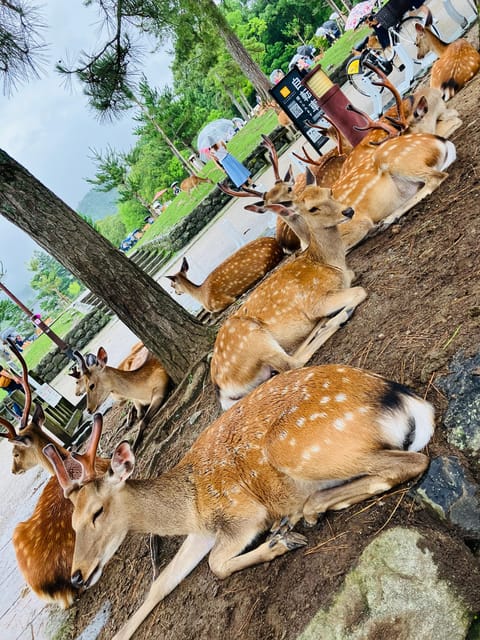
Nara Park is the moment most people picture. The deer roam freely, and feeding them is part of the experience. With this tour, you get guided time in the park and a controlled way to do the deer interaction.
Here’s the big advantage: the guide can help you move through the area so you’re not constantly reacting to sudden deer encounters. Several people noted that Masa actively helped protect them from aggressive deer behavior and guided the group through busier patches.
So what does that mean for you on the ground? You’ll likely:
- pause at the right places for feeding
- keep your group together
- avoid the tightest crowd pockets
Also, bring your common sense. If a deer is too close, you don’t need a wrestling match for the photo. A calm posture and letting the guide reset the group goes a long way.
Todai-ji: Great Buddha scale in about one hour
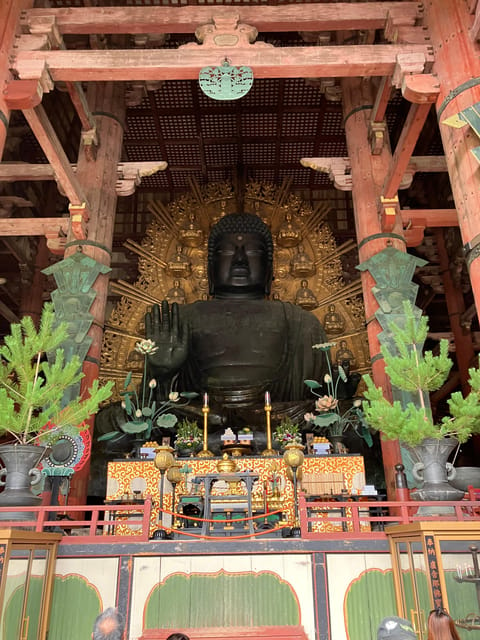
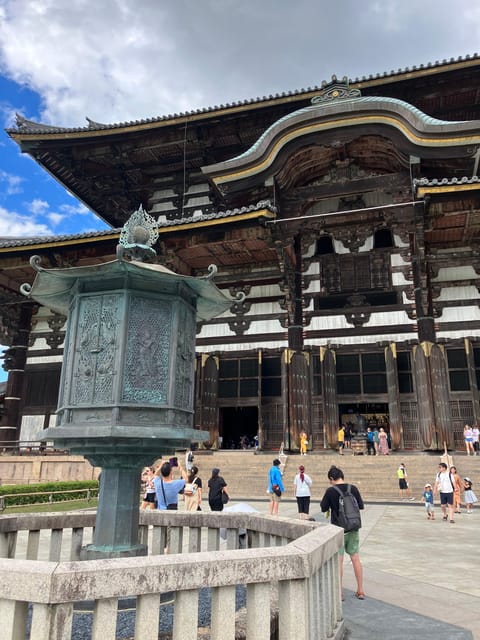
Todai-ji Temple is the big finale you’ll remember. The highlight here is the Great Buddha, described as one of the largest bronze Buddha statues in the world. That scale is the point. It’s not just impressive; it’s the kind of size that makes you feel small in a good way.
You get about an hour for this stop with guided explanation. In that time, you can take in the structure, look up at the space, and still have time to settle into slower observation.
One thing I like about this tour pacing: the guide typically sets up what to notice before you’re standing inside the main spaces. That makes the photos better, and it helps the history stick in your brain instead of sliding away right after you leave.
Himuro Shrine: a quieter, more grounded break
After the big intensity of Todai-ji and the deer park energy, Himuro Shrine feels like a reset. You get about 20 minutes here, guided.
Shrine visits in Nara can be surprisingly grounding. Even when the day is moving fast, a shrine stop gives you a chance to slow down, look at the details, and breathe a little between major temple areas.
It’s also a nice change of pace from the largest crowds. If you’ve had enough pushing for photos, this stop gives you a more breathable section of the day.
Yoshikien Garden: finish with a calmer pace
The tour ends with Yoshikien Garden, with about 20 minutes of guided time. Gardens can sound like a smaller add-on, but they’re a smart finish after temples.
This is where you can let your eyes rest. You also get a different kind of cultural experience that doesn’t depend on temple halls or big group foot traffic. It’s a visual wind-down.
If you tend to feel temple fatigue by mid-day, that garden stop helps you exit feeling satisfied instead of rushed.
Lunch at a local restaurant: plan around what’s included
Lunch is built in as a stop with about one hour of time. The tour includes the schedule for lunch, but meals and beverages are not included in the price.
So treat lunch as your chance to eat well without expecting the tour to cover it. Your guide can usually steer you toward something that fits your day and your tastes, especially for picky eaters or families.
If you’re the type who wants control over your budget, this is simple: you pick your meal and pay for it. If you want the day to feel effortless, the guide’s presence usually makes ordering and navigating the place easier than going on your own.
Price and value: what $140 really buys you
At $140 per person for a 6-hour private experience, the real value comes from what’s included, not just the price tag.
Here’s what you’re getting that reduces friction:
- Hotel meet-up and return with your guide
- Entrance fees to the listed sites
- An English-speaking guide born and raised in Japan
- A private group setup, so you’re not trapped in a large crowd tempo
Transportation fees are not included, and meals are not included. Optional guide gratuity is also separate. But even with those extras, the day often feels cost-effective when you compare it to paying entrance fees yourself and spending the time coordinating trains and timing.
The best part is that this price isn’t only buying sightseeing. It’s buying time saved and stress reduced. People repeatedly praised how Masa helped them avoid the busiest crowd areas, managed the order of stops, and kept the day running smoothly.
If you value a guided day where someone else handles the tricky parts, this kind of private tour can be a bargain.
Why Masa (the guide) is the difference-maker
A lot of day trips are just transportation plus a map. This one is different because the guide’s role shows up in the details.
Multiple people highlighted Masa’s strengths:
- clear explanations that make temple sights easier to understand
- calm, flexible guiding style that doesn’t feel pushy
- help with pacing, including checking in if you want to rest or detour
- good photo support, including getting group shots without chaos
- strong communication in advance, including using WhatsApp
There’s also praise for how he handles real-world Nara problems—especially crowd pressure and deer behavior. One theme came up again and again: Masa knows the right way through busy sections so you can enjoy the sights instead of fighting the flow.
Another practical note from the feedback: some people said entrance logistics felt smooth, with little waiting. While no tour can guarantee zero lines everywhere, that kind of competence matters on a packed day.
Who this Nara private tour fits best
This is a good match if you:
- want a single-day Nara plan without stressing over transit
- enjoy temple and shrine visits, but prefer guidance over guesswork
- travel with teens or mixed ages who need both structure and flexibility
- care about not getting steamrolled by Nara Park crowds and deer closeness
If you like independent exploring with long, unstructured time, you might feel the schedule moves quickly. But if you want the highlights with less mental overhead, the pacing makes sense.
When you might want a different style of trip
This setup may feel limiting if:
- you want hours at just one site instead of a highlight circuit
- you dislike deer interaction enough to skip that moment
- you prefer to roam without a plan and without guided explanations
Also, Nara Park can be crowded. Even with the guide’s help, you’ll still be in a major tourist zone during peak times. If you’re sensitive to crowds, pack your patience and plan to go with the flow.
Should you book this Osaka-to-Nara private tour?
Yes, I’d book it if you want an efficient, guided day that hits Todai-ji, Kōfuku-ji, and Nara Park in one smooth package. The hotel pickup/return is a big convenience win, and the included entrance fees help keep the day feeling straightforward.
It’s especially worth it if you value a guide who can manage the human parts of travel: crowds, timing, photo stops, and the deer factor. Based on the repeated feedback about Masa’s calm approach and practical assistance, this tour is one of those rare ones where the guide meaningfully improves the experience, not just the narration.
If your travel style is ultra-slow and totally self-led, you may prefer a lighter day plan. But if you want a confident Nara visit without wrestling logistics, this is a strong pick.
FAQ
How long is the Nara private tour from Osaka?
The tour lasts about 6 hours.
Where does the tour pick up?
Pickup starts from your location in Osaka, at your hotel.
What sites are included in the guided visit?
You visit Higashimuki Shopping Street, Kōfuku-ji Temple, Nara Park, Himuro Shrine, Todai-ji Temple, and Yoshikien Garden.
Are entrance fees included?
Yes. Entrance fees to all the mentioned sites are included.
Are meals included?
Lunch is included as a scheduled stop, but meals and beverages are not included in the price.
What language is the guide?
The guide provides English and Japanese.
Is transportation included in the price?
Transportation fees are not included, though the tour includes a train ride segment of about 70 minutes in each direction as part of the day’s plan.
What’s the cancellation policy?
You can cancel up to 24 hours in advance for a full refund.