Sky views, a castle, then a river cruise. I love the Floating Garden Observatory for quick orientation over Osaka, and I love how the licensed guide makes Osaka Castle feel meaningful, not just scenic. You’re also not stuck in one neighborhood all day—you get a nice spread of Umeda, the castle area, and the river.
The main trade-off is pace. You’ll do about 6 km of walking using public transit with non-reserved seats, and the river cruise depends on operations and weather. If you hate moving between stops, this may feel like more structure than you want.
In This Review
- Key highlights worth planning for
- A one-day Osaka hits list: sky views, the castle, then Nakanoshima
- Meeting up in Osaka vs Kyoto: where your day actually begins
- Kuchu Teien Observatory at Umeda Sky Building: 170 meters for quick orientation
- Umeda stroll and the lunch break choice that changes your mood
- With lunch option
- Without lunch option
- Osaka Castle: Toyotomi-era power plus museum-style storytelling
- Nakanoshima on the Aqua Liner: river views from the Osaka Castle pier
- If the Aqua Liner can’t run: the Osaka Museum of History backup
- Walking and transit reality check: 6 km, non-reserved seats, and group pace
- Price and value: what $119.54 covers (and what it doesn’t)
- Who should book this tour (and who might skip it)
- Should you book this Osaka 1 Day walking tour with river cruise?
- FAQ
- How long is the Osaka 1 Day walking tour?
- What’s included in the tour price?
- Where do I meet if I’m starting from Kyoto?
- Where do I meet if I’m starting from Osaka?
- How much walking is involved?
- What happens if the Aqua Liner cruise can’t operate?
- Can children join, and is lunch provided?
Key highlights worth planning for
- 170-meter Kuchu Teien Observatory views, including Awaji Island and Mt. Ikoma on clear days
- Osaka Castle with built-in context from Toyotomi Hideyoshi onward, plus museum-style interiors
- Aqua Liner cruise around Nakanoshima from the Osaka Castle pier for river views and photos
- Small group size (up to 25) with a national government-licensed English guide
- Optional lunch at Hotel Hankyu RESPIRE OSAKA with a western set menu (vegetarian by request)
- Weather backup: if the Aqua Liner can’t run, you’ll visit Osaka Museum of History instead
A one-day Osaka hits list: sky views, the castle, then Nakanoshima
This is the kind of day that works for first-time visitors who want Osaka in one package. The route is built around three big “wow” moments: a huge city-view moment high above Umeda, a history-and-artifact moment at Osaka Castle, and then water-level sightseeing on the Aqua Liner.
What makes it feel efficient is the guide’s handholding between stops. You’re not wandering with guesswork. You walk to key points, ride short public-transit links, and spend your time where it matters—panorama first, then culture, then photos from the river.
Still, it’s not an all-day buffet of options. The day is structured, and that can be a drawback if you want long, slow exploring. Think of it as a curated sampler that prioritizes major sights and smooth time management.
You can also read our reviews of more walking tours in Osaka


Meeting up in Osaka vs Kyoto: where your day actually begins
You can start from either Osaka or Kyoto, and the meeting point changes depending on your departure choice.
- If you pick Kyoto, you meet at the JTB Sunrise Tours Desk (B1F) of KYOTO AVANTI.
- If you pick Osaka, you meet at Hotel Hankyu Respire Osaka.
After that, the day flows in a straightforward order: sky views up top, then a lunch or free-time window, then Osaka Castle, and finally the river cruise. Even with that structure, the tour notes that arrival order and timing can shift slightly due to congestion, so build in mental flexibility.
One detail I really like: this uses mobile tickets, so you’re not digging through paper tickets at multiple points. The guide also handles the key transitions so your group stays together, which matters when you’re dealing with trains and platforms.
Kuchu Teien Observatory at Umeda Sky Building: 170 meters for quick orientation
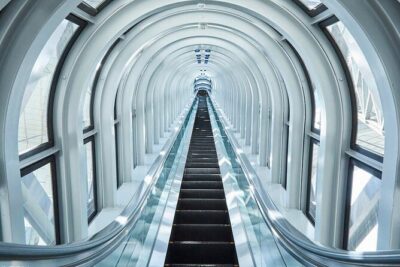
Your day kicks off with views from the Floating Garden Observatory in the Umeda Sky Building. This is about getting your bearings fast. From 170 meters up, Osaka stops feeling like a maze and starts looking like a map: rivers, districts, and the way the city spreads out.
You’ll get time to enjoy the open-air observatory and a sky bridge connecting the building’s two towers. Your guide points out landmarks such as Mt. Ikoma and Awaji Island, which helps a lot if you’re trying to understand where everything sits geographically.
Practical tip: bring your camera, but also budget a few minutes just to stand still. High-floor observatories are great for photos, yet the real value is training your eyes. Once you’ve seen the city from above, the later river and castle area make more sense.
This stop runs about 40 minutes, so it’s enough time to look around without feeling rushed.
Umeda stroll and the lunch break choice that changes your mood
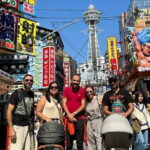
After the observatory, the tour gives you time in the Umeda area (around 30 minutes). Umeda is a big, modern Osaka hub, and the itinerary even mentions ongoing changes like the opening of Umekita Park in 2024. You don’t need to master Umeda today. The goal is simply to stretch your legs and keep the day from feeling like nonstop transit.
Then comes the lunch decision.
With lunch option
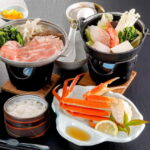
If you choose With Lunch, your group stops at Hotel Hankyu RESPIRE OSAKA for a western-style set menu. Vegetarian meals are available, but you must request them at booking. The tour also notes you can’t change the meal plan on the day, so plan ahead if you have dietary needs.
You can also read our reviews of more boat tours in Osaka

Without lunch option
If you skip lunch, you get free time for lunch around Osaka Station. That’s a big advantage if you want flexibility—Osaka Station is full of quick options—but it also means you’ll be deciding on your own where to eat.
One useful reality check: lunch is part of what you’re paying for. If you’re the type who loves researching food and picking your own spot, the no-lunch choice can feel more natural. If you want a scheduled break and fewer decisions, With Lunch is convenient.
Osaka Castle: Toyotomi-era power plus museum-style storytelling
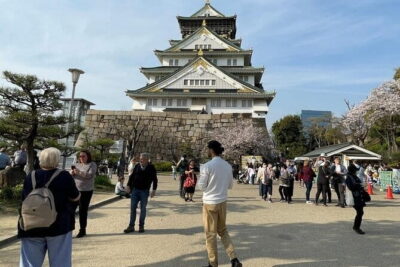
Osaka Castle is the anchor of the day, and you get both time and context. The itinerary explains that construction began in 1583 using enormous stone blocks, and that it’s tied to Toyotomi Hideyoshi, a major figure from the Sengoku period. Even if you only remember one name from history, this is a good one.
You’ll have about 1 hour to explore the castle itself. This isn’t just looking at walls from outside. The interior functions like a museum, with exhibits and relics connected to the original Toyotomi family and the castle’s story.
Then there’s a park break (about 30 minutes) to see older remnants like stone walls and turrets from the Edo period, plus seasonal flora such as cherry blossoms if they’re in season. Even when it’s not cherry blossom season, the park area helps you transition from “inside history” to “outside city views.”
What I like about this stop is that you’re not left alone with facts on signage. A guide can connect why the castle mattered—politically and culturally—so it feels like a place, not a background for photos.
Nakanoshima on the Aqua Liner: river views from the Osaka Castle pier
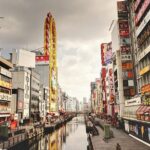
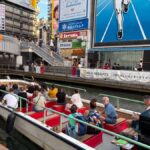
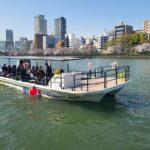
After the castle, you’ll stroll to the boarding site for the Aqua Liner at the Osaka Castle pier. This is the part that turns the day from walking-heavy sightseeing into something more scenic and photo-friendly.
The cruise runs about 50 minutes. You glide along the river for views of Osaka “from the water,” with seasonal scenery depending on time of year. The itinerary also frames it as a cruise around Nakanoshima, so you’re not just chugging along blindly—you’re seeing the river-city core from a different angle.
Photo tip: if you like city photos, this is a good moment for shots that include both skyline and river. If you prefer people-free frames, pick your seat calmly and wait for fewer crowds near the pier moments.
This stop is also where the day becomes more relaxing. You still move, but now you’re seated and letting the city pass by. That balance is a big part of why the day feels like it flows.
If the Aqua Liner can’t run: the Osaka Museum of History backup
Good to know up front: the tour has a built-in plan if the cruise can’t operate due to bad weather or other operational concerns. If the Aqua Liner is out of service, the itinerary switches to Osaka Museum of History.
There’s also a specific note for timing: if the Aqua Liner is unavailable on a Tuesday, and the museum is closed (because it is closed on Tuesdays), the guide issues a refund of JPY 2,000 per adult and JPY 1,000 per child on the tour day.
This kind of fallback matters. Water-based plans can be fragile. The value here is that you’re not left without something meaningful; you pivot to a museum rather than just losing the day’s main feature.
Walking and transit reality check: 6 km, non-reserved seats, and group pace
This is a walking tour and the total walking distance is about 6 km (3.7 miles). That’s not extreme, but it’s enough that you’ll want proper shoes. The tour suggests moderate physical fitness, so if you know you struggle with long standing or frequent stairs, plan accordingly.
Also, the tour uses public transportation with non-reserved seats, meaning seating isn’t guaranteed. This matters more than people think, especially in a big city during busy times. If you get cranky standing on trains, bring patience and a small plan: water, good shoes, and a quick snack idea if you skip lunch.
The itinerary also says the order and arrival times can shift due to congestion. That’s normal in Osaka. The key is that the guide is there to keep the group moving and prevent you from getting separated.
Price and value: what $119.54 covers (and what it doesn’t)
At $119.54 per person, this isn’t the cheapest way to do Osaka sights. But it is priced more like a “guided day of admissions + transport + planning,” not just a walking route.
Here’s what you do get included:
- A national government-licensed English guide interpreter
- Admission fees for key stops
- Transportation costs built into the tour
- Lunch only if you choose With Lunch
And what you don’t get:
- Hotel pickup and drop-off
So the value question is really this: do you want the guide and logistics handled for you? If yes, the price starts to make sense because you’re paying for time saved and coordination, plus entry tickets you’d likely pay anyway.
If you’re the DIY type with strong comfort using trains and maps, you might feel like you could assemble the same major stops yourself. But you’d still be spending time figuring out timing and entry logistics, especially on a day like this where the order matters.
For my money, the best value shows up when you care about context at Osaka Castle and you want the river cruise to land smoothly on the day you’re there.
Who should book this tour (and who might skip it)
This fits best if you:
- Want a guided one-day sampler of Osaka’s biggest sights
- Appreciate history made clear, not just read off a sign
- Like the mix of sky views, castle interiors, and a seated river cruise
- Are okay with about 6 km of walking and using public transit
This may feel less ideal if you:
- Want total freedom and minimal structure
- Dislike walking or hate being on public transportation with non-reserved seating
- Expect a long, major river journey rather than a shorter cruise segment as part of a sightseeing loop
One more point I’d weigh: the tour caps at 25 travelers, which tends to make the day feel more manageable than big coach-style tours.
Should you book this Osaka 1 Day walking tour with river cruise?
I’d book it if you want a high-signal Osaka day. The combo works: sky views for orientation, Osaka Castle for story, then a cruise for a change of pace and great photo angles. The licensed guide factor is especially helpful at Osaka Castle, where context turns the visit from scenery into understanding.
I’d skip it if your style is slow wandering and you hate moving on a schedule. This is still public transit plus walking, and the cruise is weather-dependent.
If you’re a first-timer trying to make your limited time count, this is a solid choice—especially with the lunch option if you prefer fewer decisions during the day.
FAQ
How long is the Osaka 1 Day walking tour?
The tour runs about 9 hours (approx.).
What’s included in the tour price?
It includes a national government-licensed English guide interpreter, admission fees for included sights, and transportation costs. Lunch is included only if you choose the With Lunch option.
Where do I meet if I’m starting from Kyoto?
You meet at the JTB Sunrise Tours Desk (B1F) of KYOTO AVANTI.
Where do I meet if I’m starting from Osaka?
You meet at Hotel Hankyu Respire Osaka.
How much walking is involved?
The tour involves about 6 km (3.7 miles) of walking, and the tour recommends wearing shoes and clothing suitable for walking.
What happens if the Aqua Liner cruise can’t operate?
If the Aqua Liner is out of service due to bad weather or operational concerns, the tour visits the Osaka Museum of History instead.
Can children join, and is lunch provided?
Children up to 5 years old can join free of charge, but they are not provided lunch. If lunch is required for a child, you need to book under the child rate.