REVIEW · OSAKA
Osaka/Kyoto: Amanohashidate & Miyama Tour with Boat & Lunch
Book on GetYourGuide →Operated by VIP Japan Tour · Bookable on GetYourGuide
Seagulls, temples, and sky views in one long day. This day trip strings together three very different slices of northern Kyoto Prefecture: a sacred temple stop, a calm boat cruise across one of Japan’s best-known sandbars, and a mountain village that still feels lived-in.
I love the Amanohashidate sightseeing boat—especially the chance to feed the birds while the sandbar grows bigger. I also love the cable car/chair lift ride up to the observation area, where you get that famous view through your legs.
One thing to plan for: it’s a 9–10 hour outing with plenty of transit, so some stops can feel like quick hits rather than long hangs.
In This Review
- Key highlights I’d circle on your map
- How the morning run feels from Osaka or Kyoto
- Chion-ji Temple: Monju Bosatsu, plus the rotating Kaisen-kyo bridge
- The Amanohashidate ferry terminal and the 12-minute boat cruise
- Kasamatsu Park cable car/ chair lift: get your legs involved
- Lunch in Amanohashidate: local seafood and hot pot energy
- Miyama Kayabuki no Sato: thatched roofs in a living village
- Making peace with a long day: timing and how to manage it
- Price and value: why $71 can make sense
- Who this tour is best for (and who should skip it)
- Should you book the Osaka/Kyoto Amanohashidate & Miyama day tour?
- FAQ
- FAQ
- What’s the total duration of the tour?
- Where can I meet the group?
- What’s included in the price?
- What transportation do we use during the day?
- What language(s) is the guide?
- Is lunch included, and what is it like?
- Can I cancel and get a refund?
- Is there a free spot for infants?
- Will I have free time to wander and shop?
Key highlights I’d circle on your map
- Feeding seagulls on the Amanohashidate cruise while you watch them wheel right alongside the boat
- The rotating Kaisen-kyo bridge at Chion-ji, a rare moving landmark tied to boat traffic
- Open-air lift to the Flying Dragon View—Amanohashidate framed like a dragon soaring into the sky
- Thatched-roof Kayabuki no Sato in Miyama with real, still-inhabited village life
- Lunch included in Amanohashidate, with local seafood and mountain ingredients
How the morning run feels from Osaka or Kyoto
You choose your start point: Kyoto VIP Lounge or VIPヴィラなんば (VIP Villa Namba). From there, you’ll be on an air-conditioned bus for much of the day, with the driver doing the heavy lifting between scattered viewpoints.
This tour is built for people who don’t want to rent a car but still want a full day of variety. That includes travel time, yes. But it also means you can sit back and let a guide connect the dots—why a temple matters, what you’re seeing on the bay, and what makes a village like Miyama unusual.
Expect an English/Chinese-speaking live guide on board. And based on past guide styles, you’ll likely get more than “walk here, stand there.” Some guides are especially good at narration and keeping the mood light during long bus stretches, which makes a big difference when the day runs long.
If you’re trying to make this your one rural escape, this is a solid way to do it—without spending your whole trip on directions, parking, and transfers.
You can also read our reviews of more boat tours in Osaka
Chion-ji Temple: Monju Bosatsu, plus the rotating Kaisen-kyo bridge
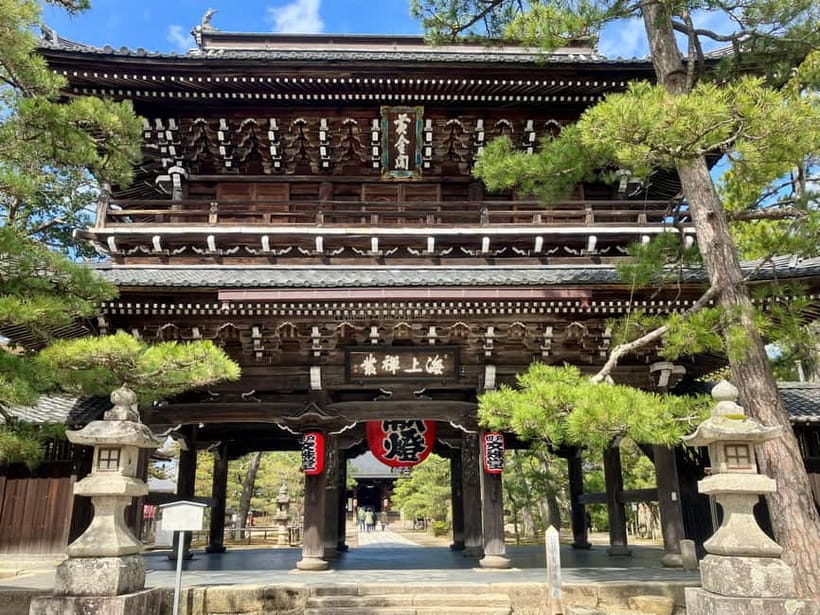
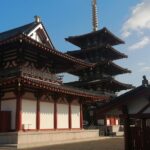
Your first meaningful stop is Chion-ji Temple in Miyazu City, near the southern entrance to Amanohashidate. This isn’t just any temple visit. Chion-ji is dedicated to Monju Bosatsu, known as the Bodhisattva of Wisdom, and it’s considered one of the three major Monju temples in Japan.
What I like here is the combination of calm space and a concrete reason to care about the place. Even if you don’t read Japanese, you’ll feel the intention: people come praying for wisdom—especially students and anyone chasing academic success.
Then there’s the standout detail right in front of the temple: Kaisen-kyo, a rotating bridge. It turns 90 degrees to let boats pass. It’s one of those “you have to see it” moments that makes the coastal geography feel alive, not just scenic.
Plan for about 30 minutes here. It’s enough time for a proper look around—main gate, main hall, and the multi-storied pagoda—without stretching you too thin for the rest of the day.
The Amanohashidate ferry terminal and the 12-minute boat cruise
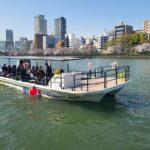
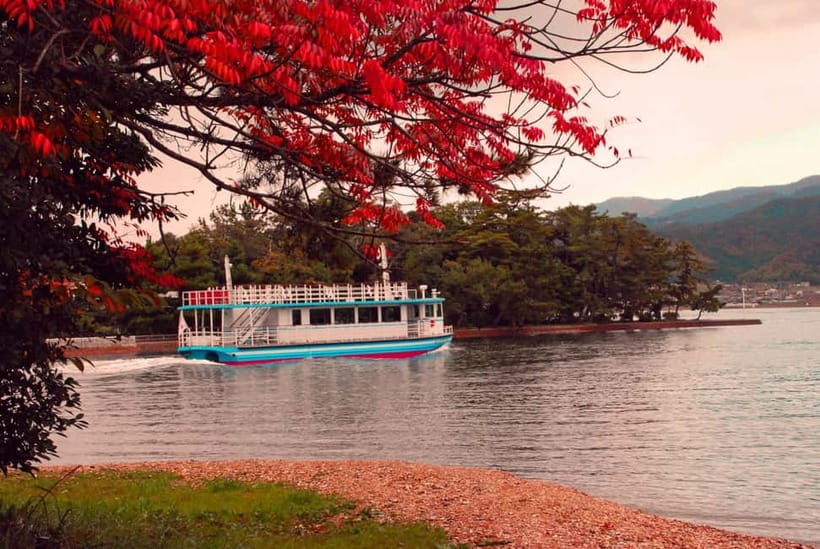
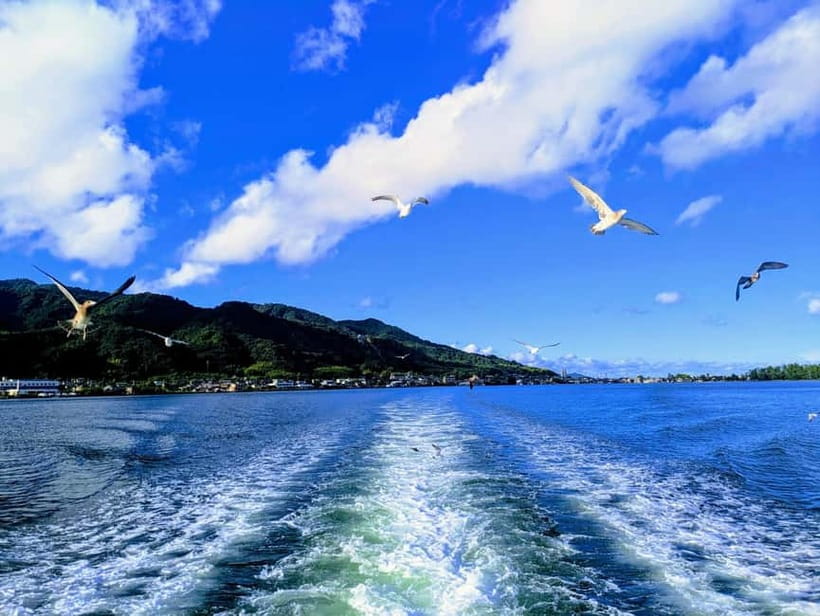
Next you head to the Ichinomiya Amanohashidate Ferry Terminal area for a photo stop and then the boat cruise. The cruise itself is short—about 12 minutes—but it’s timed for maximum impact.
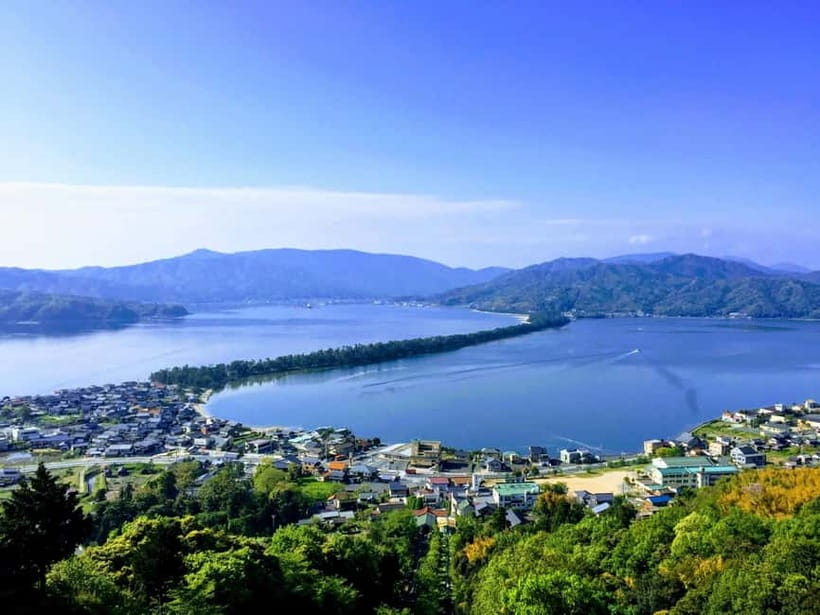
This is one of the main reasons people book: you get a moving vantage point over Amanohashidate’s sandbar. The pine-lined stretch is famous for a reason, and from the water it feels different than looking at it from a shore walkway.
One of the best-kept practical tips: bring a bit of patience for the birds. The tour includes the chance to feed seagulls that fly alongside the boat in search of snacks. It’s fun, a little chaotic, and very photo-friendly—especially if you’re traveling with kids or you just like chaotic wildlife moments that don’t involve long hikes.
If it’s cloudy or drizzly, the boat still works. You lose some contrast, sure, but you gain atmosphere—and the cruise stays a highlight because it’s active, not just stationary sightseeing.
Kasamatsu Park cable car/ chair lift: get your legs involved
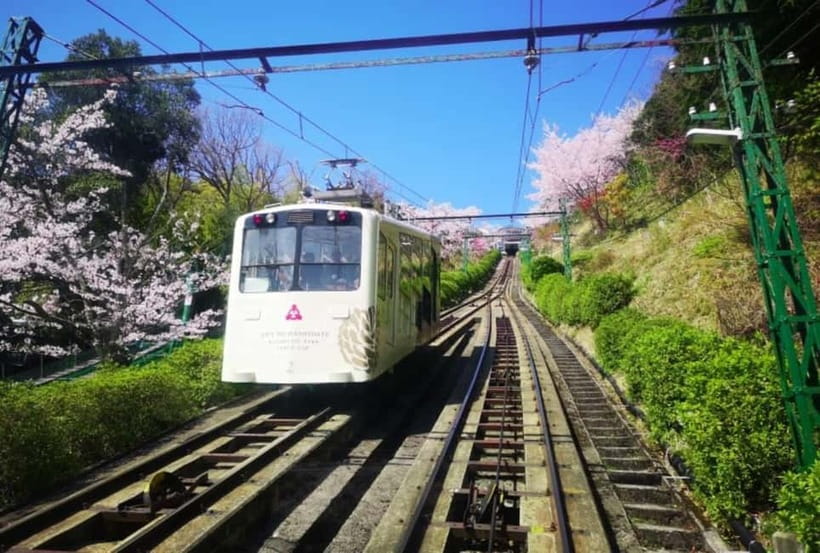
After the ferry terminal, you board the lift at Fuchu Station (Kasamatsu Park cable car and chair lift boarding). You’ll spend about 10 minutes here for the ride and then continue with time at Kasamatsu Park.
Kasamatsu Park is where the day shifts from “look at the sea” to “look from above.” The lift is described as open-air, which matters: you feel the height more than you would in a fully enclosed cabin. And at the top, the big payoff is the observation view known as the Flying Dragon View—Amanohashidate appears like a dragon soaring into the sky.
The phrase you’ll hear connected to this spot is view through your legs. It’s a fun way of describing an angled observation setup where you look down and then out. If you’re the type who likes a clear, dramatic angle for photos, this is your moment.
Then you get about 50 minutes at Kasamatsu Park for a break, photo time, free wandering, shopping, and a self-guided walk. If you want coffee or snacks, this is also the time to do it rather than hoping you’ll find something later.
Lunch in Amanohashidate: local seafood and hot pot energy
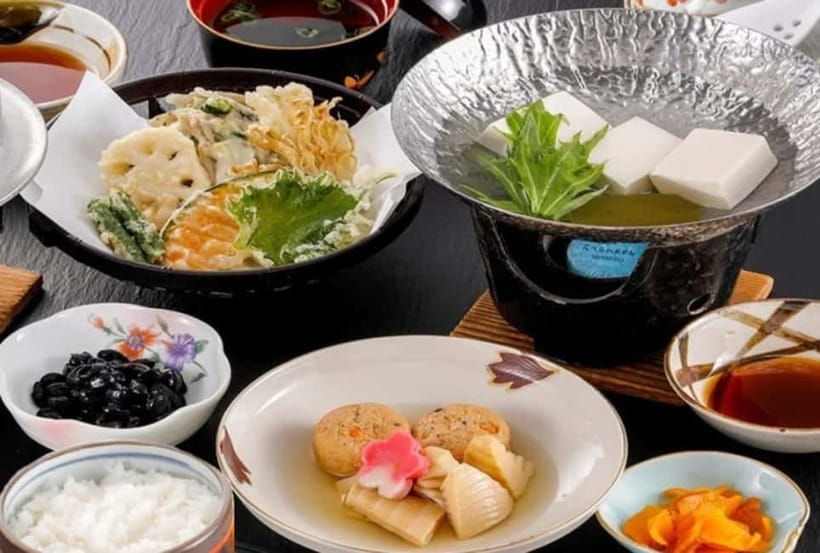
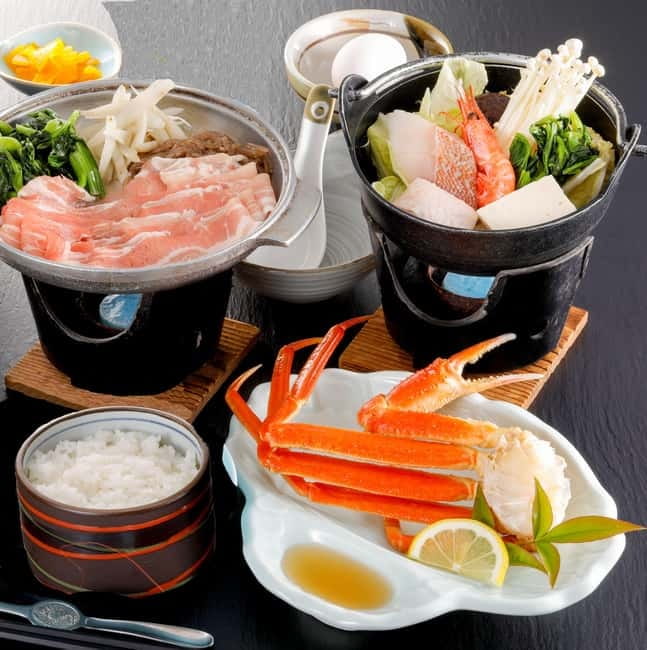
Lunch is included, served as a traditional Amanohashidate set meal. The idea is simple: warm up after the morning views and keep moving without a search mission.
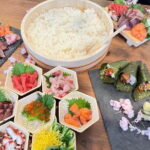
What’s described includes local ingredients and flavors, with dishes like crab, fresh seafood, and a hot pot with vegetables. It’s the kind of meal that satisfies even if you skipped breakfast or you’ve been snacking on sea-air views.
Timing-wise, you’ll have about 45 minutes for lunch. That’s enough to eat without rushing, but not enough to turn lunch into a long sit-down experience. I’d treat this as fuel, not a leisurely dining vacation.
If you have dietary needs, it’s worth asking your guide before you’re seated. One guest noted that Japanese vegetable options were available, and guides on this route often handle requests with care.
Bottom line: the lunch is included, it’s regional, and it doesn’t feel like a random convenience stop.
You can also read our reviews of more tours and experiences in Osaka


Miyama Kayabuki no Sato: thatched roofs in a living village
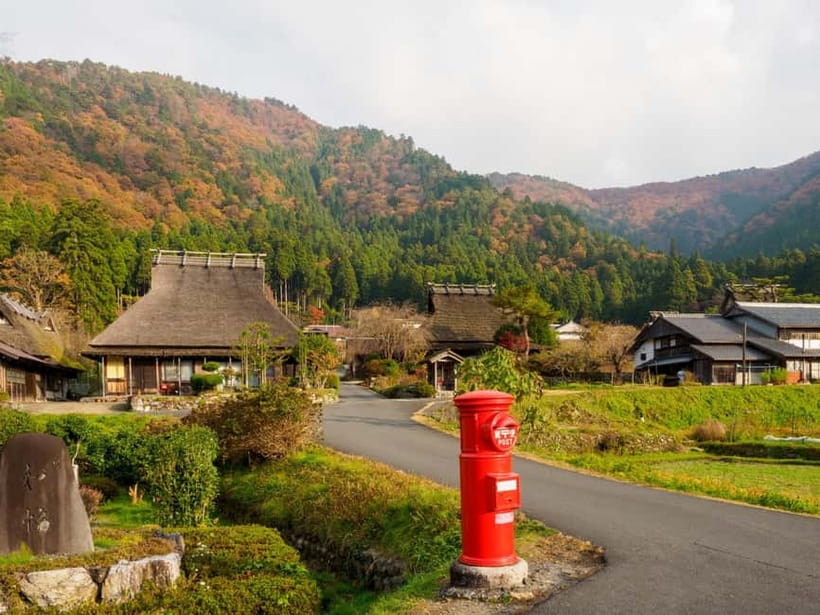
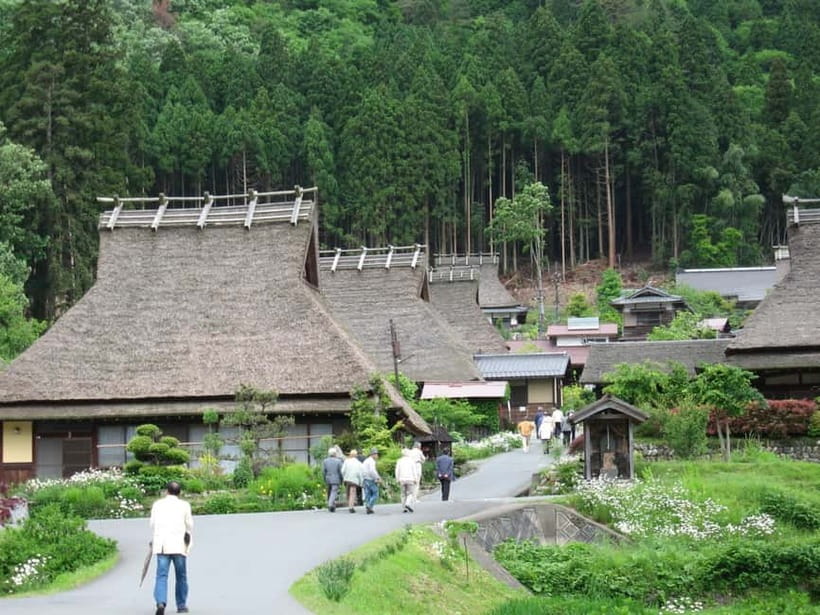
The final major sightseeing stop is Miyama Kayabuki-no-Sato in Miyama Town. Here you’ll see more than scenery: you’re stepping into a traditional village with over 50 thatched-roof houses.
This is important. Some “old village” stops are basically theme parks. This one is described as a rare preserved area where people still live. That changes the feeling. You’re not just looking at architecture; you’re encountering a place with daily life behind the view.
You’ll get about 50 minutes here, including a photo stop, guided bus touring, and then free time/self-guided walking. That balance matters. The bus segment helps you orient quickly, and the walking time lets you slow down for the shots that actually work—porches, roof angles, and the little lanes where the village feels most real.
If you’re coming from busy Osaka or Kyoto, this is the section that resets your brain. It’s quieter. More space between sights. And it gives you that “wait, people really live here” reaction that’s hard to manufacture.
If the weather turns, you might need to move a bit faster on slippery ground, but the village experience still holds because the visual payoff is everywhere.
Making peace with a long day: timing and how to manage it
Let’s talk honestly about the pacing. This is a 9–10 hour tour, and that means you’ll spend a noticeable chunk of your day riding in a bus between regions.
You do get scheduled “set times” at each stop—30 minutes at Chion-ji, short cruise time, a mix of lift and park time, 45 minutes for lunch, and about 50 minutes at Miyama. That structure keeps the day efficient, but it also means you can’t expect to linger forever.
One review-style warning that still matches what you’ll feel on the ground: some people want more time at each location. If you’re the type who likes to wander slowly with no clock pressure, you may feel slightly rushed—especially if the day is rainy and walking is slower.
Here’s how you make it work:
- Use the free-time blocks (like Kasamatsu Park and Miyama) for your “slow version” of sightseeing.
- Save your extra shopping or extra photo angles for those same windows.
- Keep your expectations aligned: this tour is about variety, not soaking in one place for hours.
Also, keep in mind that one earlier traveler experienced the day in drizzle. Rain doesn’t ruin it, but it can change walking comfort. If you know you run cold, bring a layer and keep water-resistant shoes in mind.
Price and value: why $71 can make sense
At about $71 per person, the value comes from what you get bundled. You’re not just paying for a guide and a bus ride.
Included are:
- Lunch
- Boat ticket
- Cable car ticket
- English/Chinese-speaking guide
- Air-conditioned bus
That combination is the real math. Amanohashidate is far enough from central Kyoto/Osaka that doing all these pieces separately adds up quickly in time and transit cost. This tour also solves the hardest part: linking temple, boat viewing, lift views, and a mountain village into one scheduled day.
Even better, the included lunch prevents the common day-trip problem where you spend time hunting food or pay tourist-area prices. Here, you get a meal designed for the route.
The biggest “cost” isn’t money. It’s energy. You’ll be on the move for most of the day. But if you want a packed one-day snapshot of northern Kyoto Prefecture without a rental car, this price feels reasonable.
Who this tour is best for (and who should skip it)
This is a great fit if:
- You want Amanohashidate but don’t want to figure out how to connect boat + views + village by yourself
- You like variety in one day: temple, sea cruise, aerial views, and an old-but-living village
- You enjoy being guided and learning what you’re looking at rather than browsing solo
It might be less ideal if:
- You hate time pressure and prefer long, unstructured stops
- You want a relaxed day with minimal riding (this one includes significant bus time)
- You’re extremely sensitive to rain and long outdoor exposure, since at least some of the experience depends on walking and viewpoints
On the positive side, guides on this route have been described as funny, organized, and willing to give helpful recommendations during the day. That matters because it turns “bus windows and photos” into a smoother story you can follow.
Should you book the Osaka/Kyoto Amanohashidate & Miyama day tour?
If you’re trying to get Amanohashidate and Miyama into one trip day—especially from Osaka or Kyoto—this is an easy yes. The highlights match the price: boat ticket, cable car ticket, and lunch are all part of the package, and you end the day in a village that still feels like a real community.
I’d book it if you want a classic scenic hit plus rural Japan flavor without renting a car. I’d hesitate only if you know you hate long schedules or you want lots of unhurried time at each stop.
One last practical note: the meeting point options are Kyoto VIP Lounge or VIP Villa Namba, and the schedule can shift due to traffic. If anything goes off track on the day, show up on time and follow the guide’s cues so you don’t miss the group.
FAQ
FAQ
What’s the total duration of the tour?
The tour runs about 9 to 10 hours, depending on the starting time and on-the-day conditions.
Where can I meet the group?
You can choose one of two meeting points: 京都VIPラウンジ (Kyoto VIP Lounge) or VIPヴィラなんば (VIP Villa Namba). Drop-off is at the same two locations.
What’s included in the price?
Lunch, the cable car ticket, the boat ticket, an English/Chinese speaking guide, and an air-conditioned bus are included.
What transportation do we use during the day?
You’ll ride in an air-conditioned bus, take a boat cruise at Amanohashidate, and use a cable car or chair lift to reach the mountaintop observation area.
What language(s) is the guide?
The live guide speaks English and Chinese.
Is lunch included, and what is it like?
Yes. Lunch is an Amanohashidate traditional set meal that includes local seafood and mountain produce, such as crab, fresh seafood, and a hot pot with vegetables.
Can I cancel and get a refund?
Yes. Free cancellation is available up to 24 hours in advance for a full refund.
Is there a free spot for infants?
Infants under 3 years old are free of charge without a seat. If you need a seat for your infant, you should book under the child price.
Will I have free time to wander and shop?
Yes. Kasamatsu Park includes a break time with free time, shopping, and self-guided walking (about 50 minutes). Miyama Kayabuki no Sato also includes free time for walking and sightseeing.