REVIEW · OSAKA
Immerse in Judo Martial Arts Class from Japan
Book on Viator →Operated by Daishin Judo Club · Bookable on Viator
Tatami practice in Osaka hits different. On a real dojo floor with sensei Akihiro Matsuura, you learn how judo builds respect through physical training. Daishin Judo Club is a serious place for practice, founded in 1976, with a teaching background close to 50 years.
I like how the session is tuned for your level. The class keeps things small (max 6), and the instructor can speak English along with Japanese and Korean, so questions and corrections happen without guesswork. That support matters when you’re trying new movements on a tatami mat.
One trade-off: the work is physical. You’ll practice grappling and ukemi (break-falling), and that can leave you feeling sore after 90 minutes.
In This Review
- Key highlights you’ll care about
- Daishin Judo Club: a real Osaka dojo setting
- Where you meet and how the timing works
- The first stage: posture, grappling basics, and ukemi
- For experienced judoka: nage-waza and ne-waza options
- The heart of practice: etiquette, intensity, and randori
- Instructor support: what language access really does for you
- Price and value: $97.55 for 90 minutes with a top-level teacher
- Practical tips before you go (so it feels good on day one)
- Who should book this judo class
- Should you book Daishin Judo Club in Osaka?
- FAQ
- Where is the meeting point for the judo class?
- How long is the judo training session?
- Do I need judo experience to join?
- What if I already know judo?
- Who teaches at Daishin Judo Club?
- What languages can the instructor speak?
- How many people are in the class?
- Do you use mobile tickets, and is a service animal allowed?
- What is the cancellation policy?
Key highlights you’ll care about
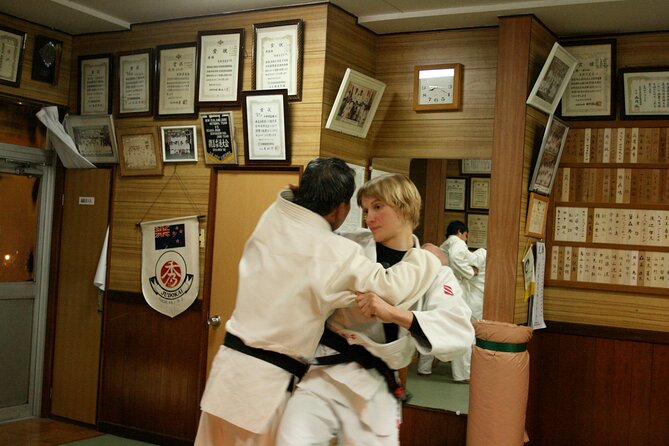
- Dojo pedigree and instruction: Daishin Judo Club (founded 1976) with 8th dan sensei Akihiro Matsuura, teaching for almost 50 years
- Ukemi practice for first-timers: you learn posture and safe falling basics before you start throwing
- Level-matched training: beginners focus on fundamentals, while experienced judoka work on nage-waza and ne-waza
- Randori shows up in the session: live training is intense, but people find it fun and manageable with coaching
- Multilingual guidance: Japanese, English, and Korean help you understand what to do and why
Daishin Judo Club: a real Osaka dojo setting
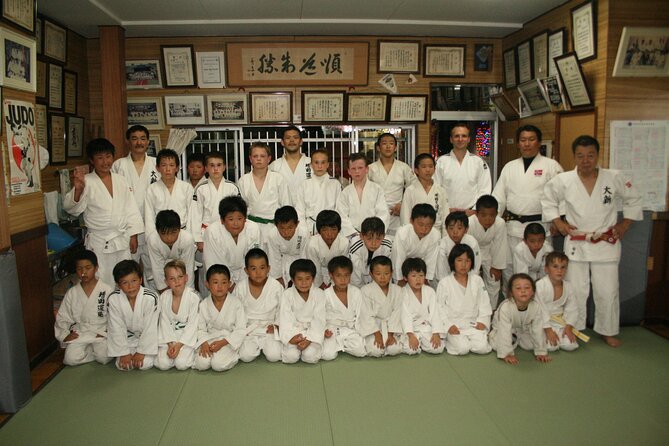
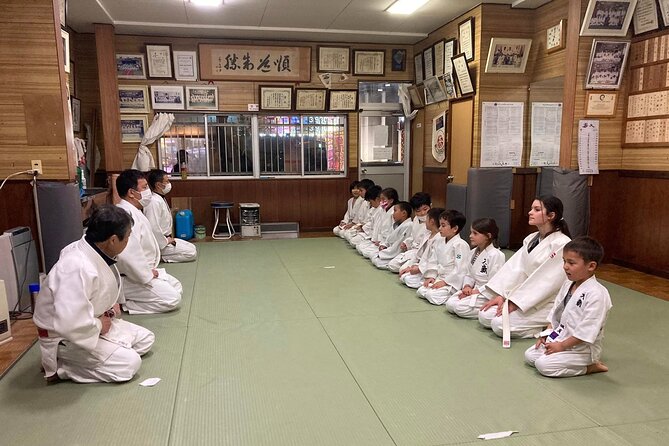
This isn’t a staged demo. Daishin Judo Club is a traditional judo dojo, the kind of place where your body learns manners as much as techniques. You’ll be on the tatami mat, working through drills that connect timing, posture, and control.
The big plus here is the teaching background. Sensei Akihiro Matsuura is an 8th dan black belt and has been teaching judo for almost 50 years. That kind of long-term experience matters when you’re learning movement patterns safely and correctly, especially on your first day.
The class also connects judo to Japanese etiquette. You’re not only grabbing and throwing. You’re practicing the mindset: respect, discipline, and self-control—skills that feel different from typical fitness classes.
You can also read our reviews of more tours and experiences in Osaka


Where you meet and how the timing works
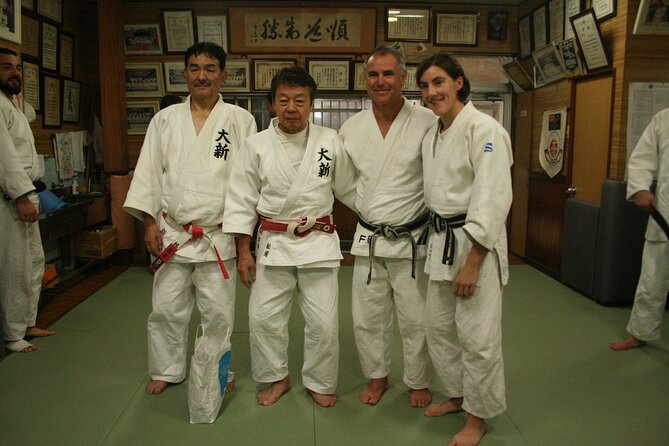
You start at Daishinjudo Orthopedic Clinic, 10-22 Funahashichō, Tennoji Ward, Osaka, 543-0024, Japan. The good news is that it’s near public transportation, so you’re not forced into a car or taxi-only plan.
The training runs about 1 hour 30 minutes. That’s enough time to learn new basics, practice them, and then see how they work with pressure. It’s also a realistic chunk for a travel day: you get a full workout session without turning your whole afternoon into judo homework.
At the end, the activity returns you back to the meeting point. That makes it easier to fold into a day that includes Osaka sightseeing and food stops.
The first stage: posture, grappling basics, and ukemi
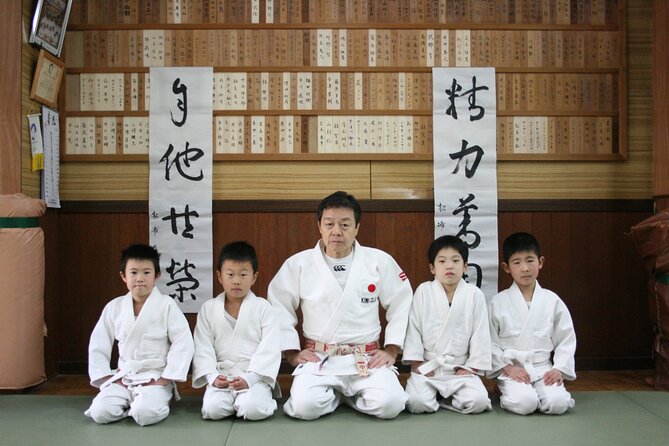
Judo has a learning curve, and this class respects that. If it’s your first time, you begin with fundamental posture and movement. That’s not just warm-up. You’re building the body positions that make throws and grips possible without falling apart.
Then you move into grappling basics. Expect training that helps you understand balance and control, like how to stay connected and how to respond when someone resists. It’s challenging in a good way because you quickly realize judo isn’t about brute strength.
The safety piece is ukemi, the break-falling technique. First-time instruction in ukemi is a huge value because it helps you fear the mat less. When you understand how to fall (and when you’re coached on how to try it), you can participate with more confidence.
You’ll also work with basic throwing forms. This is the part most people think of first, but the order matters. Learning posture and falling basics first keeps things from turning into chaos.
For experienced judoka: nage-waza and ne-waza options
If you already know judo, you’re not stuck repeating beginner drills for the whole session. The class includes a track for people who want throwing technique (nage-waza) and ground technique (ne-waza).
That’s important because judo skill isn’t one-size-fits-all. Some people are strongest in throws; others enjoy transitions and positional control on the ground. Having both categories in mind helps the instructor shape what you practice during the limited 90 minutes.
You can also ask questions about the history of judo. That matters because technique names and etiquette aren’t random. They connect to why judo is trained the way it is, and you’ll often understand the purpose behind the movement once you know the context.
The heart of practice: etiquette, intensity, and randori
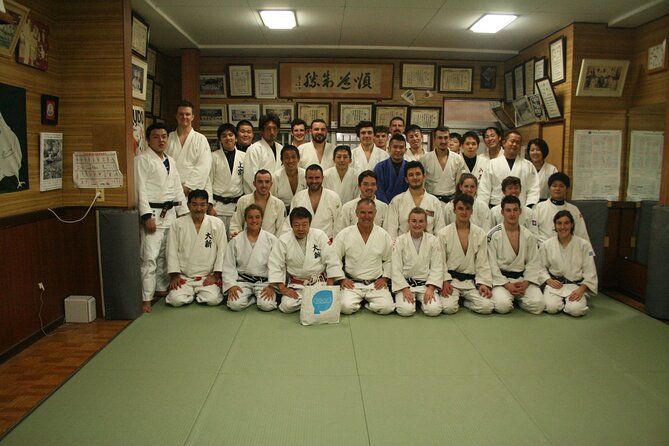
Judo etiquette isn’t decoration here. It’s part of how training runs. You’re learning respect and discipline as actual habits—how you start, how you respond, how you control yourself even when someone is pushing back.
One highlight to expect is randori-style practice. From what people describe, randori in this setting can feel intense, but it stays enjoyable because you’re not thrown into it without guidance. Coaching helps you adjust your timing and balance so you can participate rather than just get overwhelmed.
This is also where the dojo community shows up. The training group is friendly and helps newcomers and mixed-level students. You can feel that support when drills move from cooperative reps into more realistic practice.
And you’ll likely notice the difference between a class that’s built around technique and one that’s built around learning. This one leans toward learning—questions are welcome, corrections are normal, and you’re encouraged to keep trying even when a movement doesn’t click immediately.


Instructor support: what language access really does for you
The instructor can speak Japanese, English, and Korean. That’s a big deal in a martial arts setting, where small instructions can change everything.
If you don’t know Japanese well, you still get the details you need: what to do with your hands, how your hips should move, and what the drill is training. You also get space to ask questions without feeling like you’re slowing everyone down.
When you can understand both the instruction and the reason behind it, you learn faster. You’re not just copying. You’re building a map in your head for how judo works—balance, control, and the idea of using the opponent’s movement rather than fighting it head-on.
Price and value: $97.55 for 90 minutes with a top-level teacher
The price is $97.55 per person for about 1 hour 30 minutes, and the class is limited to a maximum of 6 people. For Osaka, that’s not a “cheap-and-casual” workout. But it also isn’t a tourist pass to a crowded attraction.
The value comes from three things:
- Level of instruction: an 8th dan instructor with decades of teaching experience
- Small-group format: you can actually get corrected, not just watch from the back
- Technique + safety training: ukemi, grappling basics, and throwing or ground work depending on your level
If you’ve ever done a group class where you mostly stand around waiting your turn, you’ll appreciate the difference here. A smaller group helps the session feel like training, not a show.
Also, the class is booked in advance on average about 30 days. That’s a sign that people plan around it, likely because it’s easy to fit into a day once you commit early.
Practical tips before you go (so it feels good on day one)
You don’t need judo experience to join, but you do need the right attitude: be ready to learn, listen, and try again. Martial arts training is one part fitness and one part coordination practice, so showing up stiff and expecting everything to work instantly usually backfires.
Here’s what helps most people:
- Wear comfortable clothes for getting to the dojo and moving around beforehand. The training itself is on the tatami with coached movements.
- Go in with respect for the pace. Ukemi and posture drills come first for a reason. If you rush them, you’ll make it harder to participate safely.
- Expect controlled intensity, especially if randori is included that day. It can be intense, but the goal is progress.
If you’re traveling with mobility concerns, the session includes grappling and break-falling. That doesn’t automatically mean it’s wrong for you, but it does mean you should be honest with yourself about comfort with falls and active movement.
Good news: most people can participate, and the instructor can adjust instruction based on your level and questions.
Who should book this judo class
This is a great fit if you want:
- A hands-on Japanese experience that isn’t just watching
- A real dojo atmosphere with instruction tied to etiquette and discipline
- Clear beginner pathways (posture, grappling, ukemi, basic throws)
- Options for experienced practice (nage-waza and ne-waza)
- A small group where you can actually communicate in English or Japanese or Korean
It’s also ideal for travelers who like structured learning. If you prefer “do the thing” experiences over museum time, this scratches that itch.
Should you book Daishin Judo Club in Osaka?
Yes, if you want a genuine judo class taught by someone with serious experience, in a setting that feels friendly and focused. The combination of a high-dan instructor, small group size, and actual skill training (especially ukemi and safety-first movement) makes the price feel justified.
Book it especially if it’s your first time doing judo. The class design is built to teach you the basics so you can participate without feeling lost. If you already know judo, the nage-waza and ne-waza options plus Q&A time give you a reason to go beyond repeating random warm-ups.
If you hate being physically challenged or you’re uncomfortable with break-falling practice, then you may want to choose a different kind of cultural experience. But for most people, this is one of the more memorable “learn something real” activities in Osaka.
FAQ
Where is the meeting point for the judo class?
You meet at Daishinjudo Orthopedic Clinic, 10-22 Funahashichō, Tennoji Ward, Osaka, 543-0024, Japan.
How long is the judo training session?
The class lasts about 1 hour 30 minutes.
Do I need judo experience to join?
No. First-timers can practice basic posture and movements, learn grappling, ukemi (break-falling), and do some basic throwing forms.
What if I already know judo?
If you have experience, you can learn throwing techniques (nage-waza) and ground techniques (ne-waza), and you can ask questions about judo history.
Who teaches at Daishin Judo Club?
The instructor is sensei Akihiro Matsuura. Daishin Judo Club was founded in 1976.
What languages can the instructor speak?
The instructor can speak Japanese, English, and Korean.
How many people are in the class?
The activity has a maximum of 6 travelers.
Do you use mobile tickets, and is a service animal allowed?
Yes, the activity uses a mobile ticket. Service animals are allowed.
What is the cancellation policy?
You can cancel for a full refund up to 24 hours in advance of the experience’s start time. Confirmation is received at the time of booking.