REVIEW · OSAKA
Traditional Home cooking Experience in Osaka, Japan
Book on Viator →Operated by Cook, Taste and Enjoy Osaka · Bookable on Viator
Rice quality can change your whole meal. In Osaka, you’ll cook classic comfort foods with seasonal ingredients and high-grade Koshihikari rice, guided by staff who keep the mood light and easy.
Small group size helps too, so you’re not shouting over a crowd while you learn.
I love that this class is built like true home cooking. You choose either Course A or Course B, and you work side-by-side to make two dishes, then eat what you helped create.
I also like the focus on ingredient sourcing. The rice comes directly from contracted farmers in Minamiuonuma City, Niigata, a major rice-growing area, so the baseline flavor is already excellent.
One consideration: your menu is limited to the two-course set (so it’s not a long tasting marathon), and alcohol isn’t included. Water is free, but other drinks cost extra.
In This Review
- Key things that make this class work
- Osaka home cooking that feels personal, not staged
- Course A vs Course B: choose your Osaka mood
- Course A: sukiyaki + tempura + rolled omelet
- Course B: wagyu roast beef bowl + chicken nanban + sashimi
- The rice lesson you’ll actually remember
- Your two-hour rhythm: from intro to your finished plates
- A small note on drinks
- Technique, confidence, and a friendly instruction style
- Seasonal ingredients keep the meal from feeling generic
- When Osaka adds music and performance
- Price and value: what you’re really paying for
- Practical setup: where to meet and how to make it smooth
- One more practical thought
- Who should book this cooking class
- Should you book Cook, Taste and Enjoy Osaka?
- FAQ
- What are the two course options?
- How long is the class?
- How many people are in the group?
- Is water included?
- Are alcoholic beverages included?
- Where is the meeting point?
- Do I get a mobile ticket?
- Can I cancel and get a refund?
Key things that make this class work
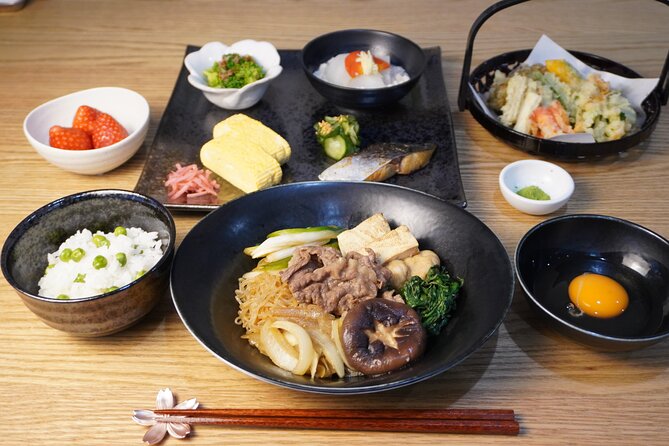
- Pick Course A or Course B ahead of time and cook exactly two dishes together
- Koshihikari rice from Minamiuonuma, Niigata is the star ingredient
- Staff cook with you and share how their specialty dishes come together
- Max 8 travelers means real conversation instead of a show
- Seasonal ingredients match Japan’s four seasons so your meal feels current, not generic
- Water is free, alcohol is separate so plan for beverage add-ons
Osaka home cooking that feels personal, not staged
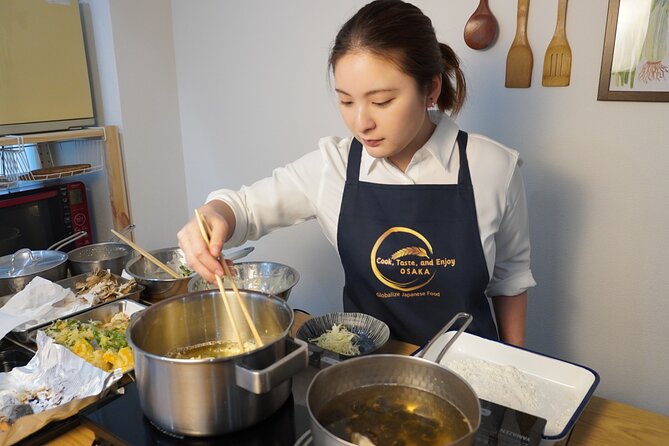
If you’ve ever worried that cooking classes are all performance and no technique, this one is designed to work differently. It’s hands-on from the start, with an experienced instructor and staff cooking alongside you. The goal is simple: you leave with food you can be proud of and a better feel for how everyday Japanese meals are built.
I like that it’s not only about recipes on paper. The class name is basically the philosophy—cook, taste, and enjoy Osaka—and the structure pushes you to do all three. You’re learning, sure, but you’re also enjoying the process with guidance that keeps you moving.
Also, Osaka is a city of fast energy and bold flavors. A meal like this fits right in: practical techniques, sauces you can actually reproduce later, and dishes that make sense in a home kitchen.
You can also read our reviews of more cooking classes in Osaka

Course A vs Course B: choose your Osaka mood
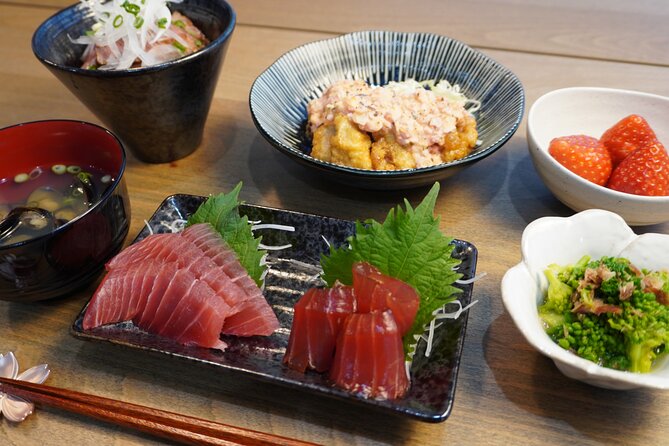
When you book, you choose Course A or Course B. Both options last about two hours, and both focus on making two dishes together. That clarity is great for planning, because you know what you’re signing up to cook and eat.
Course A: sukiyaki + tempura + rolled omelet
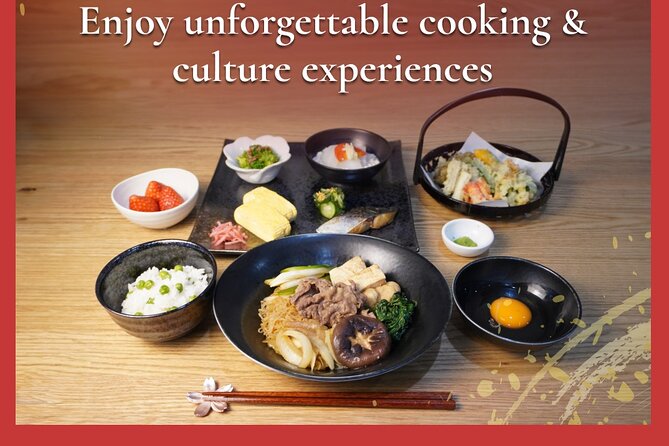
Course A centers on a classic home-style lineup: sukiyaki, tempura, and a rolled omelet. If you love comfort food with variety—warm, savory, crisp, and soft—this is the choice.
Sukiyaki tends to teach you the rhythm of simmering and balancing sweetness and salt. Tempura is where you’ll notice how technique matters: temperature and timing are a big deal in crisp results. The rolled omelet brings you into the calmer, controlled side of Japanese cooking—smooth texture, gentle heat, and patience.
Course B: wagyu roast beef bowl + chicken nanban + sashimi
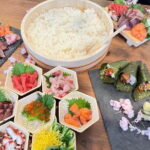
Course B goes more “showy” and indulgent. You’ll work on a wagyu roast beef bowl, chicken nanban, and sashimi.
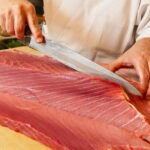
The wagyu bowl is a great teaching dish because it highlights how a strong ingredient needs less fuss. Chicken nanban is all about coating and sauce balance—crispy, savory, and tangy. And then there’s sashimi, which shifts the skill set from heat-and-stir to knife basics and plating sense (and it’s also a quick reminder that Japanese home meals aren’t always cooked-only).
Which should you pick? If you want a broad taste of Japanese classics, go Course A. If you want a richer Osaka table with both fried and raw components, choose Course B.
The rice lesson you’ll actually remember
This class puts real weight on one ingredient: Koshihikari rice. Not a generic “good rice,” not a vague origin story. The rice is purchased directly from a contracted farmer in Minamiuonuma City, Niigata Prefecture, an area known for rice production.
Why does this matter to you? Because rice changes everything around it. In Japan, rice isn’t side dish energy. It’s the foundation. When the rice is consistent and well sourced, it makes sauces taste more coherent, bowls feel complete, and even something simple becomes satisfying.
Also, this sourcing detail is part of the class’s bigger theme: seasonal and careful. The meal isn’t built to impress you with weird ingredients. It’s built to taste right, with quality inputs that make your cooking easier (and more delicious).



Your two-hour rhythm: from intro to your finished plates
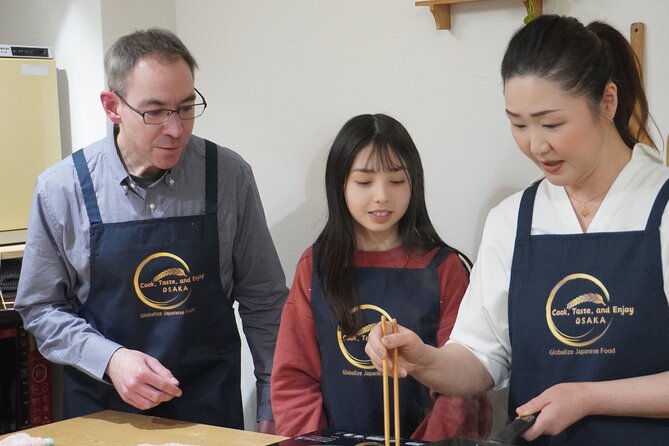
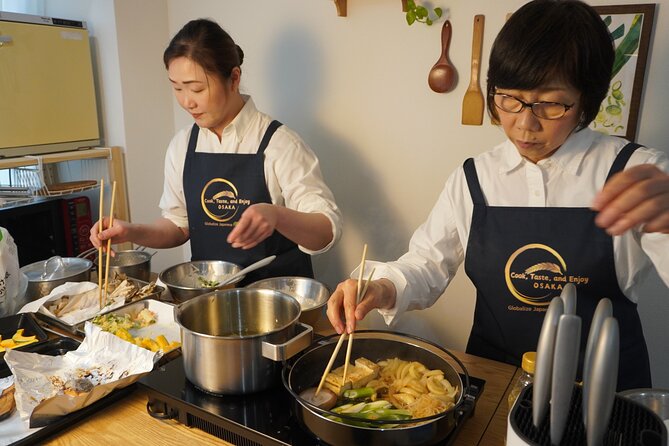
The class runs for about two hours, and you’ll spend that time cooking and eating. The pacing is practical: you get instruction, you get hands-on work, and you get guidance when something needs adjustment.
Here’s what the flow typically feels like:
You start with a welcome and a quick setup, then the instructor and staff guide you through the dish steps. You’re not left to figure it out alone. The group is small—up to 8 people—so questions land fast, not after the class ends.
Next comes ingredient prep and cooking. Because the class is built around home-style Japanese dishes, you’ll likely notice that techniques aren’t overly complicated. They’re focused. You’re learning what matters for results: sauce timing, coating consistency, heat control, and how to plate so the meal feels finished.
Then you eat. This isn’t a “cook and watch” situation. You’ll enjoy the dishes you made, and that makes the lesson stick. When you take a bite immediately after cooking, you can connect the technique to the taste.
A small note on drinks
Water is free. Other drinks are charged separately, and alcoholic beverages aren’t included. If you plan to pair your meal with beer or sake, expect to pay extra on site.
Technique, confidence, and a friendly instruction style
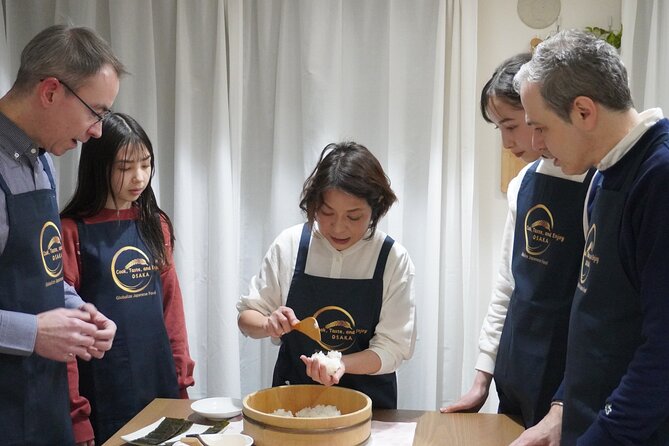
One of the most praised parts of this experience is the tone. People repeatedly mention the host being friendly, easy to talk to, and using strong English. That matters more than it sounds. When instruction is clear, you stop second-guessing every step.
I also like that the staff cook alongside you. That means you can watch the technique while you work, not just memorize steps. In a small group, that side-by-side style makes the difference between feeling nervous and feeling capable.
And yes, the class leans into fun. The focus is still cooking, but it doesn’t feel stiff. It’s “learn while enjoying,” not “learn while performing.”
Seasonal ingredients keep the meal from feeling generic
A lot of cooking classes end up serving the same flavor template year-round. This one is built around seasonal ingredients that change with Japan’s four seasons.
For you, that means a meal that feels current rather than recycled. It also helps you understand Japanese cooking as a system tied to time and availability, not only to a fixed recipe list. When you taste seasonal produce in familiar dishes, it becomes easier to recognize why Japanese menus shift across the year.
When Osaka adds music and performance
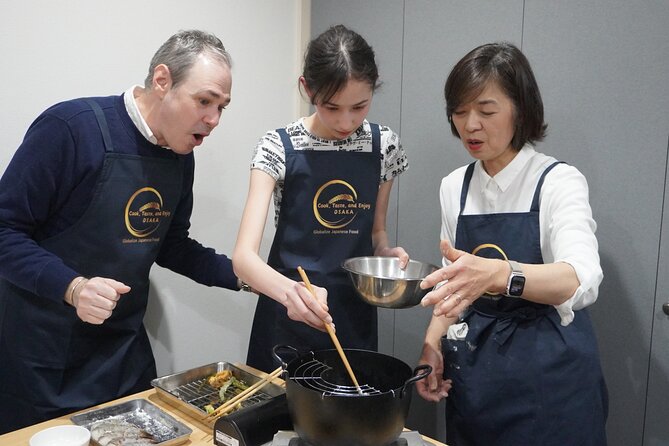
In at least some sessions, there’s more than just cooking. One review mentioned songs and an instrument performance during the class time, with a performer named Keiko dressed in traditional costume.
You shouldn’t plan your schedule around entertainment you might not see every time, but it’s a nice extra when it happens. Even if it’s brief, it turns the meal into a more rounded cultural moment.
Price and value: what you’re really paying for
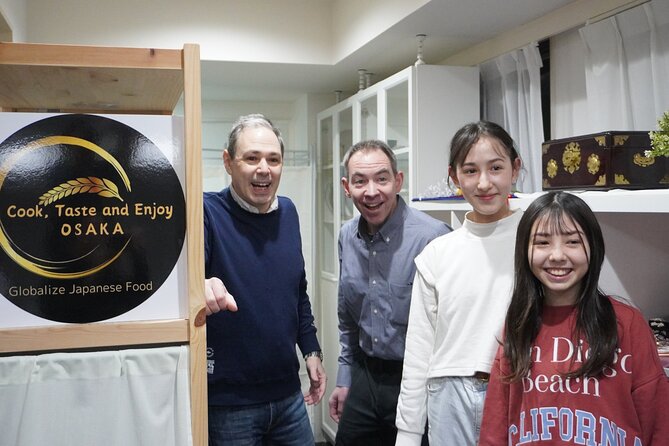
At $104.51 per person for about two hours, it’s not a budget activity. But it doesn’t feel overpriced for what you get: quality ingredients, hands-on coaching, and a full meal built from the work you do.
Here’s the value breakdown that matters most:
- You choose a set of two dishes, so the class feels focused rather than endless
- The rice sourcing is specific and tied to quality (not a vague “premium” claim)
- You get guided technique, and you eat right after, which turns instruction into memory
- The group is capped at 8 people, which improves the odds of real help when you need it
What can add cost? Drinks other than water, plus any alcohol you decide to order. But the base experience already covers the meal and instruction.
Another smart planning detail: this kind of class averages being booked about 19 days in advance. That’s a hint to reserve early, especially if you’re set on Course A or Course B.
Practical setup: where to meet and how to make it smooth
Meet at 2 Chome-13 Nishishinsaibashi, Chuo Ward, Osaka, 542-0086, Japan. It’s near public transportation, which is handy because Osaka walking can add up if you’re hopping between neighborhoods.
You’ll use a mobile ticket, and you should receive confirmation within 48 hours of booking, subject to availability. If you like a low-stress trip, it’s worth booking when your plans are firm so the schedule is locked.
Bring the right mindset: you don’t need advanced cooking skills. The class is structured for regular visitors. Just come ready to work with your hands and ask questions when something is unclear.
One more practical thought
Because the menu is set by your chosen course, you should double-check any dietary needs when booking. The provided details don’t mention custom options, so don’t assume substitutions.
Who should book this cooking class
This experience is best for you if:
- You want real home-style cooking in Osaka, not just a restaurant meal
- You like learning technique and eating what you cooked
- You enjoy ingredient stories—especially high-quality rice and seasonal produce
- You prefer smaller groups where you can actually talk
It’s also a good match for couples, friends, and solo travelers who want conversation without the social pressure of a huge group tour.
If you’re the type who wants a long list of many dishes or a purely vegetarian/vegan menu, this may feel narrow since the course is limited to two dishes from a fixed set.
Should you book Cook, Taste and Enjoy Osaka?
If you want a hands-on Osaka experience that rewards you immediately with a meal you helped create, I’d say yes. The strongest case is the combination of high-quality Koshihikari rice, small group size, and instruction that’s friendly and clear.
Book it if you’re excited by either Course A’s sukiyaki, tempura, and rolled omelet comfort or Course B’s wagyu bowl, chicken nanban, and sashimi mix of rich and light. And reserve ahead, since these sessions fill.
Skip it only if you’re looking for a huge multi-course food festival or if you need lots of dietary customization, because the course structure is specific and time is limited to about two hours.
FAQ
What are the two course options?
You can choose Course A or Course B when you book. Course A includes sukiyaki, tempura, and a rolled omelet. Course B includes a wagyu roast beef bowl, chicken nanban, and sashimi.
How long is the class?
The course lasts about two hours.
How many people are in the group?
There’s a maximum of 8 travelers.
Is water included?
Yes. Water is free, but other drinks are charged separately.
Are alcoholic beverages included?
No. Alcoholic beverages are not included.
Where is the meeting point?
The start is at 2 Chome-13 Nishishinsaibashi, Chuo Ward, Osaka, 542-0086, Japan.
Do I get a mobile ticket?
Yes, this activity includes a mobile ticket.
Can I cancel and get a refund?
Yes. You can cancel for a full refund up to 24 hours in advance of the experience start time.