REVIEW · NAMBA
Discover Real Osaka: A Cultural Walk with Food & Drink
Book on Viator →Operated by Yamamoto Travel · Bookable on Viator
Osaka can feel like a whole playlist. This small-group food-and-culture walk threads together the neighborhoods that make the city make sense fast. You’ll try Osaka staples like takoyaki and okonomiyaki, while your guide points out the human stuff behind the signs, alleys, and food lines.
I especially like how the route mixes big-name streets with quieter stops you’d miss on your own. America Mura and Dotonbori give you instant context for Osaka’s pop culture and street energy, then Hozenji Yokocho and Kuromon Market slow things down with lantern-lit atmosphere and real local eating habits.
One consideration: this is mostly on foot, and it’s set up around a fixed starting point (hotel pickup isn’t part of the group option). If your legs need frequent resets, plan for short breaks and ask your guide about train/taxi options when needed.
In This Review
- Key highlights before you go
- Meeting in Namba, then walking toward Shinsekai (the smart route)
- America Mura (Amemura): pop culture and style on day one
- Dotonbori Tsuribori and Shinsaibashi: neon food energy that makes sense
- Hozenji Yokocho: lantern alley + spiritual context in 30 minutes
- Kuromon Market: Osaka’s Kitchen and the okonomiyaki stop
- Den Den Town + Tower Knives: anime clutter and real craftsmanship
- Shinsekai and Tsutenkaku vibes, plus the optional Nishinari street feel
- Private-tour add-ons: Osaka Castle, ukiyo-e prints, Harukas views, and Edo streets
- Price and value: $78.38 for a well-paced taste + orientation session
- What it feels like on the ground (and who should book)
- Should you book Discover Real Osaka?
- FAQ
- How long is the tour?
- What does the $78.38 price include?
- Is pickup included?
- Where do we meet, and where does the tour end?
- Is transportation during the tour included?
- How big is the group?
- Does the tour include sake?
- Is there a private tour option?
Key highlights before you go
- A tight 4-hour circuit through Namba and the neighborhoods near Shinsekai so you don’t burn half a day getting oriented
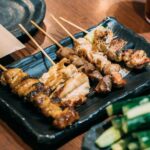
- Takoyaki + okonomiyaki snacks included, plus a drink pairing that can include sake
- Den Den Town + Tower Knives for anime/gaming clutter and a stop for real kitchen-knife know-how
- Hozenji Yokocho for that lantern-lit alley feel right next to a mossy Buddha scene
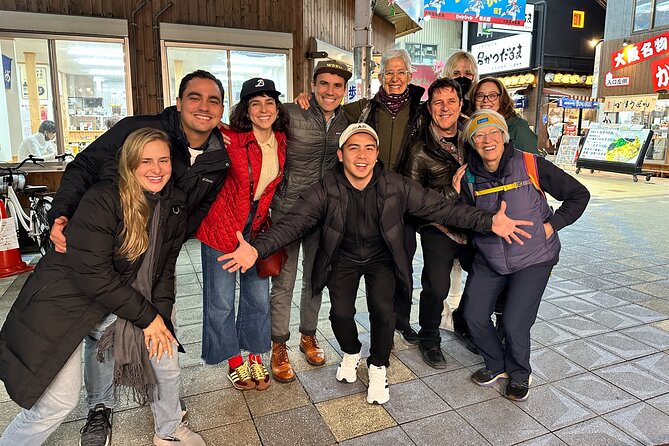
- Small groups (max 9) keep questions easy and pace comfortable
- Lifetime Google Map access to help you keep exploring after the tour ends
Meeting in Namba, then walking toward Shinsekai (the smart route)
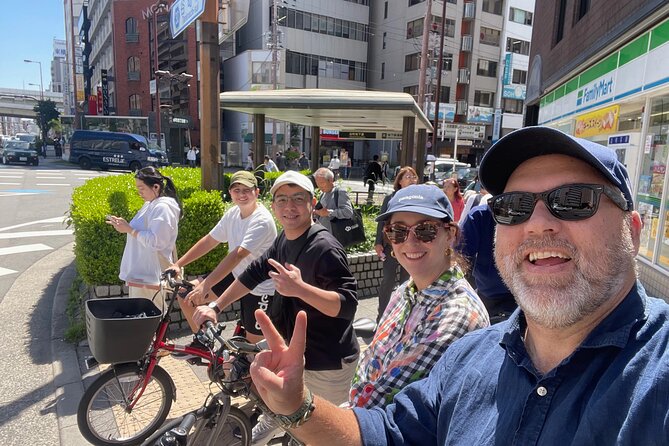
The tour starts at Swissotel Nankai Osaka in Namba, with a 10:00 am departure. From there, you work your way through central Osaka toward the Dobutsuen-mae area near Shinsekai, where the walk ends. That end point is useful: you can keep rolling with the Midosuji Line (Red Line) to lots of major destinations.
Even if you’re not staying near Namba, this meeting spot is practical. Namba is a hub, and getting there on transit is usually straightforward. If you need help with directions, the guide can point you the right way.
Also, this is a walking tour. It’s designed for most travelers, but your best move is simple: wear comfortable shoes. The tour notes that train or taxi rides can be arranged on request, at your own expense—so you’re not stuck if you hit a tired moment.
You can also read our reviews of more walking tours in Namba
America Mura (Amemura): pop culture and style on day one
The first stop is America Mura, also called Amemura. This neighborhood is a fast track into Osaka’s youth culture—street fashion, street art, and the kind of music scene that makes the area feel like it has its own tempo.
What I like about starting here: it sets your expectations for Osaka’s style. You’re not just seeing old temples and quiet streets. You’re also learning how modern Osaka plays. Even if you’re not shopping for clothes or gear, Amemura helps you read the city’s visual language—signs, storefronts, and the energy of people moving through.
In a short tour, that matters. When you reach Dotonbori later, you’ll understand why the place feels like a stage rather than a random strip of restaurants.
Dotonbori Tsuribori and Shinsaibashi: neon food energy that makes sense
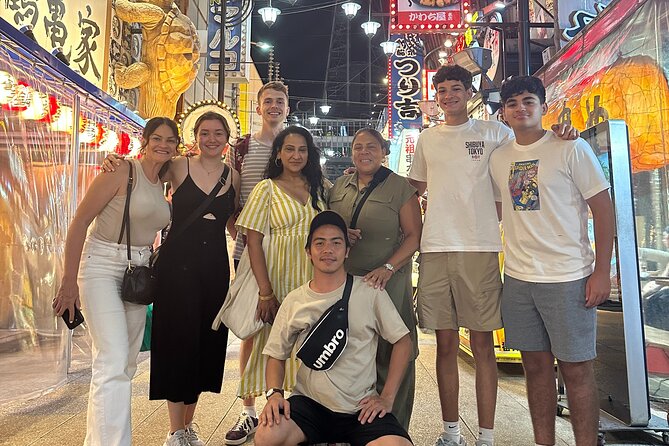
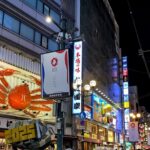
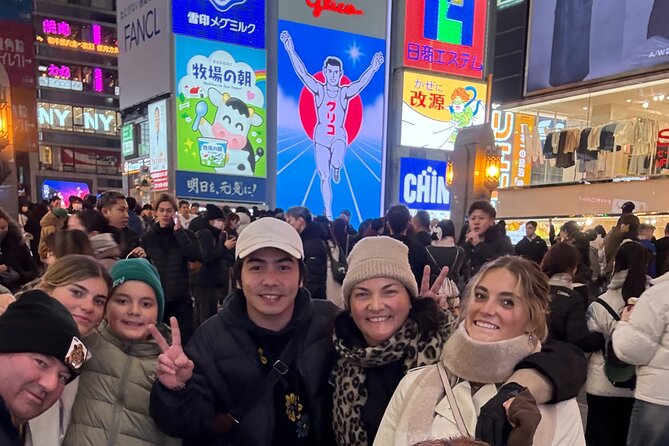
Next up: Dotonbori Tsuribori. This is where the lights hit you first, especially with the Glico Running Man sign in the mix. The area is famous for its food stalls and the camera-friendly chaos along the canal.
I like that your guide doesn’t treat Dotonbori like a checklist. The point is to understand the layout and the food rhythm: where people cluster, how stalls work, and how the street scene connects to Osaka’s identity. You get your bearings quickly, which makes the rest of your Osaka days easier.
Then you stroll through Shinsaibashi, which is more than a shopping street. It’s Osaka nightlife energy from dusk through the night, and the walk helps you see the scale of the place. If you’ve ever felt overwhelmed in big shopping districts, this stop is a relief—because you’re walking it in context, not alone.
A practical note: Dotonbori and Shinsaibashi can get crowded. Going as part of a small group helps you move through without losing time zigzagging.
Hozenji Yokocho: lantern alley + spiritual context in 30 minutes
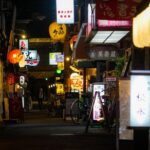
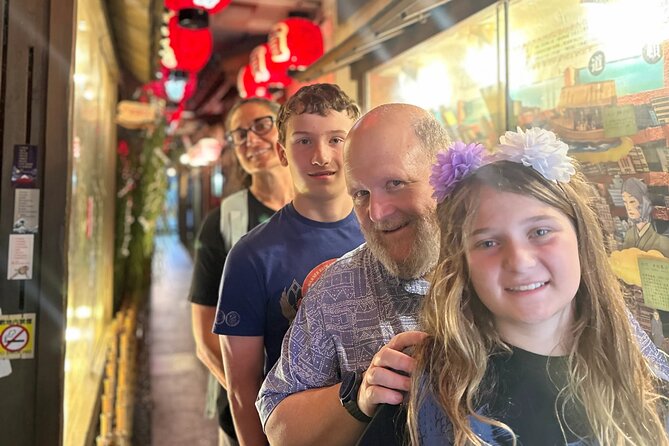
After the big-city stimulation, you get a calmer pocket at Hozenji Yokocho. This is a charming, lantern-lit alleyway that feels like it belongs to an older Osaka mood—right next to a moss-covered Buddha setting.
The value here isn’t only the atmosphere (though it’s a great photo stop). It’s the contrast. Osaka can run from pop culture to quiet spirituality within a short walk, and Hozenji Yokocho is where you feel that shift. It helps you see the city as a mix of moods rather than one-dimensional entertainment.
The tour gives you about 30 minutes here, enough time to slow down and experience the alley without rushing. If you’re sensitive to noise, this stop is also a nice reset from street-level crowd energy.
Kuromon Market: Osaka’s Kitchen and the okonomiyaki stop
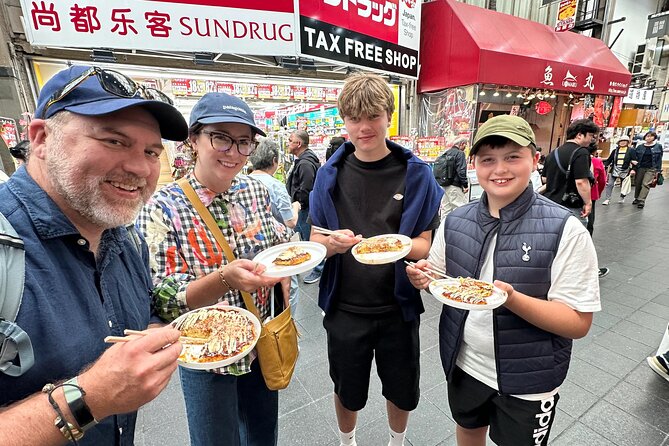
Then you hit Kuromon Market, often nicknamed Osaka’s Kitchen and tied to over 200 years of food culture. This is where your tour becomes very practical: you’re walking into an eating zone designed for quick bites and local shopping habits.
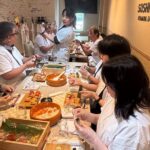
You’ll head to a favorite spot for okonomiyaki, the savory pancake Osaka is known for. Since you also get included snacks, this stop is about more than eating. It teaches you how to time bites in a busy market environment and how the flavors fit Osaka’s street-food style.
One small consideration: markets can be warm and loud. If you’re visiting during hotter months, keep water in mind even though the tour includes snacks and drinks. The market experience is best when you can taste clearly and not just survive the heat.
You can also read our reviews of more food & drink experiences in Namba
Den Den Town + Tower Knives: anime clutter and real craftsmanship
After the food portion, you get a fun switch at Den Den Town. This district is all about anime, gaming, and quirky gadgets, packed with colorful shops and that distinct otaku energy. Even if anime isn’t your thing, this is a great way to understand modern Osaka fandom and merch culture.
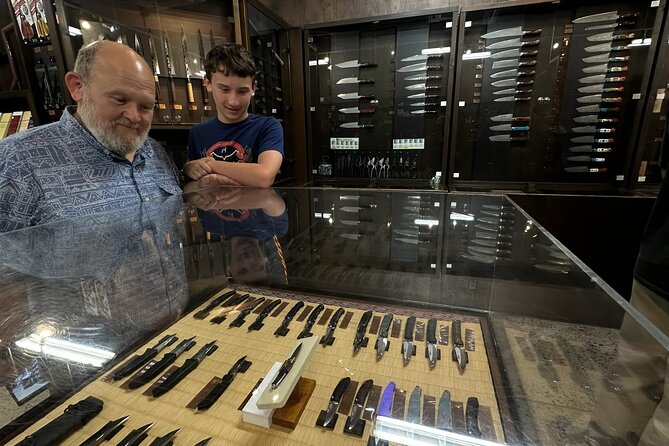
Then there’s a smaller, more specific stop: Tower Knives, a knife shop near Tsutenkaku Tower. The shop is known for high-quality Japanese kitchen knives, and you can often see a live demonstration of how the knives are used.
I love this pairing because it keeps the day grounded. You go from pop-culture collectibles to a store focused on tools people rely on. That contrast feels very Osaka: fun and detail, side by side.
If you’re a food lover, a knife stop can also be surprisingly useful. Even without buying, you’ll walk away with a better sense of why Japanese cooking gear is such a big deal.
Shinsekai and Tsutenkaku vibes, plus the optional Nishinari street feel
The tour ends this phase in Shinsekai, a retro district with neon, nostalgic eateries, and the iconic Tsutenkaku Tower in the background. This is old-school Osaka energy, and it’s a great “last act” before you head off on your own.
Then there’s an optional-feeling stop depending on how the group is set up: Nishinari, described as a rougher, more local part of Osaka. The tour frames it as raw authenticity and real neighborhood pulse, and it’s only included if the group insists.
Here’s how to think about it: if you want the Osaka that feels lived-in, not polished for visitors, Nishinari is the kind of area that can deliver that perspective. If you prefer softer tourist-friendly streets, you may want to ask your guide whether that stop is actually happening for your group day.
Either way, ending near Dobutsuen-mae Station keeps you close to transit and makes the walk-out phase easy.
Private-tour add-ons: Osaka Castle, ukiyo-e prints, Harukas views, and Edo streets
This experience includes private-tour options with extra stops. If you’re traveling as a duo or family, this is where the itinerary can expand beyond the core food-and-streets route.
For private tours, you may see:
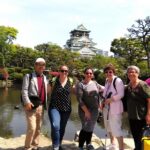
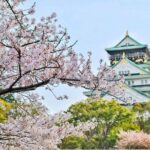
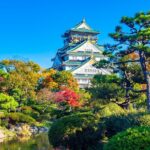
- Osaka Castle: once tied to Toyotomi Hideyoshi and known for its big stone walls and historical symbolism.
- A small museum of Edo-period ukiyo-e woodblock prints, including an authentic print associated with The Great Wave off Kanagawa.
- Abeno Harukas, the tallest building in Japan at about 300 meters, with an observation deck for wide city views (and on clear days, potentially long-distance visibility).
- A museum with life-size recreations of Edo-era Osaka street life, showing how people shopped, dressed, and lived.
If you’re the type who likes structure and variety—one day that mixes food streets with views and museum stops—private is the move. It also makes sense if you want a slower pace or you want the guide to respond to your interests in real time.
Price and value: $78.38 for a well-paced taste + orientation session
At $78.38 per person for about 4 hours (with flexible 4, 5, or 6-hour options), the price isn’t just about walking. You’re paying for three big value pieces:
- Eating included: takoyaki and okonomiyaki snacks, plus a drink setup that includes 1 alcoholic (sake) + 1 non-alcoholic option.
- Small-group flow: max 9 travelers, which matters when you’re moving through busy streets and markets.
- Local guidance that lasts: lifetime access to the guide’s personal Google Map links and curated routes for Osaka and beyond.
Also, timing matters. The tour is often booked around 74 days in advance on average, which suggests weekends and peak periods go first. If your schedule is fixed, book sooner rather than later.
One practical cost to remember: transportation costs aren’t included during the experience. If your legs need help, the guide can help arrange train or taxi rides, but you pay those separately.
What it feels like on the ground (and who should book)
This is the kind of tour that works best when you want two things at the same time: food and orientation. You’ll get enough “Osaka vocabulary” that the city doesn’t feel like random streets once you’re done.
This fits especially well if:
- you’re in Osaka for a short time and want a strong first day
- you like street-food tasting with an organized plan
- you enjoy modern culture (Den Den Town, Amemura) as much as traditional sights (Hozenji Yokocho)
- you prefer small groups over large coach tours
If you’re traveling with older kids or you’re into anime and food, this route is a natural match because it pairs both worlds in one afternoon.
One more small note on guides: Yamamoto Travel has a standout reputation for private guiding, and I’ve seen praise for Mico Yamamoto specifically in Osaka/Kyoto contexts. If you care about who leads your day, check availability when you book.
Should you book Discover Real Osaka?
Book it if you want an efficient, fun, food-focused introduction to Osaka that also gives you the cultural context behind the streets. The included snacks, the small group size, and the lifetime Google Map access make the cost feel more like an investment in your future self—not just a one-day activity.
Skip it (or choose a private option instead) if you strongly dislike walking or you want a lighter food schedule. Also consider the Nishinari stop: it may happen only if the group insists, so ask your guide how your specific day is shaping up.
If you want Osaka in one solid, well-paced pass—this is a strong pick.
FAQ
How long is the tour?
It runs about 4 hours on average, with flexible options listed as 4, 5, or 6-hour tours.
What does the $78.38 price include?
The tour includes snacks (takoyaki and okonomiyaki), and 1 alcoholic (sake) + 1 non-alcoholic drink option. It’s also set up as a walking tour with a guide.
Is pickup included?
Pickup is described as offered, but hotel pick-up is not included for group tours. For group tours, you meet at the stated starting point.
Where do we meet, and where does the tour end?
You meet at Swissotel Nankai Osaka in Namba and end near Dobutsuen-mae Station close to Shinsekai.
Is transportation during the tour included?
The tour is mainly on foot. Train or taxi rides can be arranged upon request at your own expense.
How big is the group?
The tour has a maximum of 9 travelers.
Does the tour include sake?
Sake is included as part of the drink setup: 1 alcoholic (sake) + 1 non-alcoholic drink.
Is there a private tour option?
Yes. The experience offers group adventure or private tour options, and some add-ons (like Osaka Castle and other museum/view stops) are noted for private tours only.