REVIEW · OSAKA
Beautiful Wagashi (Japanese Sweet) Making Class
Book on Viator →Operated by Sakura Cook · Bookable on Viator
Nerikiri looks simple—until you make it. This wagashi-making class in Osaka turns traditional sweets into an easy-to-follow hands-on workshop, with enough guidance to help your shapes come out nice. I like the small-group feel (max 8), and I especially appreciated how clearly the instructor communicated—Fumi’s English translations made the steps feel doable. The one hiccup to plan for is that the entrance can be a little tricky to find at first, so I recommend arriving a few minutes early.
I also love that you’re not just learning theory. You’ll work with real wagashi-style ingredients like glutinous rice flour and white bean paste, and you’ll create nerikiri dough from scratch, then color and decorate it before eating. One more thing to consider: the class is only about an hour, so you’ll want to focus on the process and enjoy the moment rather than expecting a long, slow baking session.
What makes this class feel like good travel value is what you leave with. You get recipes to make your Japanese sweets at home, and you can also photograph your creations before you eat or take them away—small perks that make the experience stick.
In This Review
- Key things to know before you go
- Why Japanese wagashi feels different (and why this class works)
- Nerikiri from scratch: the full 1-hour flow
- 1) Make the dough from scratch
- 2) Color the dough in delicate tones
- 3) Create decorative flowers from dough
- 4) Shape, garnish, and finish
- 5) Eat it (and take photos first)
- What the small group size actually changes for you
- The meeting point in Kitahorie: avoid the I’m-lost moment
- Ingredients and what they mean for beginners
- Tea ceremony link: why nerikiri gets special attention
- Creative control: how to make your sweets look like you
- Price and value: is $45.53 worth it?
- Who should book this wagashi class in Osaka?
- My decision guide: should you book, or look elsewhere?
- FAQ
- How long is the Beautiful Wagashi making class?
- How much does it cost?
- What is the group size?
- Where is the class meeting point?
- Is the meeting point near public transportation?
- What wagashi will I learn to make?
- Are the sweets suitable for vegans or vegetarians?
- Do I get recipes to make wagashi at home?
- Can I eat the wagashi there or take it away?
- What is the cancellation policy?
- Can children attend?
Key things to know before you go
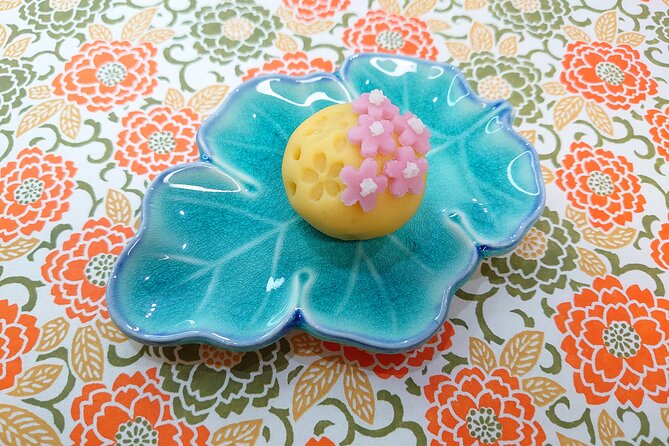
- Nerikiri focus: You’ll make one of the highest-quality wagashi styles, often connected with the tea ceremony
- Hands-on steps: Dough from scratch, then coloring, then decorative flower shaping
- Small group: Maximum of 8 people, so your questions don’t get lost
- Recipes included: You’ll get instructions you can use after you return home
- Photo moment: Take pictures before eating, then enjoy on site or take the sweet away
Why Japanese wagashi feels different (and why this class works)
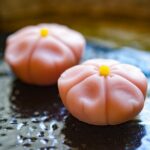
Wagashi isn’t just dessert in Japan—it’s part craft, part seasonal art, and part hospitality. Western sweets often chase sweetness and crunch; wagashi aims for texture, subtle flavor, and visual detail. That’s why nerikiri stands out: it’s made to look like small flowers and petals, not like a typical pastry.
In this class, you’ll learn that wagashi is surprisingly buildable. The core ingredients you’ll work with—white bean paste and glutinous rice flour—sound plain, but the magic happens when you knead, shape, and color. And because the ingredients are simple and plant-based, the class is designed to suit vegans and vegetarians alike.
The other thing I like is the cultural context woven into the process. You’re not stuck reading notes; you’re making the same style of wagashi that’s used in refined settings like the tea ceremony. That connection makes the final sweet feel more meaningful than just something you ate in Osaka.
You can also read our reviews of more tours and experiences in Osaka


Nerikiri from scratch: the full 1-hour flow
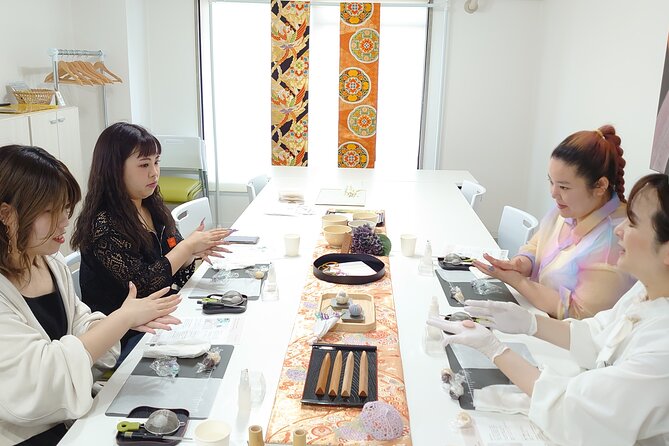
The class runs about 1 hour, so it’s tight, focused, and very practical. Here’s how the experience is built, step by step, and what to watch for as you work.
1) Make the dough from scratch
You start by learning how to create the nerikiri dough. Expect hands-on instruction on how the dough comes together and how to handle it as you work. This is the moment where your technique matters most, because the rest of the class depends on how well the dough feels.
My advice: don’t rush this part. If the dough feels off, it usually comes down to how you’re treating it with your hands—pressing, smoothing, and working at the right pace.
2) Color the dough in delicate tones
Next you’ll color the dough. Wagashi colors are usually soft and intentional, not neon. You’ll learn how to handle the colored dough so it stays workable and doesn’t get messy.
This is also where you can start thinking like a designer. Pick a theme—spring petals, layered florals, or gentle gradients—and aim for clean edges when you combine pieces.
3) Create decorative flowers from dough
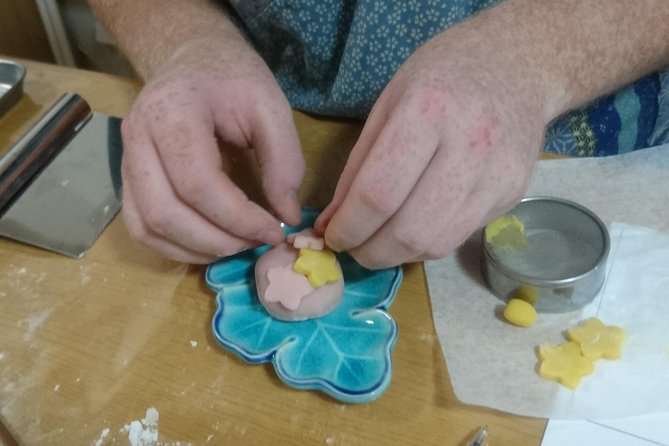
Then comes the fun, flower-making portion. You’ll form small decorative pieces using the colored dough, shaping them into petal-like details. This step turns the lesson from edible craft into actual wagashi presentation.
If your petals don’t look perfectly symmetrical, that’s okay. Wagashi style is about craftsmanship and care. With small adjustments—thickness, spacing, and where you place each piece—you’ll get to something you’re proud of.



4) Shape, garnish, and finish
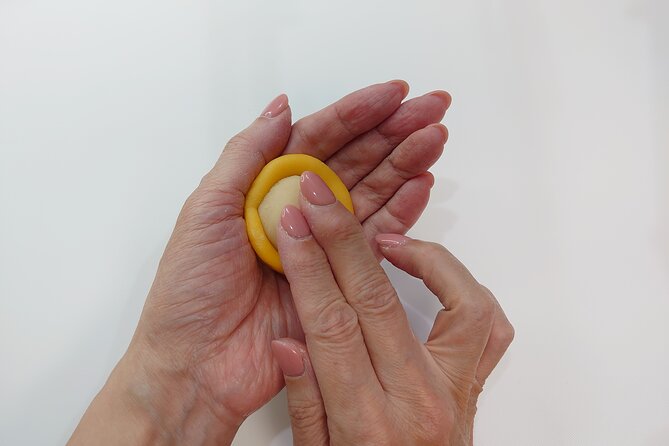
Finally, you’ll shape the dough into balls and garnish with the decorative flowers you made. This is the part where everything starts looking like the finished nerikiri you saw in photos.
Right here, you’ll likely feel that satisfying moment when you realize you understand the process, not just the recipe. You’re building shape on purpose, not guessing.
5) Eat it (and take photos first)
Before eating, you’ll want to take photos. The class encourages you to document your wagashi—especially because what you make is meant to be visually delicate. Then you can enjoy it right there or take it away with you.
Even if you’re not a food blogger, this photo moment is worth it. It’s the proof that you turned sticky ingredients into art.
What the small group size actually changes for you
This is capped at 8 travelers, and it shows. In a class like this, the difference between having a question and getting stuck is often a matter of timing and attention. With a smaller group, you’re more likely to get help when you need it—whether you’re confused about dough texture or you want a second look at how to form a flower.
I also like that it feels social without feeling chaotic. You’re working at your own pace, but you can chat with the instructor and others while you shape. In at least one experience, the instructor led the class with clear English translation, which helps if your Japanese skills are limited.
And yes, that matters. When you can actually understand the steps in real time, the class becomes confidence-building instead of stressful.
The meeting point in Kitahorie: avoid the I’m-lost moment
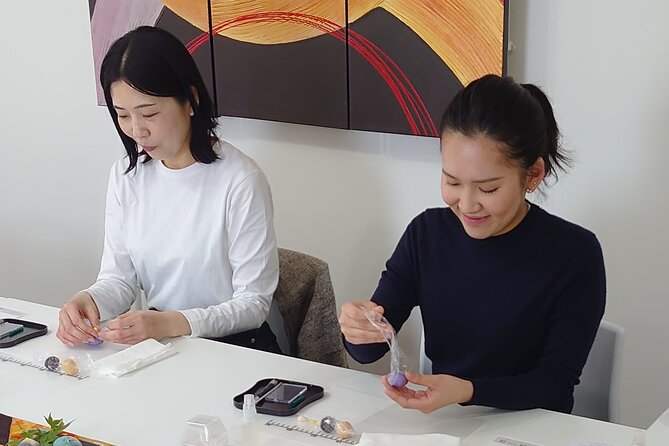
The class starts at Banix北堀江 in Osaka’s Nishi Ward (Kitahorie), at a location listed as システマギャラリー (Sistima Gallery). It ends back at the same meeting point.
One caution: the entrance can be a little difficult to find. If you only arrive right on time, you risk losing minutes you should be using to settle in and start calmly. Plan to show up early and use your maps app with street-level accuracy.
If you have trouble locating the entrance, you’ll likely have better luck if you pause, confirm the building name, and then look for the specific doorway to enter rather than searching the whole block.
Ingredients and what they mean for beginners
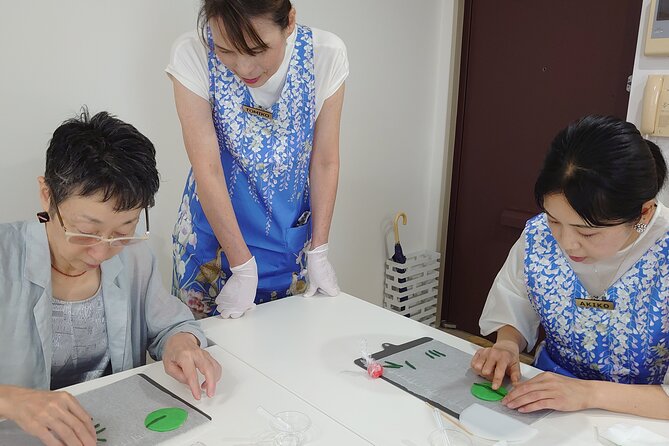
You’ll work with a small set of ingredients: white bean paste and glutinous rice flour, then you’ll add delicate color. This is part of why the class suits first-timers.
Glutinous rice flour can feel different from typical baking flours. It can make dough seem sticky at first, but that’s normal. The trick is handling it intentionally—press, smooth, and shape with the right amount of firmness.
White bean paste is another key. It’s the base flavor and texture, and it behaves differently depending on how the dough is assembled and warmed through handling. The class guidance matters here because it teaches you how to get the dough to the point where it becomes workable for decorative shapes.
The best part: since wagashi uses simple ingredients, you can realistically recreate it at home later using the recipes you receive. This isn’t a class where you learn a technique you can’t repeat.
Tea ceremony link: why nerikiri gets special attention
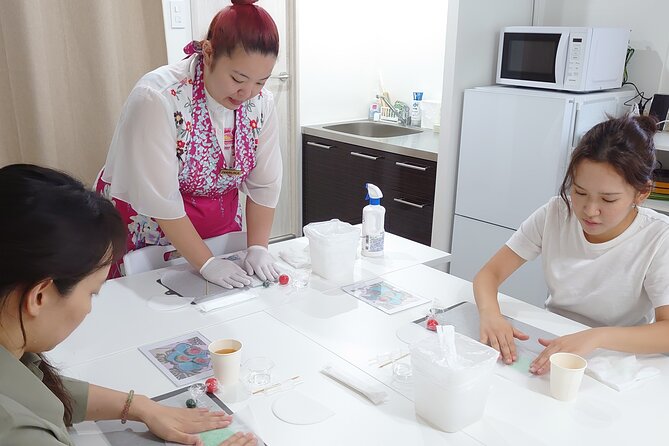
Nerikiri is often associated with higher-quality wagashi served in settings like the tea ceremony. In practical terms, that means it’s crafted with care and attention to appearance—smooth shaping, clean decorative placement, and a finished look that feels deliberate.
In the class, that idea translates into what you’re doing with your hands:
- you knead and build the dough structure
- you color with restraint
- you form petals and details that sit neatly
- you assemble a finished sweet that looks composed
So even if you’ve never attended a tea ceremony, you’ll come away understanding what makes nerikiri feel “premium.” It’s not just taste. It’s presentation and technique.
Also, if you love matcha, keep your eyes open. One experience included making matcha tea with traditional Japanese tools as a bonus. That may not be guaranteed every time, but it’s a good sign that the class atmosphere can be more than just wagashi.
Creative control: how to make your sweets look like you
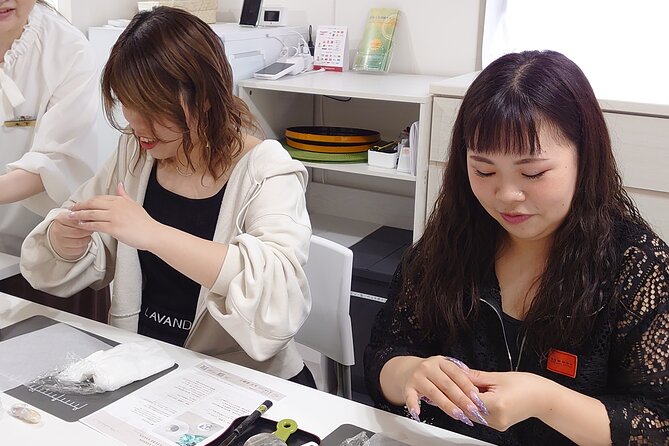
A lot of sweetness classes follow a strict template. This one gives you room to be creative with color and decorative styling. That’s important because wagashi is visually expressive—even when the ingredients stay simple.
Here’s how I’d approach it if you want better-looking results without overthinking:
- Pick a color theme first, then color your dough accordingly
- Focus on clean layering for petals rather than making every detail perfect
- Assemble your flowers thoughtfully before pressing them into place
When you’re done, the combination of your shape + the decorative flowers becomes your finished nerikiri. That final look is where you’ll feel the payoff.
And don’t underestimate the value of slowing down at the end. A minute spent checking how your flowers sit can make a big visual difference in the finished sweet you’ll photograph and eat.
Price and value: is $45.53 worth it?
At $45.53 per person for about 1 hour, this class can be good value if you want a guided first attempt. The price covers instruction, ingredient handling, and the step-by-step coaching that helps you avoid common mistakes—especially with dough texture and shaping.
It’s also not just about the one-time lesson. You’re getting recipes to recreate wagashi at home, which extends the value. For many people, the cost of buying ingredients (plus trial-and-error) can add up fast. This class gives you a structured way to learn what to buy and how to use it.
One more value lever: small-group attention. With a maximum of 8 people, you’re not just paying for ingredients—you’re paying for clarity. When the instructions are easy to follow, you’re more likely to leave with something you genuinely like, not just something you managed to finish.
Who should book this wagashi class in Osaka?
Book it if you like hands-on food experiences, even if you’re not a confident cook. You don’t need special baking skill to start, but you do need patience and willingness to learn by doing. If you enjoy craft-like activities, the decorative flower shaping will feel especially satisfying.
It’s also a great fit for:
- foodies who want something beyond sushi and ramen
- travelers who like small-group classes over big tours
- anyone curious about plant-based Japanese sweets
- people who want a souvenir they can make themselves
Skip it (or consider a different activity) if you want a long, open-ended cooking session. This is short and structured. The goal is clean, guided results in about an hour.
My decision guide: should you book, or look elsewhere?
I’d book this class if you want a memorable Osaka food moment that’s also practical. The combination of nerikiri technique, creativity with colors and flowers, and recipes you can use later makes the experience feel more useful than a typical tasting.
I’d also book if you like classes with real instruction. The strong feedback from participants points to clear guidance and effective English translation (with Fumi specifically mentioned), plus organized steps that help you succeed.
The one reason to hesitate is the location findability. If you hate navigating slightly tricky entrances, arrive early and double-check the Sistima Gallery building before you commit your time.
FAQ
How long is the Beautiful Wagashi making class?
The class lasts about 1 hour.
How much does it cost?
It costs $45.53 per person.
What is the group size?
It’s a small-group class with a maximum of 8 travelers.
Where is the class meeting point?
The meeting point is Banix北堀江 Japan, 550-0014 Osaka, Nishi Ward, Kitahorie, 3-chōme62 システマギャラリー.
Is the meeting point near public transportation?
Yes, it’s near public transportation.
What wagashi will I learn to make?
You’ll learn to make nerikiri.
Are the sweets suitable for vegans or vegetarians?
The class notes that wagashi ingredients used here can be enjoyed by vegans and vegetarians.
Do I get recipes to make wagashi at home?
Yes. You receive recipes for Japanese sweets to make at home.
Can I eat the wagashi there or take it away?
You can eat it at the end of class or take it away.
What is the cancellation policy?
Free cancellation is available up to 24 hours in advance for a full refund.
Can children attend?
Children must be accompanied by an adult.
Should you book this experience? If you want a guided, hands-on Osaka food class that teaches nerikiri technique and gives you recipes to keep going after the trip, it’s a smart pick. Just plan to arrive early so you can find the Sistima Gallery entrance without stress.