REVIEW · OSAKA
Nara Deer Park, Uji Matcha, & Hot Spring Full-Day Tour from Osaka
Book on Viator →Operated by Hotel Takitei · Bookable on Viator
Got deer and matcha in one day? Perfect.
This full-day Osaka tour strings together Nara Park, Uji matcha, and an actual natural hot spring, so you get nature, temples, and a proper rest stop without planning bus routes all day. It’s timed for a smooth flow from morning temple sights to an afternoon tea-and-souvenirs crawl, then ends with a soak.
I especially like the built-in structure: you get round-trip air-conditioned transportation and a guide who helps you hit the right places in a shared-group format. I also like that the deer portion has enough breathing room to slow down for photos and actually interact safely (not just a quick drive-by).
One possible drawback: depending on the guide and group mix, you may get more “group logistics” than deep commentary, and the English level can vary. If you want lots of history-by-history explanations, keep your expectations flexible.
In This Review
- Key highlights you’ll feel right away
- Price and Logistics: What you’re really paying for
- Start in Namba: meeting point and the “be on time” rule
- Nara Park: deer cuddly chaos, managed well
- Todai-ji Temple: giant Buddha, tighter time, big payoff
- Uji Matcha Street and Byodo-in Temple: tea stops that won’t feel like a trap
- Genji-no-Yu hot spring in Uji: the reset you’re paying for
- What group size and guide style means for your day
- Timing reality: a 9-hour day with minimal wandering room
- How to plan your day so it feels good, not hectic
- Should you book this Osaka to Nara and Uji full-day tour?
- FAQ
- How long is the Nara Deer Park, Uji Matcha, and hot spring full-day tour?
- What does the tour price include?
- What costs extra during the day?
- Where do I meet the tour in Osaka?
- What time does the tour start?
- Is lunch provided?
- Are tattoos allowed in the hot spring?
- Is there any cash requirement?
Key highlights you’ll feel right away
- Nara Park deer time that isn’t rushed (plus practical tips on feeding)
- Todai-ji’s Great Buddha in a tight, well-timed window
- Uji matcha shopping with time on your feet along the tea streets
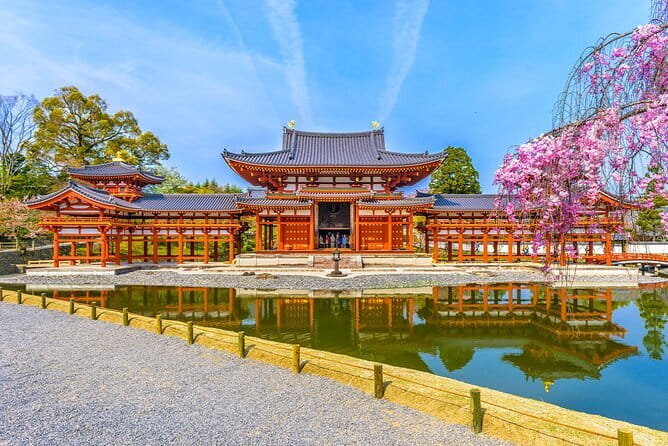
- Byodo-in Temple (UNESCO) as the tea-country anchor
- Genji-no-Yu hot spring soak as your de-stress button
Price and Logistics: What you’re really paying for
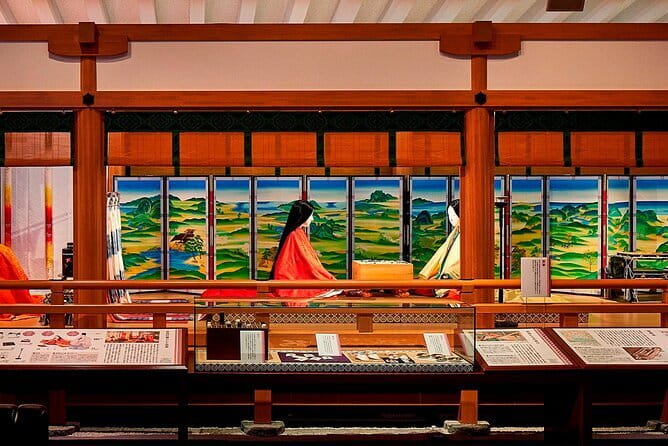
The price is $49.84 per person, and that covers the big-ticket parts that are hardest to line up yourself: round-trip transport from Osaka and a multilingual guide/driver service. Two things cost extra on top: Todai-ji admission (~$5) and Genji-no-Yu hot spring entry (~$9), and lunch is also on you.
So what’s the value? You’re buying convenience plus a guided route through three major areas that would otherwise mean multiple trains, bus transfers, and careful timing. For many people, the cost feels fair if you treat lunch and attractions as add-ons and focus on what you don’t want to manage.
This is a shared-group tour (max 40 people), so don’t expect one-on-one attention. Still, you do get organized stops and a guide to help keep the day on track.
You can also read our reviews of more tours and experiences in Osaka
Start in Namba: meeting point and the “be on time” rule
Your day starts near Nippombashi (Namba Shinsaibashi area), with the pickup at 1-chōme-3-6 Nipponbashi, Chuo Ward. The tour start time listed is 8:30 am, and you’re instructed to look for the guide holding a yellow Gogoday flag, arriving 15 minutes early.
That early start matters because getting to Nara before midday crowds is part of the plan, and later you’ll want enough time in Uji to shop and still make the hot spring.
Bring some cash too. The tour notes that some attractions and shops may not accept credit cards, which is common enough in smaller spots and snack counters.
Nara Park: deer cuddly chaos, managed well
Nara Park is where the fun begins. After meeting your driver and guide, you’ll head out and arrive around 9:50 am, with about 1 hour 30 minutes in Nara Park. Deer here are free-roaming, so your time is mostly about walking, feeding (if you choose), and taking photos without rushing.
What I like about this stop is that it’s not just “look at deer for five minutes.” You actually get time to do the classic Nara rhythm: find a safe place, watch how the deer move in their own patterns, and interact when it feels calm.
Feeding tips are a real difference-maker. In several accounts of guides by name, Etta, Leo, Joe, and Yao are praised for explaining how to feed the deer and how to stay on the safe side of the interaction. Deer can be playful or persistent, so keep your hands steady and be ready to step back if a deer crowds your space.
Also, wear shoes you’ll trust. You’ll be on foot a lot.
Todai-ji Temple: giant Buddha, tighter time, big payoff
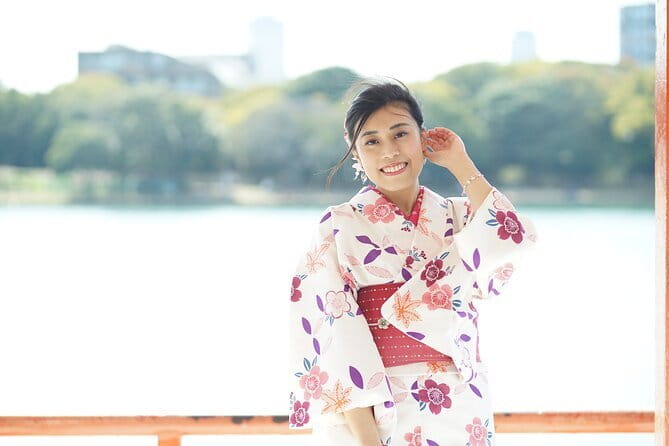
Next comes Todai-ji Temple (UNESCO). You’ll spend roughly 40 minutes here. The big item is the Great Buddha, and this temple complex is one of Japan’s signature “you’re here, it’s real” experiences.
The catch is the time window. Forty minutes is enough to see the main highlights if you keep your pace moving, but it’s not enough for slow wandering and deep reading in every corner. If you love architecture and want to absorb every detail, plan to do your part: decide your must-sees first.
Admission isn’t included, so budget that ~$5 per person. It’s small compared to the overall tour price, but it’s still the kind of fee you want to have ready instead of hunting for payment later.
Uji Matcha Street and Byodo-in Temple: tea stops that won’t feel like a trap
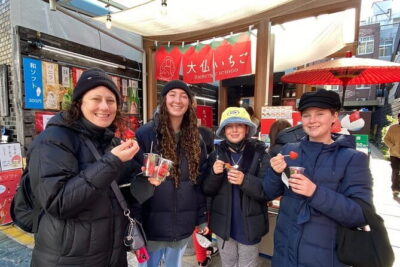
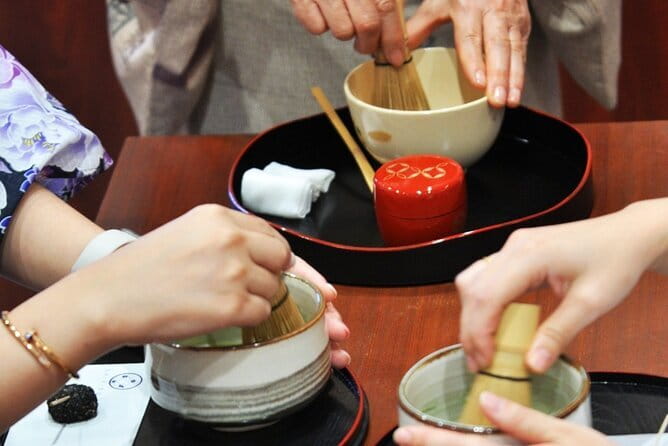
Uji is the calming counterweight to Nara. After Todai-ji, you’ll head into Uji with about 1 hour 30 minutes on the ground. The focus is matcha: you’ll walk around Byodo-in Omotesando Street and hit matcha stores with sweets and snacks like matcha ice cream and matcha cakes, plus tea-flavored treats.
This is where the tour can feel especially fun if you approach it like a mini food mission. Taste a couple things instead of trying to buy everything at once. Uji snacks often sell out or disappear fast if you wait too long.
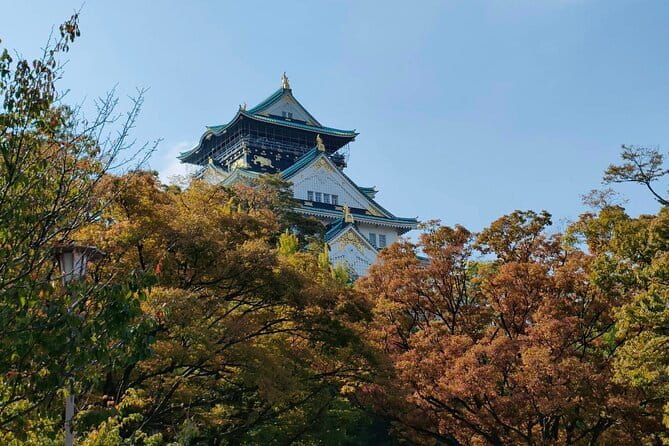
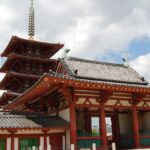
Then there’s Byodo-in Temple, another UNESCO World Heritage stop described as part of the Uji experience. This is a “slow your brain down and look” kind of place. The tour time here is limited, so your best move is to pick your photo angles early and then enjoy the atmosphere.
A practical note: some guides are better at explaining what to prioritize here. In accounts of guides by name, Joe and Etta are highlighted for fun facts and helpful tips, while other experiences describe less English guidance. If you’re hoping for detailed commentary, a friendly guide voice helps a lot.
You can also read our reviews of more tours and experiences in Osaka
Genji-no-Yu hot spring in Uji: the reset you’re paying for
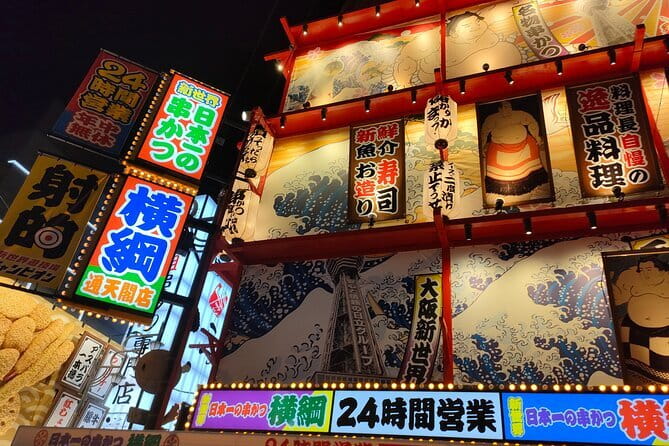
The final stop is Genjinoyu (Genji-no-Yu), the natural hot spring in Uji. You’ll get about 1 hour here, and the entry fee is ~$9 per person (not included).
This stop is more than a casual “nice to have.” It’s the built-in recovery phase after temples and walking. After a day that starts early and moves fast between Osaka, Nara, and Uji, an onsen is a smart finish.
Two key rules to know up front:
- Tattoos aren’t permitted in most Japanese hot springs.
- Bathing is done without clothing, in the standard Japanese way.
If you’re tattooed, double-check before you go, because rules can be strict at the door.
In guided-day accounts, Etta and other guides are praised for making the hot spring part feel smooth and relaxed, not confusing or rushed.
What group size and guide style means for your day
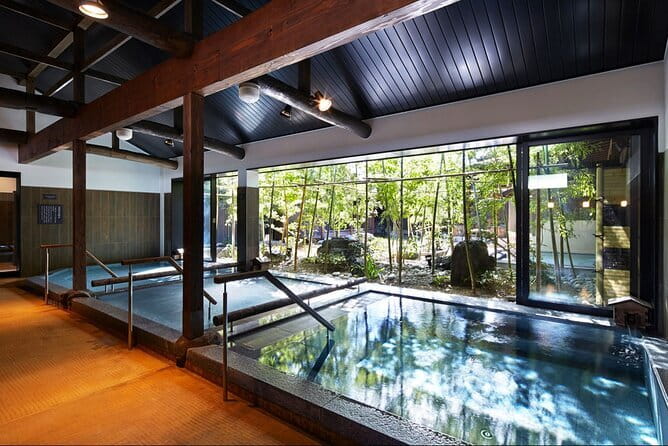
This is a shared group tour, and that changes how the day can feel.
- Max 40 travelers: you’ll have a group rhythm, not a private pacing.
- If the group is under 13 people, the guide may also serve as the driver with basic commentary.
That’s the trade-off. Some days you’ll get a chatty guide who explains history and practical tips, and other days you might mostly get directions and timing. One experience specifically calls out a guide who focused heavily on rules and not enough on the sights, while others named guides like Etta, Leo, Yao, and Joe for being lively and informative.
If English is important to you, it may help to choose a tour like this anyway (because you are still getting route help), but go in with flexibility. Some groups are multilingual, and guides may rotate explanations across languages.
Timing reality: a 9-hour day with minimal wandering room
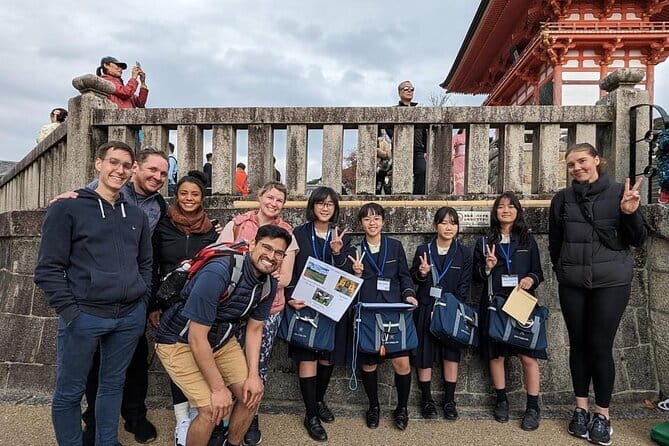
The tour is listed as about 9 hours, which is pretty ambitious for three big areas.
Here’s how that tends to play out: Nara Park gets a chunk of time, Todai-ji gets a short-but-efficient window, and Uji gets just enough time to snack, walk the street, and see Byodo-in without lingering all day. The onsen ends the day with an hour to decompress.
So if you hate feeling rushed, this tour might feel like “see the highlights, move on.” If you like structured sightseeing and don’t mind a faster pace, it’s a great fit.
Also, the tour itself warns that schedules can change due to traffic or weather. It’s wise not to plan an evening event that depends on a hard return time.
How to plan your day so it feels good, not hectic
If you book this, I’d plan your surrounding schedule with buffer:
- Keep your first real meal after the deer/temple swing.
- Don’t stack a late dinner commitment right after you expect to return to Namba.
- Use the hot spring as your true finish line.
What to pack:
- Comfortable walking shoes
- A small amount of cash
- Light layers (temples and outdoor walks can shift with weather)
- If you want snacks, bring an open mind since matcha stops can be varied
And one small mindset shift: in places like Nara, you’re sharing space with deer. Stay relaxed, give them room, and let the moment happen.
Should you book this Osaka to Nara and Uji full-day tour?
Book it if you want a one-day hit list: Nara deer, Todai-ji’s Great Buddha, matcha shopping in Uji, and a natural hot spring finish—without managing train schedules or transfers.
I’d hesitate if you’re the type who needs lots of sustained history talk in English for every stop. Because it’s a shared group tour and guide styles vary, some days feel more “organized route + free time” than “lecture with details.”
My practical take: this tour is a strong value when you care about the highlights and want an easy, low-stress structure. If you want the deepest possible explanation at every site, pair this with your own offline temple notes or plan a longer, slower day in one location later.
FAQ
How long is the Nara Deer Park, Uji Matcha, and hot spring full-day tour?
The duration is listed as about 9 hours.
What does the tour price include?
It includes round-trip transportation in an air-conditioned vehicle, pickup from the Osaka meeting point, and a professional multilingual guide/driver service.
What costs extra during the day?
Lunch is not included. Todai-ji Temple admission and Genji-no-Yu hot spring entry are also not included (listed at about $5 and $9 per person, respectively).
Where do I meet the tour in Osaka?
The meeting point is at 1-chōme-3-6 Nipponbashi, Chuo Ward, Osaka, 542-0073, Japan, and you should look for the guide holding a yellow Gogoday flag.
What time does the tour start?
The start time is listed as 8:30 am.
Is lunch provided?
No. Lunch is not included, so you’ll need to plan for it on your own.
Are tattoos allowed in the hot spring?
The tour notes that guests with tattoos are not permitted in most Japanese hot springs.
Is there any cash requirement?
Yes. The tour advises you to bring cash, since some attractions and shops may not accept credit cards.