REVIEW · OSAKA
Retro Osaka Street Food Tour: Shinsekai
Book on Viator →Operated by Arigato Japan KK · Bookable on Viator
Takoyaki and retro streets go together. This Shinsekai food tour turns Osaka’s evening snack scene into an easy, guided route with real local context, plus hands-on bites like making takoyaki and trying mixed juice. I particularly love the way the guide helps you order with confidence and the photos you can grab around the district’s famous icons. One thing to consider first: the tour isn’t set up for every diet, so if you’re vegan or gluten-free, you’ll want to double-check fit.
For me, the best part is that it feels like you’re learning how locals actually spend time here—shopping lanes, old-school landmarks, and street-food stops—without getting stuck translating menus. Expect a small group (up to 10), around 3 hours starting at 5:00 pm, and an included mix of tastings plus dinner in a restaurant. The only drawback worth planning around is the food pace and the fact that it requires good weather, with possible substitutions if schedules or conditions change.
In This Review
- Key things that make this Shinsekai tour worth it
- Shinsekai at 5:00 pm: why this retro neighborhood works for food
- Price, time, and what $217 buys you (and what it doesn’t)
- Tsutenkaku to Billiken: your first landmarks and why the start matters
- Takoyaki-making and mixed juice: the hands-on part that sets this tour apart
- Ja Jan Yokocho and Isshin-ji: learning the street-food rhythm
- Tower Knife Osaka and Kuromon Ichiba Market: photos, shopping energy, and more bites
- Dinner in a restaurant and the Sennariya Coffee finish
- Diet notes, age rules, and who this tour fits best
- Getting the most from your small-group Shinsekai night
- Should you book this Shinsekai street food tour?
- FAQ
- How long is the Shinsekai street food tour?
- What time does the tour start?
- Where do you meet for the tour?
- How much does it cost per person?
- What’s included in the tour price?
- Does the tour include takoyaki making and mixed juice?
- Is it suitable for vegetarians or pescetarians?
- Is it suitable for vegans or gluten-free diets?
- Is it family-friendly, and are there any age rules for drinking?
Key things that make this Shinsekai tour worth it
- Hands-on takoyaki making plus traditional drinks like mixed juice
- Small group size (max 10) so the guide can keep things moving and clear up menu confusion
- English-speaking local guidance for ordering and learning as you walk
- Multiple food stops across Shinsekai, including areas near Kuromon Ichiba Market
- Photo-friendly landmarks starting at Tsutenkaku and running through the district
- Family-friendly route with vegetarian and pescetarian options available, with clear limits for vegan/gluten-free
Shinsekai at 5:00 pm: why this retro neighborhood works for food
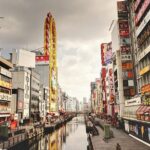
Osaka has a talent for making food feel like part of the city’s daily rhythm, not a once-in-a-lifetime event. Shinsekai is one of the places where that shows up fast. It’s retro, it’s recognizable, and it’s the kind of neighborhood locals enjoy—so you’re not just circling around the usual tourist traps.
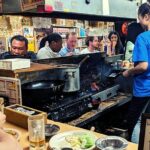
Starting in the early evening (5:00 pm) also matters. Street food is at its best when the city is shifting from daytime errands into nighttime appetite, and Shinsekai’s vibe suits that transition. You’ll spend your time walking through snack lanes and landmark pockets while your guide provides the story behind what you’re eating and seeing. That means you’re not just collecting bites; you’re getting context for why these foods and spots became familiar over decades.
There’s also a practical angle: with an English-speaking local guide, you can focus on what you want to try rather than spending the entire night stuck at menu boards. You’ll still be out in the streets, but the ordering friction drops a lot.
You can also read our reviews of more food & drink experiences in Osaka
Price, time, and what $217 buys you (and what it doesn’t)
At $217 per person for about 3 hours, this tour isn’t the cheapest way to eat in Osaka. So I’d look at value in terms of what you get bundled together: guided route planning, English support for ordering, tastings across several stops, 1 included beverage, and dinner in a restaurant.
You’re also buying the guide’s “local filter.” Food tours can become a simple checklist, but this one is built around Osakan food traditions, including making your own takoyaki, plus drinking and tasting traditions like mixed juice. That kind of structure usually costs more than a walk that’s only about sampling whatever’s in front of you.
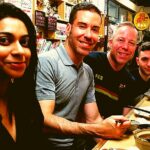
One more value point: it caps at 10 people. Smaller groups tend to mean less waiting, and you can ask questions without shouting over a crowd. The tour also runs with a mobile ticket, so you’re not juggling complicated printed vouchers in the evening.
What’s not included is equally important. You’ll be responsible for transportation costs and any food or drinks beyond what’s included. It also notes that substitutions may happen if restaurants have schedule issues, public holidays, or weather changes—so go in expecting some flexibility.
Tsutenkaku to Billiken: your first landmarks and why the start matters
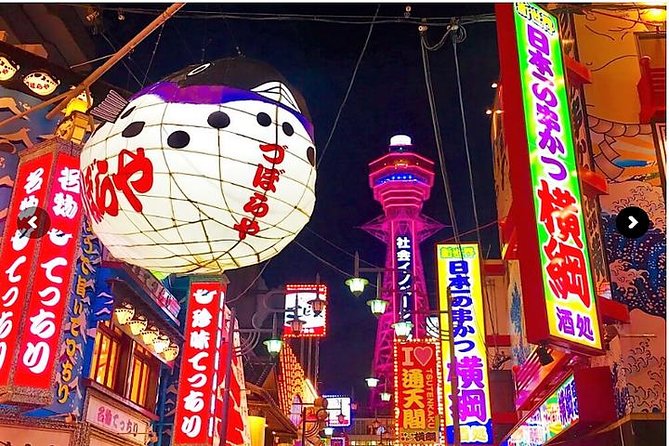
The tour meets at Tsutenkaku, a classic starting point in Shinsekai. That’s smart because it gives you instant orientation: you can visually anchor yourself to the neighborhood’s “retro Osaka” identity, then walk outward from there with your guide. Even if you’ve seen Tsutenkaku photos before, having it as the kickoff point helps you understand the district’s layout as you go.
From there, you’ll work through landmark stops that also act like photo breaks and pacing markers. You’ll hit the Billiken shrine, which is one of those quick-but-meaningful stops in Osaka street culture. It’s not long, but it’s the sort of place where a guide can explain what it represents and how people relate to it.
The early stretch is also where having an English-speaking guide pays off most. You’ll be surrounded by snack counters and menu boards, and you’ll want to know what’s worth ordering and how to handle local “I’ll take one of those” moments. Your guide’s job is to remove that stress so you can stay in the eating mode.
Takoyaki-making and mixed juice: the hands-on part that sets this tour apart
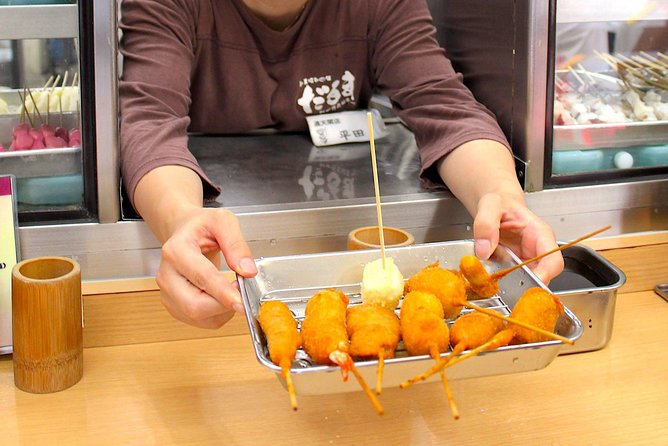
If you’re choosing this tour for one reason, it should be the experience components beyond just walking and tasting. This one includes making your own takoyaki, which changes how you experience the food. Instead of only eating, you’re learning the process and getting a stronger connection to what you’re tasting.
Takoyaki itself is Osaka’s best-known street food brand, and doing it hands-on makes a big difference. You’ll also get a chance to understand how this kind of snack fits into everyday life in Osaka, not just as a souvenir food.
Then there’s mixed juice, another Osaka tradition mentioned as a key part of the tour. Even if you’ve never tried it, a guided tasting is the right way to approach it because the guide can explain the idea and help you decide what’s interesting without leaving you to guess.
Also, the tour description mentions an Osaka-style breakfast included as part of the tasting lineup. That’s a nice twist because it expands the typical street food pattern from only “night snacks” into a broader local-food experience.
One practical consideration: if you’re expecting a huge variety of every dish under the sun, manage expectations. This is a guided route with set experiences and stops, not an all-you-can-sample marathon. The goal is memorable bites plus learning, not endless eating.
Ja Jan Yokocho and Isshin-ji: learning the street-food rhythm
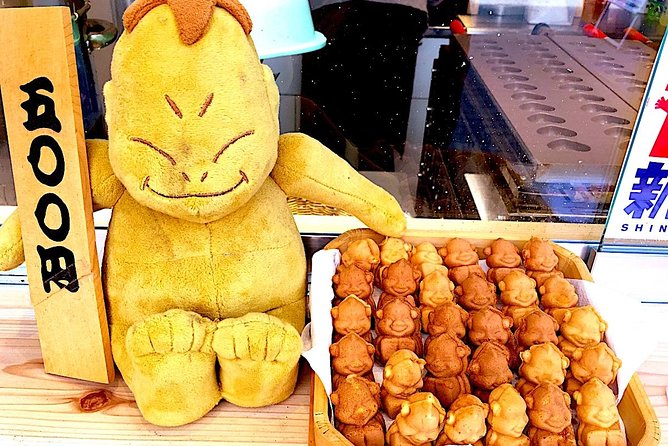
After the landmark start, the route shifts into the parts of Shinsekai that feel like local flow—lanes where people come to shop, snack, and spend time. The tour includes Ja Jan Yokocho, which is a name you’ll want to remember because it’s exactly the kind of street-side atmosphere where Osaka’s food culture feels most direct.
This is where I like the guide’s role most. Street stalls and narrow lanes can be fun, but they also encourage decision fatigue. When you’re choosing what to order while hungry, an English-speaking guide helps you move through menus quickly and avoid ordering something that doesn’t match your tastes.
You’ll also pass through Isshin-ji, another stop that adds variety to the evening. It’s not only about food. Including a temple-area stop makes the walk feel less like a “just eat” route and more like a neighborhood experience—something you can enjoy even if you’re taking photos or just people-watching.
The tour’s messaging is clear: it aims to show you how locals spend their time here, not just where tourists stand. That’s why the pacing matters. You won’t be sprinting nonstop; you’ll have short stops that mix explanation with tastings.
You can also read our reviews of more tours and experiences in Osaka

Tower Knife Osaka and Kuromon Ichiba Market: photos, shopping energy, and more bites
Two names on the route are especially useful if you care about photos and street-scene energy: Tower Knife Osaka and Kuromon Ichiba Market.
Tower Knife Osaka sounds exactly like the kind of playful landmark that makes Shinsekai feel distinct. Even if you’re not trying to recreate tourist photos, it’s the sort of spot where you can get that “only in Osaka” look and take a break without breaking the tour flow.
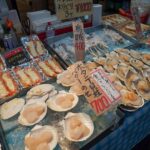
Then you get to Kuromon Ichiba Market, which is a bigger-name food area. Adding it into a Shinsekai street food walk gives you variety: you get the retro feel of Shinsekai while also seeing a market environment where lots of locals shop and snack.
One reason this mix works: it reduces the risk of the tour feeling repetitive. Instead of only tiny stalls in one pocket, you experience different types of food spaces. That matters when you’re paying a premium; variety helps justify the cost.
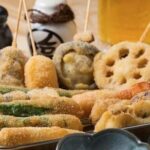
Your tastings are designed to sample different dishes and drinks at multiple places. You’ll walk between stops with a guide handling the menu side, which helps keep your energy for eating and photos rather than translating and queuing.
Dinner in a restaurant and the Sennariya Coffee finish
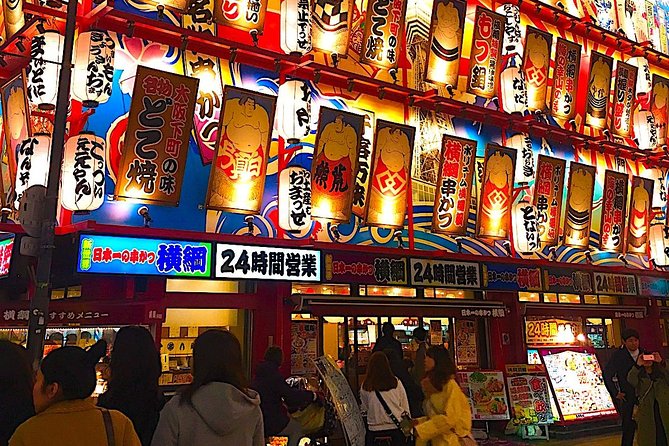
This tour doesn’t end the way some do—just with a last bite and a goodbye. It includes dinner in a restaurant, plus it ends at Sennariya Coffee. That ending spot is useful because it gives you a calm last segment after the street-food pace.
Sennariya Coffee is a good “wrap the night” idea. Even if you’re full, the idea is to slow down and let the evening settle. You’ll also likely have a better sense of what you want to do next in the area once you’re done eating.
One more practical thought: dinner inclusion changes the math. When a tour includes meals, you can budget less unpredictably. You’ll still be tempted to buy extra drinks or snacks, but at least you know you’ve got the structured parts covered.
Diet notes, age rules, and who this tour fits best
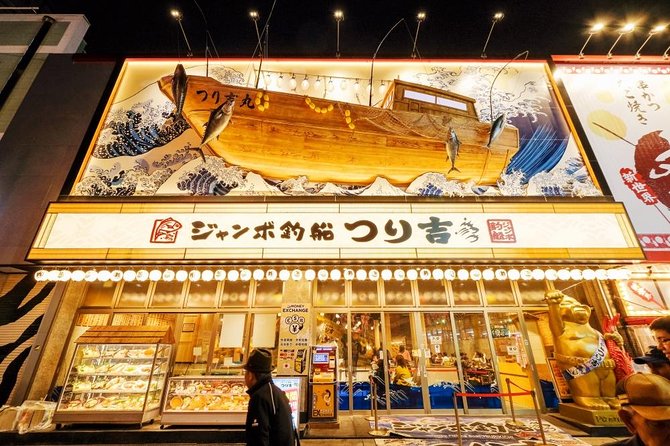
This is family-friendly, and the tour includes guidance that children must be accompanied by an adult. It also indicates vegetarian and pescetarian friendly options. For me, that’s a big plus because you can bring a wider group without everyone feeling locked out.
But there are clear limits. It explicitly says it’s not recommended for vegans and gluten-free. So if either of those is you, I’d treat this as a cautious fit rather than assuming options will be available. The tour does say vegetarian/pescetarian friendly, which suggests it can handle some restrictions, but the vegan and gluten-free callout signals you shouldn’t count on full accommodation.
Another detail to plan around: the minimum drinking age is 21. If your group includes people under 21, that doesn’t necessarily block the tour, but it matters for what you can responsibly order during any beverage portions. Also, the package includes 1 beverage, and the rest is optional.
Finally, the tour says it requires good weather, with substitutions possible. If you’re visiting in a season with heavy rain, keep a backup dinner plan in mind. Still, good weather usually makes walking tours much more enjoyable—especially when you’re hopping between multiple food stops.
Getting the most from your small-group Shinsekai night
A small group of up to 10 can be great, but only if you’re ready to stay flexible. Here’s how to make the route feel smooth instead of rushed.
First, eat light earlier in the day. The tour combines tastings, a hands-on takoyaki component, and dinner, so you don’t want to start starving and then feel too full for everything. If you normally snack a lot, consider skipping a meal or two before the 5:00 pm start.
Second, come with curiosity, not a rigid plan. You’ll be tasting different dishes and drinks, including mixed juice and an Osaka-style breakfast. Let your guide’s choices influence you. If you’re picky, tell your guide what you do and don’t like early so the tour stays enjoyable.
Third, bring a camera mindset. You’ll hit recognizable photo spots like Tsutenkaku and Tower Knife Osaka, and you’ll also be in street lanes where photos come naturally. Even if you’re not a photographer, having the “take a few photos while we wait” mindset helps you enjoy the walking rhythm.
Finally, remember this is an “English-speaking local guide” tour, not a self-guided crawl. Ask questions as you go. If the guide points out something like how a tradition connects to the neighborhood, you’ll get more out of the stop than just the food.
Should you book this Shinsekai street food tour?
I’d book it if you want an easy, guided way to eat in Shinsekai without guessing menus all evening. The mix of takoyaki-making, mixed juice, multiple food stops, and included dinner makes it feel like a complete night plan, not just a snack add-on.
I’d hesitate if you’re vegan or gluten-free, because the tour explicitly says it’s not recommended. I’d also think twice if you’re chasing the absolute lowest cost per hour; at $217 for about 3 hours, you’re paying for guidance, structure, and bundled meals—not only for street-food access.
If you want a retro Osaka experience where the guide helps you understand what you’re seeing and eating, this is a strong fit. If you want to wander completely on your own, you might prefer a lighter, self-guided route. But if you like having someone lead the way, talk through the traditions, and keep the night moving, you’ll likely enjoy this Shinsekai stop-and-sip format.
FAQ
How long is the Shinsekai street food tour?
It runs for about 3 hours.
What time does the tour start?
The start time is 5:00 pm.
Where do you meet for the tour?
You meet at Tsutenkaku: 1-chōme-18-6 Ebisuhigashi, Naniwa Ward, Osaka, 556-0002, Japan.
How much does it cost per person?
The price is $217.00 per person.
What’s included in the tour price?
The tour includes 1 beverage, dinner in a restaurant, a local guide, and 4 food stops.
Does the tour include takoyaki making and mixed juice?
Yes. The tour includes learning Osakan food traditions, making your own takoyaki, and trying mixed juice.
Is it suitable for vegetarians or pescetarians?
The tour is vegetarian and pescetarian friendly.
Is it suitable for vegans or gluten-free diets?
It is not recommended for vegans and gluten-free.
Is it family-friendly, and are there any age rules for drinking?
It is family-friendly. The minimum drinking age is 21 years.