REVIEW · OSAKA
ZEN therapy | Shiatsu-style massage, EnergyTherapy & Japanese Tea
Book on Viator →Operated by 水素セラピーMAITRII · Bookable on Viator
Zen therapy is the opposite of rush-hour self-care. Qi balancing shiatsu and the chance to slip into a Zen monk robe (samue) make this feel more like a ritual than a quick massage, and you’ll end with matcha and a calm head. The only real caution: if you’re skeptical about energy work or want ultra-traditional massage only, you may need to set expectations before you go.
I like that this is set up for relaxation in a private room setting, not a busy public spa floor. You also get a written treatment report describing your energy status and future advice, which turns the session into something you can actually act on later.
Price-wise, it’s $57.23 for a session at MAITRII in Shin-Osaka, and demand looks real since it’s typically booked about 19 days ahead. You’ll also want to choose your length carefully—there are 30, 60, 90, and 120 minute options, even though the overall listing is often described as about 1 hour.
In This Review
- Key things to know before you go
- What Zen Therapy at MAITRII Actually Means for Your Body
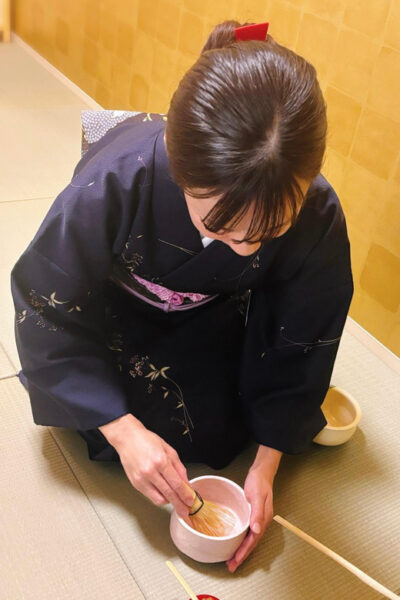
- The Samue Kimono and Matcha Tea Ritual: The Mood Shift You Can Feel
- Crystals, Artificial Quartz, and the Qi/Ki Energy Framework
- The Flow: From Robe Change to Tea Sweets to Your Report
- Choosing 30, 60, 90, or 120 Minutes Without Overthinking It
- Price and Value in Osaka: Is $57.23 Worth It?
- Location Near Shin-Osaka: Simple and Convenient
- Who This Works Best For (and Who Might Skip It)
- Should You Book ZEN Therapy in Osaka?
- FAQ
- How long is the Zen Therapy session?
- Where is the meeting point?
- Is it a private experience?
- What’s included in the session?
- Do I need to bring anything or change clothes?
- What is the cancellation policy?
Key things to know before you go
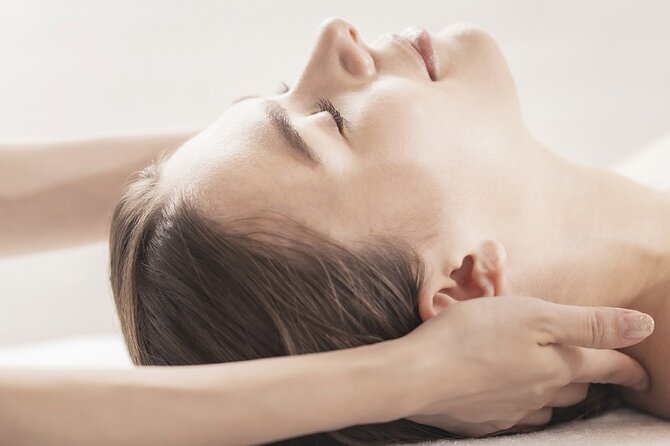
- Shiatsu-style Qi balancing massage focused on releasing stress-based blockages in the Qi/Ki model
- Crystals under the bed and a room energy setup using Japanese crystals
- Artificial quartz used for energy amplification, described as taking years to produce
- Samue Zen monk robe for the session, plus the option to buy one as a souvenir
- Matcha and tea sweets as part of a Zen-inspired tea moment
- A treatment report with your energy status and guidance for what to do next
What Zen Therapy at MAITRII Actually Means for Your Body
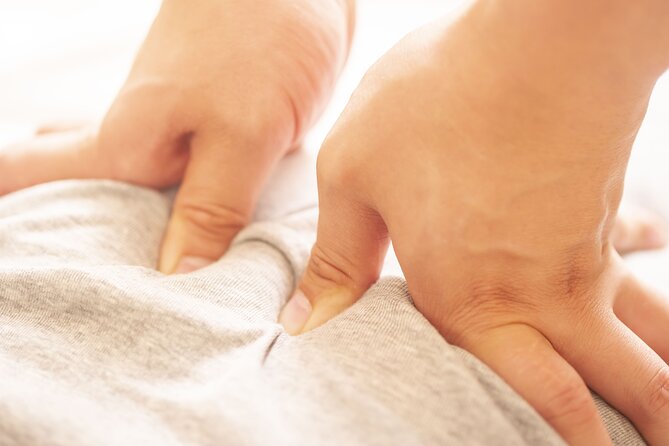
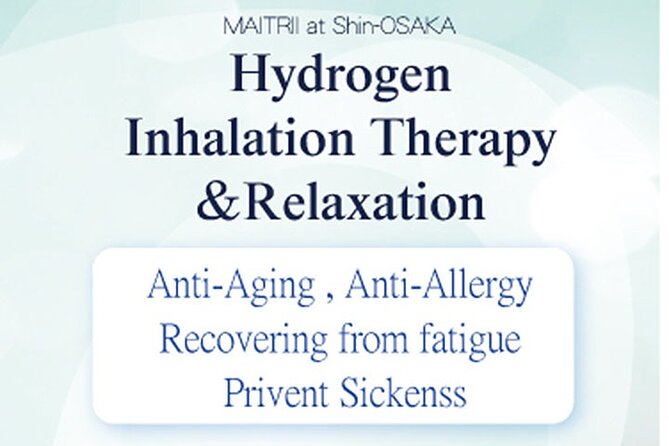
This experience is built around a Zen-style wellness idea: combine shiatsu-style bodywork with energy therapy, then calm everything down with a tea ritual. At MAITRII, the day is also framed around hydrogen inhalation therapy and relaxation, so your session is meant to feel both physical and soothing in a more “whole person” way.
You start by shifting into a quieter mode right away. The goal isn’t just to loosen muscles; it’s to help your body and mind settle into a more comfortable rhythm by working with the Qi/Ki energy concept.
The practical takeaway is simple: if you like massage, you’ll likely enjoy the bodywork. And if you’re open-minded about energy work, the rest of the setup—the crystals, the quartz, the report—gives you a structured reason to keep that calm going after you leave.
You can also read our reviews of more tours and experiences in Osaka.

The Samue Kimono and Matcha Tea Ritual: The Mood Shift You Can Feel
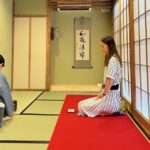
One of my favorite parts of this kind of session is the “container” you’re given, and samue does that job. You change into a Zen monk’s work robe called samue before the massage and energy work, which is a small step that can genuinely change your mindset.
Think of it like travel logistics for your nervous system: you’re less “tourist mode” and more “slow down” mode. You’ll also have that Zen tea moment at the end, including matcha and tea sweets, tied to the idea that Japanese tea culture (often connected to Zen practices) is part of the experience.
If you’ve ever noticed you feel better after a place slows you down—this is designed for that. Even if you don’t fully buy the energy philosophy, the robe-and-tea pacing can still make the hour feel like a reset button.
And yes, there’s an option to purchase a samue as a souvenir. That’s useful if you want to recreate the vibe later, or just like having something that feels authentic rather than generic.
Crystals, Artificial Quartz, and the Qi/Ki Energy Framework
The treatment room is described as being conditioned with high-quality Japanese crystals, and the bed has crystals placed under it. There’s also special artificial quartz involved, described as using detailed Japanese technology and taking several years to complete.
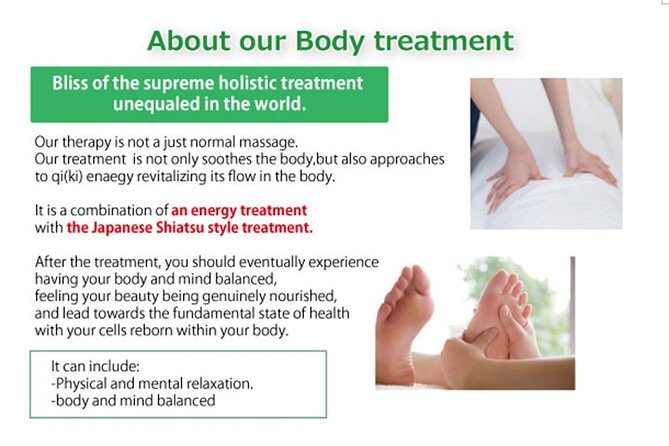
In plain terms, this experience leans hard into the belief that energy matters—and that the environment can be tuned to support healing. The therapist uses the Qi/Ki model to remove unwanted energy that’s associated with toxins and stress, then “recharges” with the needed energetic bioenergy.
You’ll also hear the language of “detoxifying” the mind and thoughts, aiming to calm you mentally as well as physically. The session is done by therapists described as Clinical Energy Medicine Therapists®, so it’s presented as more than casual relaxation, even if you’re still treating it like a wellness stop on your trip.
A balanced way to approach this: don’t expect a magic guarantee. Do expect a carefully staged, calming ritual that combines hands-on work with an energy-therapy framework. If you’re open to that blend, it can feel surprisingly coherent.
The Flow: From Robe Change to Tea Sweets to Your Report
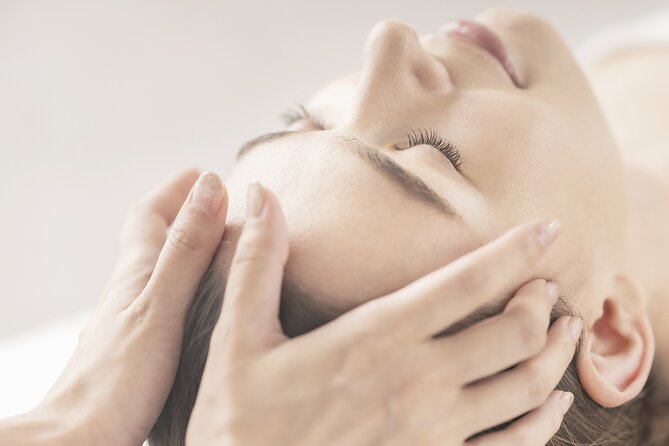
Your session follows a clear sequence, which helps you relax because you’re not guessing what happens next.
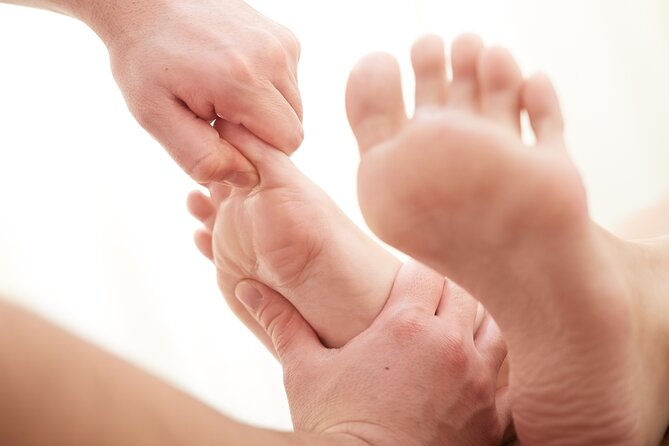
First, you change into the samue Zen kimono. Then the main body portion begins with shiatsu-style body treatment combined with energy therapy, focused on your Qi/Ki balance.
Next, the setup uses crystals under the bed and the special quartz mentioned earlier to amplify what the therapist calls good energy and regulate your energy field. After that, you move into the tea moment—matcha and tea sweets, described like coming out of the session into something lighter.
Finally, you receive a treatment report. It describes your energy status and includes advice for the future, which is a thoughtful touch if you like having a takeaway beyond “feel better now.”
One practical note: your bodywork experience may vary depending on which option you choose. If you’re worried about any part of your body being worked more intensely than you want, you’re advised to choose premium or luxury.
Choosing 30, 60, 90, or 120 Minutes Without Overthinking It
This is where you can get good value. Even though the overall experience is often described as about 1 hour, the session lengths offered are 30, 60, 90, and 120 minutes, with stronger options labeled Essential, Premium, and Luxury (plus a 120-minute Luxury forehand option).
If you want a quick reset after sightseeing, the shorter session makes sense. If you want the full effect of the Qi balancing approach plus tea and time for the report, go longer—especially if you tend to carry stress in your shoulders, back, or hips.
Here’s the practical decision rule I’d use:
- Choose 30 minutes if you only want a focused refresh and don’t care about lingering in a full ritual.
- Choose 60 minutes if you want the “massage + energy + tea + report” flow without rushing.
- Choose 90 or 120 minutes if you want the therapist to spend more time working through your energy balance, and you like longer slow experiences while you’re on vacation.
Also, remember the specific guidance about comfort: if you’re concerned certain areas might feel too elaborate, the experience notes that premium or luxury is the safer choice. So you’re not stuck with a one-size-fits-all session.
Price and Value in Osaka: Is $57.23 Worth It?
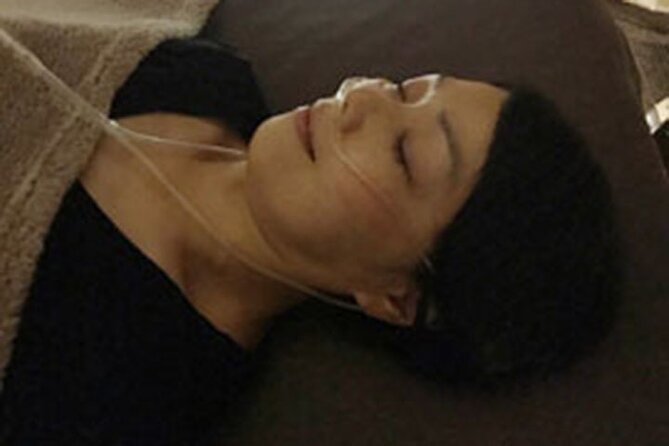
At $57.23 per person, this sits in the category of “meaningful wellness splurge,” not a budget impulse buy. For the price, you’re getting a lot of structure for a single stop: shiatsu-style Qi balancing massage, energy therapy elements, crystals and artificial quartz, matcha and tea sweets, and a treatment report.
And the session is private—your group only. That matters. In a city with lots of shared spa-style experiences, a private room tends to make the whole thing feel more personal and less distracted.
Demand also seems strong, given the average booking time of about 19 days in advance. If you’re traveling during busy weeks, you’ll save yourself stress by reserving early.
Where it could feel less worth it: if you want only purely physical massage with no energy framework, the crystals/quartz/energy report won’t add value for you. In that case, you might prefer a traditional massage appointment elsewhere.
But if you’re aiming for body relaxation plus a Zen-style reset, the pricing looks reasonable for the amount of experience you get.
Location Near Shin-Osaka: Simple and Convenient
The meeting point is at MAITRII, H2 Inhalation Therapy & relaxation, in Shin-Osaka. The address listed is Shi-Osaka-daiichi-bld8F, 5丁目-6-16, 6 西中島, Yodogawa-ku, Osaka.
The good news is that it’s described as near public transportation, so you’re not stuck planning a complicated commute. It’s also set up to end back at the meeting point, so you don’t need to worry about getting across town afterward while you’re still in a relaxed, post-session mood.
If you’re doing this on a day that includes heavy walking, schedule it after your busiest area. You’ll get more out of the calm if you’re not immediately sprinting to your next stop.
Who This Works Best For (and Who Might Skip It)
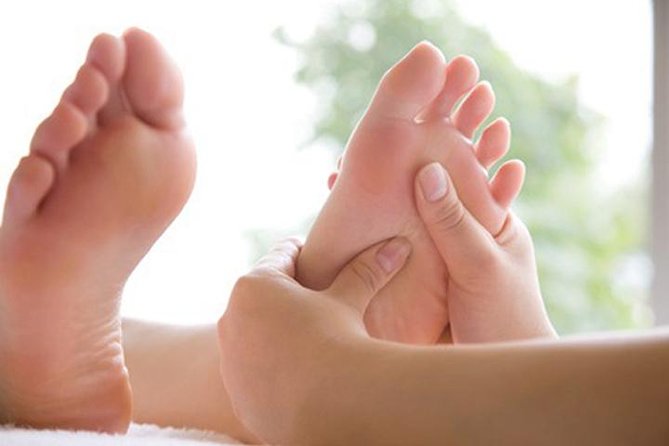
This is a strong fit if you want a vacation break that feels intentional. The mix of shiatsu-style massage, energy therapy concepts, and a tea ritual gives you a full “reset arc,” not just a hand-on-body service.
It’s also a good match if you like Japanese wellness culture and you’re curious about how Zen themes show up in real-life experiences. The samue robe and tea moment aren’t just decorative—they’re part of how the session is meant to shift your state of mind.
Based on the session design, it also makes sense for anyone who wants something beyond a typical spa stop. The crystals/quartz setup and the treatment report are meant to turn relaxation into guidance.
You might skip it if:
- You want a purely Western-style massage experience with no energy framing.
- You’re likely to feel uncomfortable discussing energy-related status or taking the energy report seriously.
- You’re short on time and prefer a quick, no-ritual appointment.
Should You Book ZEN Therapy in Osaka?
If you’re choosing between a standard massage and something more ritual-based, I’d lean toward this one. You’re paying a moderate price for a full sequence: Qi balancing shiatsu, hydrogen inhalation therapy at the MAITRII location, crystal-and-quartz energy elements, matcha and tea sweets, and a treatment report.
Book it if you want relaxation with a structured Zen vibe and you’re open to the energy philosophy. Don’t book it if you need something strictly physical with no mention of Qi/Ki, crystals, or energy status advice.
One last practical tip: pick your session length based on how you want to feel afterward. If you want to step back into sightseeing mode fast, choose shorter. If you want to actually carry the calm into the rest of your day, choose the longer option.
FAQ
How long is the Zen Therapy session?
The experience offers multiple time options: 30 minutes, 60 minutes, 90 minutes, and 120 minutes. The overall listing also describes it as about 1 hour, so check the exact option you book.
Where is the meeting point?
You meet at MAITRII, H2 Inhalation Therapy & relaxation, at Shi-Osaka-daiichi-bld8F, 5丁目-6-16, 6 西中島, Yodogawa-ku, Osaka (Osaka, Japan). It ends back at the meeting point.
Is it a private experience?
Yes. It’s described as a private tour/activity, with only your group participating.
What’s included in the session?
The listed inclusions are a full-body Qi (energy) balancing massage in a shiatsu style using energy therapy, and a Japanese Zen tea ritual. The activity also happens at MAITRII, H2 Inhalation Therapy & relaxation.
Do I need to bring anything or change clothes?
You change into a Zen monk kimono called samue during the treatment. There’s also an option to purchase samue as a souvenir.
What is the cancellation policy?
Free cancellation is available if you cancel up to 24 hours in advance for a full refund. If you cancel less than 24 hours before the experience starts, the amount you paid will not be refunded.