REVIEW · OSAKA
Osaka: Visit the must-see places.
Book on GetYourGuide →Operated by Benzaitentours · Bookable on GetYourGuide
Osaka clicks into place fast with this route. A Spanish guide ties together Osaka Castle and major temples and neighborhoods, so you go from Sengoku-era stone to neon streets without guessing.
I like how the day balances Shitennoji and Isshin-ji with food stops, so you get both religion and everyday Osaka. The other big plus is the guide approach: Manuel Pérez keeps things organized and pays attention to the group. The drawback: it is a full, subway-heavy walking day, so plan for sore feet and keep cash ready.
In This Review
- Key things you will notice on this Osaka day tour
- Why Osaka’s best day is built around a guided loop
- Price and logistics: where the $73 value actually comes from
- Subway-ready from the first minute: Morinomiya to the first stop
- Osaka Castle: Toyotomi Hideyoshi and why the Sengoku story matters
- Shitennoji Temple: Japan’s early Buddhism in a calm garden setting
- Isshin-ji: when Buddhism meets funeral culture and ash-statue tradition
- Shinsekai and Tsutenkaku: neon nostalgia plus kushikatsu time
- Kuromon Market: the Osaka food stop that actually helps you choose
- Namba and Dotombori: Glico Man, Kani Doraku, and the Osaka lights finish
- Manuel Pérez and the Spanish guide touch that turns it from sightseeing to sense-making
- Who should book this Osaka day tour (and who should skip it)
- Should you book this Osaka must-see places tour?
- FAQ
- What’s the starting point for the tour?
- Does the price include transportation?
- Are meals included?
- Where does the tour end?
- What language is the tour offered in?
- Do I need cash for the subway?
- Is the tour suitable for wheelchair users?
- Are baby carriages allowed?
Key things you will notice on this Osaka day tour
- Osaka Castle first, built in the 16th century by Toyotomi Hideyoshi, with context for the Sengoku period.
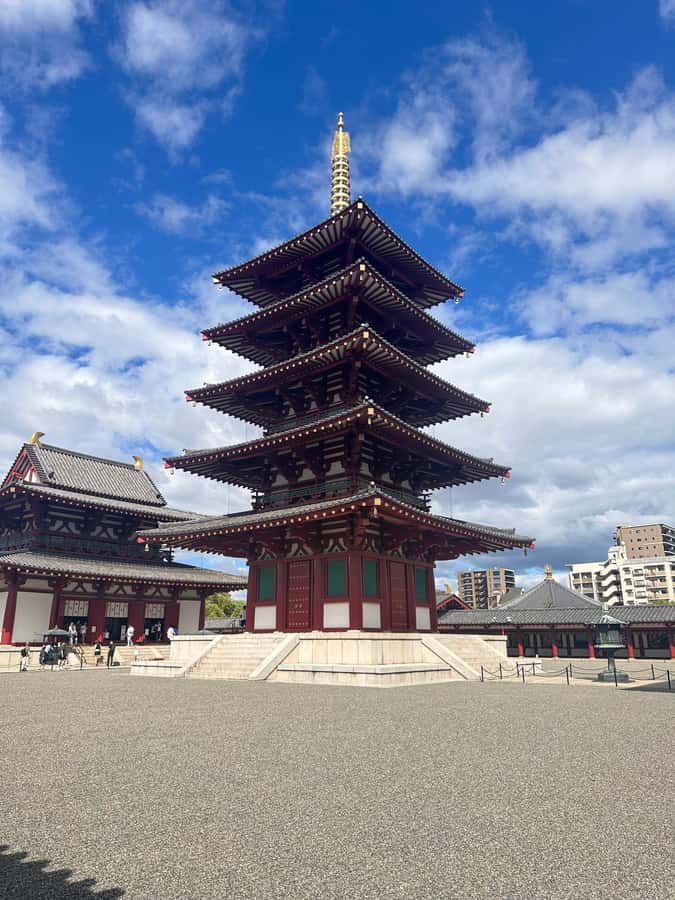
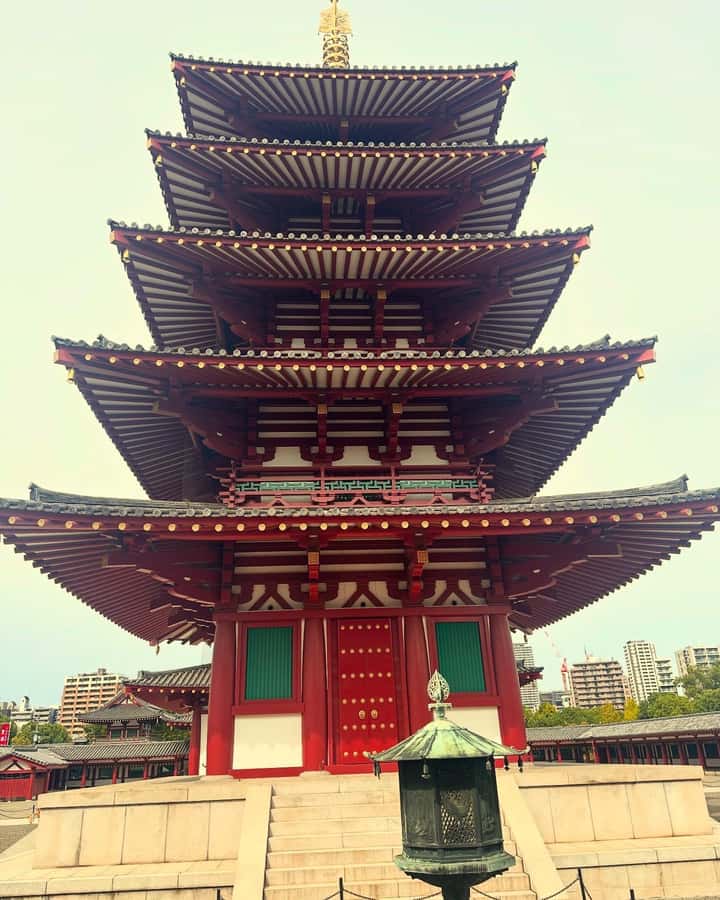
- Shitennoji (founded in 593) with a look through its serene gardens and the imposing five-story pagoda.
- Isshin-ji and its ash-statue tradition, where Buddhist statues are made from human ashes.
- Shinsekai’s retro neon, plus time to try famous kushikatsu and see Tsutenkaku Tower.
- Kuromon Market and the big Osaka sign-off, with Dotombori’s Glico Man and the Kani Doraku crab.
Why Osaka’s best day is built around a guided loop
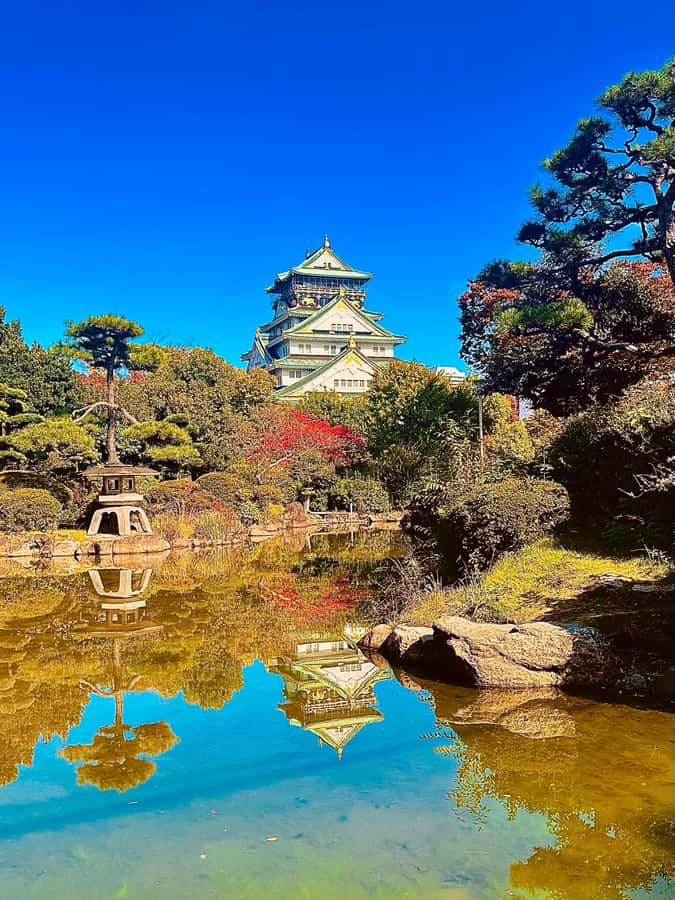
Osaka can feel like a mix of too many directions: castle hills here, temple gates there, and street-food energy everywhere. What I like about this tour format is that it stitches the city into a logical route. You start with a heavyweight historic landmark, then shift into the temples that explain how Buddhism shaped Japan, then end in the neighborhoods that show Osaka’s modern swagger.
You also avoid the classic solo-traveler problem: you can see the places, but miss the meaning. Here, the story comes with the stops. That matters most at Shitennoji and Isshin-ji, where the details change how you see what you’re standing in front of.
One more practical upside: the day is built for a single outing. You are not piecing together multiple half-days, chasing trains, and wondering whether you picked the right sequence.
You can also read our reviews of more tours and experiences in Osaka.

Price and logistics: where the $73 value actually comes from
At about $73 per person, the big value is that transportation by the guide is included. For a day that hops between Osaka Castle, two major temples, Shinsekai, Kuromon Market, and the Namba/Dotombori area, that guidance is the difference between a smooth day and a tiring day.
What is not included is also important: meals, drinks, and personal expenses are on you. That is normal for a market-and-street setting like Kuromon and Dotombori. You should budget for snacks and whatever you choose to try, especially because the tour offers time for food moments like kushikatsu at Shinsekai and bites at Kuromon Market.
You also need to think about transit prep. The tour travels by subway, and you must bring cash or a transit card (ICOCA, SUICA, or PASMO). If you show up without that, you will slow yourself down.
Subway-ready from the first minute: Morinomiya to the first stop
The tour starts at Exit 3B Morinomiya subway station. That’s a strong choice for a day that begins with Osaka Castle, since you’re positioning yourself for a west-side start and then moving through the city by rail.
Bring comfortable shoes and comfortable clothes. This is a walking day with multiple sites. Also bring cash. The tour operator notes it plainly: subway travel is part of the experience, so you need to be ready to tap in or pay as required with cash or your card.
If you are traveling with kids, this kind of structured route can help a lot because it reduces decision fatigue. The day is long, though, so pack water and plan for breaks when you can.
And one more constraint to know up front: baby carriages are not allowed, and the tour is not suitable for wheelchair users.
Osaka Castle: Toyotomi Hideyoshi and why the Sengoku story matters
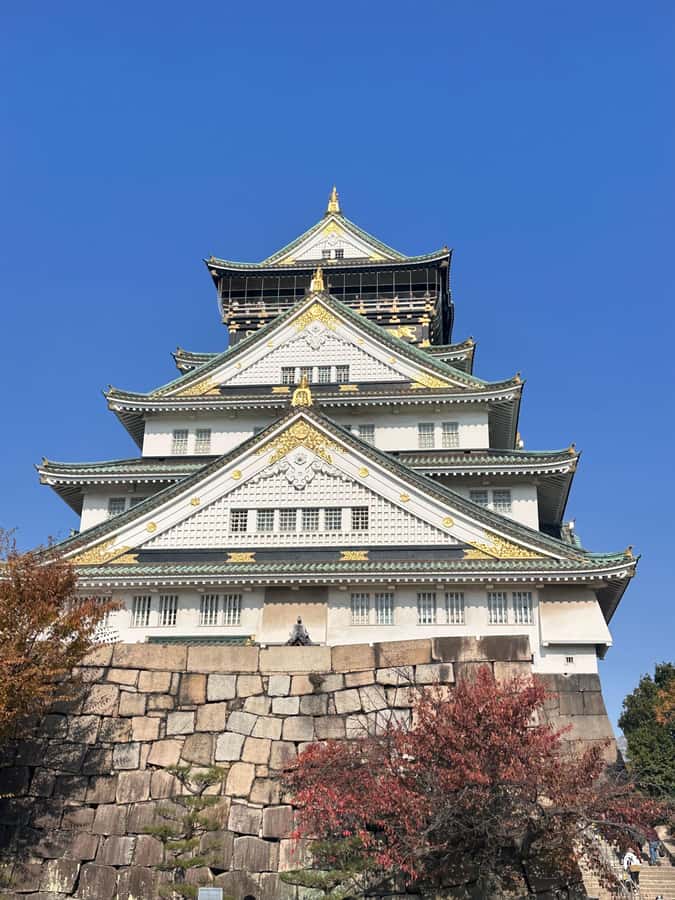
You begin at Osaka Castle, one of the city’s most emblematic structures. The castle itself is tied to a major turning point: it was built in the 16th century by Toyotomi Hideyoshi, and the surrounding story connects to the Sengoku period.
What I like about starting here is that Osaka stops being only a food-and-neon city. You get grounded in why power, alliances, and conflict shaped the region. When you later look at temples and neighborhoods, you can feel the city’s layers more clearly.
The tour includes time to explore the area and the extensive park around the castle. That matters because castle grounds are not just one building you look at and move on. You are learning the bigger context of what the fortress represented, not only what the stone walls look like.
Potential drawback: castle-area walking can add up, especially in warm weather. Wear shoes you can trust for long stretches.
Shitennoji Temple: Japan’s early Buddhism in a calm garden setting
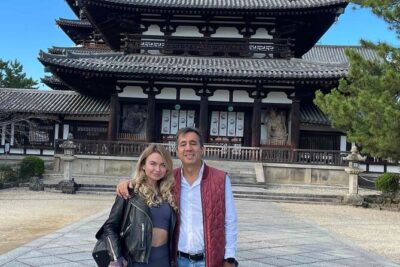
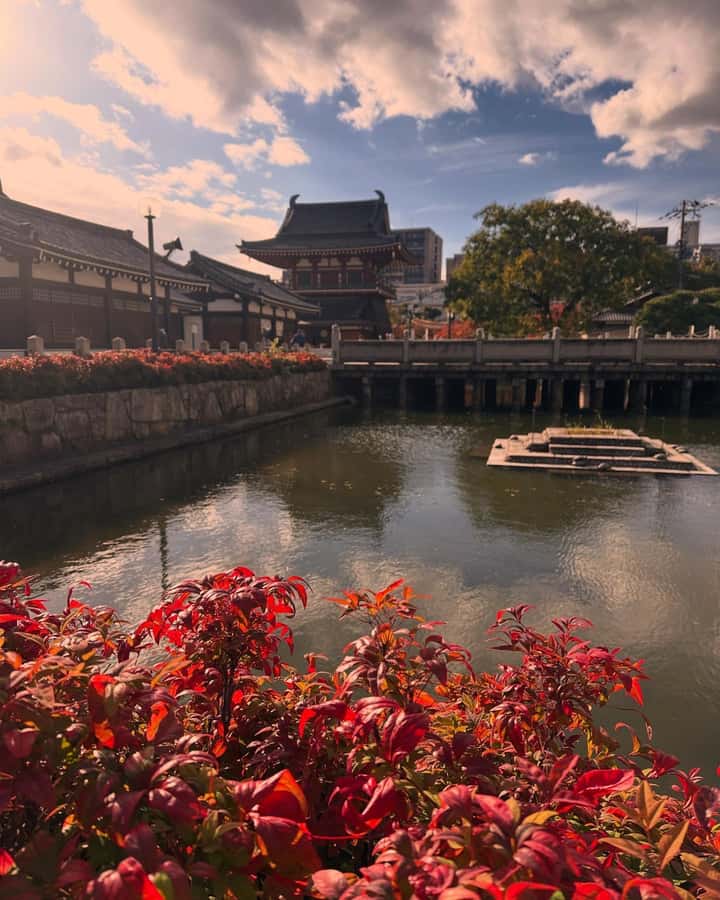
Next comes Shitennoji Temple, described as the oldest Buddhist temple in Japan, founded in 593. This is not a vague temple stop. You get a clear sense of how Buddhism arrived in Japan and how it influenced Japanese culture.
During the visit, you walk through the serene garden and see the imposing five-story pagoda. Those two elements help you slow down in the best way. The garden gives you space to notice details instead of just moving through crowds, and the pagoda reminds you that temple architecture in Japan carries visual weight.
This stop is also a good “translator moment.” If you’ve ever felt confused about what you are seeing at temples, this kind of guided framing helps. Instead of just reading signs, you understand why the site matters historically and culturally.
One consideration: even though the garden feels calm, you’re still on a scheduled day. If you like to linger, you may want to ask your guide how much time you’ll realistically have so you can choose where you want your photos.
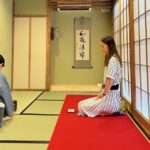
Isshin-ji: when Buddhism meets funeral culture and ash-statue tradition
The tour then moves to Isshin-ji Temple, a unique place that houses Buddhist statues made from human ashes. That detail is heavy, but it is exactly why this stop is memorable.
You’re not just learning about temple history. You’re learning about the link between religion and funeral culture in Japan—how remembrance and the dead can take physical form through Buddhist practice.
Because the tour frames it as a spiritual tradition honoring the deceased, you are more likely to approach the site with the right mindset: respectful, quiet, and attentive to meaning rather than just curiosity.
This is also one of the stops that turns a generic “temples tour” into something you will remember. Even if you visit other religious sites in Japan, this ash-statue tradition is a specific Osaka experience.
Practical tip: because the topic is contemplative, it can feel emotionally intense. If you prefer lighter sightseeing, you might find this stop more draining than Shitennoji. Still, it’s central to understanding how Japan holds its past.
Shinsekai and Tsutenkaku: neon nostalgia plus kushikatsu time
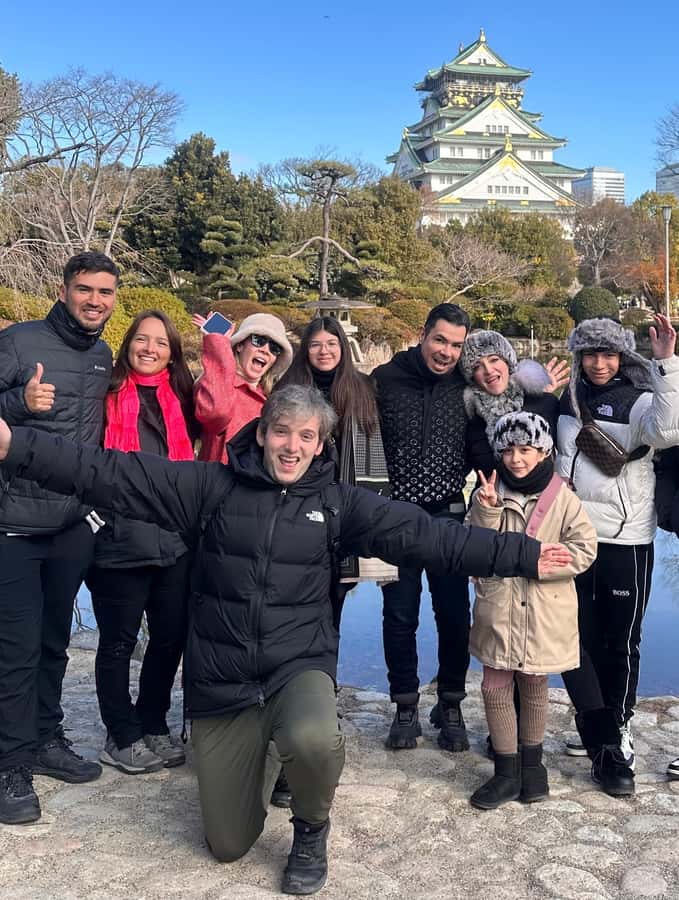
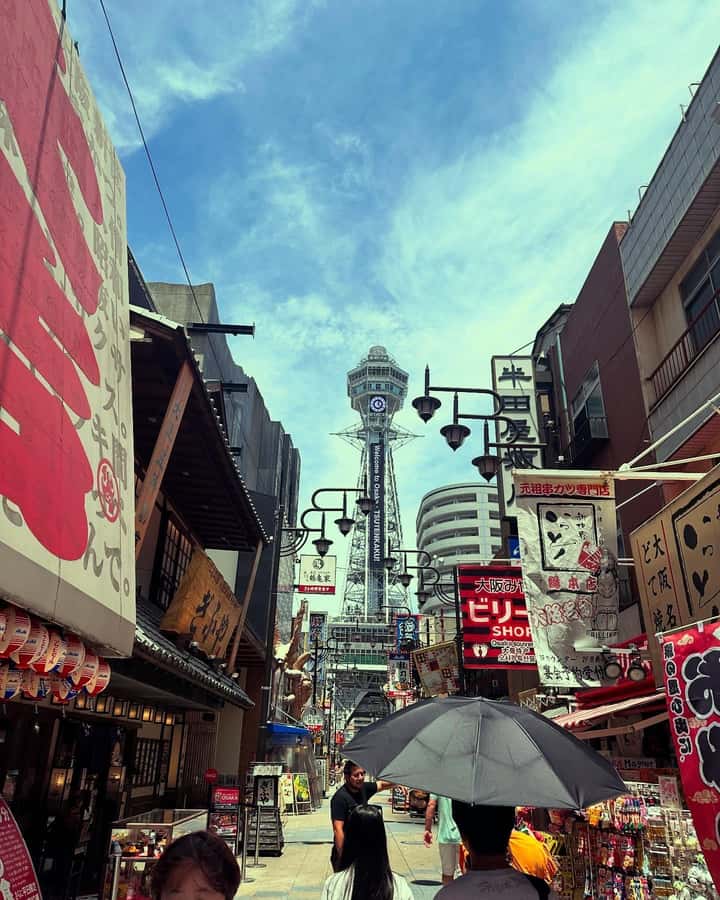
After the temples, the day shifts to Shinsekai, a nostalgic neighborhood known for neon lights, traditional restaurants, and a retro atmosphere. The mood changes fast in a good way. You go from spiritual quiet to street-level energy.
You get a chance to try kushikatsu, the famous fried skewers associated with Osaka’s food culture. The tour’s timing here is useful: you are not chasing food on your own after a long day. You get a guided moment to taste something iconic.
You also visit Tsutenkaku Tower, a local symbol of the area. Even if you do not go deep into observation, the tower helps you understand why Shinsekai became known as a throwback district with a strong identity.
Possible drawback: Shinsekai and its surrounding streets are not the kind of place where you want to wear shoes you regret. If you want to shop and snack, plan for extra movement beyond just photos.
Kuromon Market: the Osaka food stop that actually helps you choose
Then you hit Kuromon Market, often called an essential gastronomic destination. This is where the tour earns its name “must-see” in a practical way.
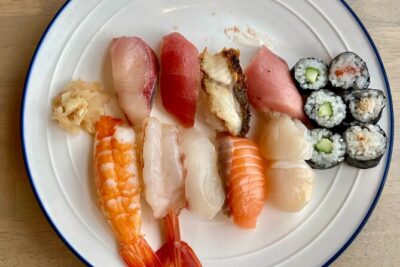
The market is famous for variety: fresh produce and local specialties like sushi, seafood, and wagyu beef. When you go with a guide, you’re less likely to wander hungry and unsure what to buy. You can also ask for recommendations and get pointed toward things that match what you want to eat.
I like market stops on guided days because the guide gives you a reality check: what to look for, what seems worth your yen, and how to handle a chaotic setting without stress. Markets are fun, but they can be overwhelming when you are trying to communicate and keep your bearings.
Because meals are not included, this is the part where you’ll want to decide your budget. Spend too little and you miss the point. Spend too much and the rest of your day becomes a walk you regret.
Namba and Dotombori: Glico Man, Kani Doraku, and the Osaka lights finish
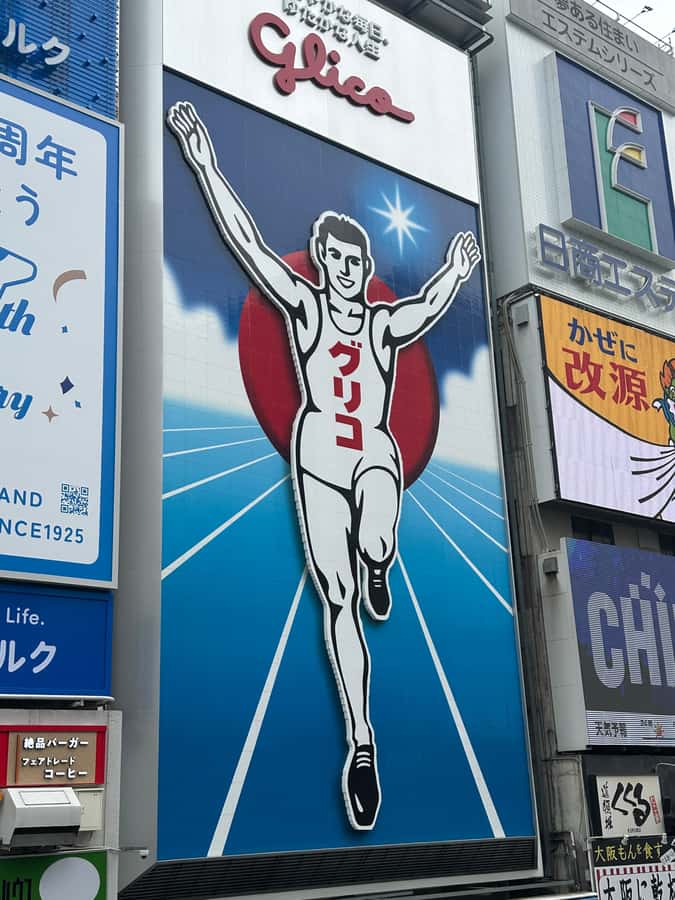
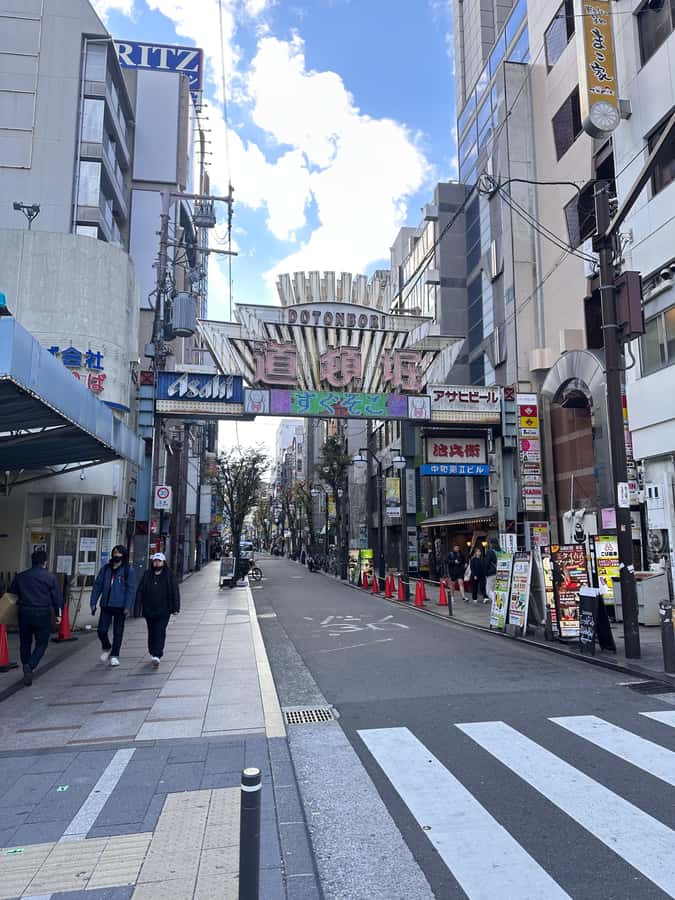
You finish in Namba and Dotombori, the lively heart of the city. This is the Osaka most people picture: bright signs, loud energy, and landmarks you recognize instantly even if you’ve never been here before.
You stop in front of the iconic Glico Man sign and the famous Kani Doraku crab graphic. These are the kind of photo markers that anchor your day. They also help you reset after temple walking. The final vibe is fun and immediate.
This ending location also makes sense. Dotombori is easy to continue exploring on your own afterward because it’s a concentrated entertainment zone. Even if you choose not to shop, you’ll still enjoy the atmosphere.
One consideration: this is where crowds can build. If you want your best photos, ask your guide when to move closer and when to step back for a cleaner shot.
Manuel Pérez and the Spanish guide touch that turns it from sightseeing to sense-making
The tour runs in Spanish, and the guide makes a big difference. Manuel Pérez is repeatedly praised for being kind, helpful, and attentive, plus for explaining history in detail. That matters because many Osaka sights have cultural context that you might not pick up on your own.
The guide also seems to keep an eye on comfort and flow. In hot weather, attention to the group becomes even more important, and here it’s part of the experience. You’re not left wondering how to handle the day. You have someone pacing it and offering practical suggestions.
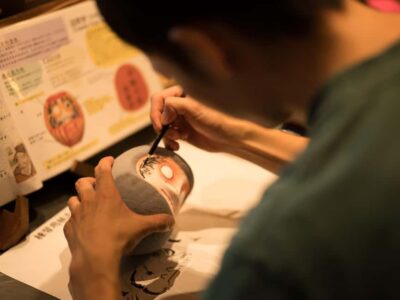
Another plus: you’re not limited to only the official sights. There’s room for extra small moments like quick shop stops and, on some days, timing that can line up with a service you may be able to observe. That kind of flexibility can make the day feel more real, not just staged.
If you want maximum value, ask for eating recommendations before you reach Kuromon or Shinsekai. A good guide will tailor suggestions to what you like and what you’re comfortable trying.
Who should book this Osaka day tour (and who should skip it)
I’d recommend this tour if you want a single-day hit list with meaning, not just landmarks. It fits well for first-time Osaka visitors who want the classic combination: castle, major temples, food markets, and the neon finish.
It’s also a strong option for families, because the day is structured and the guide stays attentive to everyone. Still, it is long and walking-heavy, so it may be better for children who can handle a full outing.
Skip it if mobility is a concern, since it’s not suitable for wheelchair users, and it also does not allow baby carriages. Also skip it if you hate the idea of subway transfers. You’ll be using the subway during the day, and you must bring cash or an IC card.
Should you book this Osaka must-see places tour?
Book it if you want one day that covers the essentials with clear explanations in Spanish. The $73 price feels more reasonable because transportation by the guide is included, and the route hits the big hitters: Osaka Castle, Shitennoji, Isshin-ji, Shinsekai, Kuromon Market, and the Namba/Dotombori climax.
I would not book it if you want a relaxed, slow pace or if you don’t want to budget for food along the way. Meals are not included, and this tour’s best moments (kushikatsu and market bites) depend on what you choose to buy.
If you like your Osaka with structure, stories, and a practical ending in the neon streets, this is a solid bet.
FAQ
What’s the starting point for the tour?
The tour starts at Exit 3B Morinomiya subway station.
Does the price include transportation?
Yes. Transportation by the tour guide is included. Customer transportation is not included.
Are meals included?
No. Meals, drinks, or personal expenses are not included.
Where does the tour end?
It ends back at the meeting point.
What language is the tour offered in?
The tour is offered in Spanish.
Do I need cash for the subway?
Yes. The tour travels by subway, so it is mandatory to bring cash or a transportation card such as ICOCA, SUICA, or PASMO.
Is the tour suitable for wheelchair users?
No. It is not suitable for wheelchair users.
Are baby carriages allowed?
No. Baby carriages are not allowed.