REVIEW · OSAKA
Osaka: Walking Tour to Local Gems, Food & Culture
Book on GetYourGuide →Operated by Localized Walking & Food Tours · Bookable on GetYourGuide
Osaka rewards people who walk with their eyes open, and this route does exactly that with local stories tied to the big scenes. You’ll cover classic Osaka sights like Dotonbori and Kuromon Ichiba Market, but the value is in the guide’s explanations—what you’re looking at, and why it matters.
I especially like how the tour is built for efficiency: about 150 minutes that hits the main highlights without dragging. A second big win is the English-speaking licensed guide—people mention guides such as Rico and J. for clear English and for answering culture questions as you go. One drawback to consider: there’s no included food, and the walking time means you’ll want to plan your snacks around your own budget and schedule.
In This Review
- Key points before you go
- A 150-minute Osaka route that actually fits real schedules
- Meeting at Apple 心斎橋: start easy, find the guide fast
- Shinsaibashi-area stops: learn the context before the big lights
- Dotonbori photo stop: iconic views, explained in plain language
- Hōzenji Temple: a calm pause with a reason
- Kuromon Ichiba Market: market time without food included
- Nipponbashi Denden Town: photo moment, then gadget street reality
- Price and value: what $25 buys you in Osaka
- Who this Osaka walking tour suits best
- Should you book this Osaka walking tour?
- FAQ
- How long is the Osaka Walking Tour?
- What does the tour cost?
- Where do I meet the guide?
- Where does the tour end?
- Is the tour in English?
- Is food included in the price?
- Is this tour suitable for wheelchair users?
- Can I cancel for a full refund?
- Is alcohol allowed during the tour?
- Is there a way to reserve and pay later?
Key points before you go
- 150 minutes that targets the essentials in a tight, walkable loop
- English licensed guide with stories that add context beyond photos
- Stops that include major landmarks plus a temple pause at Hōzenji
- Market time at Kuromon Ichiba without pressure to buy or eat on the spot
- Photo moments built in, like at Dotonbori and Nipponbashi Denden Town
- Finish near Namba Grand Kagetsu, so you can keep exploring afterward
A 150-minute Osaka route that actually fits real schedules
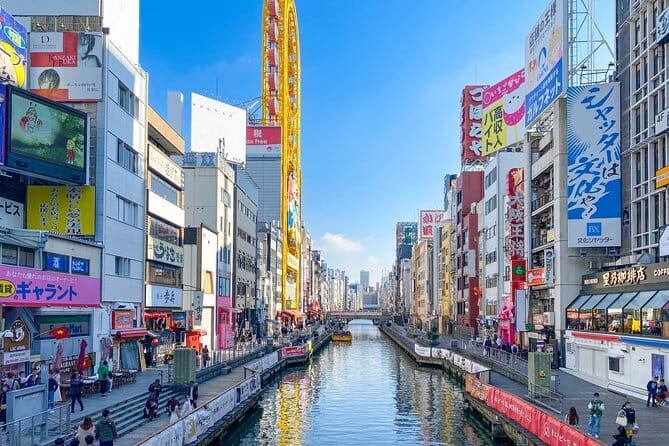
This tour is priced like a quick orientation day, not an all-day commitment. For $25 per person, you’re paying for two things that are hard to DIY: a route that strings together the best-known Osaka areas, and a guide who explains what you’re seeing while you’re moving.
In practical terms, that means less time lost figuring out where to go next, and more time getting your head around Osaka’s personality. The timing is tight enough to feel efficient, but there’s enough stop-and-listen time that it doesn’t turn into a blur.
You should think of it as a “direction-setting” walk. If you’re a first-timer, it helps you place Osaka’s major neighborhoods. If you’ve visited before, it’s still useful because the guide’s stories can reframe what you thought you already understood.
You can also read our reviews of more walking tours in Osaka

Meeting at Apple 心斎橋: start easy, find the guide fast
You’ll meet in front of the Apple store Shinsaibashi. The guide will be holding a sign, so the handoff is straightforward. This kind of meeting point matters in Osaka, where streets can shift and signage can be in layers of kanji and roman letters.
The early part of the tour includes a short guided segment (around 15 minutes) before you start landing at the first viewpoints. That first stretch is where you get your bearings. It’s also where you can ask basic questions—good for first-time visitors who want quick answers before they get pulled into the crowds.
If you tend to hate slow starts, know the tour begins with a setup phase rather than jumping straight into the loudest areas. After that, it moves through the main scenes at a steady pace.
Shinsaibashi-area stops: learn the context before the big lights
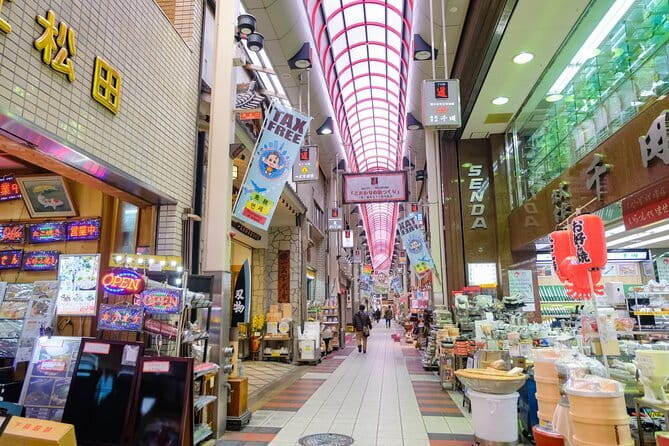
After the meeting point, there are a couple of short guided visits (each about 10 minutes). The exact micro-details of those stops aren’t spelled out here, but the purpose is clear: use the beginning to set Osaka’s cultural framing so Dotonbori and the market don’t feel like random sights.
I like this structure because Osaka can overwhelm your senses fast. If you show up to the neon first, you mostly collect impressions. If you get a little grounding first, the same sights become meaningful. You’ll be better at spotting what the guide points out and connecting it to traditions, daily life, and local quirks.
Tip for your own enjoyment: keep your camera ready, but also stay present. The value is in what the guide connects to what you see next.
Dotonbori photo stop: iconic views, explained in plain language
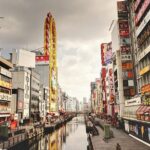
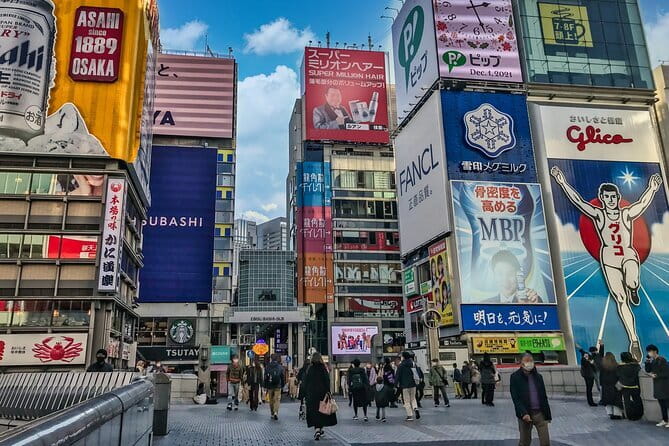
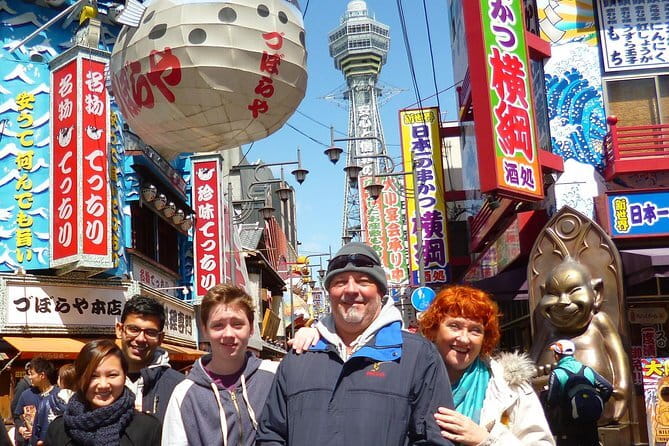
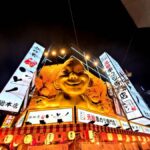
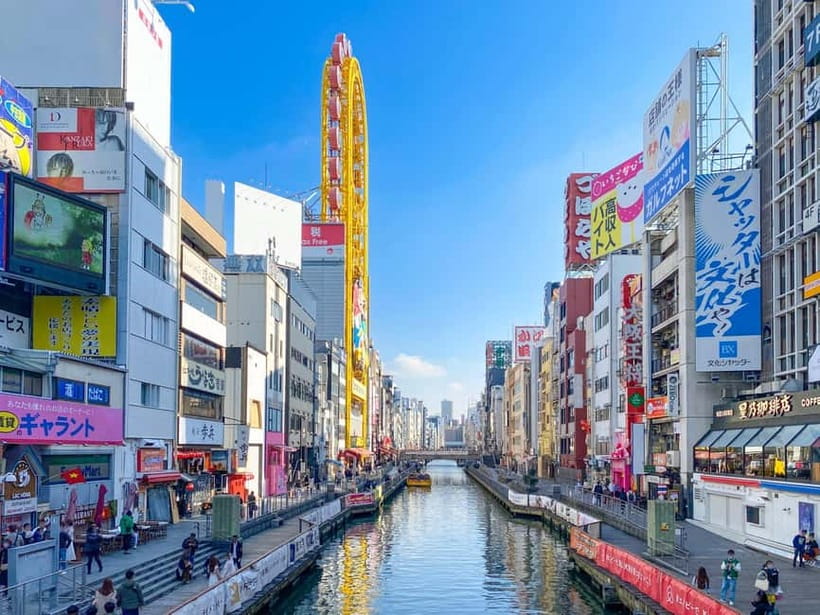
One of the biggest moments comes at Dotonbori, where you’ll get a photo stop plus guided time (about 20 minutes). This is the Osaka everyone recognizes—busy streets, bold visuals, and that unmistakable Dotonbori atmosphere.
What you’re paying for here isn’t the photo itself. It’s the guide’s explanations that help you read the scene: how the area became famous, what local symbolism means, and what to notice while you walk through. People also mention guides who share small historical details, and this is exactly the kind of stop where those details make the neon feel less like just a backdrop.
Practical consideration: this is one of the most photo-friendly areas, so plan to be patient and wait your turn. The guide time helps you avoid aimless wandering, but you’ll still want to move with the group.
Hōzenji Temple: a calm pause with a reason
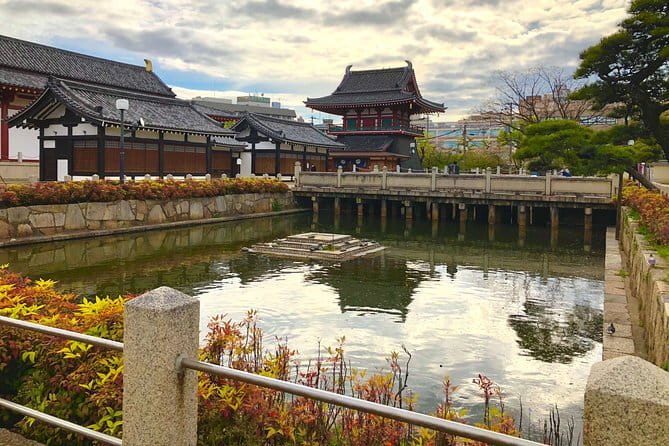
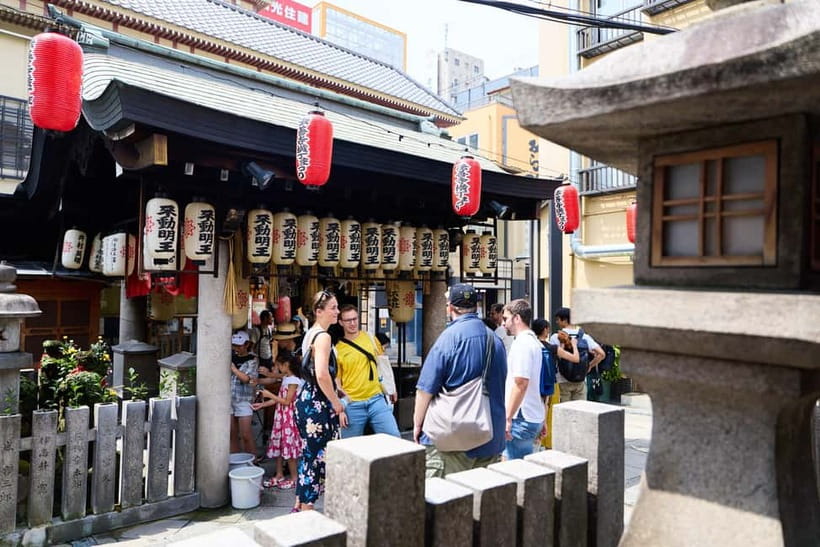
Next is Hōzenji Temple, with about 10 minutes of visit and guided talk. This is a smart break in the itinerary. After Dotonbori’s energy, a temple stop resets your attention and gives you a different side of Osaka—spiritual, quiet, and grounded.
Even in a short window, a good guide can point out what makes the place significant and how it fits into Osaka’s everyday culture. In a short tour like this, the temple works as a “contrast lesson.” You get to see how the city holds tradition close to entertainment districts.
If you like street-level sightseeing but also want one meaningful cultural moment, this stop is the one you’ll probably remember when you look back on your day.
You can also read our reviews of more food & drink experiences in Osaka

Kuromon Ichiba Market: market time without food included

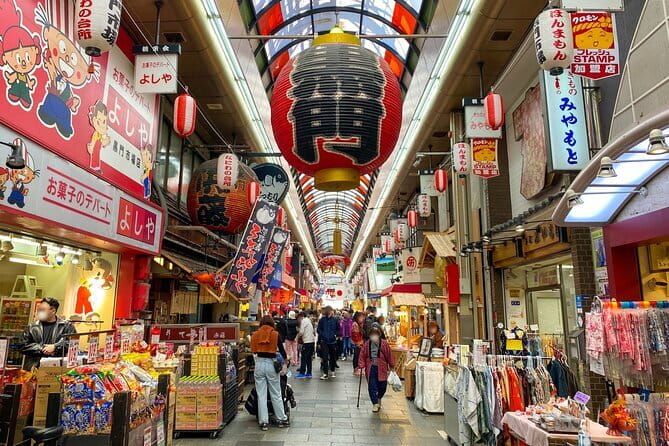
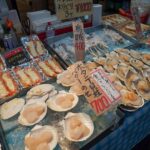
Then comes Kuromon Ichiba Market for about 20 minutes. This is a favorite Osaka-style experience for many people because it feels like local life rather than a staged attraction.
Here’s the tradeoff: food isn’t included. That doesn’t make the market stop less useful; it just changes how you should plan. You can stroll, observe, and pick what you want to eat (or not eat), on your own schedule and budget.
I like markets where you’re free to move at your own comfort level, and a guided window helps because the guide can point out what’s typical and what to pay attention to. Even if you don’t buy snacks, you’ll still learn how the space works—why it’s laid out the way it is, how locals shop, and what sort of atmosphere defines the market.
Practical note: markets can be crowded, and you’ll be on your feet. Wear comfortable shoes, and keep your pace steady so you don’t get separated.
Nipponbashi Denden Town: photo moment, then gadget street reality
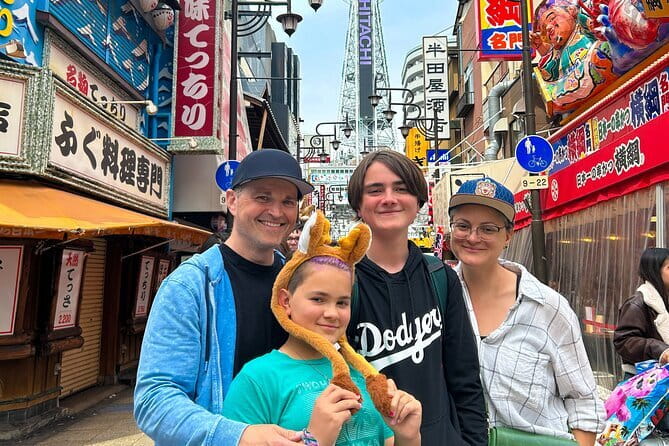
Your tour finishes with Nipponbashi Denden Town, including a photo stop and additional guided time (about 10 minutes photo plus a 10-minute guided visit). This area is known for electronics, games, and the kind of specialty stores that make you feel like you’re browsing a theme.
The photo stop is there for a reason: it helps you capture the vibe of the streetscape, then the guide’s talk helps you understand what kind of shopping culture this is and how it fits into Osaka’s identity. People who like asking questions will appreciate that some guides—like J. in the feedback you provided—are described as responsive when you have questions about Japanese culture, not just the next location.
If you’re into tech, pop culture, or just the fun of specialty shopping streets, this final section is a satisfying wrap. It also makes sense geographically, since you end in the Namba area.
Price and value: what $25 buys you in Osaka
At $25 per person, the tour is positioned as good-value sightseeing with a licensed English guide. You’re not paying for transportation included here, and you’re not paying for food. So the math is simple: you’re buying time saved plus context delivered while you’re walking.
The value becomes strongest when you care about meaning, not just snapshots. Reviews you shared highlight guides such as Rico and J. for entertaining explanations and strong English, and for being available to answer cultural questions. That’s a big deal. When language is clear, you spend less time guessing and more time understanding.
Also, the schedule covers a lot without making it feel like you’re sprinting between far-apart neighborhoods. The route keeps you focused on a practical loop: Shinsaibashi up front, Dotonbori and Hōzenji as the midpoints, the market in the middle, and Denden Town to close. The finish is near entertainment in Namba, which is convenient for your next stop.
Who this Osaka walking tour suits best
This tour is a great match if:
- You want a guided Osaka highlights route in one sitting
- You like learning the why behind what you’re seeing
- You prefer an efficient plan (about 150 minutes) over a full-day itinerary
- You’ll enjoy markets and a specialty shopping district, not just temples and monuments
It may be less ideal if:
- You need wheelchair accessibility (it’s not suitable for wheelchair users)
- You strongly prefer food to be included in the ticket price
- You dislike being in a group for short guided segments
Should you book this Osaka walking tour?
If you want Osaka in a compact, guided format—Shinsaibashi to Dotonbori, plus Hōzenji, Kuromon Ichiba, and Nipponbashi—this is a solid pick. The price is fair for what you get: a licensed guide, English interpretation, and a route that keeps you focused on the best-known areas while adding stories that make the day feel smarter.
If you’re the type who enjoys asking questions, you’ll likely get extra value from how guides like Rico and J. handle cultural questions in plain English. Just go in knowing food isn’t included, wear comfy shoes, and treat it as a walk that mixes famous sights with a couple of meaningful pauses.
FAQ
How long is the Osaka Walking Tour?
The tour duration is 150 minutes.
What does the tour cost?
The price is $25 per person.
Where do I meet the guide?
Meet the guide in front of the Apple store Shinsaibashi. The guide will be holding a sign.
Where does the tour end?
The tour finishes at Namba Grand Kagetsu.
Is the tour in English?
Yes. The live tour guide offers English.
Is food included in the price?
No. Food is not included.
Is this tour suitable for wheelchair users?
No. It is not suitable for wheelchair users.
Can I cancel for a full refund?
Yes. You can cancel up to 24 hours in advance for a full refund.
Is alcohol allowed during the tour?
No. Alcohol and drugs are not allowed.
Is there a way to reserve and pay later?
Yes. You can reserve now and pay later, keeping your plans flexible.