REVIEW · OSAKA
Osaka: Walking Tour and Top Highlights
Book on GetYourGuide →Operated by Osaka JOINER · Bookable on GetYourGuide
That neon strip in Dotonbori hits fast. This 4-hour walk strings together Osaka’s big landmarks and food stops with a real guide at your side.
I like the way Osaka Castle sets the tone, then you pivot to Shitennoji for a different side of Japan’s past. I also really appreciate the human touch: guides such as Buchi and Tony are called out for clear English, patient pacing, and even helping with photos.
One watch-out: it’s not truly all-inclusive. You’ll still pay for subway rides and the castle entry fee (plus food is on your own), so budget a bit extra beyond the $64.
In This Review
- Key moments that make this tour click
- Getting your bearings in Namba Walk before the walking starts
- Osaka Castle grounds and Hokoku Shrine: the view stop that sets the theme
- Shinsekai and Tsutenkaku: old-school Osaka with breathing room
- Shinsekai Market tea ceremony: a short break that doesn’t waste your day
- Shitennoji Temple: one of Japan’s oldest temple experiences
- Kuromon Ichiba Market: Osaka’s kitchen for street food and snacks
- Dotonbori neon at the end: photo stop first, then your own choices
- Price and logistics: what $64 covers, and what you should budget
- Why the guide matters (and which strengths you’ll want)
- Who should book this Osaka walking highlights tour
- Should you book Osaka JOINER’s 4-hour highlights walk?
- FAQ
- How long is the Osaka walking tour?
- Where do I meet the tour?
- What are the main stops on the itinerary?
- Are subway fees included in the price?
- Is Osaka Castle entry included?
- Do you include food during the tour?
- What should I bring?
- Does the tour run in rainy weather?
- Is pickup available for cruise passengers?
Key moments that make this tour click
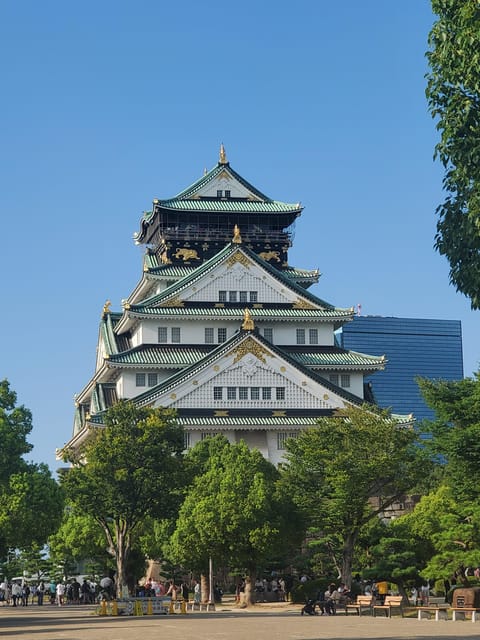
- Osaka Castle photos with a guided park walk: Great viewpoint energy before you move on.
- Shinsekai + Tsutenkaku with actual free time: You get room to snack and wander, not just stand and stare.
- Tea moment at Shinsekai Market: A short reset that breaks up the walking.
- Kuromon Ichiba Market food time: A focused window for street snacks and seafood-style browsing.
- Dotonbori neon wrap-up: Photo stop first, then you’re set up to keep exploring on your own.
- English guide support for photos: Useful when you want good shots without hunting around.
Getting your bearings in Namba Walk before the walking starts
Most days in Osaka start with a plan, not luck. This tour begins at a base inside Namba Walk, an underground shopping corridor. Your store sits between exit B21 and B23, between DOCOMO and MIZUNO, and there are two walkways inside, so if you don’t see the first route, walk to the other side.
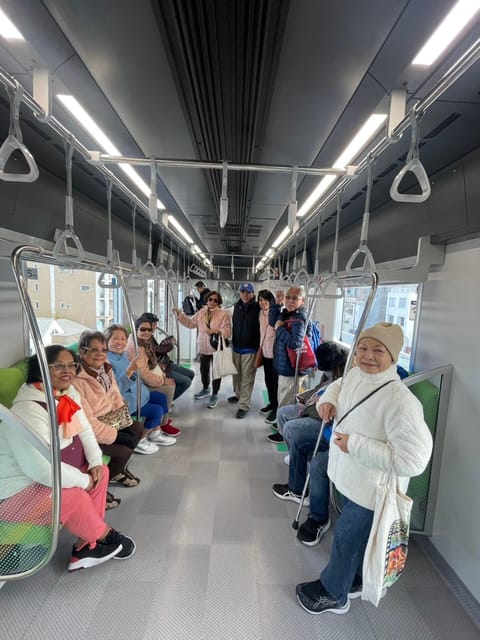
Getting a quick subway segment early helps you save energy for the main sights. In the schedule, you’ll use the metro between blocks, then switch into walking at key moments like Kuromon and Dotonbori. If you’re the type who likes knowing what train line to take before your feet get tired, this structure does that.
For pickup options: you may meet your guide holding a sign reading Osaka JOINER (and they may not always have it right at every moment). For cruise passengers, there’s an optional pickup near the terminal for an added fee, but you must ask ahead.
You can also read our reviews of more walking tours in Osaka


Osaka Castle grounds and Hokoku Shrine: the view stop that sets the theme
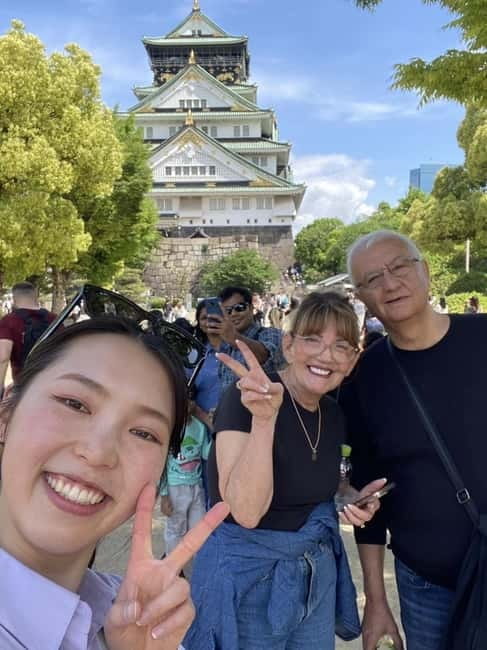
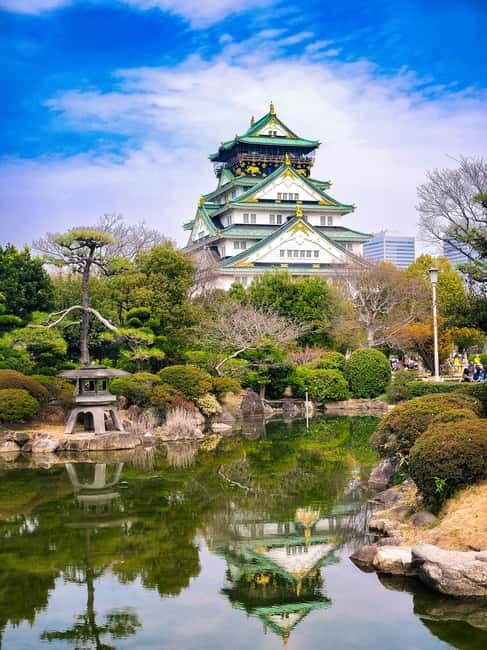
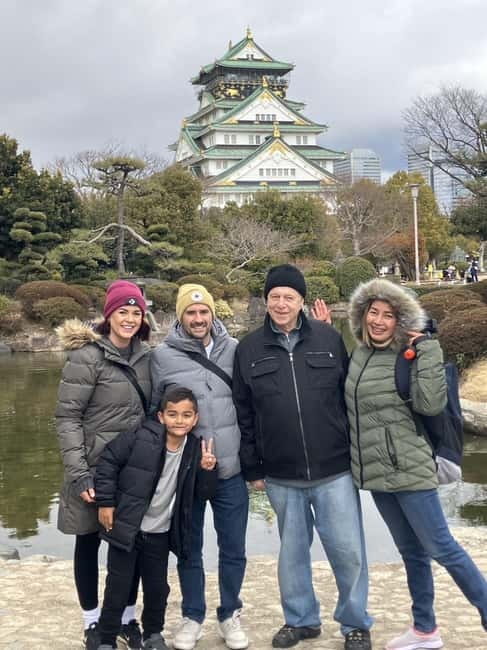
You’ll spend about 50 minutes at Osaka Castle for a photo stop plus time to see the grounds and the park area. The big value here is context. The castle isn’t just a postcard; it’s also a way to understand why Osaka became such a strategic city and how the locals use the park space around it.
One detail matters for planning: castle entry fees are not included (listed at 1,200 yen). If you want inside views, set aside cash for that. If you’re happy with the outside grounds, you can still get plenty of photo angles and walking paths without paying extra.
Next up is a quick pause at Hokoku Shrine for a photo stop and a short guided visit. It’s the kind of stop that works well in a tight itinerary: brief enough to keep momentum, but still meaningful as you move from “big landmark” to “small cultural stop.”
A small practical tip: wear shoes you can keep on all day. Even with short breaks, this day is built around walking and moving between zones.
Shinsekai and Tsutenkaku: old-school Osaka with breathing room
After another short metro hop, you land in Shinsekai, a district that feels like it remembers older Osaka. The tour gives you about 20 minutes with break time and free time, plus shopping and walking. That free chunk is important because it lets you follow your own nose—snack shopping, quick photos, or just watching the street scene.
Then you’ll head to Tsutenkaku Tower for a photo stop plus sightseeing time (about 10 minutes). This is one of those iconic Osaka visuals. Even if you’ve seen it in photos before, seeing it at street level changes how it feels, and the guide helps you notice the details you’d otherwise skip.
One thing I like about this section is that it’s not only history. It’s “today Osaka,” with casual street energy. If you want your morning to include actual strolling and quick bites—not just temples and museums—this is where the tour earns its keep.
Shinsekai Market tea ceremony: a short break that doesn’t waste your day
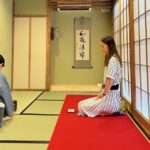
You’ll visit Shinsekai Market next for about 15 minutes, including a tea moment and a tea ceremony. If you selected the option for a matcha tea experience, this is where that fits in the day.
In a 4-hour schedule, tea stops can feel like filler. Here, it mostly works as a reset: you get a moment to sit, cool down, and regroup before you head toward more structured sightseeing. It’s also a nice cultural pause that feels connected to the neighborhood you’re already in.
This stop is also handy if your day is a mix of food and walking. Tea keeps the momentum going without adding another full meal you might not have time to enjoy later.
Shitennoji Temple: one of Japan’s oldest temple experiences
Shitennoji is one of the anchors of this itinerary, with about 30 minutes for a photo stop and guided sightseeing. The tour calls out the fact that it’s one of Japan’s oldest Buddhist temples, and you’ll see its historic architecture and gardens.
For me, the best part of bringing Shitennoji into an otherwise modern-food itinerary is the contrast. You get a change in sound, pace, and space. Instead of neon and shopping corridors, you step into a calmer site where details matter more than speed.
The guide time here matters because a temple complex can look similar to you at first glance. With a short explanation, you’re more likely to notice what’s arranged where, what’s being preserved, and why locals still treat it as a living place rather than just a photo spot.
This stop is a good “breather” before the food-heavy final stretch.

Kuromon Ichiba Market: Osaka’s kitchen for street food and snacks
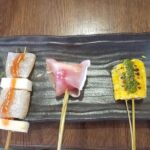
If Osaka has a best-of-both-worlds food zone, Kuromon Ichiba Market is it. You’ll get about 20 minutes here for a break, breakfast/snack time, shopping, and food tasting.
The tour frames it as Osaka’s kitchen, and that’s a helpful mental model. This is a market where you can sample, compare, and snack without committing to a full sit-down restaurant. You can also pick up quick items if you’re continuing exploring afterward.
Because food isn’t included, your real job is to decide what you want to sample. Go in with one plan (like seafood-style snacks or savory bites) and one flexible plan (anything the guide recommends on the spot). If you want to keep costs down, treat tastings like sampling rather than ordering a full meal.
It’s also smart to come with cash or a payment method ready, since markets run on speed. Your guide can point you toward what to try first so you don’t waste time guessing.
Dotonbori neon at the end: photo stop first, then your own choices
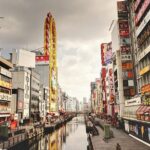
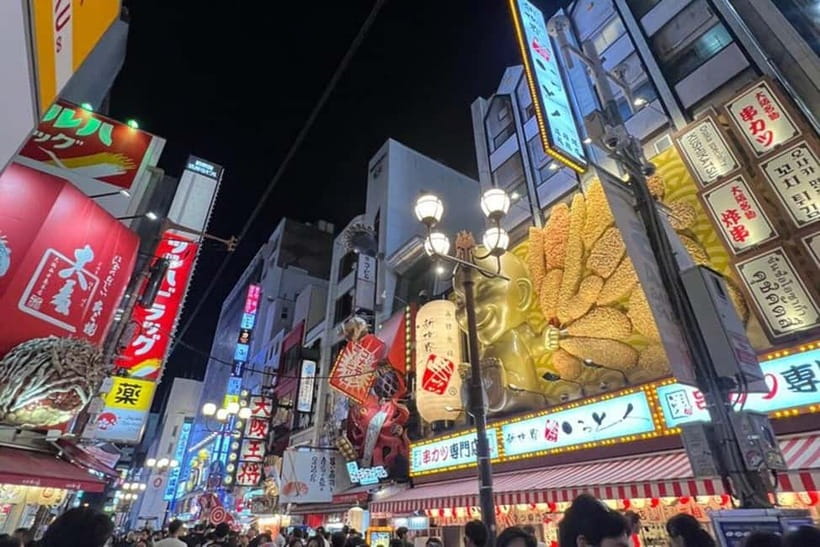
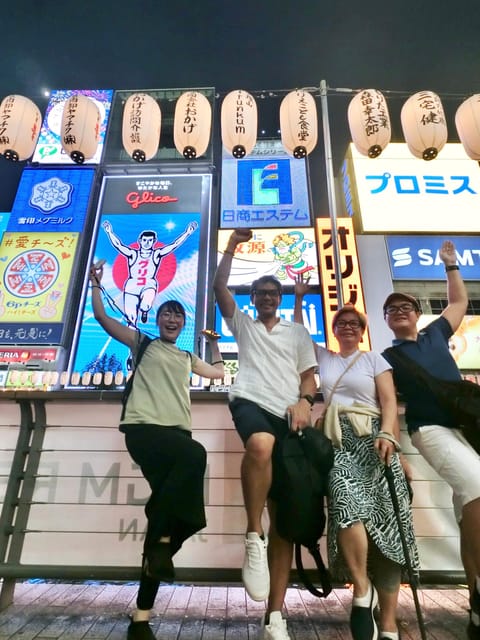
The tour finishes with Dotonbori, around 15 minutes for a photo stop and visit. Expect neon lights, busy streets, and a lot of temptation when it comes to snacks and quick shopping.
This timing is deliberate. Dotonbori can easily take over your entire day, so placing it near the end keeps you from overcommitting. You get the “I’m in Osaka” moment, plus enough time to decide how long you want to stay after the tour ends.
Depending on your stamina, you can either keep walking the main streets for more photos or duck into side lanes for less intense crowds. The guide also helps set you up with good next steps, which is especially helpful if it’s your first time in the area.
The tour drop-off is listed as Dotonbori, Osaka, which is exactly where you’d want to be if you’re continuing the night on your own.
Price and logistics: what $64 covers, and what you should budget
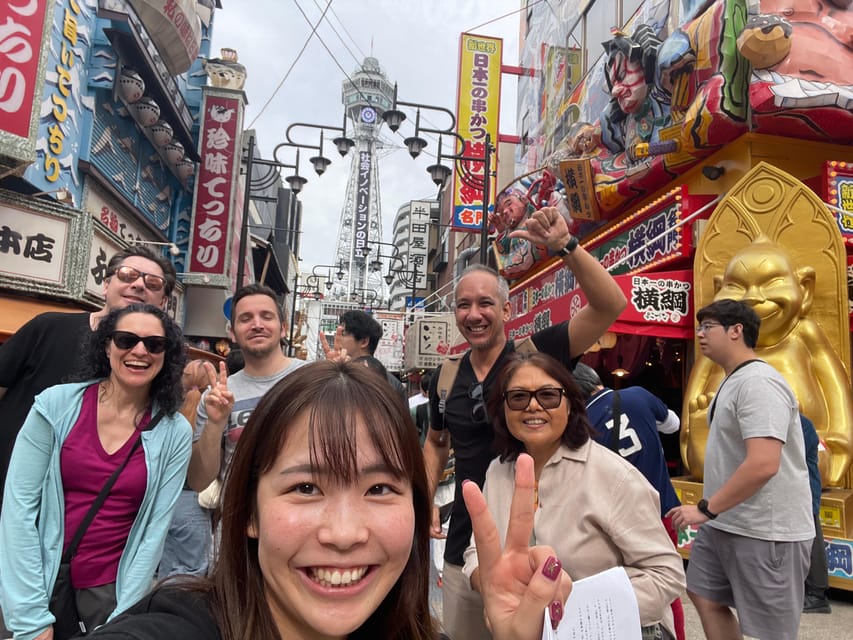
The headline price is $64 per person for about 4 hours. That’s a fair value when you look at the mix: multiple major sights, guided context at temples and castles, and photo help from the guide.
But you should plan for extras. Subway fees are not included and are listed at around 800 yen. Castle entry fees are also not included at 1,200 yen. Food and drinks are not included either, so your total food spend is what you control.
One more practical point: payment for the guide must be made in cash. You’ll want cash ready both for the guide portion and for any extra entrance fees and market snacks. It’s not a dealbreaker—just an item to pack mentally so it doesn’t slow you down at the start.
If you’re using an IC transit card like Suica, it can simplify subway payments for the separate metro costs, based on how guides handle transit questions during tours.
Why the guide matters (and which strengths you’ll want)
This kind of loop is only as good as the person organizing your time and explaining what you’re seeing. The strongest praise in the supplied experiences points to guides who are easy to understand in English and who make the day feel flexible.
You’ll see names like Tony, Halu, Minori, Lily, Kyoka, Kenji, and Ojiro tied to consistent strengths: they answer questions, keep a good pace, and help with photos. A few guides are also praised for thinking about comfort, like water breaks on hot days and still reaching the stops during rain.
That matters because walking tours can become either chaotic or boring. The best version lands you in the right places at the right times, then gives you enough breathing space to enjoy them.
If you like asking questions—about daily life, how Osaka neighborhoods work, or why a temple is arranged a certain way—this tour style usually fits that better than a bus ride.
Who should book this Osaka walking highlights tour
This is a strong pick if:
- You have only a day or half-day in Osaka and want a high-signal overview.
- You care about both temples and food (not just one or the other).
- You want an English guide to handle the “where do I go next” problem.
- You prefer small-group or private pacing so you can ask questions without yelling over crowds.
This is not the right fit if you need mobility support. The tour states it’s not suitable for people with mobility impairments, people over 75, or those with recent surgeries. It also continues in rainy weather, so plan for wet streets and bring a raincoat or umbrella.
Should you book Osaka JOINER’s 4-hour highlights walk?
If you want a straightforward path through Osaka’s big hits—Osaka Castle, Shitennoji, Shinsekai, Kuromon Market, and Dotonbori—this tour makes sense. The pricing works when you treat it as: guided sightseeing plus photo help, with the extra costs (subway, castle entry, food) handled separately.
I’d book it if you’re okay with a packed schedule and you want a guide to help you see more with less stress. I’d skip it if you’re hoping for a slow, museum-style day or you don’t want to pay extra for transit and the castle entrance.
FAQ
How long is the Osaka walking tour?
It lasts about 4 hours.
Where do I meet the tour?
The meeting point is at Namba Walk, in the underground shopping area, located between exit B21 and B23, between the DOCOMO and MIZUNO shops.
What are the main stops on the itinerary?
You’ll visit Osaka Castle, Hokoku Shrine, Shinsekai (including Tsutenkaku), Shitennoji, Kuromon Ichiba Market, and Dotonbori.
Are subway fees included in the price?
No. Subway fees are around 800 yen and are not included.
Is Osaka Castle entry included?
No. Castle entry fees (1200 yen) are not included.
Do you include food during the tour?
Food and drinks are not included, but the market stop includes time for breakfast, street food, and tastings.
What should I bring?
Bring comfortable shoes and cash.
Does the tour run in rainy weather?
Yes, the tour runs even in rain. Bring a raincoat or umbrella.
Is pickup available for cruise passengers?
There’s an optional pickup near the cruise terminal for an additional ¥5,000 (tax included), and you need to request it at least one day in advance.