REVIEW · OSAKA
Sumo Tournament Experience in Osaka
Book on Viator →Operated by Japan Awaits · Bookable on Viator
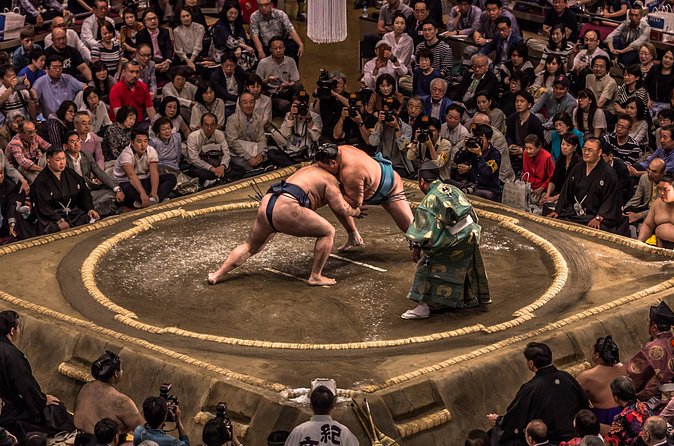
Sumo is serious sport with even more rituals. In Osaka, you get a guided day built around the March Grand Sumo Tournament, with an English-speaking sumo expert walking you through what you’re seeing—salt purification, ranked wrestlers, and why the rules matter—while you sit in reserved arena seats.
I especially love the reserved-seat setup (so you’re not scrambling) and the audio headset that keeps the explanations clear while the noise and action roll on. The only real drawback to plan around is timing: there’s typically some waiting before seating, and the tour group may not be able to move around easily at the Sumo Museum if it’s crowded.
In This Review
- Quick Hits Before You Go
- March Sumo in Osaka: Why This Is a Real Event, Not a Theme
- Price and Value: What $142.40 Actually Covers
- EDION Arena Osaka at 2:00 pm: What the 4–5 Hour Flow Feels Like
- Reserved Seats (D, B/C, A/S): How Close Will You Really Be?
- What the Guide Teaches: Rules, Rituals, and the Ranking System
- Chanko Nabe Dinner: The Wrestlers’ Food Option (and Diet Tips)
- Who This Sumo Tour Fits Best
- Should You Book This Sumo Tournament Experience?
- FAQ
- When does the Osaka sumo tournament happen?
- How long is the experience?
- What time does the tour start?
- What’s included in the price?
- What seating options are available?
- Are binoculars recommended?
- Is dinner available?
- Can I request sukiyaki or vegetarian?
- Are outside food or drinks allowed in the arena?
- Is the booking refundable if plans change?
- What if the tour doesn’t meet the minimum group size?
Quick Hits Before You Go
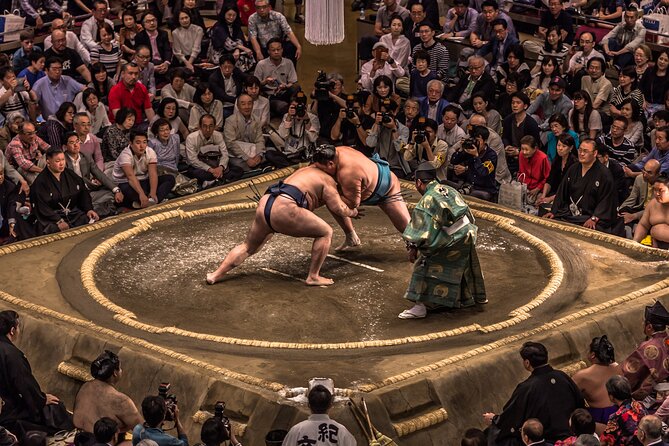
- English-speaking sumo expert: You’re not just watching; you’re learning what the bout routine and traditions mean.
- Reserved B/C arena seats (and options beyond): Better sightlines than you’d get with general admission.
- Audio headset included: Explanations land even when the stadium gets loud.
- Banzuke-hyo table of rankings: Useful context so you know who the wrestlers are.
- Optional chanko hot pot dinner: A chance to taste what wrestlers eat, with dietary options if requested on time.
March Sumo in Osaka: Why This Is a Real Event, Not a Theme
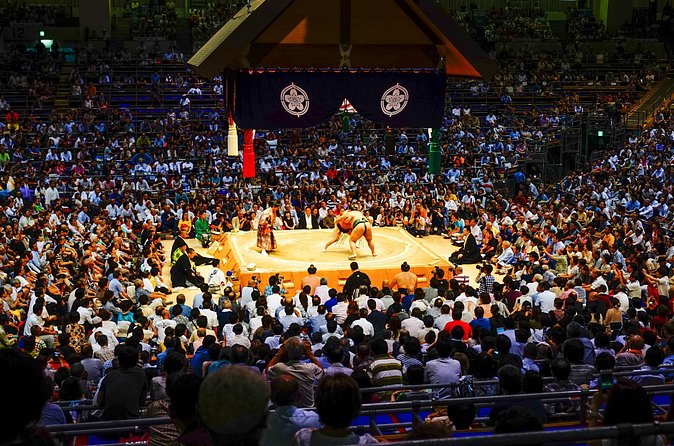
Japan’s sumo tournaments run six times a year, each lasting 15 days, and Osaka hosts the one in March. That makes this tour feel different from casual sightseeing. You’re there for the official tournament rhythm, when ranked wrestlers are actually competing under strict conditions.
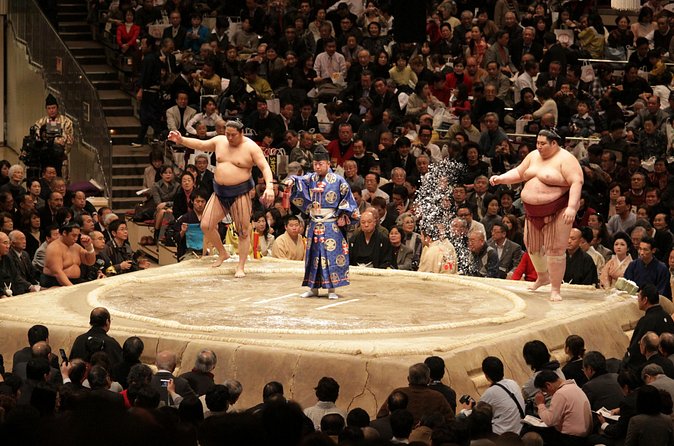
What makes it interesting is the blend of sport and ceremony. Sumo is a gendai budo (a modern Japanese martial art tradition) with rules and behavior that are treated like part of the match itself. You’ll learn the meaning behind the rituals—like the salt purification practice you’ll see around the ring—and that helps the bouts click faster.
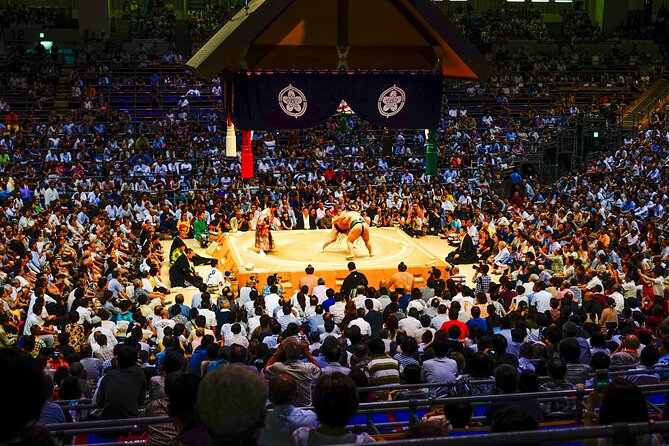
Also, the setting matters. EDION Arena Osaka is built for spectacle, so even if you’re not a long-time sumo fan, the stadium energy gives you a sense of why people pack in and follow wrestlers like real celebrities.
You can also read our reviews of more tours and experiences in Osaka.

Price and Value: What $142.40 Actually Covers
At $142.40 per person, the headline cost is only half the story. What you’re paying for is a package that handles the hardest parts: an English-speaking local sumo expert, the admission ticket, reserved seats, and the equipment that makes explanations work inside a loud arena.
This is what stands out as value for me:
- You get a reserved seat assignment in advance (no seat-hunting during peak demand).
- You get audio headsets, plus a sumo info pamphlet and a banzuke-hyo rankings table.
- If you add dinner at checkout, you can include a chanko hot pot meal experience.
There’s also a practical plus: the tour is set up for a group size of up to 24, with a minimum of 15 required to operate. When the group runs, it’s easier for your guide to manage the flow of entry and explanations.
One thing to keep in mind, because it affects planning: this experience is non-refundable and cannot be changed for any reason. If your March dates are even slightly flexible, lock them in before you buy.
EDION Arena Osaka at 2:00 pm: What the 4–5 Hour Flow Feels Like
The tour starts at 2:00 pm and runs about 4 to 5 hours. Expect it to feel like a guided match-day mission: first you gather, then you move through the pre-match phase, then you settle into your reserved seats for the actual tournament action.
The arena entry can involve waiting. The tour group has to wait for all sumo matches to end before entering, and that can lead to a short delay even after you arrive. This isn’t a deal-breaker, but it’s one reason I wouldn’t plan a tight dinner reservation immediately afterward.
Inside, your seat class determines how close you are to the ring, but the guide’s role stays the same: you’ll hear clear explanations about what’s happening and why, while you watch. Using audio headsets is a big help here. It keeps you from constantly turning and straining to understand your guide while also trying not to miss the action.
There can also be congestion around the Sumo Museum area, so the guide may suggest visiting it on your own if it’s too crowded to manage as a group. In other words, the tour’s priority is the tournament experience first, with museum time treated as secondary.
Reserved Seats (D, B/C, A/S): How Close Will You Really Be?
Your ticket includes reserved seating based on the option you select, and this affects your enjoyment more than you might expect. Here’s how it breaks down:
- Basic (D-class seats): Upper corners with a full but distant view. The arena is compact enough that you can still follow. Binoculars are recommended if you want a closer look.
- Standard (B- or C-class seats): Comfortable chair seating with good visibility of the ring and the atmosphere. Binoculars are recommended for the best experience.
- Premium (A- or S-class seats): Front arena area for the most up-close, exciting view.
If you’re buying based on one factor, buy based on your comfort with distance. If you don’t want to rely on binoculars much, go Standard or Premium. If you enjoy the bigger-picture stadium feel, D seats can still be satisfying.
Also remember this: no outside food or drinks are allowed in the arena. Vendors are available inside, so you won’t be stuck, but plan on buying what you need there instead of bringing your own snacks.
What the Guide Teaches: Rules, Rituals, and the Ranking System
The guide isn’t just translating sumo terms. You’ll get context that turns the match from a spectacle into something you can actually follow.
You’ll learn about sumo’s structure and discipline, including how wrestlers live and train in communal heya (sumo training stables), with strict monitoring of daily life habits. That matters because sumo isn’t only about the bout. It’s about a whole system of behavior, respect, and routine.
The tour also includes practical match context through the banzuke-hyo (a table of rankings). With that in hand, you’re more likely to understand why certain matchups feel heavier or why specific wrestlers come with more built-in attention.
And you’ll notice the rituals more once they’re explained. For example, salt purification isn’t random theater. It’s part of the symbolic readiness and respect for the ring and the moment.
The audio headset makes a difference too. You can keep your eyes on the ring and still get the history and cultural context without constantly trying to hear over the crowd.
Chanko Nabe Dinner: The Wrestlers’ Food Option (and Diet Tips)
At checkout, you can choose an optional dinner experience: chanko hot pot, often called sumo stew. The stew is traditionally made with a chicken-stock base, with vegetables and other ingredients, and it’s closely tied to sumo training life. Chanko is known for being cooked in large batches, which fits communal heya meals.
If you select dinner, the default meal is chanko hot pot without drinks. You can request sukiyaki or a vegetarian option, but dietary requests need to be made at least one week in advance. Traditional broth may use pork or chicken, and for vegetarian requests, the restaurant may substitute broth options.
This option is worth considering if you like connecting food to culture. It’s not just about taste—it’s about understanding why the same foods and routines repeat around the sport.
One more detail: once your dinner request is accepted, changes can’t be made one week before the tour date. So if you’re picky about dietary needs, plan early.
Who This Sumo Tour Fits Best
This tour is best for you if you want the tournament experience with real guidance. You don’t need to be a sumo deep-fan to enjoy it, but you will enjoy it even more if you like learning how traditions shape what you’re watching.
It also fits travelers who:
- Want reserved seats and a smooth plan inside the arena.
- Like a local English-speaking sumo expert who can explain what you can’t guess from visuals alone.
- Appreciate match context from a ranking reference like the banzuke-hyo.
You might want to think twice if you dislike waiting periods. Entry can involve a wait until matches conclude, and if you’re the type who needs a tightly controlled schedule, build in flexibility.
Should You Book This Sumo Tournament Experience?
I’d book it if you’re going to be in Osaka in March and you want a sumo day that’s organized and explainable. The biggest strengths are practical: reserved seating, a local English expert, and equipment that keeps the story clear inside the stadium.
I’d hesitate only if you’re strongly price-sensitive or you’re still uncertain about your exact March dates. The experience is non-refundable, and the tour requires a minimum group size to operate.
If you can handle one afternoon with a bit of waiting and you want to understand sumo beyond the action, this is a solid way to spend your Osaka time.
FAQ
When does the Osaka sumo tournament happen?
The official Osaka sumo tournament is held once a year in March.
How long is the experience?
It lasts about 4 to 5 hours.
What time does the tour start?
The start time is 2:00 pm.
What’s included in the price?
You get an English-speaking tour guide, the admission ticket, a sumo info pamphlet, a banzuke-hyo rankings table, an audio headset, and reserved seating (seat class depends on your option). Service fees for the ticket are included too.
What seating options are available?
You can choose Basic (D seats), Standard (B or C seats), or Premium (A or S seats), and all seats are reserved in advance.
Are binoculars recommended?
Yes. Binoculars are recommended for the best experience, especially for Basic (D) and Standard (B/C) seats.
Is dinner available?
Yes, if you select the dinner option at checkout, you can add a chanko hot pot meal.
Can I request sukiyaki or vegetarian?
Yes. Sukiyaki or vegetarian options are available upon request, but you must request dietary needs at least one week in advance.
Are outside food or drinks allowed in the arena?
No. Outside food or drinks are not allowed, but there are vendors inside the arena.
Is the booking refundable if plans change?
This experience is non-refundable and cannot be changed for any reason.
What if the tour doesn’t meet the minimum group size?
If the minimum traveler number isn’t met and the tour is canceled, you’ll be offered an alternative date/experience or a full refund.