REVIEW · NAMBA
From Osaka or Kyoto: Kyoto and Nara 1-Day Bus Tour
Book on Viator →Operated by VIP Japan Tours · Bookable on Viator
One day, and suddenly Kyoto and Nara click. This tour strings together the big hitters—Kinkaku-ji and Todai-ji—with live guide commentary in English or Chinese, plus classic stops like Fushimi Inari’s torii gates. It’s a smart way to see a lot without wrestling transit changes all day.
What I like most is the convenience. You get round-trip bus coverage from Kyoto or Namba, in an air-conditioned vehicle, and the planning is handled for you. That matters when you’re trying to squeeze in a UNESCO temple day while still staying on schedule.
The main consideration is time pressure. The day runs about 9 to 10 hours, stops can feel fast, and the operator notes the schedule may shift for weather, road traffic, or unforeseen issues. If you want slow wandering and deep temple detours, you may feel a bit rushed.
In This Review
- Key points to know before you go
- Why this one-day bus route is a smart move
- Price and what you actually get for it
- Nara Park and Todai-ji: deer, giant Buddha, and the “optional” reality
- Arashiyama’s bamboo area plus nearby stops: gorgeous, but timing can pinch
- Kyoto temple stops after Arashiyama: where the guide context helps
- Kinkaku-ji (Golden Pavilion): one UNESCO stop you can’t rush
- Fushimi Inari-taisha’s torii gates: iconic photos, but control your pace
- Lunch option from Osaka: Kobe beef shabu-shabu if you want the comfort break
- Bus logistics: where your day can be won or lost
- Who should book this tour (and who should skip it)
- Should you book this Kyoto and Nara 1-day bus tour?
- FAQ
- Which UNESCO sites are included?
- Is Kinkaku-ji admission included?
- Is Todai-ji entrance fee included?
- Does the guide speak English or another language?
- How long is the tour?
- Where does the tour depart from?
- Is lunch included?
- What should I do about the meeting point?
- How much luggage can I bring?
- Is there a group size limit?
- Can I cancel and get a refund?
Key points to know before you go
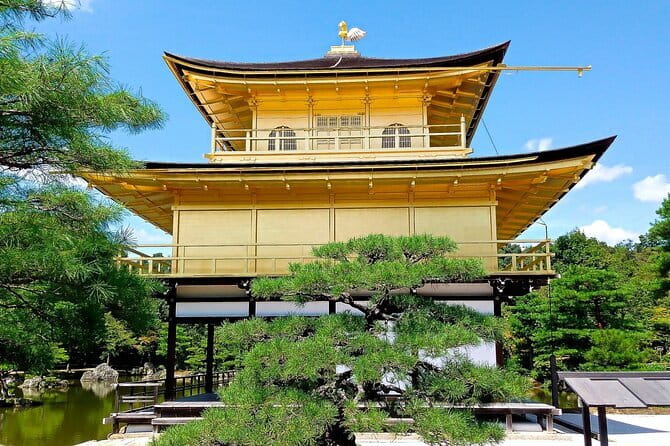
- UNESCO temples in one day: Todai-ji (Nara) and Kinkaku-ji (Golden Pavilion, Kyoto) are both on the program
- Live guide commentary: English or Chinese narration during the drive and at stops
- Fushimi Inari’s torii tunnel: lots of photo time, but you still need to move with the group
- Arashiyama time is precious: bamboo area is iconic, yet schedules can run tight
- Kinkaku-ji ticket included: your admission is covered, so you don’t have to sort that out on the spot
- Optional Todai-ji fee: the tour lists Todai-ji entrance as optional, so plan for extra yen if you want everything
Why this one-day bus route is a smart move
If you’re short on time (or you just don’t want to think about trains), a bus tour can be a lifesaver. This route hits Kyoto and Nara’s headline sights with guided context, so you get the what/why—not just a list of photos.
You’re also choosing a practical pacing. The tour is built around a handful of major stops—then you’re expected to do your browsing within set windows. That can feel “touristy,” sure, but it’s also the whole point: maximum classics, minimum logistical stress.
The price—about $64.33 per person—also makes sense in this format. You’re not only paying for transportation. Your guide, included air-conditioned vehicle, and Kinkaku-ji admission help turn it into a real deal compared with piecing everything together one attraction at a time.
You can also read our reviews of more tours and experiences in Namba

Price and what you actually get for it
Here’s the value picture in plain terms. Included on your side of the ledger are:
- Kinkaku-ji entrance fee
- English or Chinese speaking guide
- All fees and taxes
- Air-conditioned vehicle
- Lunch only if you select the Osaka lunch option
What’s not included (and where you’ll want to be ready) is:
- Hotel pickup/drop-off
- Todai-ji temple entrance fee (optional)
That optional Todai-ji fee matters because Todai-ji can involve areas where you may need a ticket depending on what you want to see. So I’d treat this as: you’ll get the highlights either way, but you should have some cash ready if you want the full experience.
Also note the tour uses mobile tickets, which tends to make check-in faster—less paperwork, fewer headaches.
Nara Park and Todai-ji: deer, giant Buddha, and the “optional” reality
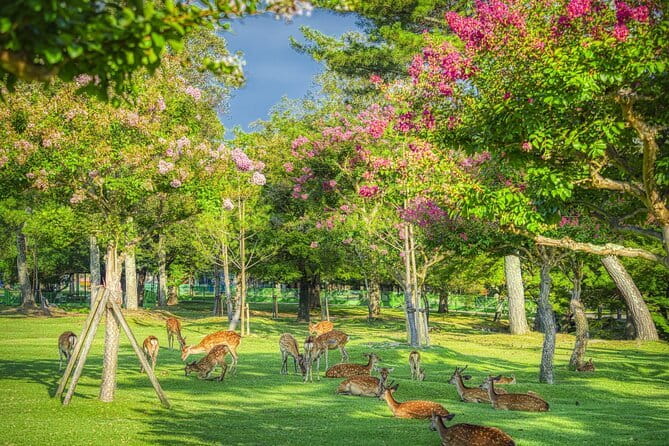
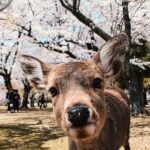
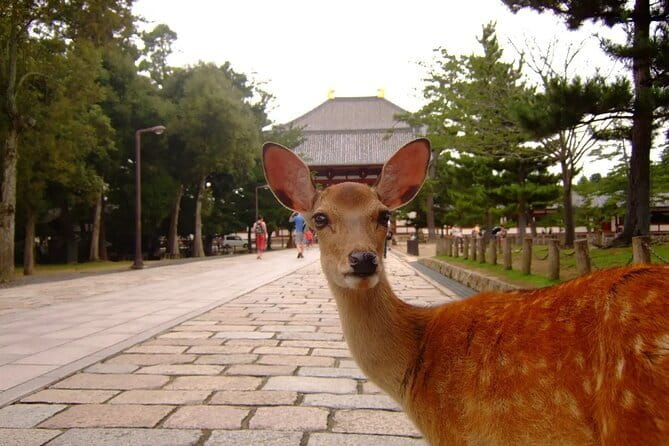
Nara Park is where the day becomes real. You’re walking into Japan’s old-capital vibe fast, with a huge park setting and the famous deer that make the whole place feel like a living scene.
Todai-ji is the anchor. It’s listed as a UNESCO World Heritage stop and described as home to the Great Buddha and one of the world’s largest wooden buildings. Even if you’ve seen pictures already, the scale can still land hard—because the size is the story here.
One practical thing: the tour information flags Todai-ji entrance as optional. Meanwhile, it also shows “admission ticket free” in the stop details. Translation for you: you’ll likely see a lot without paying extra, but if you want every paid component inside the temple complex, budget time and yen.
If you like getting a quick flow of sights before you go deeper on your own later, this is a good place to do it. But if you’re the type who wants to linger in every hall, you might feel the clock.
Arashiyama’s bamboo area plus nearby stops: gorgeous, but timing can pinch
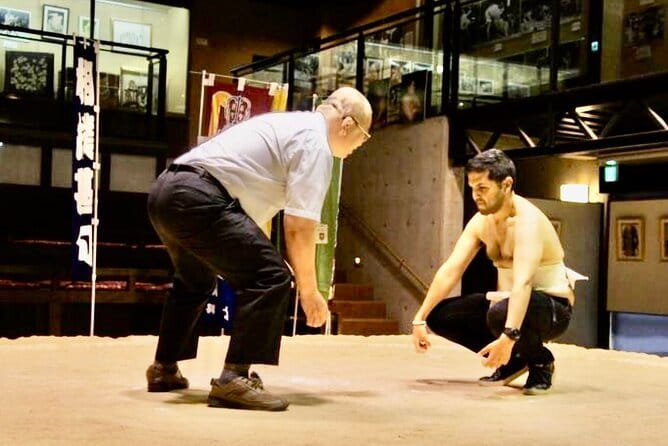
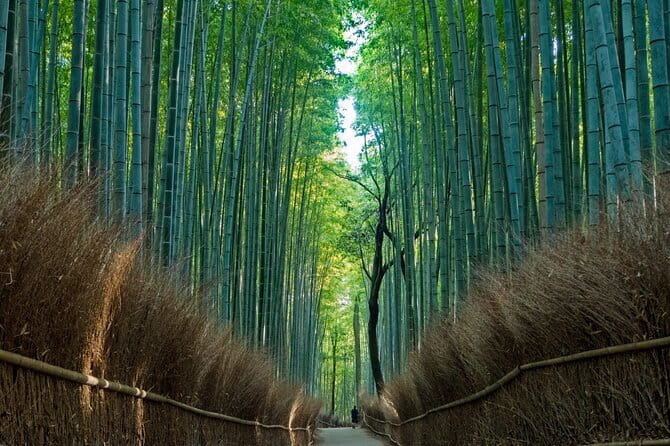
Arashiyama is the kind of stop people dream about. The program includes the Bamboo Forest area (Sagano/Arashiyama Bamboo Grove), plus additional Arashiyama sights depending on the day’s routing.
What’s good here: bamboo groves are visual in a way that doesn’t require deep planning. You’ll likely be able to get your photos, take in the walkway atmosphere, and feel like you did the “icon” part of Kyoto.
What’s tricky here is that Arashiyama time is limited. Even though the schedule lists about 2 hours for the Arashiyama stop, that has to cover getting off the bus, walking between points, taking photos, and getting back on time.
The tour also warns that schedules can change due to weather and road traffic, and your day is built around the bus leaving on schedule. So if you’re arriving with bamboo as your number one must-see, come with the mindset that you should enjoy what you get and be ready for the day to run tight.
I’ll add one more practical tip from how this style of tour tends to work: keep your pace steady. If you drift too far behind, you risk losing time for the rest of the stop—and you don’t want to be sprinting your way through bamboo.
Kyoto temple stops after Arashiyama: where the guide context helps
The Kyoto portion is where you get more traditional sites beyond the “big icon” headlines. The program includes Tenryū-ji and nearby shrine/temple stops such as Nonomiya Shrine, plus additional points listed in the routing like Fudo-in and Iwatayama Monkey Park.
This is the part that can either feel satisfying or feel like “too many places, not enough time.” The difference is the guide’s commentary and your own expectations.
When the narration is strong, you’ll understand why Tenryū-ji is important as a Zen head temple and what you’re looking at instead of just watching other people take pictures. In the reviews for this tour style, names like Mike and Harry show up as guides who keep things fun and organized, and Eric is also mentioned for careful explanations and humor. If you land with a guide who manages the mic well and keeps you moving, this portion becomes more than a checklist.
If the commentary is minimal, you’ll still see the sites, but you may feel less “connected” to what you’re seeing. Either way, pack light and plan for walking. The program strings together multiple places, so comfortable shoes are not optional.



Kinkaku-ji (Golden Pavilion): one UNESCO stop you can’t rush
Kinkaku-ji is the crown jewel in this plan. The tour lists Kinkaku-ji admission included, and that’s a real advantage because it saves you from hunting tickets while other groups are swarming the entrance.
The visit window is about 40 minutes, which sounds short until you realize Kinkaku-ji is also a “time-limited” attraction. You don’t need to spend all day here to get the point. The Golden Pavilion is the star, and the surrounding gardens and perspectives give you enough variety for photos without requiring an all-day commitment.
What I like about focusing on Kinkaku-ji in the middle of the day is that it resets your brain. After walking in parks and shrine areas, this is more structured and scenic. You’ll likely feel you’re seeing the cleanest payoff for the time you’ve spent.
Fushimi Inari-taisha’s torii gates: iconic photos, but control your pace
Fushimi Inari is one of those places that looks simple until you walk into the torii tunnel and realize your legs have a say in everything.
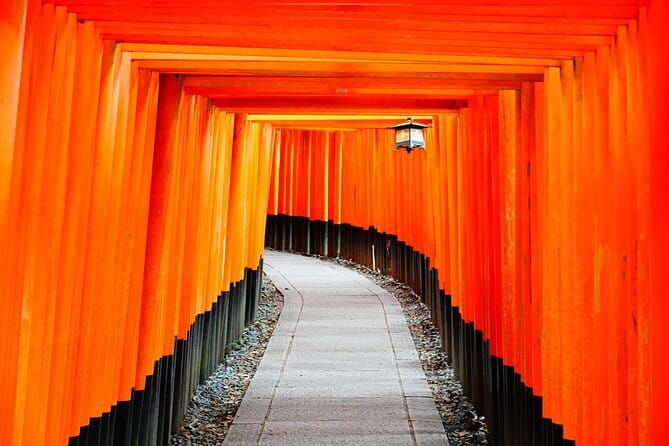
The tour schedules about 1 hour 20 minutes for the Fushimi Inari stop, and admission here is listed as free. That’s helpful because you can spend time deciding where to go without ticket barriers.
The real tip is how you handle the uphill progression. If you try to go too far into the upper sections, your time with the group can vanish. If you stay closer to the main torii lanes, you’ll still get the “tunnel” effect and strong photos.
Also, remember this stop involves crowds. Even with the best route planning, you’ll be moving through a flow of people. Don’t plan to be the fastest person on the path. Plan to be steady.
Lunch option from Osaka: Kobe beef shabu-shabu if you want the comfort break
If you depart from Osaka, the tour offers a lunch option described as Kobe beef shabu-shabu, with an explanation about Kobe beef. The tour only includes lunch if you pick that option, so double-check what you booked.
Lunch on a day like this is more than food. It’s recovery time for your feet and your brain. In winter or during a long stretch of temples, a sit-down meal can make the difference between a fun day and a cranky one.
If you’re budget-minded, the non-lunch version can still work fine. But if you want one “sit and enjoy” moment in the middle of multiple stops, that Osaka lunch option is a sensible way to upgrade the day.
Bus logistics: where your day can be won or lost
On a group day, the biggest factor isn’t the attractions. It’s the schedule mechanics.
A few items you should treat as serious:
- The bus departs on time and won’t wait for you
- You’re told to arrive 10 minutes early at your selected meeting point
- If you arrive late or at the wrong pickup point, you may miss the tour and refunds may not apply
- Luggage is limited to one piece per person, with size constraints for trunk storage
- Your items stored in the trunk won’t be accessible between stops, so keep valuables on you
This is why meeting point confusion can ruin the day. One review mentions trouble finding the meeting spot, even though the rest of the day went well. For you: take a screenshot of the meeting-point photo and QR reference, and use it right before you leave.
The tour also caps at 99 travelers, which is large enough to feel like a crowd, but not so huge that you can’t move. Still, expect bus loads. At popular sights, you’ll be sharing the space.
Finally, the tour states the schedule may change due to weather and traffic and that the tour departs regardless of weather unless you’re notified otherwise. Plan for rain gear, sun protection, and the fact that a “perfect day” can turn into a “good day” fast.
Who should book this tour (and who should skip it)
This tour is a good fit if you:
- Want major sights in one day without train transfers
- Like having a guide explain what you’re seeing (live English/Chinese)
- Enjoy seeing the highlights first, then doing deeper independent exploring later
It might not be the right fit if you:
- Need lots of unscheduled time to wander at your own pace
- Get stressed by crowds, walking intervals, and strict departure times
- Are laser-focused on one single stop (like bamboo) and would feel upset if the day runs tight
A common winning strategy with tours like this: pick one “favorite” attraction and let the rest be bonus. Kinkaku-ji and Fushimi Inari are usually strong favorites. Todai-ji can be that too, depending on what you’re most excited about.
Should you book this Kyoto and Nara 1-day bus tour?
I’d book it if your goal is clear: see the headline Kyoto and Nara experiences in one managed day. With Kinkaku-ji admission included, live commentary, and round-trip bus convenience from Kyoto or Namba, the value is real.
I’d hesitate if you want slow travel. This tour is designed for movement. You’ll get a taste of several places, not a deep, unhurried study of any single one.
My practical recommendation: if you book, show up early, wear good walking shoes, and decide in advance what you’ll prioritize if the day feels fast. With that mindset, this kind of day can be a great “greatest hits” sampler—and a confidence booster for how to build your next day in Kyoto or Nara on your own.
FAQ
Which UNESCO sites are included?
The tour highlights two UNESCO World Heritage temple sites: Todai-ji in Nara and Kinkaku-ji in Kyoto.
Is Kinkaku-ji admission included?
Yes. The tour includes the entrance fee for Kinkaku-ji.
Is Todai-ji entrance fee included?
No. The tour lists Todai-ji temple entrance fee as optional, so you may pay extra if you want to cover additional paid areas at the temple.
Does the guide speak English or another language?
You’ll have live commentary in either English or Chinese, based on the tour’s setup.
How long is the tour?
It runs about 9 to 10 hours.
Where does the tour depart from?
The tour provides round-trip bus fare from Kyoto or Namba, with pickup times in Osaka or Kyoto depending on the option you choose.
Is lunch included?
Lunch is included only if you select the lunch option. The Osaka-only lunch option is described as Kobe beef shabu-shabu.
What should I do about the meeting point?
Arrive about 10 minutes early at your selected meeting point. If you arrive late or at the wrong location, you may miss the tour.
How much luggage can I bring?
You can bring one piece of luggage per person. It must fit in the vehicle trunk storage, and items stored there won’t be accessible between stops.
Is there a group size limit?
Yes. This tour has a maximum group size of 99 travelers.
Can I cancel and get a refund?
Yes. You can cancel up to 24 hours in advance for a full refund. If you cancel less than 24 hours before the experience starts, you won’t receive a refund based on the tour’s policy.