REVIEW · OSAKA
Osaka: Koji Kinutani Tenku Art Museum Entry Ticket
Book on GetYourGuide →Operated by LINKTIVITY Inc. · Bookable on GetYourGuide
Art meets music in a theater of light. I really like the 3-D round screen show that makes paintings feel physical, and I also like the VR experience that brings you right up to Koji Kinutani’s world. The museum’s theme-park energy is a fun change of pace from a typical quiet gallery day.
One thing to plan around: no food or drinks are allowed inside, so you’ll want to time your cafe stop after the exhibits and before you head out to views.
In This Review
- Key Points You Should Know Before You Go
- Osaka’s Tenku Art Museum: More Like a Show Than a Museum
- Getting There and Timing Your Day Around the Hours
- Entering the Museum: Two Zones That Actually Change the Mood
- The 3m x 14m Round 3-D Screen: Why This Is the Headliner
- Tenku Gallery and Views Over Osaka: A Photo Stop With Purpose
- VR With Koji Kinutani: The Closest Access You’re Going to Get
- Special Exhibitions and Frescos: What You’ll See Beyond the Screens
- Workshops for All Ages: Fun, But Plan for Reservations
- Tenku Cafe: Where You Recharge Without Missing the Feel
- Museum Shop: Souvenirs That Actually Match the Art
- Combo Ticket With Umeda Sky Building: City Views That Fit the Mood
- Price and Value: Is $8 a Good Deal?
- Practical Advice That Makes the Visit Easier
- Who This Is Best For
- Should You Book the Osaka Tenku Art Museum Ticket?
- FAQ
- How long is the Koji Kinutani Tenku Art Museum experience?
- What’s included in the ticket?
- Where do I exchange my ticket voucher?
- Is food or drinks allowed in the museum?
- Is the museum wheelchair accessible?
- Are there discounts for students and children?
Key Points You Should Know Before You Go
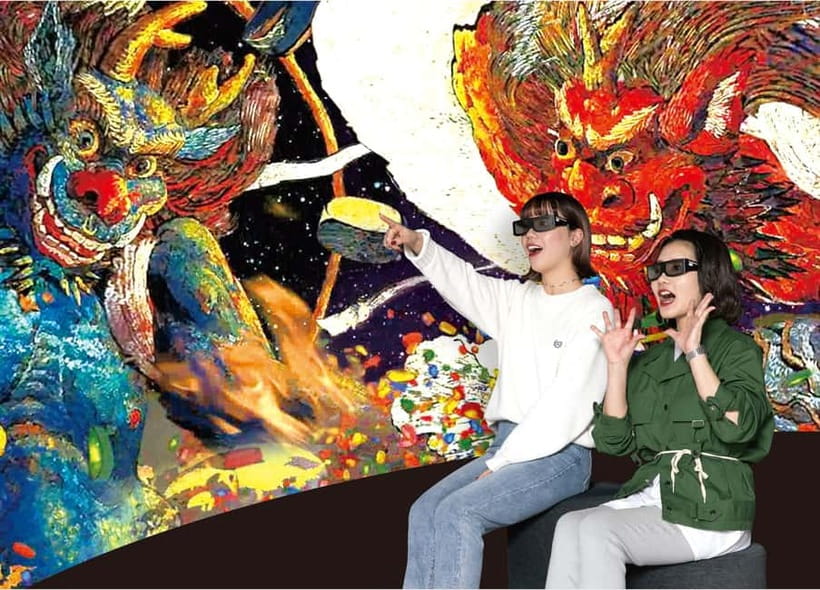
- A 3m x 14m round 3-D screen turns art and music into a full-body show
- Blue and red exhibition zones create two totally different moods: Italy-sky blues vs. traditional Japan reds
- VR includes a tour by Koji Kinutani and a rare studio talk that you can’t normally access
- Tenku Gallery is a photo-friendly spot with a look down on the Yodogawa River
- Workshops are hands-on, but reservations are required for participation
- Combo ticket can add Umeda Sky Building’s 360-degree Floating Garden Observatory
Osaka’s Tenku Art Museum: More Like a Show Than a Museum
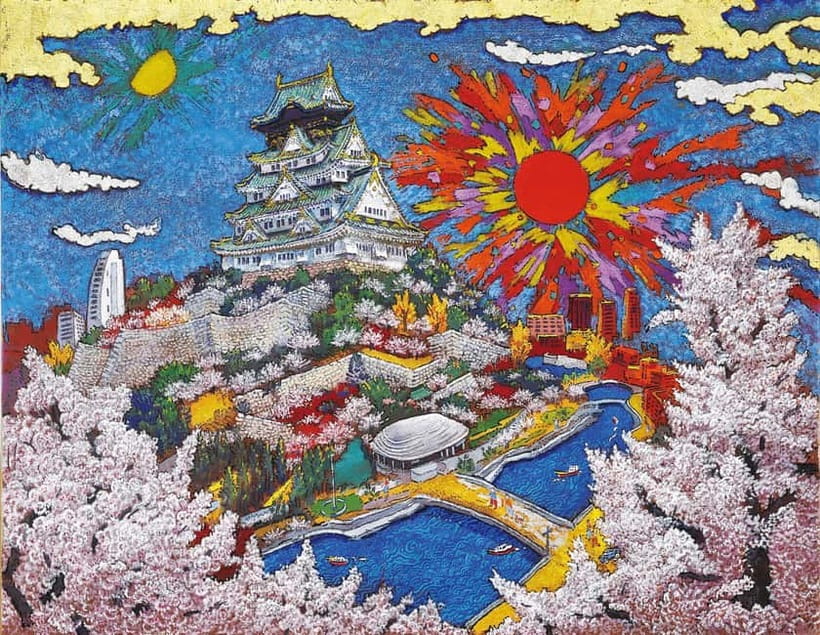
The Koji Kinutani Tenku Art Museum feels built for visitors who like art, but also like movement. You’re not stuck reading plaques for hours. Instead, you flow through themed spaces, then hit a big screen experience, then finish with VR that feels like stepping into the artist’s process.
I like this kind of setup for one simple reason: it lowers the intimidation factor. Even if modern art isn’t your thing, you can still enjoy the sensory experience—sound, visuals, and carefully designed lighting.
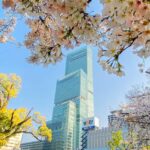
You should also know the museum sits high up in the Umeda Sky Building Tower West area (27F). That means it’s easy to pair with city views without spending your day in transit.
You can also read our reviews of more tours and experiences in Osaka
Getting There and Timing Your Day Around the Hours
The museum address is Umeda Sky Building Tower West 27F, 1-1-30 Oyodonaka, Kita-ku, Osaka. On foot, it’s about a 9-minute walk from JR Osaka Station, Osaka Metro Umeda Station, and Hankyu Osaka Umeda Station, and about a 13-minute walk from Hanshin Osaka Umeda Station.
If you’re planning a full day, aim to arrive with enough buffer to enjoy exhibits without feeling rushed. Admission is until 30 minutes before closing, and the museum runs on a schedule that’s a little different from the typical daily-open pattern.
Here’s the rhythm:
- Mondays, Wednesdays, Thursdays, and Sundays: 10:00–18:00
- Fridays, Saturdays, and the day before national holidays: 10:00–20:00
- Closed: Tuesdays (with a national-holiday exception), Dec 30–Jan 3, and during exhibition change periods
If you’re visiting around big event days, double-check validity. The tickets aren’t valid on special business days such as Yodogawa Fireworks Festival days.
Entering the Museum: Two Zones That Actually Change the Mood
Inside, the exhibition hall is divided into two main areas. Think of them like two chapters of the same story—each with a distinct visual and emotional tone.
In the blue zone, the vibe is tied to the blueness of the skies of Italy, where Mr. Kinutani studied abroad. The space leans into that sense of distance and atmosphere—cooler, calmer, more “skyward.”
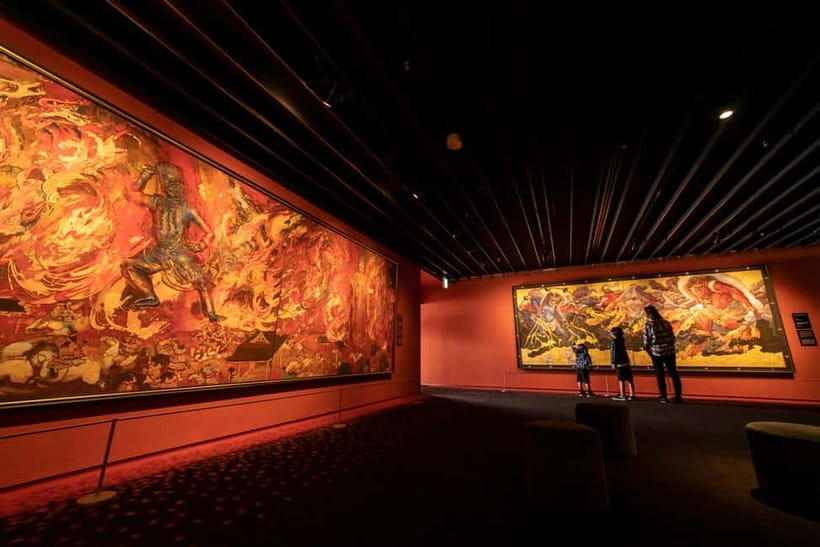
Then you shift into the red zone, which leans into traditional Japan. Expect red walls and lattices that bring in structure and pattern. It’s a strong contrast, and it helps you reset your eyes between experiences, rather than seeing everything as one long blur of art.
Special exhibitions run twice a year with different themes. If you’re a repeat visitor type, you might catch something new just because the show changes, not because you timed it perfectly.
The 3m x 14m Round 3-D Screen: Why This Is the Headliner
If you remember one thing about this museum, make it the big screen experience. The centerpiece is a 3m x 14m round screen that projects 3-D images in a way that feels theatrical and immersive in the best sense.
This is where the museum shifts from “look at art” to “feel like you’re inside art.” The screen is surrounded in a way that supports that wow-factor moment—paintings and music aren’t separate. They’re part of the same show, which is why the atmosphere feels almost like a theme park.
You’ll likely notice how the visuals seem to move with you. Even when you’re just standing and watching, the scale makes the paintings look bigger than a normal canvas. That’s the practical reason this works: your brain stops treating art like something small and framed, and starts treating it like something you can react to.
Tenku Gallery and Views Over Osaka: A Photo Stop With Purpose
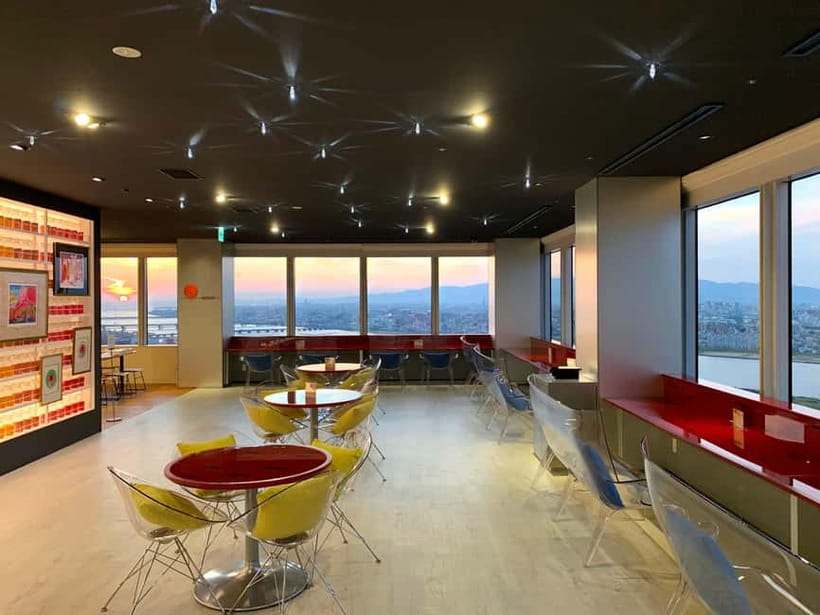
Between major show elements, the Tenku Gallery gives you a breather. It’s a photo-friendly area designed for commemorative shots, and it’s also a good place to pause and look out.
One of the reasons I like this part is that it adds a location anchor. You’re in a museum, yes—but you can also see the city around it, including the Yodogawa River flowing through Osaka.
If you care about photos, you’ll likely find angles here that work better than trying to shoot from crowded street spots later. And if you’re not a photo person, it still helps to have a calm, scenic moment before the VR segment.
You can also read our reviews of more museum experiences in Osaka
VR With Koji Kinutani: The Closest Access You’re Going to Get
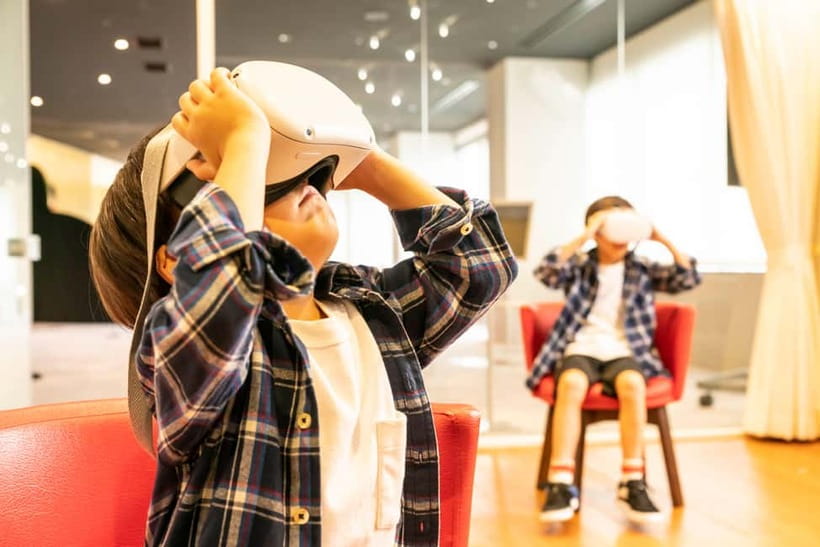
The VR experience is one of the most distinctive parts of the day. The museum doesn’t just show you art; it brings you closer to the artist’s thinking.
What makes it special is that it includes:
- A tour of the museum by Koji Kinutani himself
- A rare talk in his Tokyo studio that is normally closed to visitors
That combination matters. A typical audio guide can tell you what to notice. This goes further by giving you a sense of presence—like you’re hearing the ideas in the same breath as the artworks.
It’s also a strong match for different travel styles. If you like hands-on learning, you get it through context. If you just want a memorable experience, the VR format does that too.
Tip: treat the VR moment like a show. Go in with a calm couple of minutes, and don’t rush through it while your brain is still adjusting from the screen’s lighting.
Special Exhibitions and Frescos: What You’ll See Beyond the Screens
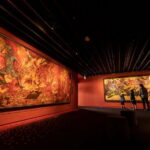
The museum isn’t only the big show. You also get real exhibition spaces with works displayed on the walls of each zone.
A highlight tied closely to Kinutani’s roots is the fresco work—vivid mural-style paintings that connect to where his visual language began. It’s a nice detail because it shows continuity. You see the deep reference points behind the modern, tech-forward presentation.
The twice-a-year special exhibitions mean the walls can change. If you’re there for more than just the main show, it’s worth spending time in both zones long enough to let the style differences sink in.
Workshops for All Ages: Fun, But Plan for Reservations
The museum offers hands-on programs, and the topic range is broad. You might see options like fresco painting hands-on sessions and painting classes with lectures by Koji Kinutani himself.
Here’s the practical note: reservations are required for workshop participation, so don’t treat this like a walk-up add-on. If you want workshop time, check in early in your planning and line up your schedule.
Workshops can be great if you travel with kids or if you want to take something home beyond a photo. Even for adults, the act of painting can help you notice what you missed when you were only watching screens.
Tenku Cafe: Where You Recharge Without Missing the Feel
Since food and drinks aren’t allowed inside the exhibits, the Tenku cafe becomes part of the plan. This is where you can slow down and refuel.
The cafe has an artistic atmosphere, and you’ll notice pigment bottles used in alfresco-style painting references. It’s the kind of detail that keeps the museum theme alive even when you’re just taking a break.
I’d schedule it like this: do the main exhibits and galleries first, then go for cafe time before the final museum segments or before you move on to the observatory. That way you don’t have to think about hunger while you’re trying to enjoy the screens and VR.
Museum Shop: Souvenirs That Actually Match the Art
The museum shop is well stocked with goods featuring motifs from the works, plus original postcards and more.
If you’re the type who likes sending postcards from places you genuinely enjoyed, this is an easy win. The shop also helps you bring home a smaller piece of the experience, especially if you don’t want to buy something huge.
Combo Ticket With Umeda Sky Building: City Views That Fit the Mood
If you choose the combo option, you can add admission to the Floating Garden Observatory at the Umeda Sky Building. The benefit here is timing: you’re already near Umeda, and your art day can roll directly into sky views.
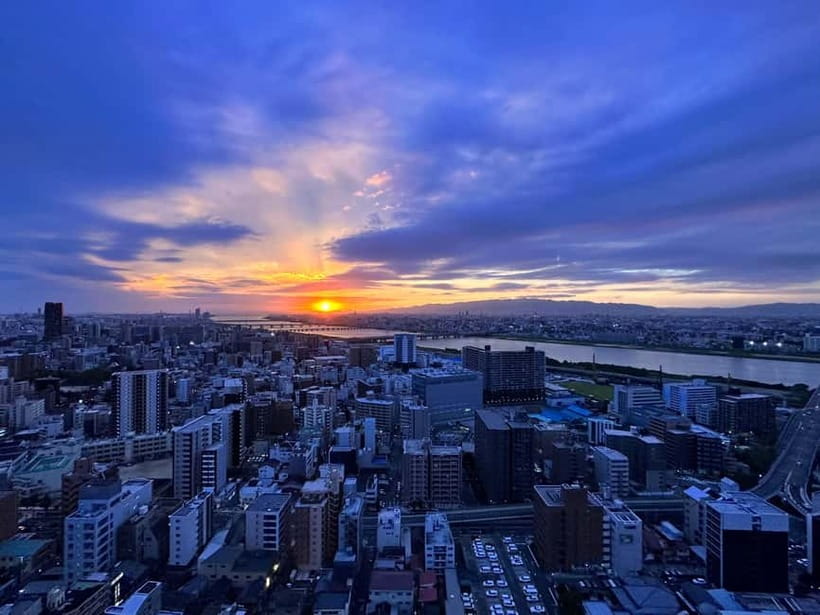
From the observatory, you get a dynamic 360-degree view of Osaka. The open-air skywalk sits about 170 meters above ground, and it can be spectacular both day and night.
This combo is where the day earns its value. You start with art and tech, then end with Osaka’s scale in real life. It’s a clean travel storyline: creativity on the inside, city magnitude on the outside.
If you’re deciding between day and night views, think about your energy level. Night is often more dramatic, but you may want the cooler pace of earlier hours if you’re tired from screens and VR.
Price and Value: Is $8 a Good Deal?
The admission price listed here is $8 per person for the Koji Kinutani Tenku Art Museum experience. That’s surprisingly good when you look at what you’re getting: a dedicated museum day with exhibition zones, a major 3-D screen show, and VR content that includes artist-led elements.
The real value depends on what kind of traveler you are:
- If you like art but get bored with quiet galleries, the screen and VR do a lot of the heavy lifting.
- If you love panoramic views, pairing the museum with the Floating Garden Observatory turns it into a full “wow day” around Umeda.
- If you only want to browse paintings without tech elements, you may feel like the show part is doing more work than the art objects.
Also remember: your ticket voucher has to be exchanged at the museum reception desk. That’s not a cost issue, but it affects how smoothly your arrival goes. Plan a few extra minutes at check-in so you don’t waste time when you could be watching the first show segment.
Practical Advice That Makes the Visit Easier
A few small things can make the day run smoother:
- Give yourself time between exhibit areas. The museum’s zones are designed as a change of pace.
- If you’re combining with the observatory, decide your direction early so you don’t feel scattered.
- If you’re traveling with kids or you care about workshops, treat reservations as a priority task, not a maybe.
- Since there’s no food and drinks allowed in the museum, treat cafe time as part of the itinerary, not as an afterthought.
And one more thing: check the closing day pattern. Tuesday is the usual closed day (with specific holiday exceptions), and exhibition change periods can also affect availability.
Who This Is Best For
This experience is a strong fit if you want art that moves. It’s also great if you like technology that serves the art, not technology for its own sake.
You’ll probably enjoy it if:
- You like interactive or show-style museum experiences
- You want something more fun than a traditional gallery visit
- You’re traveling with family and need multiple “interest hooks”
- You want Osaka views that don’t require extra transit planning
If you prefer silent, slow museum roaming with lots of reading, you might find the pacing more structured than you’re used to. Still, the blue and red zones plus the fresco references give you enough variety to make it worthwhile.
Should You Book the Osaka Tenku Art Museum Ticket?
If you’re in Osaka for a short time and you want a day that feels designed rather than accidental, yes, I’d book it. The mix of 3-D round screen, VR with Koji Kinutani, and strong themed gallery design makes it a memorable use of time in Umeda.
I’d especially choose the combo ticket if you want a natural “two-part day”: art and tech indoors, then city-scale views from the Floating Garden Observatory. For $8, the museum alone offers enough to justify the stop, but the combo turns it into a bigger story.
Just make sure your travel date avoids Tuesday closure surprises and any special business days like Yodogawa Fireworks Festival days. If you line up the timing, this is one of those Osaka experiences that feels different from the usual checklist—and that difference is the point.
FAQ
How long is the Koji Kinutani Tenku Art Museum experience?
It’s valid for 1 day. You can plan your visit to fit the museum’s daily opening hours, with admission until 30 minutes before closing.
What’s included in the ticket?
Admission to the Koji Kinutani Tenku Art Museum is included. If you select the Floating Garden Observatory admission combo ticket, you also get admission to the Umeda Sky Building’s Floating Garden Observatory.
Where do I exchange my ticket voucher?
You exchange the ticket voucher at the museum reception desk.
Is food or drinks allowed in the museum?
No. Food and drinks are not allowed.
Is the museum wheelchair accessible?
Yes. The museum is wheelchair accessible.
Are there discounts for students and children?
Yes. Admission is free for elementary school students and younger. Student tickets are available for junior high, high school, and university students, and students must present their student ID upon entry.