REVIEW · OSAKA
Osaka to Nara Day Trip with a Local – Private & Personalized
Book on Viator →Operated by City Unscripted · Bookable on Viator
Nara in one day, without the stress. This private Osaka-to-Nara outing gives you a local guide and included temple shrine tickets for the big Nara hits—plus the quieter side of the city.
I also like the built-in personalization: after you share what you care about, the day’s order and pace can shift around your interests, not the other way around.
The only real catch is practical: it’s mostly a walking day. You should also plan for extra spending on rail travel between Osaka and Nara (unless you’re on JR lines with a JR Pass) and possible short taxi/public-transport transfers between stops.
In This Review
- Key highlights worth marking on your mental map
- Why this Nara day trip beats DIY stress in one sentence
- How the day’s 9 hours usually flow (and why pacing is everything)
- Start with orientation: your guide’s Nara intro sets the tone
- Nara Park: deer, open lawns, and grounds established in 1880
- Todai-ji: the 15-meter Daibutsu and the best kind of big views
- Beyond Todai-ji: Kofuku-ji and Nigatsu-do as smart add-ons
- Isuien Garden: a quiet break from the crowds and the deer
- Kasuga Taisha: lanterns, Shinto roots, and forest paths
- Price and value: where the money goes (and where you’ll pay extra)
- Guide quality is the whole game: what the strong guides do right
- What to bring for a mostly walking Nara day
- Should you book this Osaka-to-Nara private tour?
- FAQ
- How long is the Osaka to Nara private tour?
- Is hotel pickup available in Osaka?
- What attractions have included tickets?
- Do I have to pay for train travel between Osaka and Nara?
- Is this tour mostly walking?
- Are food and drinks included?
- Is there any local transport included in Nara?
- Is the tour private or shared?
- Are service animals allowed?
- Can I cancel for a full refund?
Key highlights worth marking on your mental map
- Private, tailored route shaped by a questionnaire and direct communication with your host
- Included admissions for Isuien Garden, Todai-ji Temple, Kasuga Taisha Shrine, Kofuku-ji, and Nigatsu-do
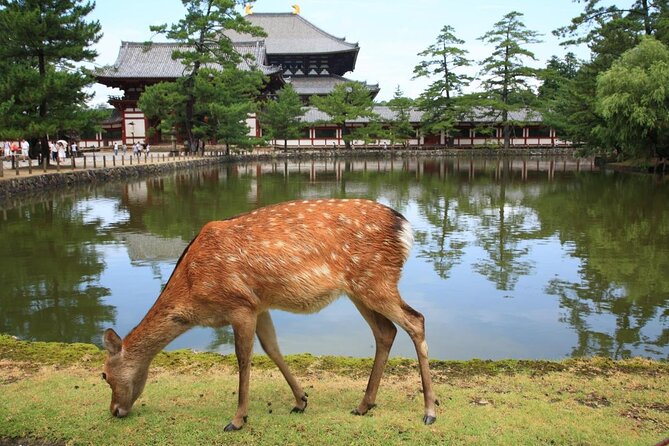
- Nara Park deer time on historic grounds established in 1880, with a guided stroll through lawns and paths
- Todai-ji’s Daibutsu scale: a 15-meter-tall bronze Buddha plus panoramic views from within the complex
- Kasuga Taisha in the forest with hundreds of stone and bronze lanterns tied to Fujiwara-era faith
- Time management that matters—guides like Fumiko and Alex are praised for keeping the day on track (and still leaving room for you)
Why this Nara day trip beats DIY stress in one sentence
If you want a day in Nara that feels organized, not exhausting, this kind of private guided route is a smart shortcut.
Nara is easy to get to from Osaka, but it can be tricky to sequence well—temples, gardens, shrine areas, and long walking stretches all blend together fast. With a guide, you don’t have to figure out where you should be next, what’s worth lingering over, or how to move through the sites efficiently.
And unlike a rigid tour where you’re herded like luggage, this one is built around you. You start with an introduction to Nara, then the route adapts to your interests—history, nature spots, shrines, quiet gardens, or more time for wandering and small purchases.
One more practical win: the tour includes admission to major sites, so you spend less time buying tickets at the gate and more time actually looking at what you came for.
You can also read our reviews of more private tours in Osaka

How the day’s 9 hours usually flow (and why pacing is everything)
Think of this as a “highlights with breathing room” day.
You’ll get pickup in Osaka and travel to Nara with your guide. The experience runs about 9 hours including time between Osaka and Nara. Once you’re in Nara, you’ll move mostly on foot. Transfers between sites may use public transportation or local taxis, and exact costs can be discussed with your host after booking.
Here’s the rhythm you can expect:
- You start with context: your guide sets the stage for what you’ll see and how to read it.
- You hit Nara Park (the deer grounds and park paths).
- You move into the Todai-ji complex for the huge Buddha and the best viewpoints.
- You add more temple stops in the same historic zone (including Kofuku-ji and Nigatsu-do, with included tickets).
- You finish with calmer, atmospheric parts: Isuien Garden and Kasuga Taisha’s lantern-filled forest.
It’s a full day. But because it’s private and personalized, the guide can adjust the pace if you want more time standing still for photos or less time hovering in crowds.
Start with orientation: your guide’s Nara intro sets the tone
The first moment matters. You start with an authentic introduction to Nara with your local guide, and you’ll explore temples, scenic gardens, and cultural highlights tailored to your interests.
That sounds like “tour opening talk,” but it changes the whole day. When you understand what you’re looking at—Shinto vs. Buddhist space, what makes these sites important, and what to notice—you stop treating everything like a checklist. Instead, you start recognizing patterns: architecture choices, shrine symbolism, and the way old religious sites shape modern city life.
You also get a chance to share preferences in advance. After booking, you’ll receive a short questionnaire about must-sees and what you want your day to feel like. Then your guide reaches out to craft the itinerary to fit your style. If you’re the type who hates feeling rushed, you’ll want to say so up front. If you love big sights, say that too.
Nara Park: deer, open lawns, and grounds established in 1880
Nara Park is the place where Nara goes from “temples on a map” to “you’re actually in the story.”
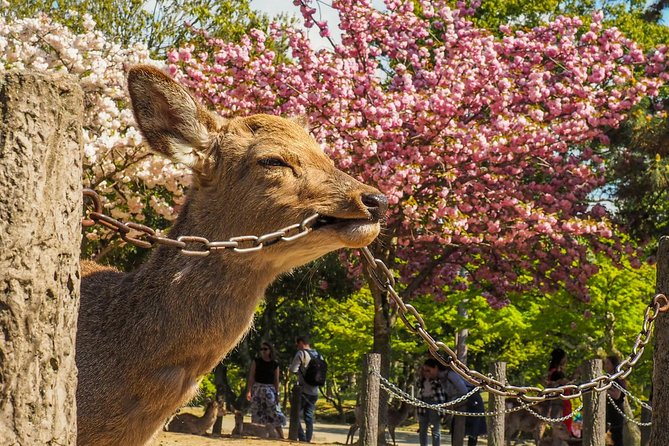
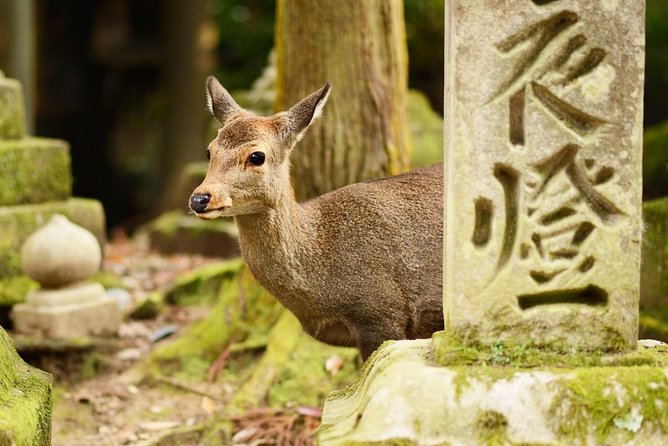
You’ll wander an expansive park established in 1880. This is where Nara’s famous deer roam freely, and you’ll be walking scenic paths and relaxing on open lawns as you go. The guide helps you move through it respectfully and at a comfortable pace.
Practical tip: deer are part of the visual experience, but they’re also part of the flow. Let your guide set the timing and walking lanes so you can enjoy the moment without getting stuck in a bottleneck.
If you want the most photo-friendly experience, this is where your guide’s timing matters. Early or late light can change how the deer and paths look. A private guide can usually adjust better than group tours.
Todai-ji: the 15-meter Daibutsu and the best kind of big views
Todai-ji is the iconic stop that makes Nara feel like Nara.
You’ll visit one of Nara’s most recognizable sites: the main hall houses a 15-meter-tall bronze Buddha, known as the Daibutsu. The guide explains its history, including the idea that it served as the head temple of provincial Buddhist temples. That kind of context helps you understand why this site was built to be so monumental.
Then you’ll admire historic halls within the Todai-ji complex. The guide provides panoramic views over Nara from within the broader complex, while explaining what these structures represent and how traditions have been maintained for centuries.
What makes this stop valuable for you:
- You get the scale in person, not just in pictures.
- You get a clear storyline for why the architecture and Buddha size matter.
- You’re not trying to read everything at museum-speed.
Included tickets cover Todai-ji Temple. So you’re paying once for the “main event,” not stacking extra fees on top.
You can also read our reviews of more tours and experiences in Osaka

Beyond Todai-ji: Kofuku-ji and Nigatsu-do as smart add-ons
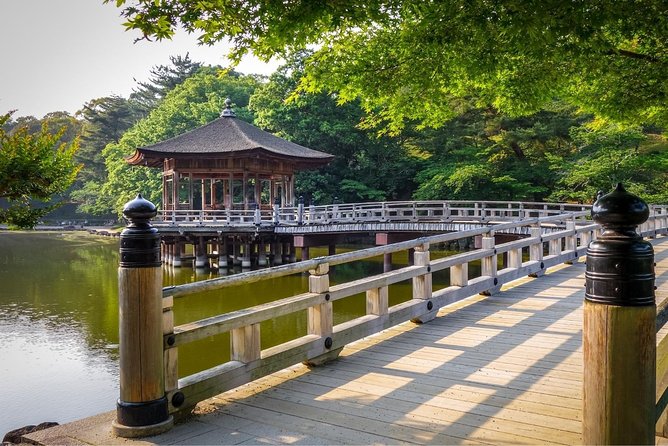
You also get included tickets for Kofuku-ji Temple and Nigatsu-do.
Even if you’re mainly here for Todai-ji, these extra admissions can be a payoff—because Nara isn’t one building, it’s an ecosystem of sacred space. A private guide can fit them into the day without wrecking your timing, so you’re not spending extra time searching for routes between sites.
The best use of these stops is simple: let your guide point out what changes from place to place. The religion is connected, but the feel is different. That contrast is often what people remember after the photo files are full.
Isuien Garden: a quiet break from the crowds and the deer
After the busy energy of park and temple corridors, Isuien Garden feels like someone turned the volume down.
You’ll step into a peaceful world of traditional landscaping—specifically a garden designed with harmony and quiet reflection in mind. Your guide will highlight layered views and explain the aesthetic principles behind the design.
This is a great stop for two kinds of travelers:
- If you need a breather, you’ll appreciate the slower pacing.
- If you like details, you’ll get taught how to “read” the composition.
Since included tickets cover Isuien Garden, you also avoid the common snag of arriving and realizing you still need to buy another entry ticket. You can just enter, slow down, and look.
Kasuga Taisha: lanterns, Shinto roots, and forest paths
Kasuga Taisha is where Nara’s atmosphere turns magical in a very practical way: it’s photogenic, calm, and clearly tied to faith and tradition.
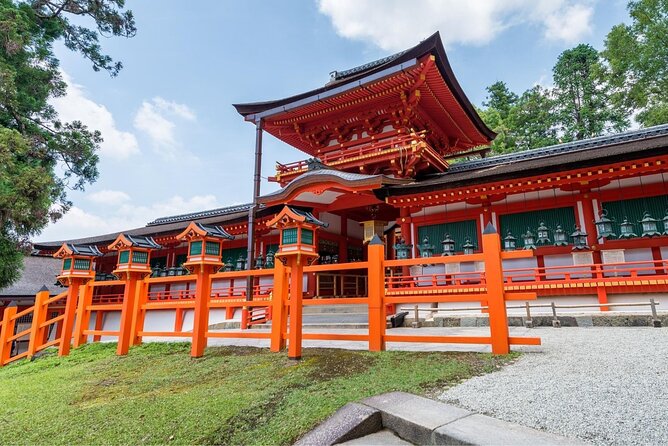
You’ll explore Nara’s most celebrated Shinto shrine, once the tutelary shrine of the powerful Fujiwara clan. It’s famous for hundreds of stone and bronze lanterns donated by worshippers. Your guide walks you through the shrine experience and helps you understand what you’re seeing, including the role the lanterns play in the site’s identity.
And then there are the forest paths. The shrine isn’t just “a place with buildings.” It’s a sequence of approaches and pauses through greenery—perfect for a walking day when you want variety in scenery, not just one long corridor of stone.
Included tickets cover Kasuga Taisha Shrine. So this is another “pay once, go in” highlight.
Price and value: where the money goes (and where you’ll pay extra)
At $384.40 per person, this is not a bargain-basement day. But it can be good value if you’re comparing it to the cost of:
- hiring a private guide,
- paying admissions for multiple major sites,
- and losing time figuring out logistics on your own.
What’s included:
- A private and personalized 9-hour experience, including travel time between Osaka and Nara
- Tickets for Isuien Garden, Todai-ji Temple, Kasuga Taisha Shrine, Kofuku-ji Temple, and Nigatsu-do
- A one-day free pass bus ticket from JR Nara
- Direct communication with your host for planning and local recommendations
- Mobile ticket
What’s not included:
- Food and drinks
- Tickets for attractions not on the included list
- Train transportation costs (unless you’re a JR Pass holder using JR lines, since JR lines can be free)
- Transportation between sites (mostly walking, but public transportation or taxis may be suggested at additional cost)
- Gratuities
Here’s how I’d think about the price: you’re buying time, clarity, and ticket coverage for the biggest stops. If you already plan to visit most of these sites anyway, the admissions you’d pay separately add up fast. If you’re only interested in one or two locations, then a day tour might feel like overkill.
Guide quality is the whole game: what the strong guides do right
With a private tour, your guide can make the day feel effortless. The most praised experiences share a few patterns.
- Fumiko was flexible about pickup when a guest switched hotels, and she handled navigating the train system. She also made room for souvenir shopping and browsing without turning it into a speed-run.
- Alex is praised for time management that still leaves you room to see your list. He’s also noted for offering practical recommendations for the rest of your trip after the Nara day ends.
- Taka is described as professional and patient, especially for guests who wanted help understanding Japanese culture.
- Marcelo earned strong marks for turning the day into an enjoyable, well-run tour.
There’s also at least one negative experience where the guide didn’t teach much and the value felt missing. That’s your reminder: private tours are only as strong as the person holding the leash—so set expectations early.
Your best move before you go:
- Be specific in the questionnaire about what you want explained vs. what you just want to see.
- At the start of the day, ask what the guide plans to emphasize for you. If you don’t hear a clear plan, steer it right away.
What to bring for a mostly walking Nara day
Because it’s primarily a walking experience and you won’t have a private vehicle, comfort matters.
I’d pack for a long day with steps:
- Comfortable walking shoes (you’ll be on foot between sites)
- A water plan, since food and drinks aren’t included
- A phone charged for the mobile ticket and navigation help
- A light layer if weather flips (temple shade and open park areas can feel different)
If you’re the kind of person who likes taking your time at viewpoints, tell your guide early. The best private days happen when the guide knows your pace.
Should you book this Osaka-to-Nara private tour?
Book it if you want:
- A structured Nara highlights day without juggling trains, tickets, and timing
- Included entry to Todai-ji, Kasuga Taisha, and Isuien Garden (plus Kofuku-ji and Nigatsu-do)
- A guide who can adapt the route to your interests and keep you moving at a comfortable speed
- Help with local transit flow, especially in the Osaka-to-Nara part of the day
Skip it (or consider a simpler option) if:
- You only want one major site and nothing else
- You have the budget but not the desire for a mostly walking day
- You prefer self-guided freedom and are already confident managing transit and admissions alone
This is the kind of day trip that works best when you treat it like a conversation with a local, not a race through temples.
FAQ
How long is the Osaka to Nara private tour?
It runs for about 9 hours, including travel time between Osaka and Nara.
Is hotel pickup available in Osaka?
Pickup is offered. You’ll also start from a listed meeting point in Osaka, and the activity ends back at the meeting point.
What attractions have included tickets?
Included tickets cover Isuien Garden, Todai-ji Temple, Kasuga Taisha Shrine, Kofuku-ji Temple, and Nigatsu-do.
Do I have to pay for train travel between Osaka and Nara?
Yes. Train transportation costs are not included. The tour can organize rail tickets for you, but the cost is your responsibility unless you’re a JR Pass holder using JR lines, which can be free.
Is this tour mostly walking?
Yes. It’s primarily a walking experience, and a private vehicle is not included. Public transportation or local taxis may be suggested for transfers between sites, with costs discussed with your host.
Are food and drinks included?
No. Food and drinks are not included.
Is there any local transport included in Nara?
Yes. You get a one-day free pass bus ticket from JR Nara.
Is the tour private or shared?
It’s private. Only your group participates.
Are service animals allowed?
Service animals are allowed.
Can I cancel for a full refund?
Yes. You can cancel up to 24 hours in advance for a full refund. Canceling less than 24 hours before the start time is not refunded.