REVIEW · OSAKA
Osaka: Temple Tour and Traditional Calligraphy Lesson
Book on GetYourGuide →Operated by R株式会社 · Bookable on GetYourGuide
Your pen learns calm at a Zen temple. In Saishoji Temple near Yotsubashi, you get a focused zazen breathing moment and then real calligraphy practice where you write your chosen kanji on a mini shikishi. I also love that you walk away with a name card showing the kanji meaning and a small 8 cm ceramic plate as a gift. The only trade-off: since it’s just 1 hour, people who want a longer temple visit may wish for more time.
This experience is built for language learners too. You’ll get an English-led introduction to Osaka’s area history, a quick temple-versus-shrine explanation, and simple conversational phrases tied to cultural manners—then it all settles back into silence with monks and instructors. One more consideration: if you came for nonstop sightseeing, this is a slower, quieter kind of Osaka.
In This Review
- Key Highlights You’ll Care About
- Saishoji Temple by Yotsubashi: The Calm Address and Why It Matters
- The 1-Hour Flow: How the Schedule Stays Focused
- Osaka in Mini Lessons: Shinsaibashi, Yotsubashi, and Castle Context
- Zazen Breathing at Saishoji: Quiet Training for Real Focus
- Write Your Favorite Kanji on a Mini Shikishi
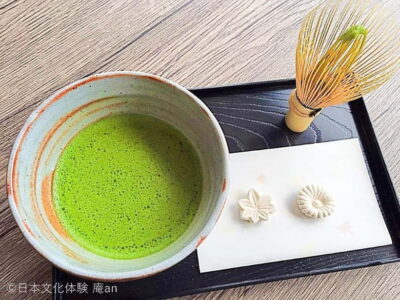
- Matcha Tea Ceremony: A Gentle Finish After Ink and Silence
- What’s Included in Your $20 Value (and Why It Feels Fair)
- Who Should Book This Osaka Temple Calligraphy and Zen Lesson?
- Should You Book It?
- FAQ
- Where is the meeting point for the Osaka temple tour and calligraphy lesson?
- How do I get there from the subway?
- How long is the experience?
- Is the lesson taught in English?
- What will I do during the class?
- What do I receive at the end?
- What is the cancellation policy?
Key Highlights You’ll Care About
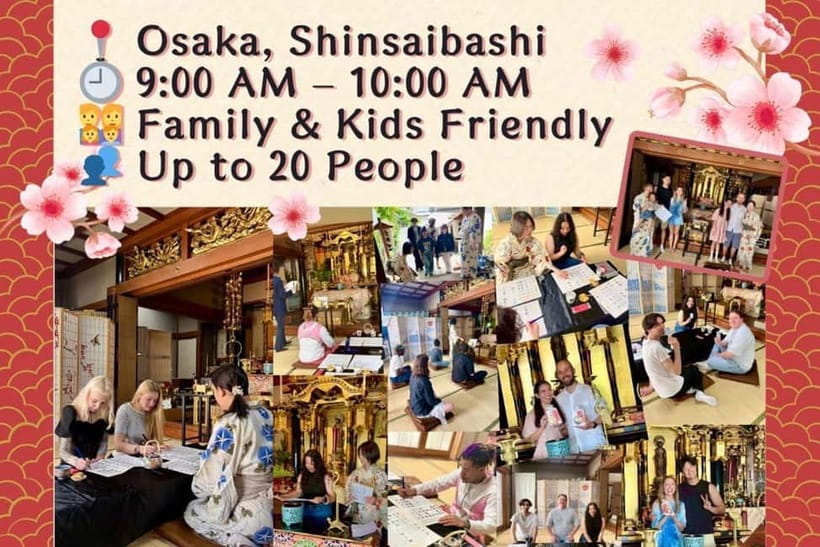
- Saishoji Temple next to Yotsubashi Station: a quick walk from major subway lines
- Zazen meditation that focuses on breathing and mental clarity
- Basic calligraphy, then your own kanji on a mini shikishi
- A take-home name card with your kanji and its meaning
- Traditional matcha tea ceremony as the calm capstone
- Materials and a small ceramic plate gift included for under $20
Saishoji Temple by Yotsubashi: The Calm Address and Why It Matters
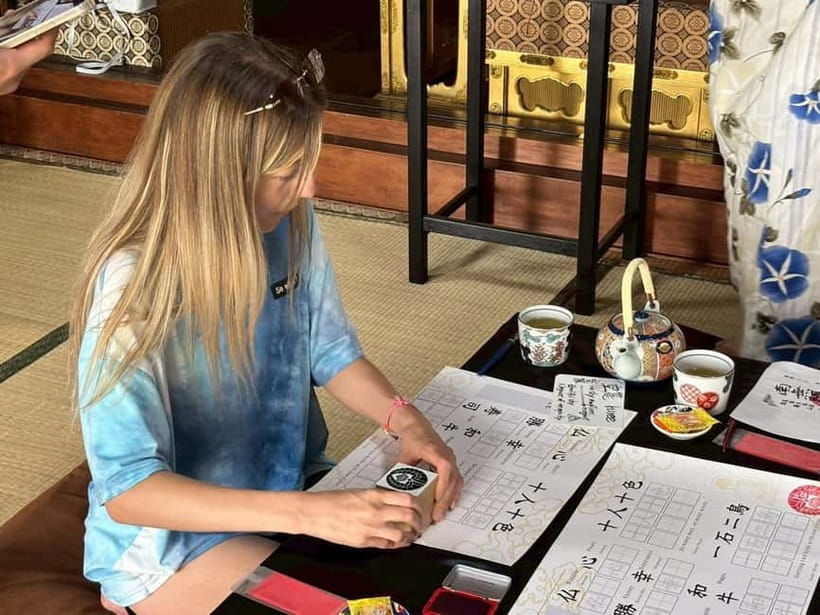
Saishoji Temple sits in Osaka in a way that feels almost unfair—so close to the city’s motion, but surrounded by a quiet temple mood once you arrive. The meeting point is right at the temple itself: Saishoji Temple, 1-6-18 Kitahorie, Nishi-ku, Osaka. It’s easy to reach on foot, and that matters because calligraphy and meditation don’t pair well with stress.
Here’s the practical access:
- About a 3-minute walk from Yotsubashi Station (Osaka Metro Yotsubashi Line, Exit 4)
- Around a 10-minute walk from Shinsaibashi Station (Osaka Metro Midosuji Line)
- Roughly 15 minutes on foot from Namba Station
If you’re already planning time around Shinsaibashi and Yotsubashi, you can treat this like a reset button in the middle of your day instead of tacking it on as a complicated detour. That’s part of what makes the $20 value feel real: you’re not paying extra for transportation drama.
Also, this isn’t a staged craft workshop in a generic room. You’re inside a temple setting where the pace naturally slows down. In my view, that authenticity is the whole point—your brushwork lands differently when the environment asks for quiet.
You can also read our reviews of more tours and experiences in Osaka


The 1-Hour Flow: How the Schedule Stays Focused
This is a 1-hour experience led in English by an instructor, with instruction and interaction supported by resident monks and expert instructors. It’s designed to be short, but not skimpy. The key is that the activities build on each other.
A typical flow looks like this:
- A brief guided lesson that mixes local history and language for daily conversation
- A mindful “check in” moment with Zazen meditation focused on breathing
- Calligraphy copying and practice, then you write one favorite kanji
- A calm matcha tea ceremony finish
Why the flow works: the language and history part gives your brain context, then the breathing and calligraphy ask your body to slow down. Matcha becomes the bridge—something you can do gently after you’ve been quiet and focused.
One small caution: because the total time is limited, you should be ready to focus during transitions. You’re not here for leisurely strolling or long explanations. You’ll get what you need, then you’ll do the activity.
Osaka in Mini Lessons: Shinsaibashi, Yotsubashi, and Castle Context
Before the Zen part, you get a short, guided orientation. You’ll learn about the history of Shinsaibashi, Yotsubashi, and Osaka Castle, plus a clear explanation of the difference between Japan’s temples and shrines.
That might sound like background trivia, but it’s more useful than it appears. In Osaka, people throw around words like temple, shrine, and prayer spaces as if they’re the same thing. Here, you’re given a simple mental map, so when you visit other religious sites later, you’ll understand what you’re seeing and how to behave more respectfully.
You’ll also learn conversational phrases and idiomatic expressions tied to cultural communication. The experience aims for mindful communication, not just vocabulary. That’s the practical win: you’re practicing how to speak like a person who understands the setting, not just how to pass a quiz.
If you’re a beginner, this still works because the instruction is English-led and broken into manageable chunks. If you’re advanced, you’ll likely appreciate the cultural phrasing—how people actually talk around manners and etiquette.
Zazen Breathing at Saishoji: Quiet Training for Real Focus
The “pause button” in this experience is Zazen meditation. You’re guided into a calm state with attention on breathing—clearing your mind and focusing on your inhale and exhale.
This isn’t meditation as a performance. It’s meditation as a skill. The benefit for you is simple: calligraphy looks easy until you try it. Your brush wants steadiness. Zazen gives you a physical way to get that.
The reviews and the structure point in the same direction: the people who love this part tend to come away feeling like they can finally concentrate without the usual mental clutter. One common theme is that the temple setting helps you find a state that feels close to nothingness—no multitasking, no checking your phone, just the slow rhythm of breathing.
Possible drawback to note: if you’re expecting active sightseeing or lots of movement, Zazen will feel like a different kind of activity. It’s intentionally still. If that’s not your vibe, your experience could feel too quiet.
Write Your Favorite Kanji on a Mini Shikishi
Now the fun part: ink and practice.
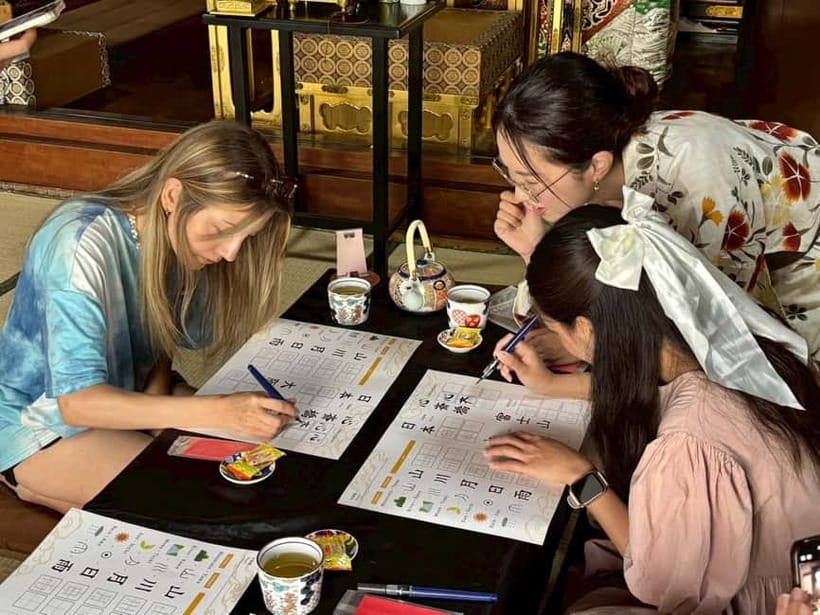
You start with basic calligraphy practice, then you write one favorite kanji on a mini shikishi. You’re not just copying shapes mindlessly; the lesson supports you with guidance so your strokes make sense. Since materials are included, you’re not scrambling for tools or learning the hard way that cheap brushes can be miserable.
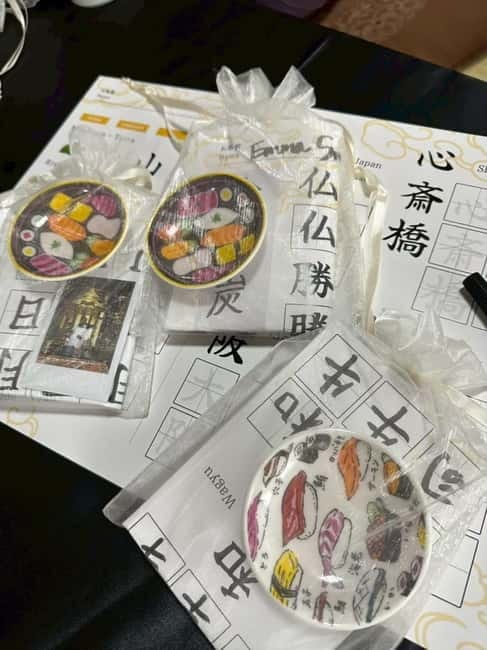
What you take home makes it feel like more than a souvenir. You receive:
- A name card with your Japanese kanji and its meaning
- A small ceramic plate gift, 8 cm in diameter
I really like this setup because it links art to language. You choose the kanji you care about, learn how it’s written, and then get the meaning on a card you can keep. That’s a powerful memory hook. Months later, you might not remember the whole lecture, but you’ll remember the character you picked—and why it matters to you.
Also, writing inside a temple setting changes the feel. You’re using ink and brush pressure in a space where people expect calm. That expectation makes your handwriting lesson turn into a personal moment, even if you came alone.


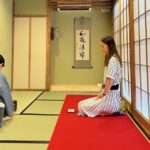
Matcha Tea Ceremony: A Gentle Finish After Ink and Silence
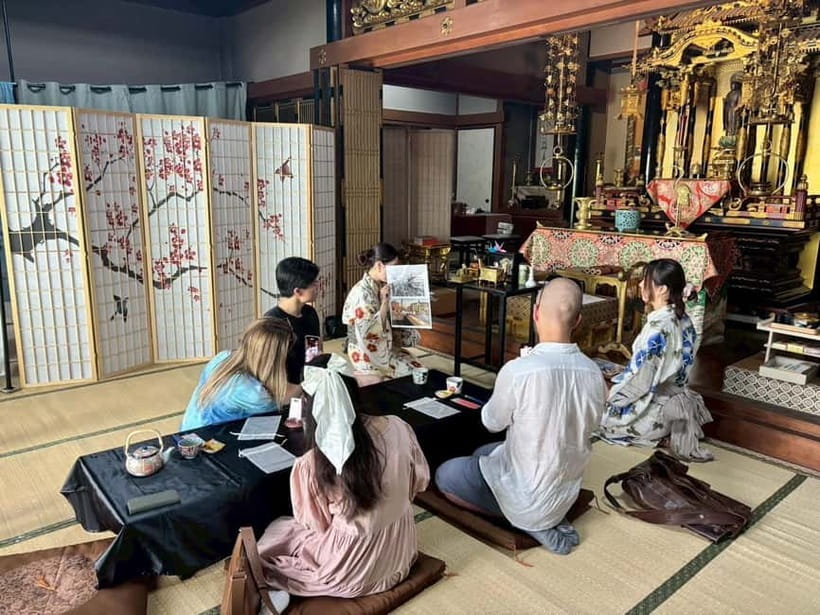
The last stretch is a traditional matcha tea ceremony. Even though you’re busy earlier—history talk, meditation, calligraphy—the matcha part gives you a clean landing.
What it does for you:
- It extends the mindful mood from meditation into something social and sensory
- It gives you a structured pause right after you finish your kanji
- It reminds you that Japanese culture isn’t only about learning words. It’s about slow, respectful actions.
The ceremony is part of the cultural immersion activities, so it’s not treated like an optional extra. You’ll do it as part of the full experience, which helps everything feel connected rather than stitched together.
If you enjoy rituals and small, precise steps, this ending will likely be a highlight. If you prefer fast-paced activities, matcha is still worth it because it’s short and calming, not a marathon.
What’s Included in Your $20 Value (and Why It Feels Fair)
At $20 per person for a 1-hour experience, the best question isn’t Is it cheap? It’s what you’re getting for that time.
Here’s the value stack:
- A guided Japanese history and language lesson
- Cultural activities including Zazen meditation and calligraphy copying
- Interaction with resident monks
- All activity materials provided
- Take-home items: name card (kanji + meaning) and the 8 cm ceramic plate gift
The value becomes clearer when you think about what typically costs money in Japan: guided language help, teaching materials, and an experience host. This package bundles it all into a single session in a temple setting.
And because the instruction language is English, you don’t have to worry about missing key steps. You can focus on doing the calligraphy instead of decoding instructions.
Also, small-group attention is mentioned as part of how the retreat is tailored for different levels, from beginners to advanced learners. That matters for calligraphy, where your strokes can use real feedback.
Who Should Book This Osaka Temple Calligraphy and Zen Lesson?
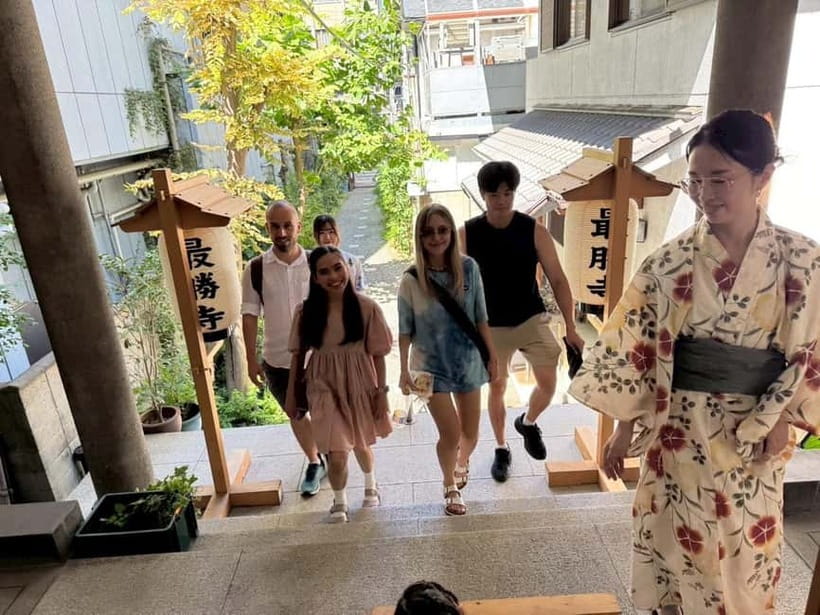
This experience is a strong fit if you want Japanese culture that’s quiet, structured, and practical. You’ll probably love it if you:
- Want a calligraphy class that includes actual temple atmosphere
- Like the idea of learning a kanji tied to something personal
- Enjoy mindful activities like breathing-focused Zazen
- Want English-led language phrases connected to manners and everyday communication
- Prefer smaller, calmer experiences rather than crowded sightseeing
It’s also a good choice if you’re traveling alone. The setting and the format are designed for you to settle in, learn, and finish with something you can keep.
Who might skip it: if you’re chasing long sightseeing, dramatic temple photography spots, or a full day outdoors. This is not built to replace a temple tour of multiple sites. It’s built to give you one concentrated, meaningful experience.
Should You Book It?

Yes, if you want a high-impact hour in Osaka where language learning and calm actually go together.
Book this when:
- You’re already near Yotsubashi or Shinsaibashi and want an easy walk-in experience
- You want a break from fast city time and you’re okay sitting quietly
- You care about taking home something tangible: your kanji name card and the 8 cm ceramic plate
Skip it if:
- You need nonstop movement and entertainment for a full day
- You expect a long, multi-stop temple wandering tour
One last practical tip: wear comfortable clothes. You’ll be sitting and focusing. This experience rewards a body that can stay relaxed while your brush makes slow, deliberate lines.
FAQ
Where is the meeting point for the Osaka temple tour and calligraphy lesson?
You meet at Saishoji Temple, 1-6-18 Kitahorie, Nishi-ku, Osaka, 550-0014, Japan.
How do I get there from the subway?
It’s about a 3-minute walk from Yotsubashi Station (Osaka Metro Yotsubashi Line, Exit 4). It’s also about 10 minutes from Shinsaibashi Station and 15 minutes from Namba Station on foot.
How long is the experience?
The duration is 1 hour.
Is the lesson taught in English?
Yes. The instruction is in English.
What will I do during the class?
You’ll start with a guided Japanese history and language lesson, then do Zazen meditation, practice basic calligraphy, and write one favorite kanji on a mini shikishi. You’ll also take part in a traditional matcha tea ceremony.
What do I receive at the end?
You receive a name card with your kanji in Japanese and its meaning, plus a small ceramic plate (8 cm diameter) as a gift. All materials needed are included.
What is the cancellation policy?
Free cancellation is available up to 24 hours in advance for a full refund.