REVIEW · OSAKA
Samurai dress-up and shows, plus Tea Ceremony & Calligraphy
Book on Viator →Operated by 道-michi- · Bookable on Viator
Samurai armor and art in one Osaka stop. This 3-hour, indoors-only experience near Dotonbori mixes dress-up, live performances, and hands-on Japanese culture.
I love the easy all-in-one format, where you can go from samurai costume to sword performances and traditional music without hustling between venues. I also love the practical, interactive side: you take part in a tea ceremony and try Japanese calligraphy instead of just watching.
One key consideration: a kimono option costs ¥19,800 per person, and it is not included in the base price.
In This Review
- Key Things You’ll Notice Right Away
- Where Samurai Armor Meets Dotonbori Convenience
- The Value Question: Is $123.87 Worth It?
- Samurai Dress-Up and Sword Shows: The Main Event
- Tea Ceremony: More Than a Watching Moment
- Calligraphy Workshop: Make Something You Can Actually Keep
- Live Traditional Music: The Hidden Thread Between Activities
- Who the Staff Is: The Part You’ll Remember
- Practical Details That Matter on the Ground
- Kimono Option: Full Look, Extra Cost
- Best Fit: Who Should Book This
- How to Time It in Your Osaka Day
- Should You Book Samurai Armor, Tea Ceremony, and Calligraphy?
- FAQ
- Where does the experience take place in Osaka?
- How long is the experience?
- What does it cost?
- What is included with the ticket?
- Is the tea ceremony included?
- Is calligraphy included?
- Do I need to pay extra for a kimono?
- Are the activities indoors?
- Can most people participate even if they have no experience?
- Can I cancel for a full refund?
Key Things You’ll Notice Right Away
- Indoors in any season: everything is set up so you can relax, rain or shine.
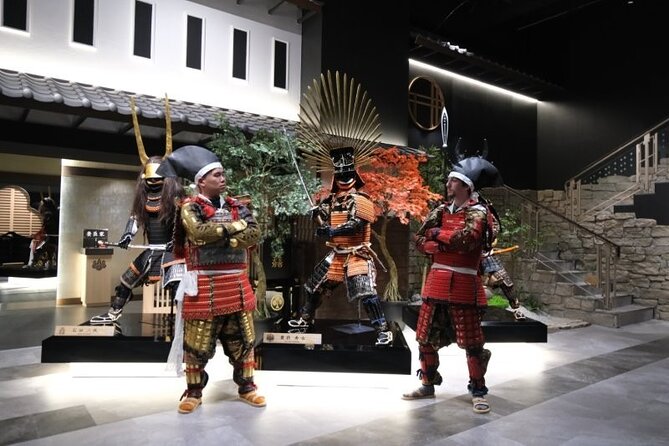
- Samurai dress-up plus shows: armor and live sword performances happen in the same visit.
- Tea ceremony with participation: you get hands-on time, not a quick demo.
- Calligraphy practice: you create your own Japanese calligraphy piece.
- Helpful staff focus: people highlight warm, attentive hosts such as Roi and Maya.
- Built-in comforts: locker use plus hot/cold tea and WiFi are included.
Where Samurai Armor Meets Dotonbori Convenience
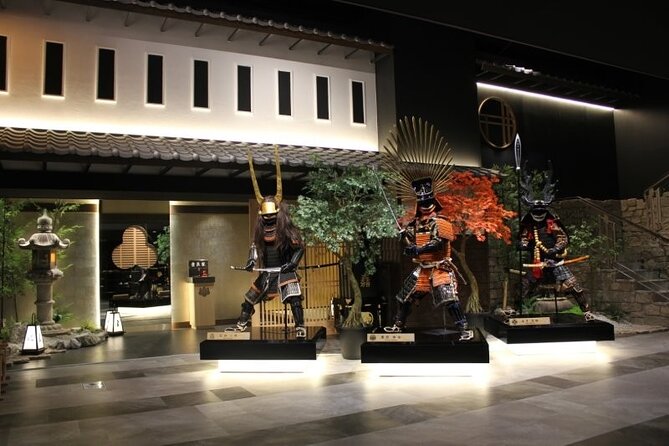
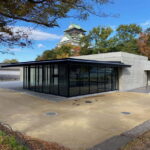
Osaka’s Dotonbori area is the kind of place where you can spend a whole evening just walking around. The trick is finding one experience that doesn’t steal your entire day. This one works because it’s close to the action—about a five-minute walk from Dotonbori—and it’s still comfortable and controlled once you arrive.
The experience is centered at Shinsaibashi ARTY Inn, and it runs for about three hours. That time window matters. It’s long enough to actually do things (not just watch), but short enough that you can still enjoy Osaka before dinner. Plus, it’s all indoors, so you’re not stuck timing your visit around heat, cold, or sudden rain.
You can also read our reviews of more tours and experiences in Osaka.


The Value Question: Is $123.87 Worth It?
At $123.87 per person, you’re paying for a concentrated package: samurai dress-up, performances, live traditional music, and two hands-on workshops (tea ceremony and calligraphy). Many Osaka activities either stay on the entertainment side or the craft side. Here, you get both, packed into one session.
What helps the value: key extras are included. You get complimentary coffee and/or tea, hot or cold water, locker access, and WiFi. You’re also set up with public transport convenience—stated as within a 10-minute walk from stations like Namba/Shinsaibashi. When an attraction already takes care of those basics, it reduces the “hidden costs” that add up elsewhere (like buying refreshments or constantly switching locations).
Your main extra spend is optional: wearing a kimono costs ¥19,800 per person. If you skip the kimono, you’ll keep the experience closer to the base price. If you add it, plan for that number up front so there are no surprise moments.
Samurai Dress-Up and Sword Shows: The Main Event
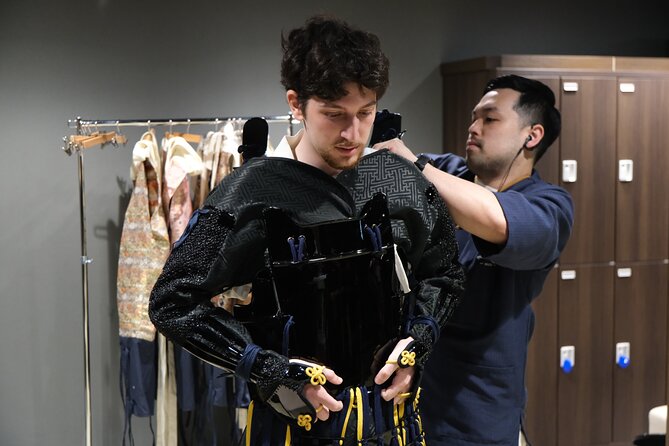
The headline is clear: you get to step into traditional samurai armor and join the shows while wearing it. That alone changes the tone. You’re not just attending a performance; you’re part of the scene in a way that makes it easier to pay attention to what’s happening.
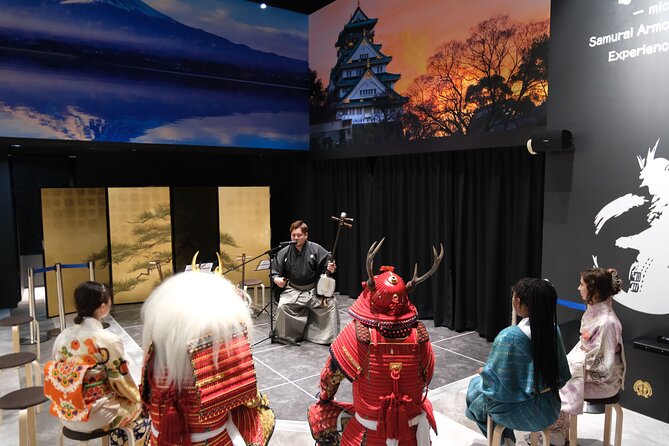
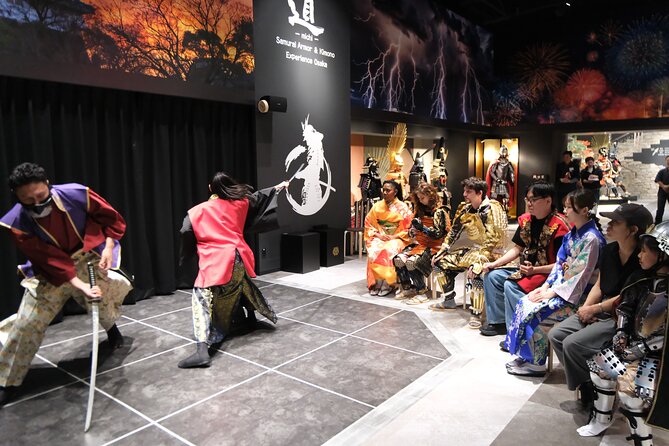
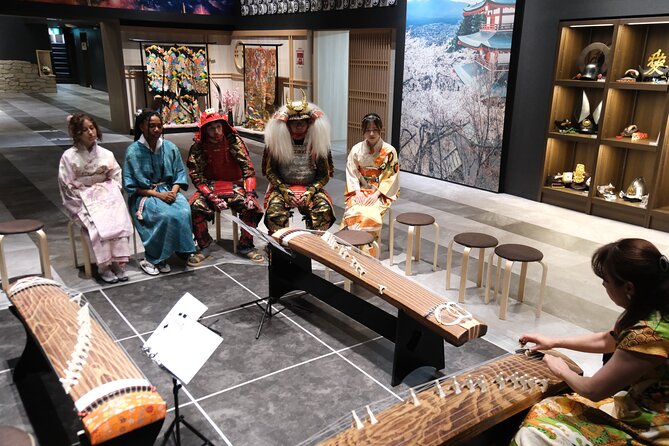
The performance portion includes dynamic sword performances plus live traditional music. The value here isn’t just the spectacle. It’s the way the entertainment connects to Japanese cultural performance style—rhythm, timing, posture, and presence. You also learn by doing, or at least by participating in the setting where the actions are explained and demonstrated.
A useful detail from the experience: staff help guide the flow so you can choose which activities to start with, and they assist you during the visit. That matters if you’re traveling with different energy levels in the group—one person might want the show first, while another heads straight for the crafts.
Tea Ceremony: More Than a Watching Moment
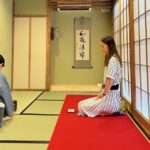
Tea ceremonies can be either a quick photo-op or a real cultural ritual. In this experience, the tea ceremony is presented as a refined, participatory activity. You don’t just stand there and listen; you try the process.
Why that’s valuable for visitors: tea is small-scale culture. It’s quiet focus, controlled gestures, and an attention to details that are easy to miss when you’re sightseeing all day. If you’re the type who wants one experience that feels calmer than the street scenes around Dotonbori, tea ceremony time hits that sweet spot.
Also, you’re not left thirsty. Complimentary coffee and/or tea plus hot/cold water are included, so the venue handles comfort while you’re learning.
Calligraphy Workshop: Make Something You Can Actually Keep
Calligraphy is one of those activities that sounds simple until you try it. Then you realize it’s about balance, brush control, and the feel of making marks. In this experience, you take part in Japanese calligraphy and create your own piece.
That’s a huge difference from a museum-style demonstration. When you leave holding something you made, the experience sticks. It also gives you an easy conversation piece when you’re back home—something tangible that points to what you learned during the visit.
The calligraphy portion is also a great choice if you’re traveling with mixed interests. Even if someone in your group isn’t that interested in sword shows, calligraphy gives them a calmer, creative role.

Live Traditional Music: The Hidden Thread Between Activities
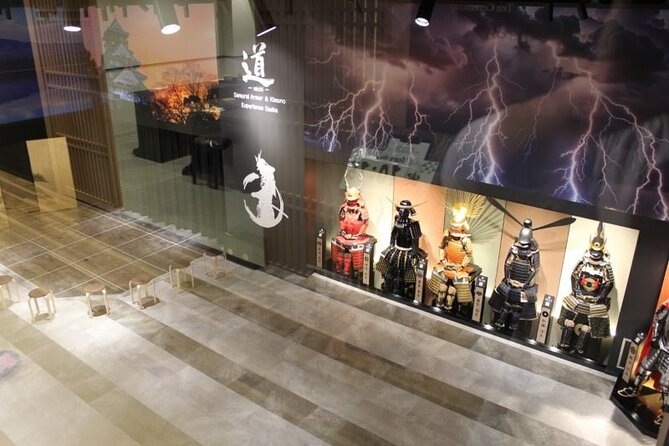
A standout element is that traditional music runs alongside the performances. You’re not just hearing music as background. The format ties it to what you’re seeing—especially during the samurai armor show segment.
This is more than entertainment value. When music is part of the storyline of the performance, it helps you understand how Japanese cultural events often blend different art forms rather than keeping them in separate boxes. It’s one reason the whole three-hour session feels cohesive.
If you’re someone who likes to learn how culture is packaged and presented, the music component helps connect the dots.
Who the Staff Is: The Part You’ll Remember
In the reviews, the staff come through as a real strength. Names come up—Roi and Maya—credited for attention to detail and helping with individualized requests. That kind of service makes a short, busy experience feel personal.
It also reduces anxiety if you’re nervous about participating. Samurai armor can feel intimidating the first time you put it on, and calligraphy can feel overwhelming if you’ve never touched a brush. When the hosts are confident and supportive, you’re more likely to relax and enjoy the learning part.
I’d call out the overall tone from the feedback: people describe hosts as welcoming, friendly, and passionate, with clear guidance from entry to exit.
Practical Details That Matter on the Ground
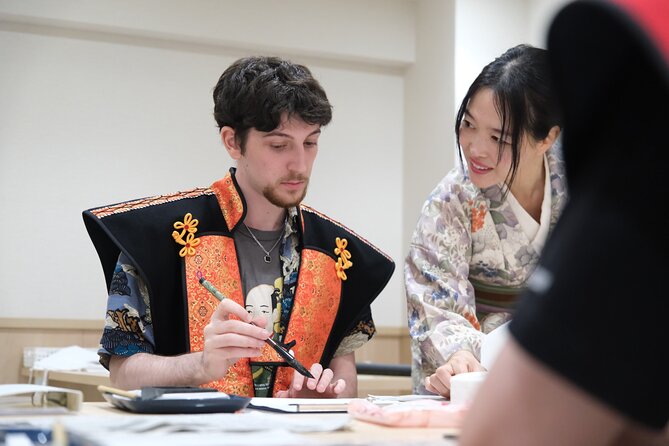
This experience runs about three hours and is described as near public transportation. It’s also listed as having a mobile ticket, which is useful if you like to keep things digital while walking around Osaka.
Lockers are provided, so you can bring your day bag without turning the workshop into a juggling act. WiFi is included too, which is handy if you want to quickly message someone, find the next stop, or check transit while you’re nearby.
Another practical point: because everything is indoors, you don’t need a second clothing plan. You can dress for comfort outdoors and still enjoy the entire program inside.
Kimono Option: Full Look, Extra Cost
The kimono is not included. If you want to wear it, budget ¥19,800 per person. That means you should decide early whether you want the “samurai-only” look or the “samurai + kimono” full costume style.
If you’re trying to keep spending controlled, you can still get a strong costume experience without the kimono add-on. If you’re a costume-photo person, the extra fee might be worth it for the impact.
Either way, plan for the added cost. It’s the clearest financial variable in the experience.
Best Fit: Who Should Book This
This tour format is especially good if you want an Osaka cultural moment that doesn’t require advanced planning. I’d put it high on the list for:
- First-time visitors who want multiple Japanese arts in one stop near central Osaka
- People who like interactive activities (tea ceremony and calligraphy are hands-on)
- Groups with mixed interests since you can balance performance time with crafts
- Anyone who wants weather-proof plans because it’s all indoors
If you’re looking for long, slow sightseeing or a deep independent exploration day, this is a different style of experience. It’s structured and timed, so it works best when you treat it as your focused cultural block.
How to Time It in Your Osaka Day
Since it’s close to Dotonbori, you can treat this as an anchor activity. Do it earlier in the evening if you want dinner afterward, or place it mid-afternoon if you want a break from walking.
Because the experience lasts around three hours, try not to schedule it right when you’re committed to something else nearby that requires zero flexibility. Travel time within the area is manageable, but the whole point here is to enjoy the session without rushing.
Should You Book Samurai Armor, Tea Ceremony, and Calligraphy?
Yes, if you want a compact, indoor cultural experience that mixes costume, performance, and hands-on crafts in one location. The price makes sense because you’re not paying just for a single show—you’re paying for multiple activities plus practical inclusions like tea/coffee, lockers, and WiFi.
Book it with one clear decision in mind: the optional kimono fee. If you want the full costume look, plan for ¥19,800. If not, you’ll still get a strong samurai-centered experience with tea and calligraphy.
If your idea of a great Osaka day is simple: central location, guided activities, and a story you can take home, this is a very solid choice.
FAQ
Where does the experience take place in Osaka?
It takes place at Shinsaibashi ARTY Inn, located about a five-minute walk from Dotonbori, and it’s near public transportation (within around 10 minutes’ walk from stations such as Namba/Shinsaibashi).
How long is the experience?
The duration is about 3 hours.
What does it cost?
The price is listed as $123.87 per person.
What is included with the ticket?
Included items listed are coffee and/or tea (hot or cold), hot/cold water, WiFi on board, and locker use, plus transportation convenience within a 10-minute walk of public transit.
Is the tea ceremony included?
Yes. Tea ceremony participation is part of the experience.
Is calligraphy included?
Yes. You can participate in Japanese calligraphy and create your own calligraphy piece.
Do I need to pay extra for a kimono?
Yes. Wearing a kimono costs ¥19,800 per person and is not included.
Are the activities indoors?
Yes. All activities are described as taking place indoors.
Can most people participate even if they have no experience?
The experience notes that most people can participate.
Can I cancel for a full refund?
Yes. Free cancellation is available up to 24 hours in advance for a full refund. If you cancel less than 24 hours before the start time, the amount paid is not refunded.